Vacuum Handling Systems Guide

application/vacuum-handling-systems, application/vacuum-handling-systems, 
Inquiry
Inquiry

vacuum handling systems

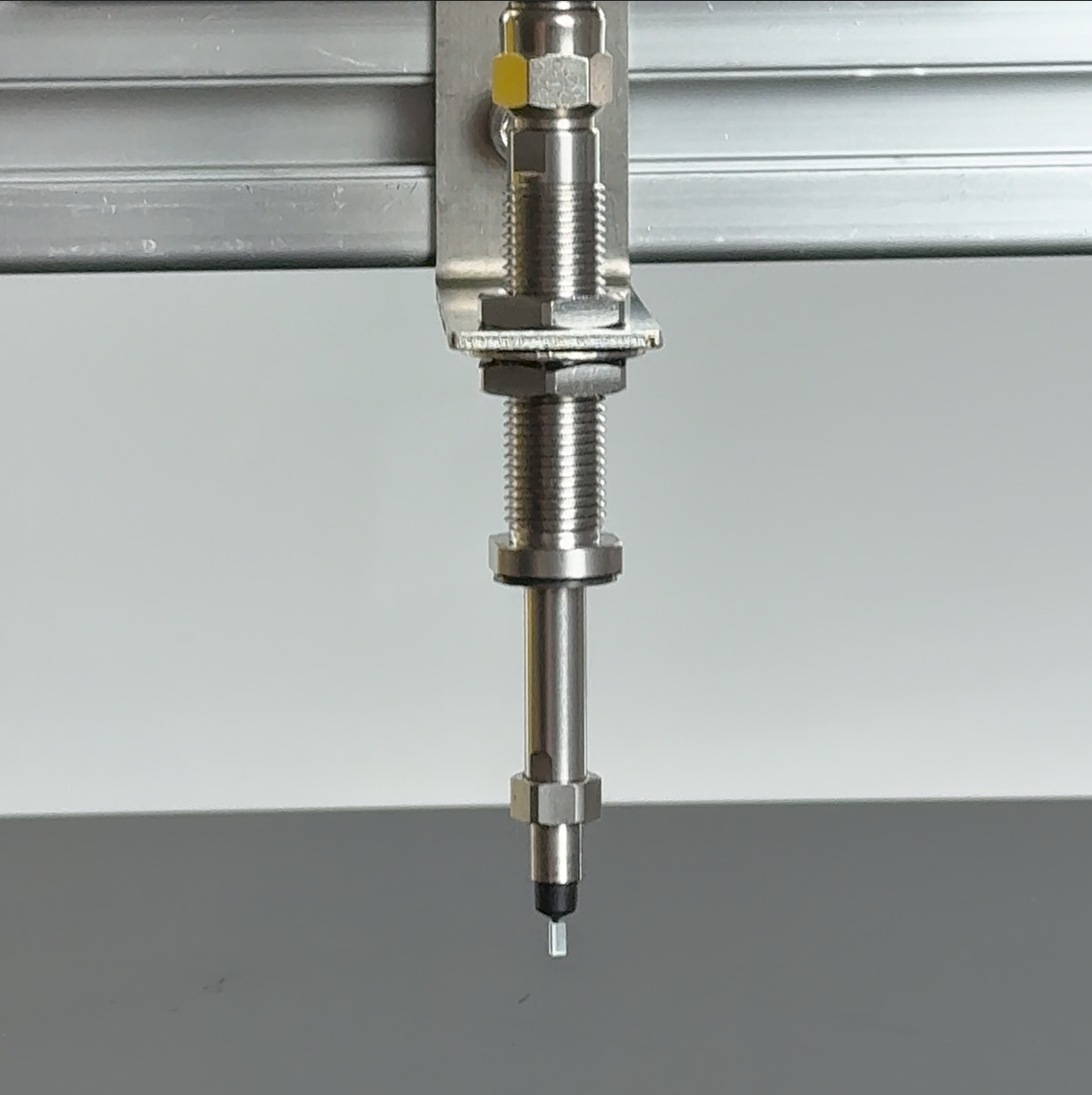
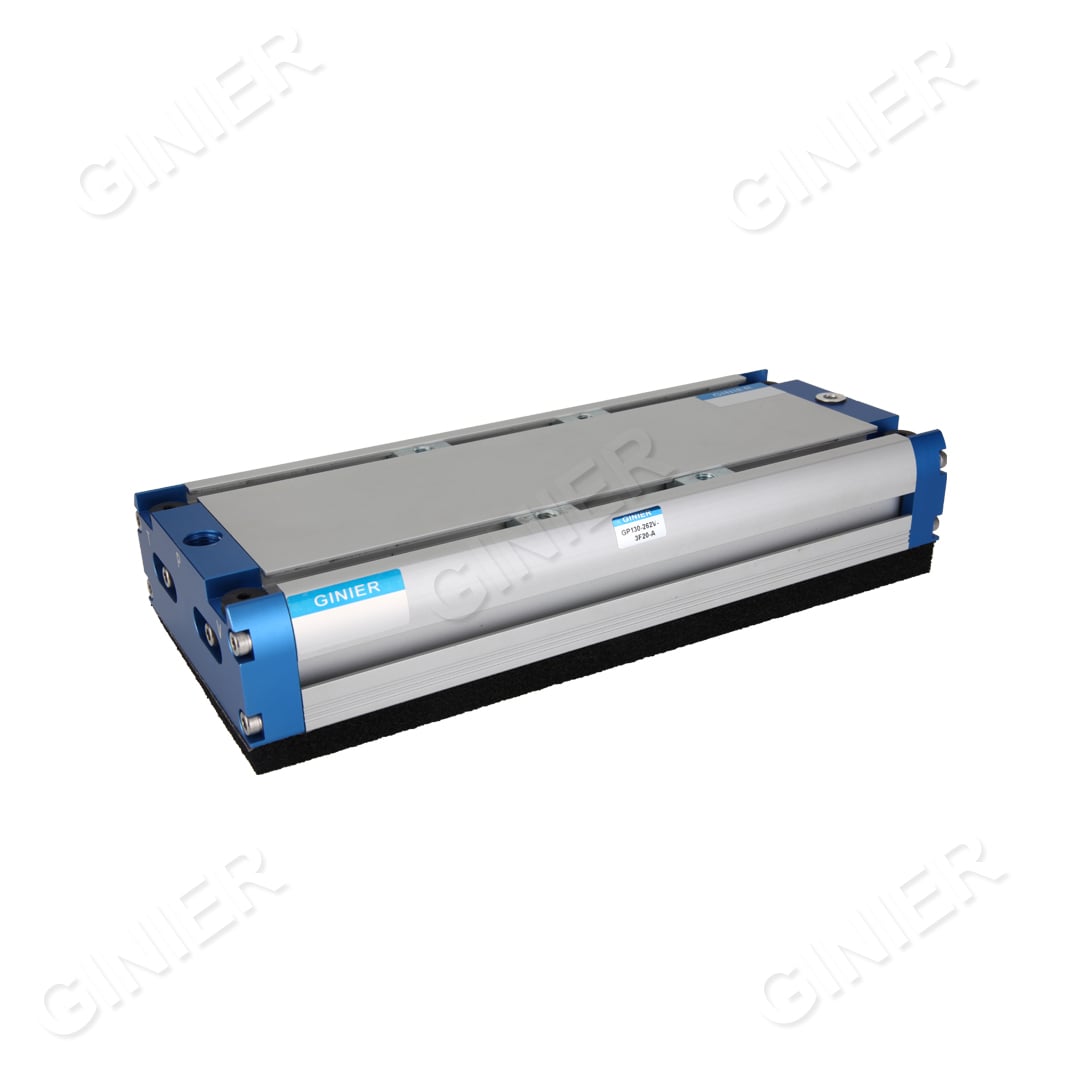
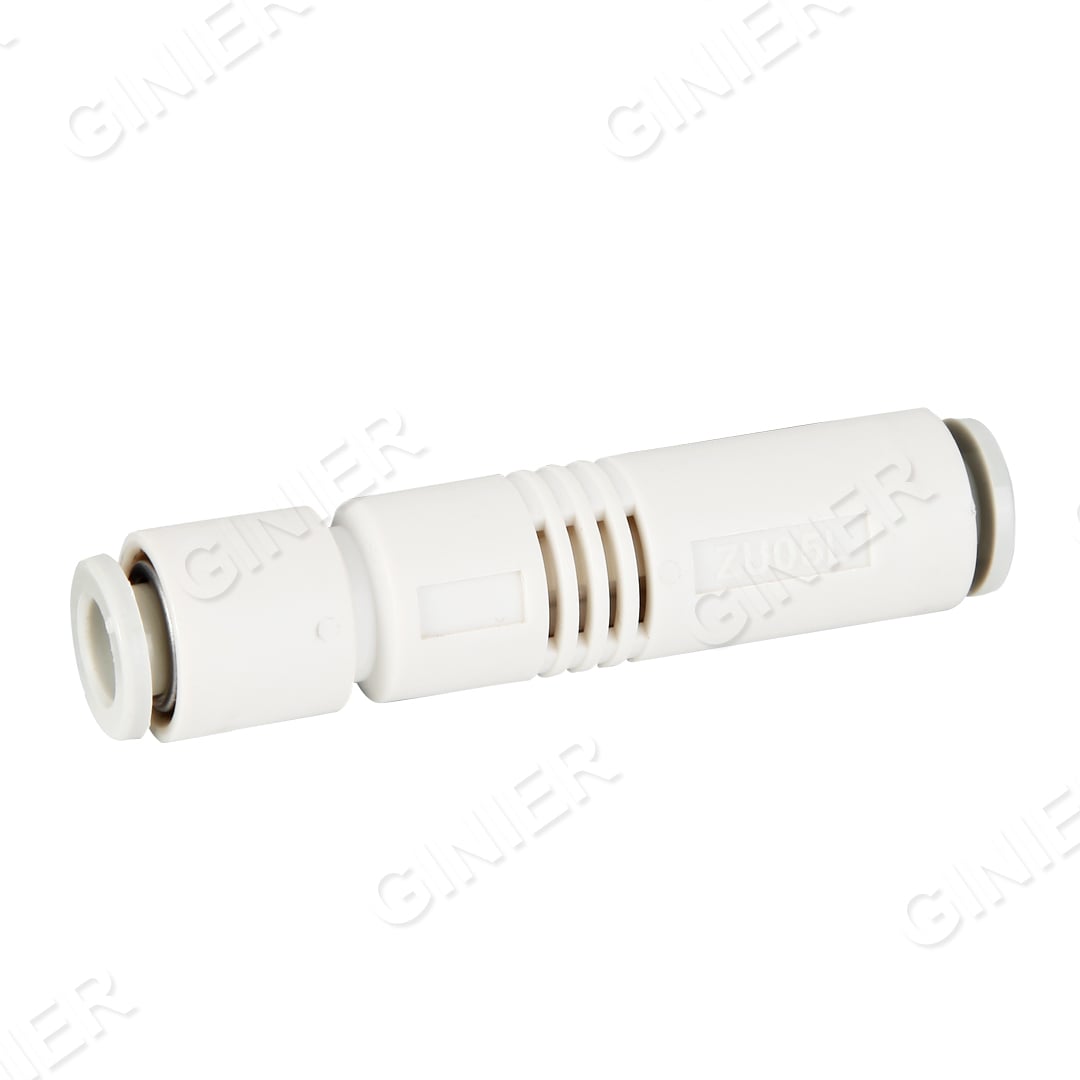
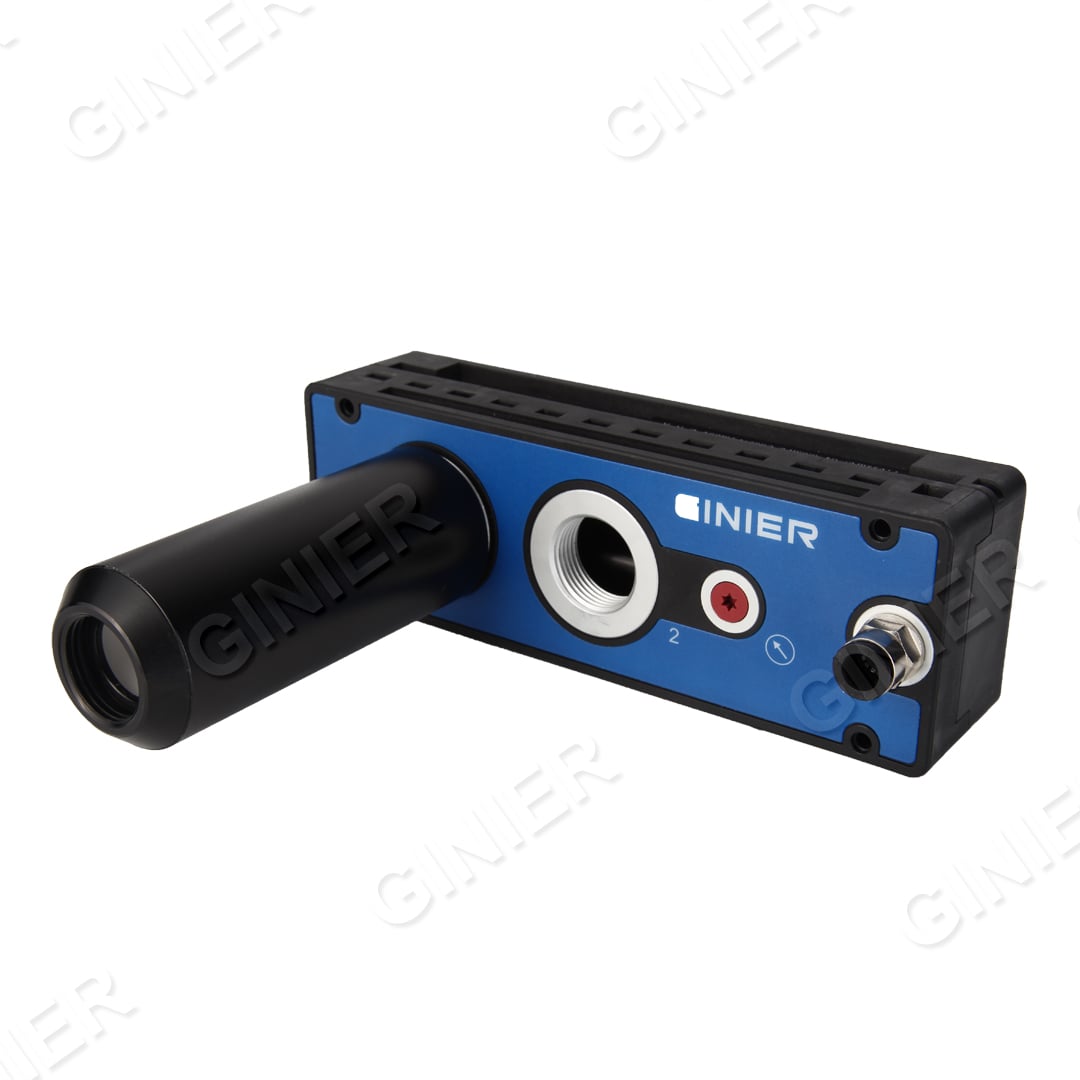
Vacuum handling systems are innovative solutions designed to transport, position, and manipulate materials with precision across diverse industrial applications. Utilizing negative air pressure, vacuum handling systems create secure grips on products without causing surface damage. Technologically, vacuum handling systems feature variable suction controls, energy-efficient pumps, and real-time pressure monitoring. Advanced vacuum handling systems employ smart sensors to adjust suction levels automatically and filtration mechanisms to prevent contamination and extend operational lifespan. Applications for vacuum handling systems span automotive manufacturing, pharmaceutical production, and electronics assembly. Industries rely on vacuum handling systems for automated pick-and-place operations, product packaging, and material sorting, making them critical components in modern production lines.

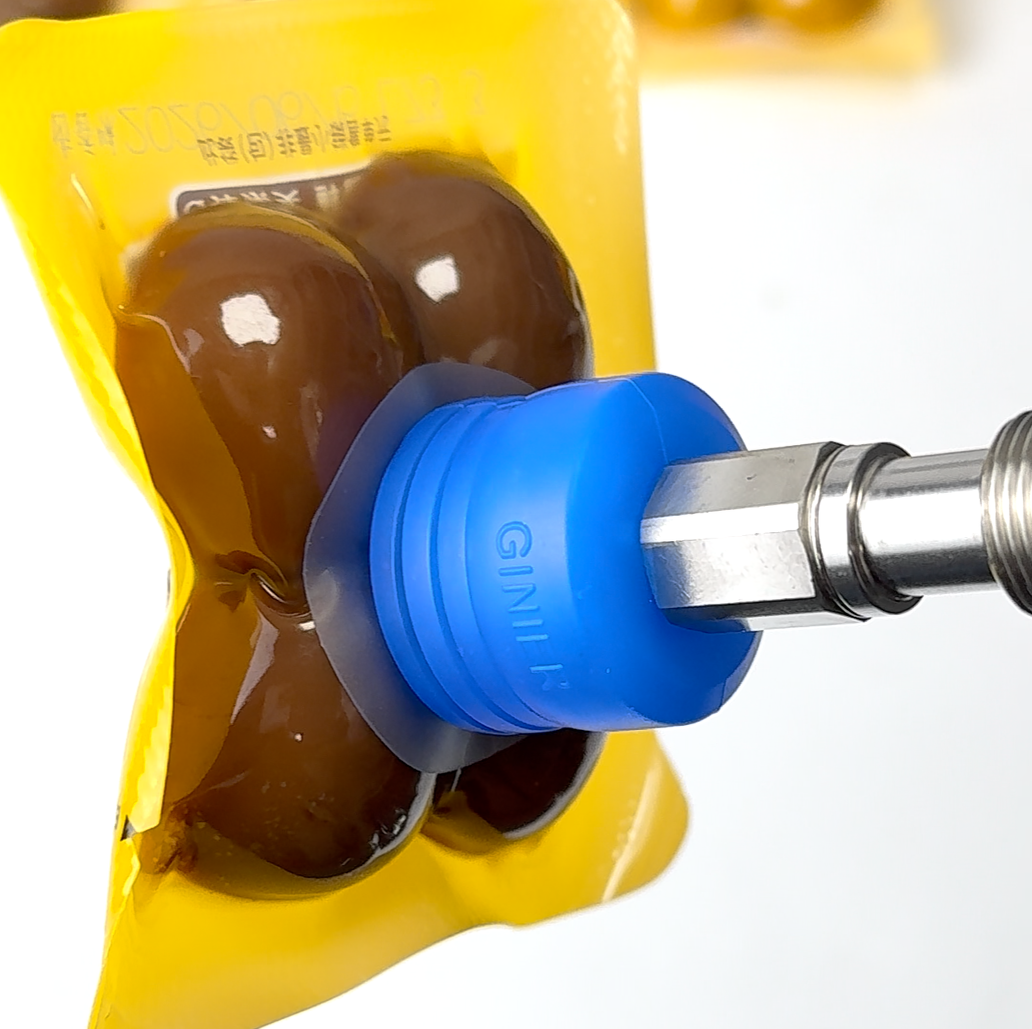
Vacuum handling systems deliver substantial operational benefits that directly impact your bottom line and production efficiency. Unlike mechanical gripping alternatives, vacuum handling systems eliminate product damage by distributing pressure evenly across gripping surfaces, protecting even the most sensitive materials from scratches, dents, or deformation. This protective approach makes vacuum handling systems ideal for handling finished goods where appearance matters. Operationally, vacuum handling systems reduce labor intensity by automating repetitive material movement tasks that traditionally required manual intervention. Workers can focus on higher-value activities while vacuum handling systems continuously perform precise positioning and transfer operations without fatigue or inconsistency. The reliability of vacuum handling systems means fewer production interruptions and increased uptime, directly translating to enhanced throughput. For purchasing decisions, vacuum handling systems offer exceptional cost-effectiveness compared to specialized gripper systems designed for single applications. The adaptability of vacuum handling systems to multiple product types eliminates the need for expensive equipment changes, reducing capital expenditure and storage requirements. Energy efficiency represents another significant advantage, as modern vacuum handling systems consume substantially less power than outdated pneumatic alternatives. Application suitability extends across virtually every manufacturing sector. Vacuum handling systems perform excellently with smooth surfaces, textured materials, and even porous products when equipped with appropriate cup configurations. The quick changeover capability of vacuum handling systems permits seamless transitions between different production runs. Additionally, vacuum handling systems integrate effortlessly with existing robotic systems and conveyor infrastructure, minimizing installation complexity and reducing implementation costs while maximizing your return on investment quickly.

Latest News

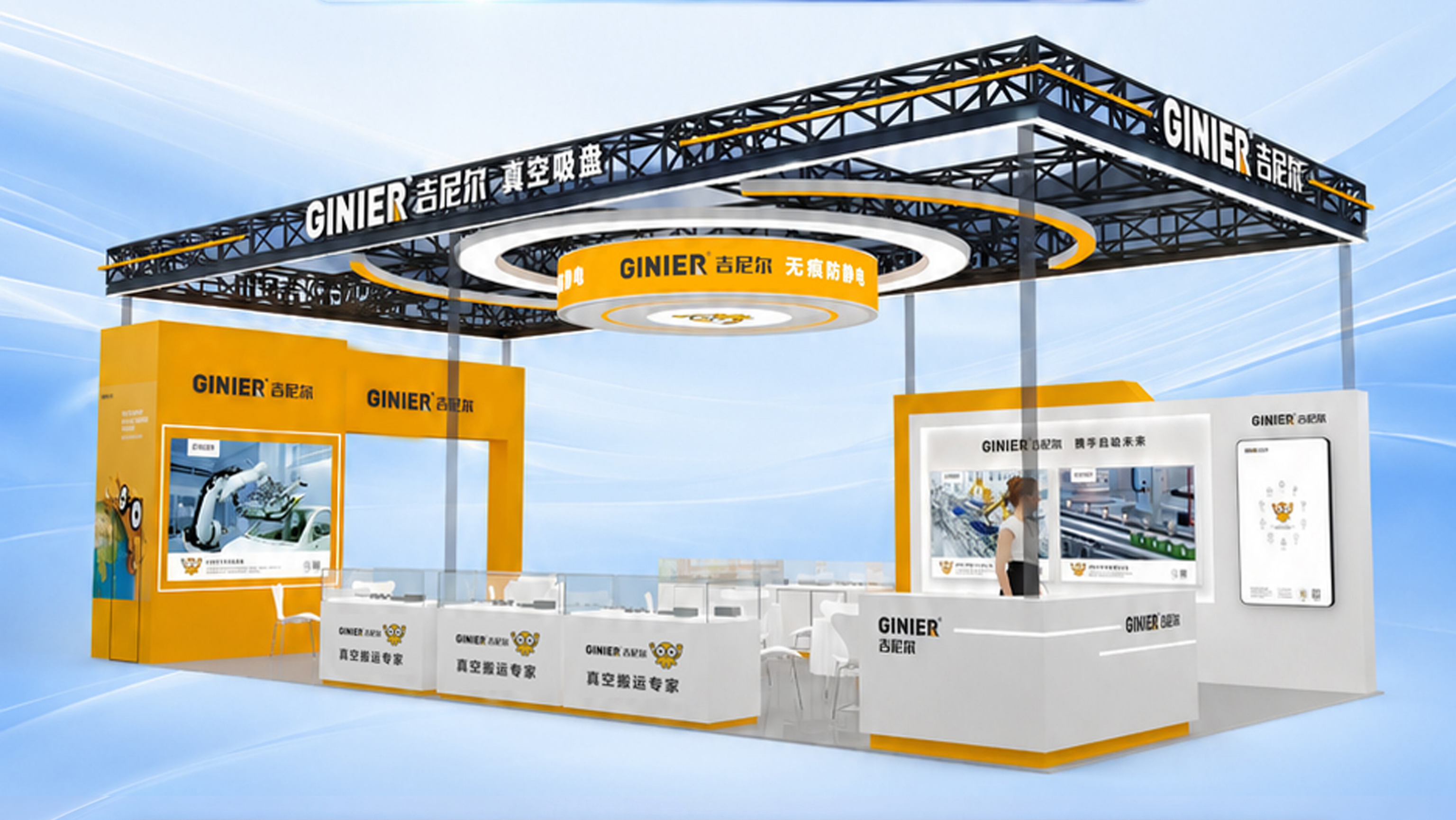
Meet GINIER | 2026 South China International Industry Fair

04

Aug

Meet GINIER | 2026 South China International Industry Fair

View More
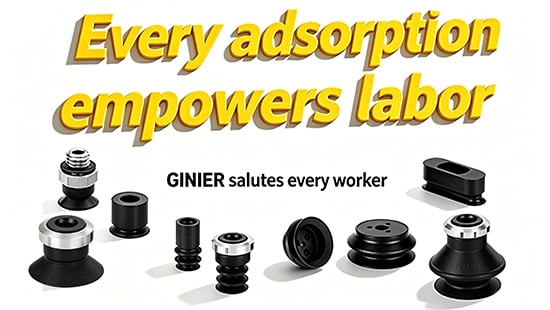
GINIER Wishes All Workers a Happy Labour Day

04

Aug

GINIER Wishes All Workers a Happy Labour Day

View More
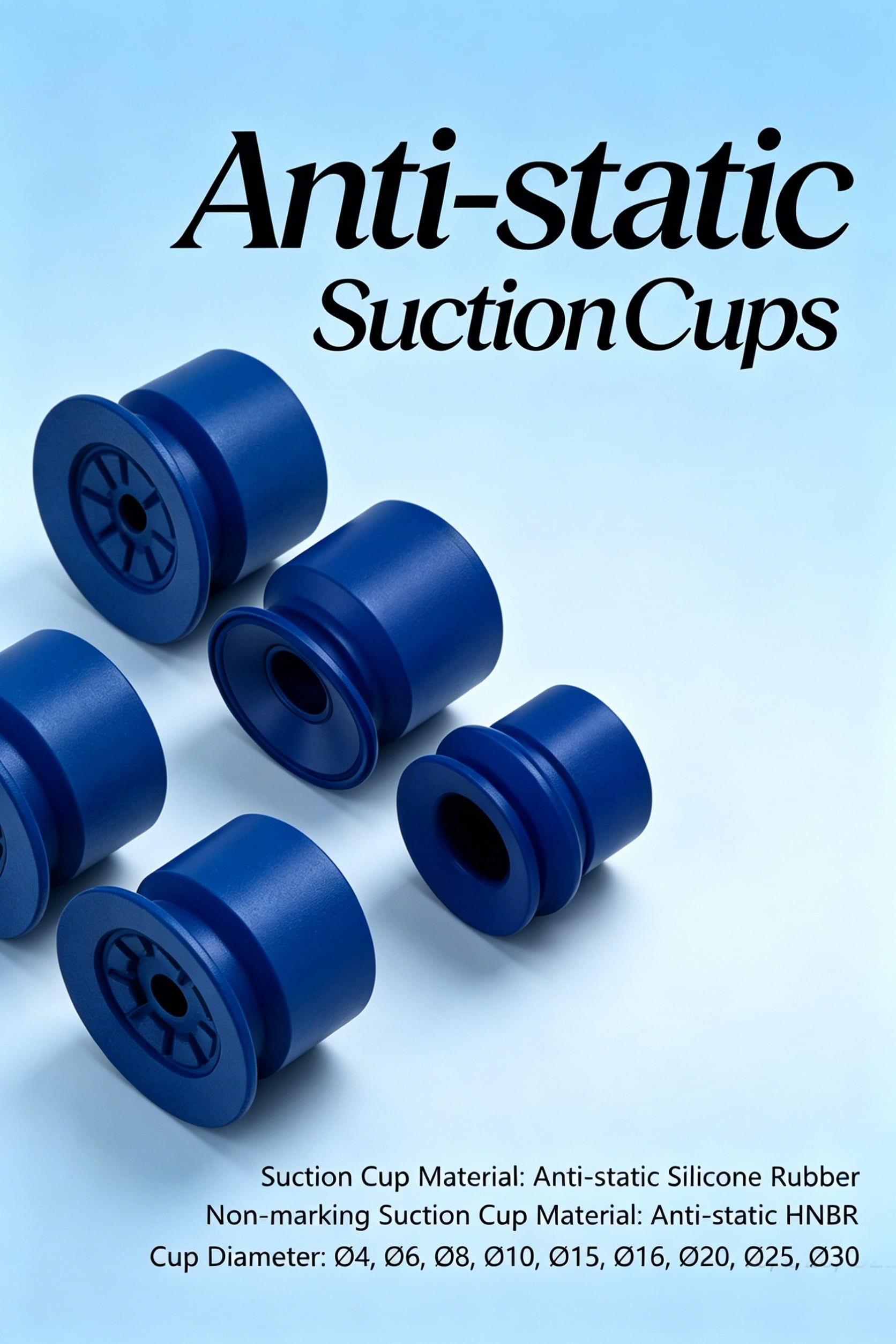
GINIER New HBUE Anti-static Suction Cups Launched

04

Aug

GINIER New HBUE Anti-static Suction Cups Launched

View More

Precision Material Handling Without Damage

Precision Material Handling Without Damage

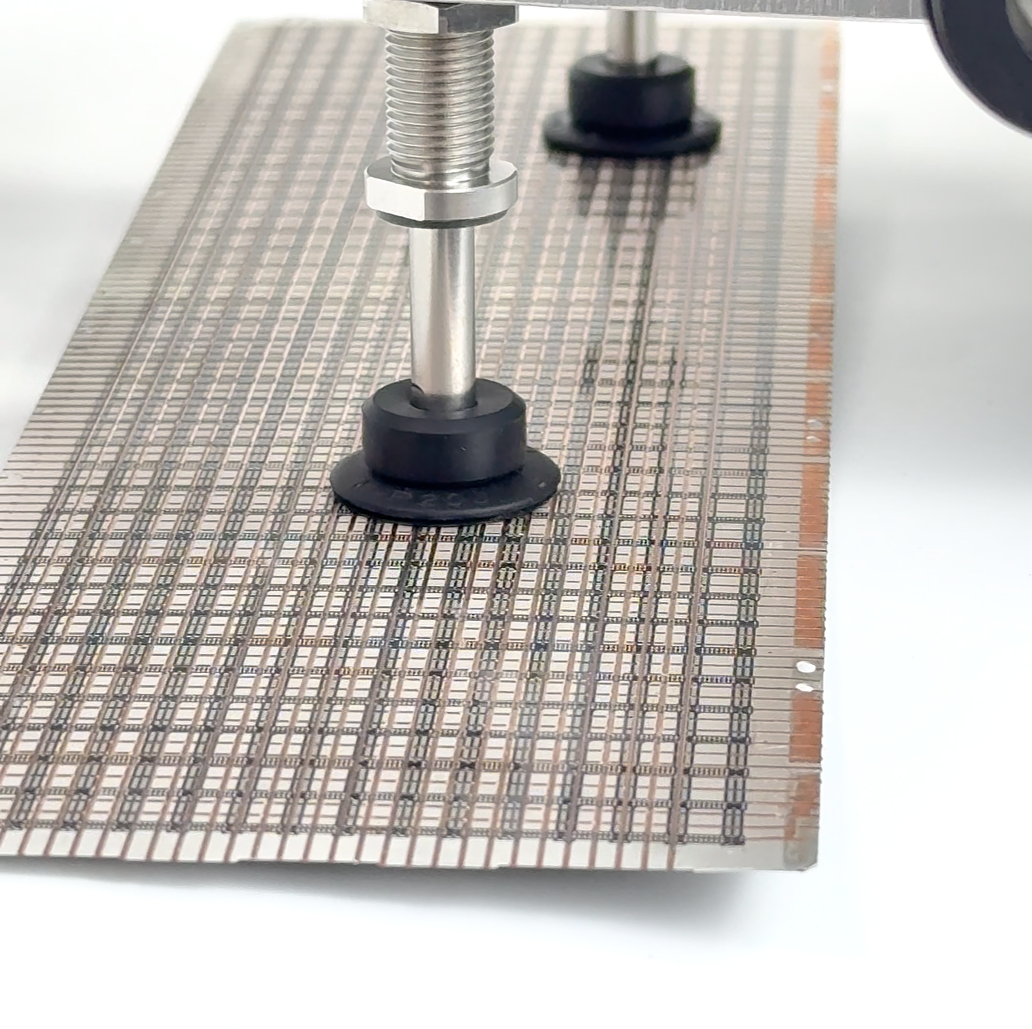
Vacuum handling systems excel at transporting delicate and valuable products through manufacturing workflows while preserving their pristine condition. The distributed pressure created by vacuum handling systems eliminates point-load stress that mechanical grippers impose on materials. This technology proves especially valuable in pharmaceutical manufacturing where sterile containers must remain contamination-free, food processing where product appearance affects market value, and electronics assembly where components must function flawlessly. Vacuum handling systems automatically adjust suction force based on object weight and material characteristics, preventing over-gripping that could cause damage. Companies using vacuum handling systems report significant reductions in product rejection rates and customer returns related to handling damage. The investment in vacuum handling systems pays dividends through improved quality metrics and enhanced brand reputation. Industries processing glass, ceramics, painted surfaces, and sensitive electronics consistently choose vacuum handling systems for their gentle yet secure grip technology.
Energy-Efficient Automation Solution

Energy-Efficient Automation Solution

Modern vacuum handling systems incorporate advanced pump technology and intelligent pressure regulation that dramatically reduces power consumption compared to traditional pneumatic alternatives. Energy-efficient vacuum handling systems employ variable-speed motors that adjust to actual operational demands, consuming minimal power during idle periods and ramping up only when active material handling occurs. These intelligent vacuum handling systems integrate real-time monitoring systems that detect product presence and optimize suction levels accordingly, preventing wasteful continuous operation. Facilities implementing vacuum handling systems across multiple workstations report substantial reductions in electricity bills and compressed air demands. The efficiency advantage of vacuum handling systems compounds across extended production shifts, delivering significant annual operational savings. Environmental benefits accompany the economic advantages, as reduced energy consumption lowers facility carbon footprints. Forward-thinking manufacturers recognize that deploying vacuum handling systems represents both an economical decision and an environmental responsibility.
Seamless Integration and Rapid Deployment

Seamless Integration and Rapid Deployment

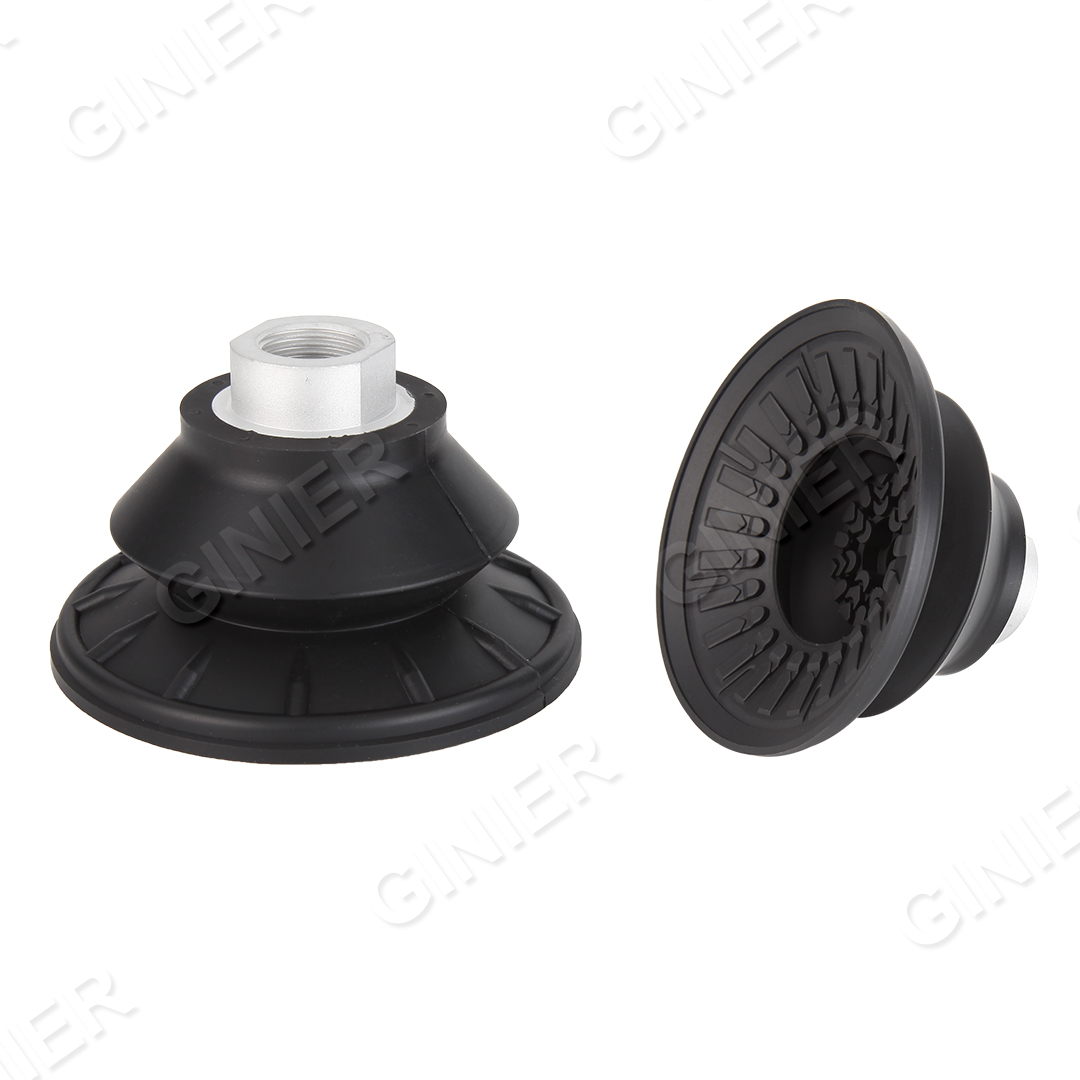
Vacuum handling systems integrate effortlessly into existing production environments, whether you operate legacy assembly lines or cutting-edge robotic manufacturing cells. The modularity of vacuum handling systems enables quick installation without extensive infrastructure modifications or costly production shutdowns. Multiple cup configurations and adapter plates allow vacuum handling systems to handle diverse product geometries, eliminating the need for specialized equipment for different production runs. Implementation of vacuum handling systems typically requires minimal training for operators and maintenance personnel, accelerating your path to productive operations. The interchangeability of components within vacuum handling systems platforms reduces spare parts inventory requirements while ensuring rapid repairs when needed. Integration APIs available on advanced vacuum handling systems allow connection to factory management software and production monitoring systems. Businesses appreciate how vacuum handling systems adapt to production changes, supporting business growth without requiring wholesale equipment replacement or significant capital reinvestment in new infrastructure solutions.