Vacuum End Effector | Precision Robotic Handling

application/Vacuum-end-effector, application/Vacuum-end-effector, 
Inquiry
Inquiry

Vacuum end effector

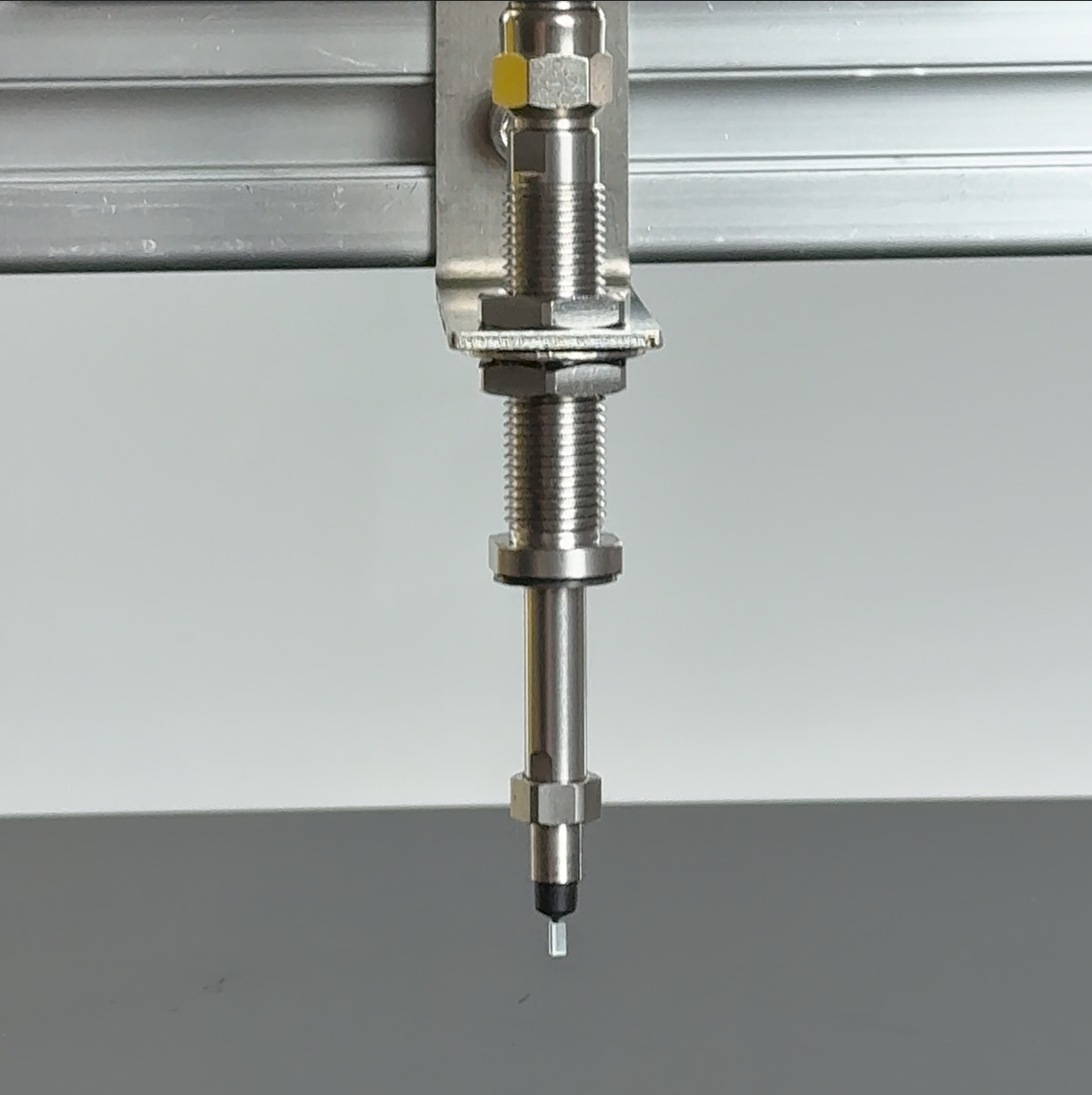
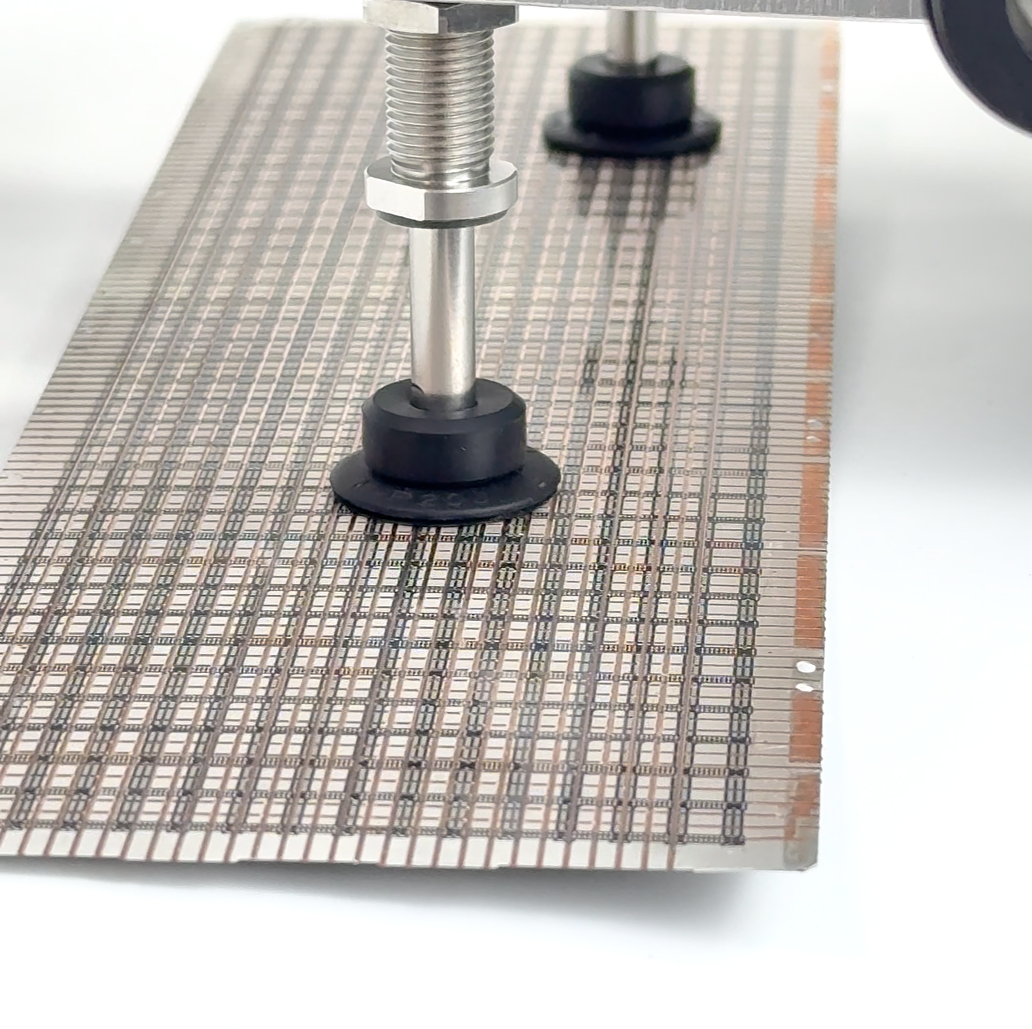
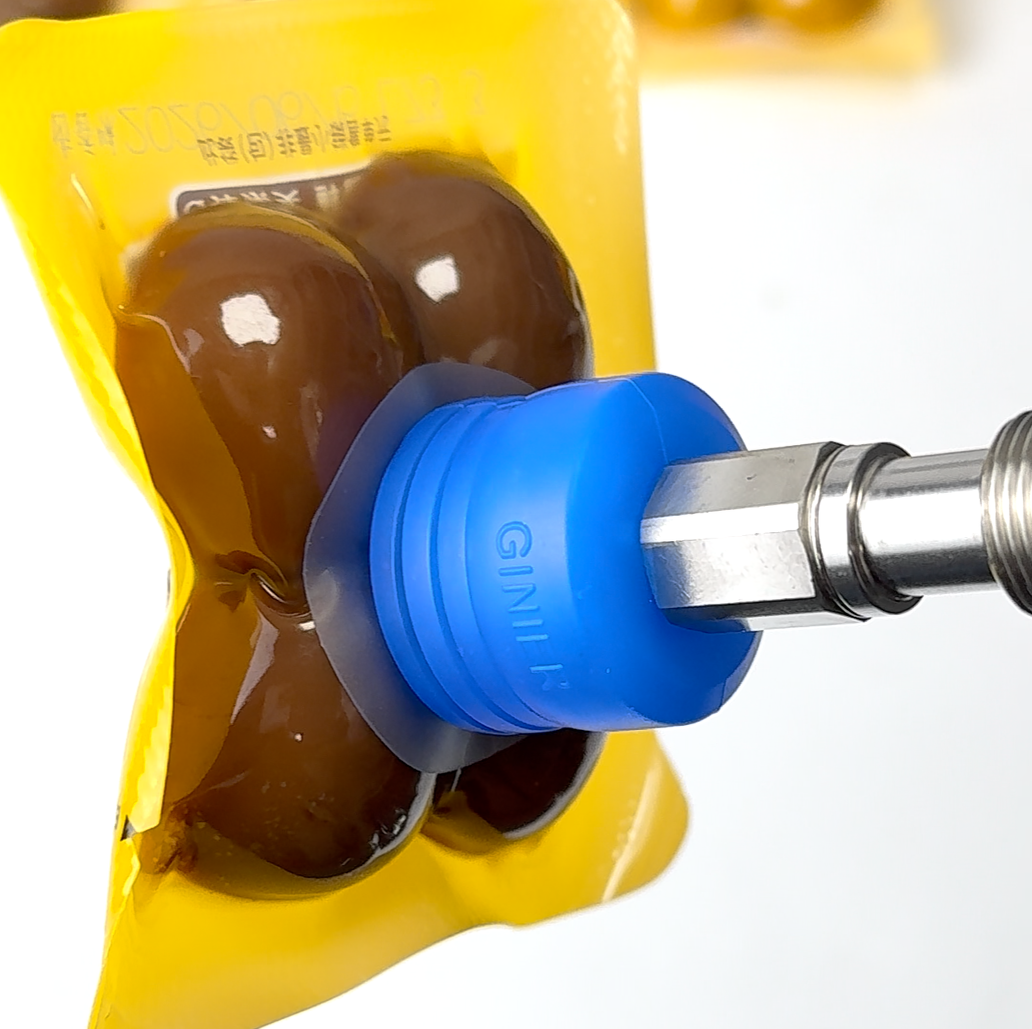
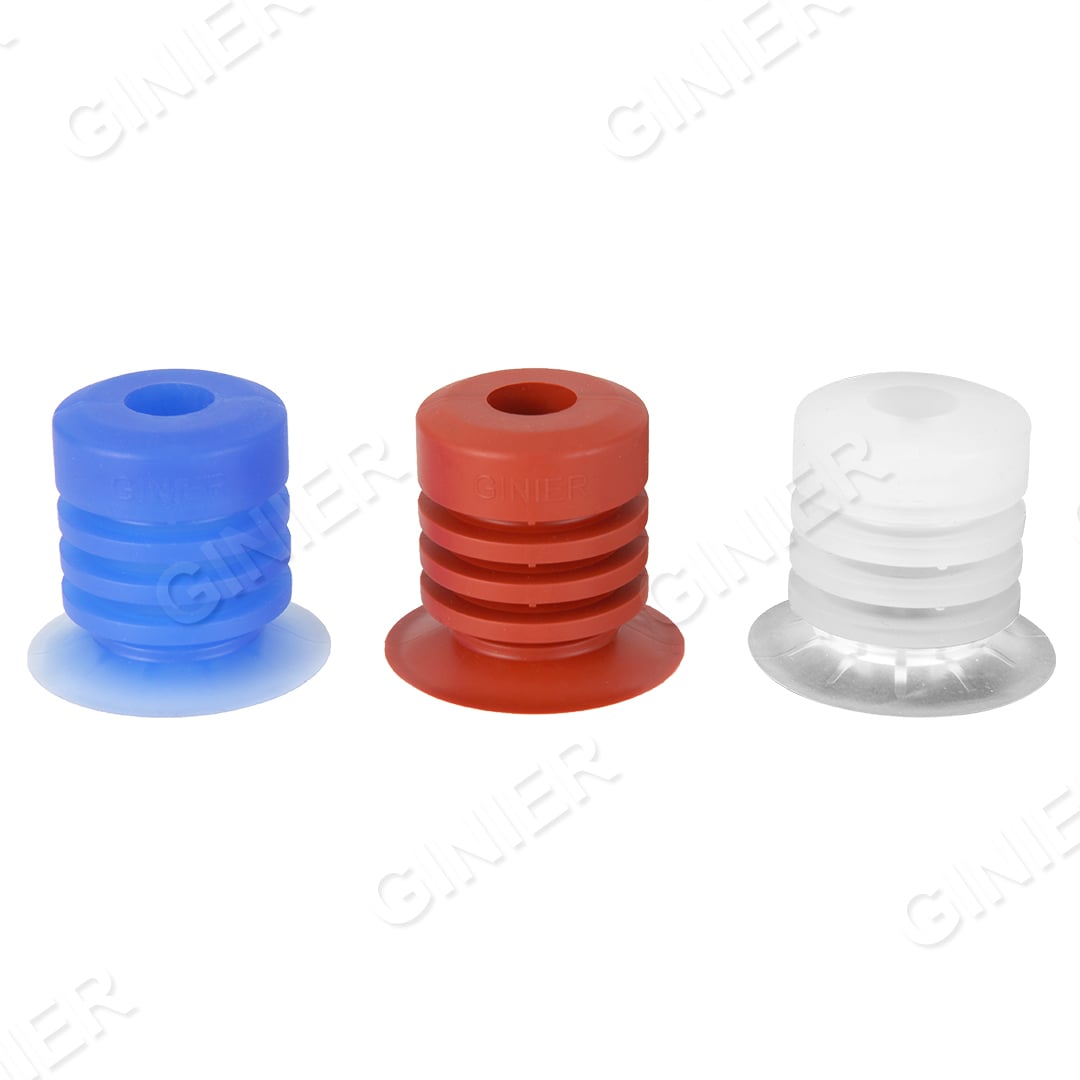
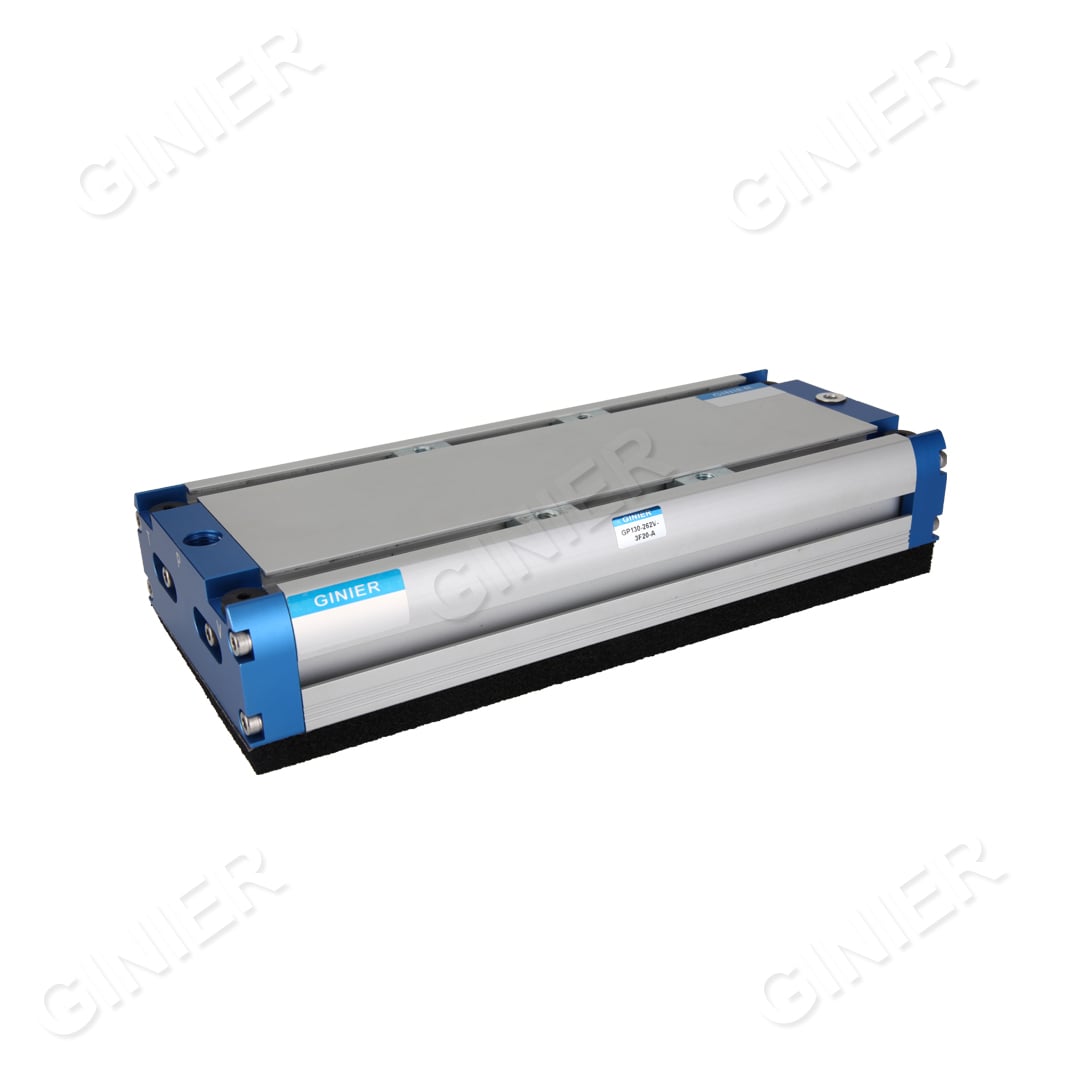
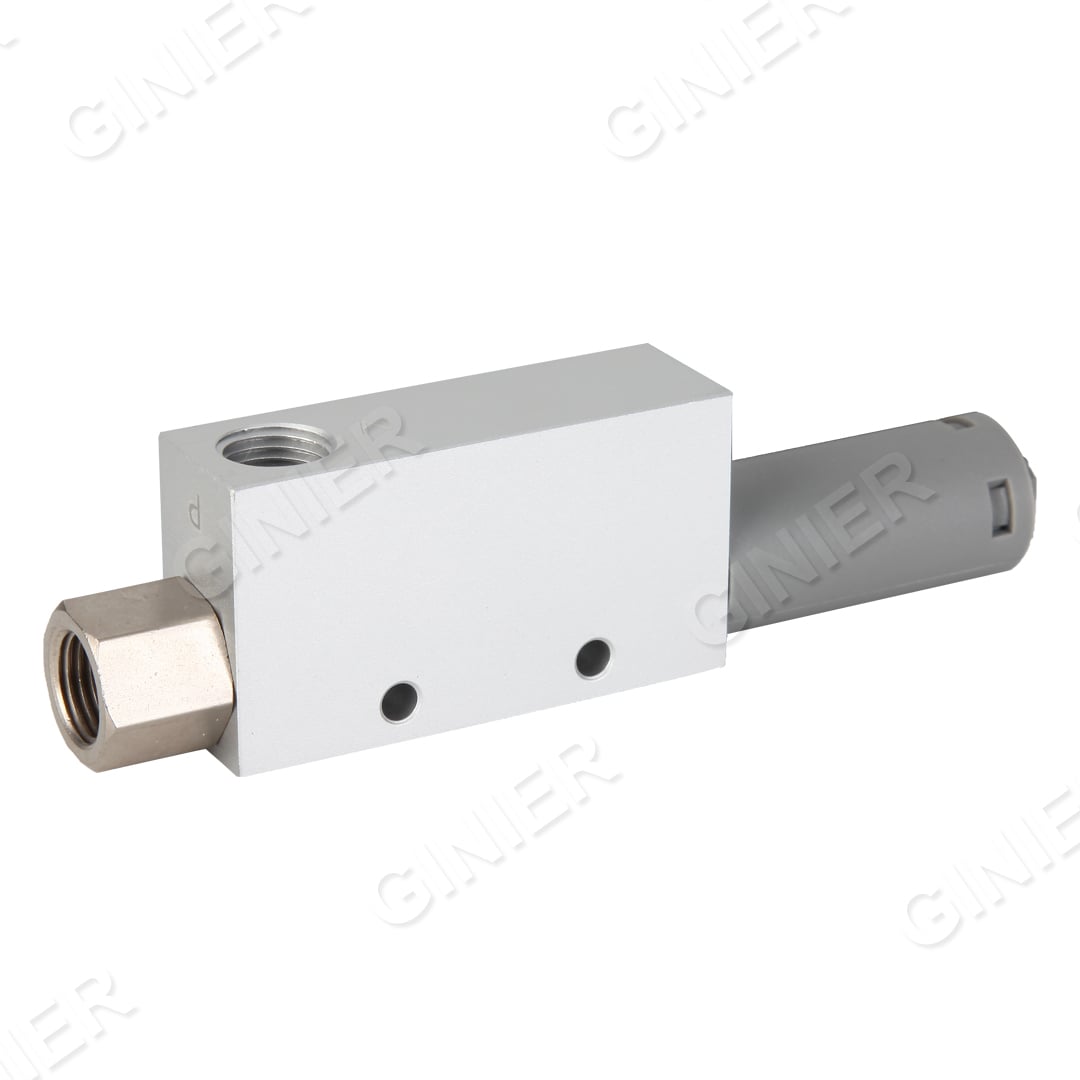
A vacuum end effector is a sophisticated robotic attachment designed to handle and manipulate objects using suction technology. This advanced vacuum end effector operates by generating controlled pressure differentials that securely grip items without direct contact, making it an essential component in modern automation systems. The vacuum end effector functions through integrated suction cups or pads that create adhesive forces, allowing robots to lift, move, and position materials with precision across diverse industrial environments. The technological features of a vacuum end effector include multiple suction zones, real-time pressure monitoring, and intelligent control systems. These systems ensure that the vacuum end effector maintains optimal gripping force while adapting to varying object surfaces and weights. Advanced sensors integrated into the vacuum end effector provide feedback about grip stability, enabling automated adjustments during operation. The vacuum end effector typically incorporates rapid response mechanisms that allow quick engagement and release cycles. Applications for a vacuum end effector span numerous industries, including automotive manufacturing, electronics assembly, food processing, and logistics. In automotive production, the vacuum end effector handles sheet metals and composite panels. In electronics, it manages delicate components with precision. Food industries benefit from hygienic vacuum end effector designs that meet stringent safety standards. The vacuum end effector proves invaluable in packaging operations where speed and consistency matter. Its versatility makes the vacuum end effector an indispensable tool for companies seeking to enhance productivity and reduce labor costs while maintaining product quality.

The vacuum end effector delivers exceptional operational benefits that transform manufacturing and assembly processes. By implementing a vacuum end effector, companies achieve significant improvements in handling speed and accuracy. The vacuum end effector eliminates the need for mechanical grippers, reducing maintenance requirements and extending equipment lifespan. Operating a vacuum end effector requires minimal training, allowing rapid deployment across production lines. From a practical standpoint, the vacuum end effector excels at handling fragile items that traditional mechanical systems might damage. The vacuum end effector creates uniform pressure distribution, protecting sensitive materials throughout the handling process. This protective capability makes the vacuum end effector ideal for industries processing delicate components. Companies implementing a vacuum end effector experience reduced product damage and lower replacement costs. The vacuum end effector offers substantial cost advantages through reduced energy consumption and simplified maintenance. Unlike mechanical alternatives, the vacuum end effector operates quietly and generates minimal vibration, creating safer working environments. Installation of a vacuum end effector integrates seamlessly with existing robotic platforms, minimizing downtime during implementation. The vacuum end effector adapts quickly to production changes, accommodating different object sizes and shapes without major reconfiguration. Decision-making becomes clearer when evaluating a vacuum end effector's performance metrics. The vacuum end effector demonstrates superior handling versatility compared to traditional methods, supporting various material types including plastics, metals, glass, and composites. Real-time monitoring capabilities integrated into the vacuum end effector provide immediate feedback about operational status. Companies selecting a vacuum end effector gain competitive advantages through faster cycle times and improved consistency. The vacuum end effector represents a forward-thinking investment in automation technology that delivers measurable returns on investment.

Practical Tips

Meet GINIER | 2026 South China International Industry Fair

04

Aug

Meet GINIER | 2026 South China International Industry Fair

View More
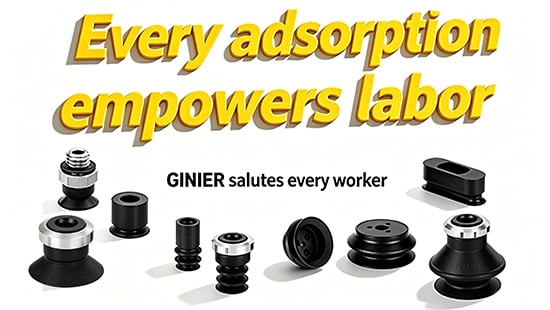
GINIER Wishes All Workers a Happy Labour Day

04

Aug

GINIER Wishes All Workers a Happy Labour Day

View More
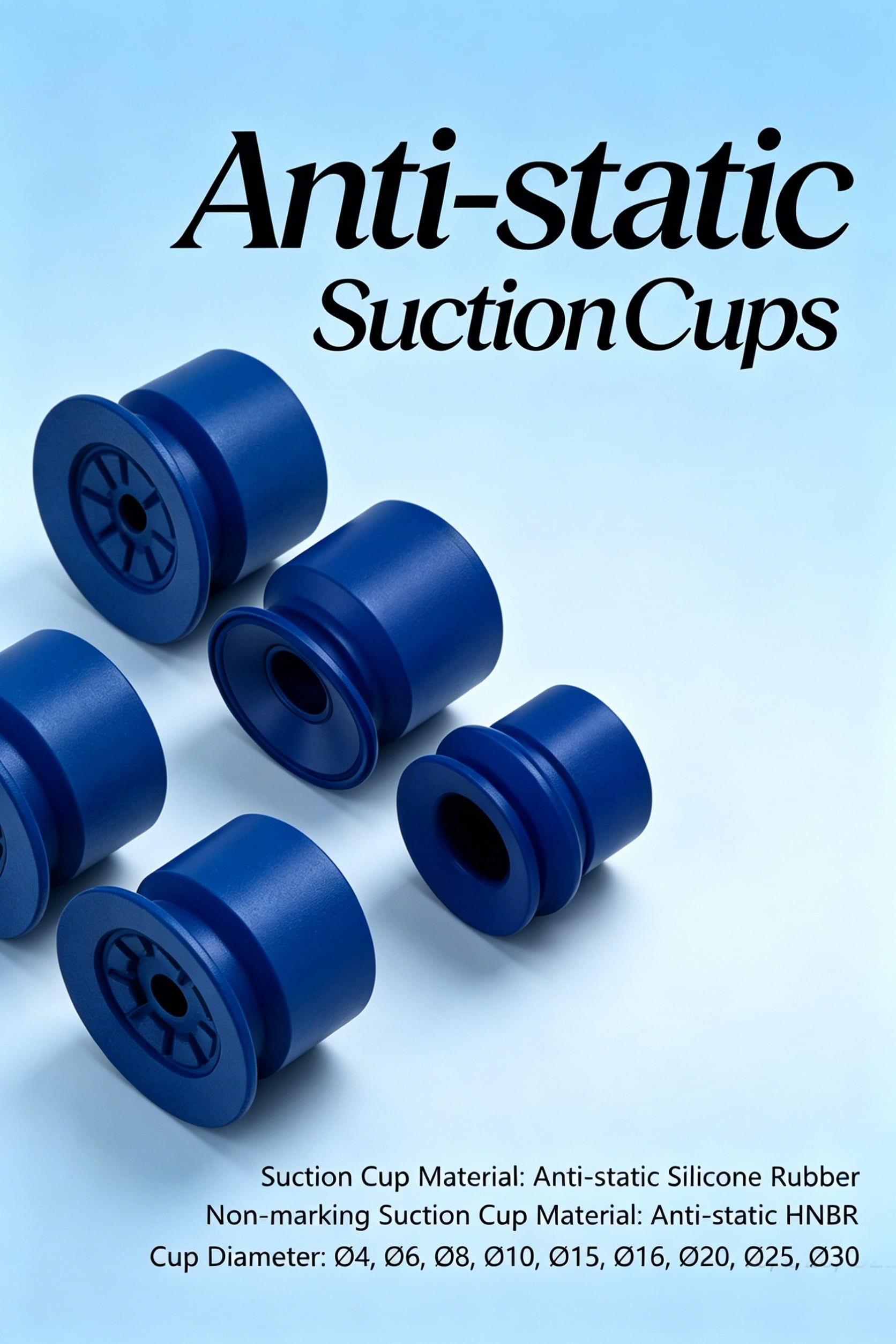
GINIER New HBUE Anti-static Suction Cups Launched

04

Aug

GINIER New HBUE Anti-static Suction Cups Launched

View More
Precision Handling Without Damage

Precision Handling Without Damage

The vacuum end effector revolutionizes how delicate and sensitive items are transported through production environments. Unlike mechanical grippers that apply concentrated pressure points, the vacuum end effector distributes gripping force evenly across entire object surfaces. This uniform pressure distribution prevents surface scratches, dents, and deformations that commonly occur with traditional handling methods. The vacuum end effector excels in protecting high-value items where even microscopic damage translates to financial losses. Industries processing electronics, pharmaceuticals, and luxury goods find the vacuum end effector indispensable for maintaining product integrity. The technology behind the vacuum end effector enables handling of unusually shaped or fragile items that would otherwise require manual processing. Companies deploying a vacuum end effector in their facilities report dramatically reduced defect rates and waste levels. The vacuum end effector's adaptive grip technology automatically adjusts pressure based on material density and surface texture, ensuring optimal protection throughout handling operations. This advanced capability makes the vacuum end effector the preferred choice for quality-conscious manufacturers.
Seamless Integration and Easy Deployment

Seamless Integration and Easy Deployment

Installing a vacuum end effector into existing automated systems requires minimal modifications to current infrastructure. The vacuum end effector connects directly to standard robotic arms, collaborative robots, and automated conveyor systems without extensive reconfiguration. This straightforward integration capability means companies can deploy a vacuum end effector quickly, minimizing production downtime during implementation. The vacuum end effector features modular design components that allow customization for specific application requirements. Technical teams find the vacuum end effector intuitive to program and operate compared to more complex mechanical systems. The vacuum end effector's compatibility with mainstream automation platforms ensures long-term viability and ongoing technical support availability. Installation specialists can set up a vacuum end effector in hours rather than days, accelerating time-to-productivity. The vacuum end effector supports plug-and-play functionality that simplifies troubleshooting and maintenance procedures. Companies benefit from the vacuum end effector's straightforward diagnostic systems that identify issues quickly, reducing service calls.
Cost-Effective Performance and Low Maintenance Requirements

Cost-Effective Performance and Low Maintenance Requirements

The vacuum end effector delivers exceptional value by reducing overall operational expenses significantly. Maintenance demands for a vacuum end effector are substantially lower than mechanical gripper systems, eliminating expensive component replacements. The vacuum end effector's energy-efficient operation consumes minimal power during idle periods, lowering facility electricity costs. Durable suction cup materials used in a vacuum end effector construction withstand thousands of cycles before requiring replacement. The vacuum end effector's simple mechanical design contains fewer components prone to failure compared to complex mechanical alternatives. When maintenance becomes necessary, a vacuum end effector requires minimal specialized tools and spare parts inventory. Training expenses decrease substantially because a vacuum end effector operates intuitively without complex calibration procedures. The vacuum end effector demonstrates remarkable reliability, maintaining consistent performance across extended operational periods. Companies investing in a vacuum end effector experience payback periods typically within six to twelve months through efficiency gains and maintenance savings.