Vacuum Handling Equipment Solutions

application/vacuum-handling-equipment, application/vacuum-handling-equipment, 
Inquiry
Inquiry

vacuum handling equipment

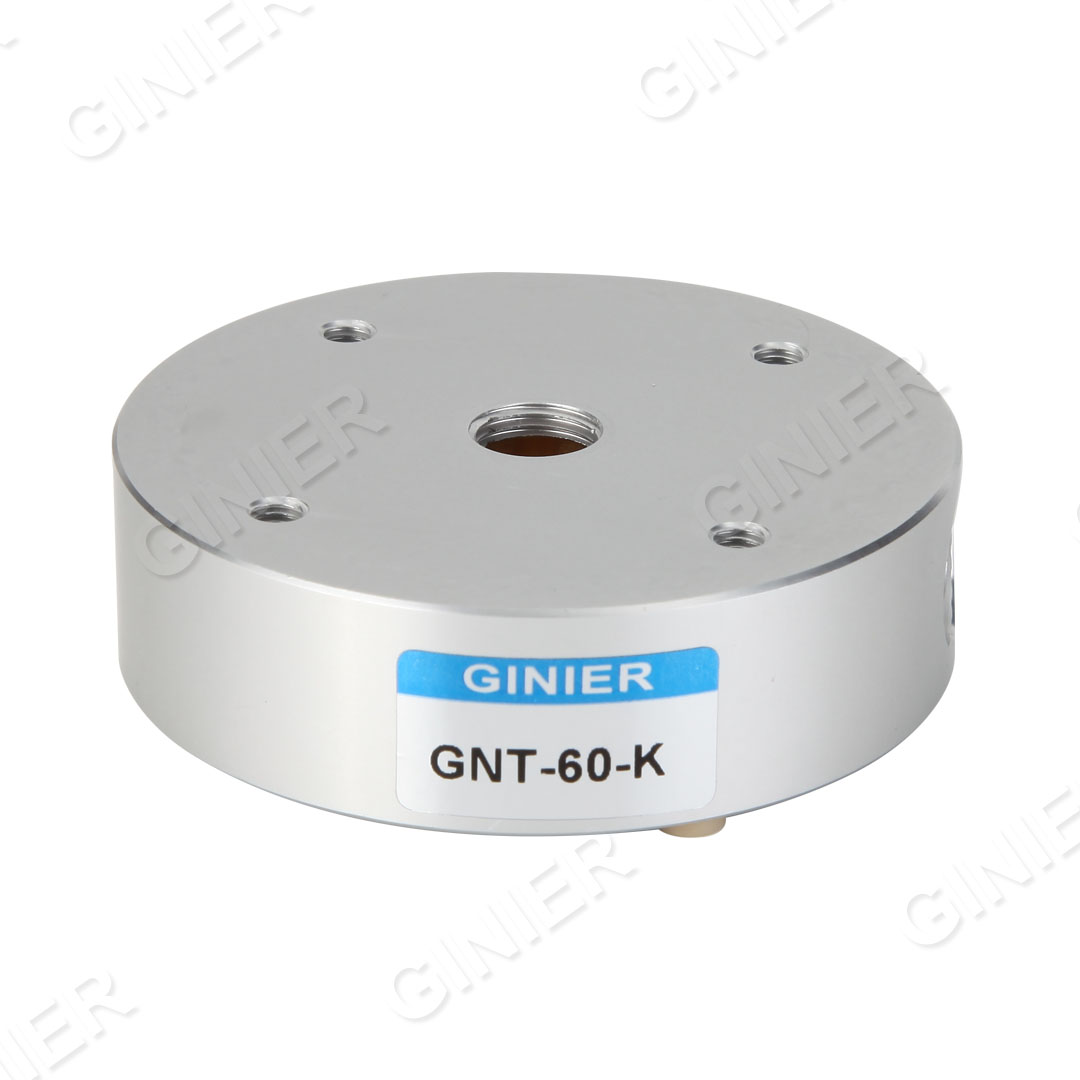
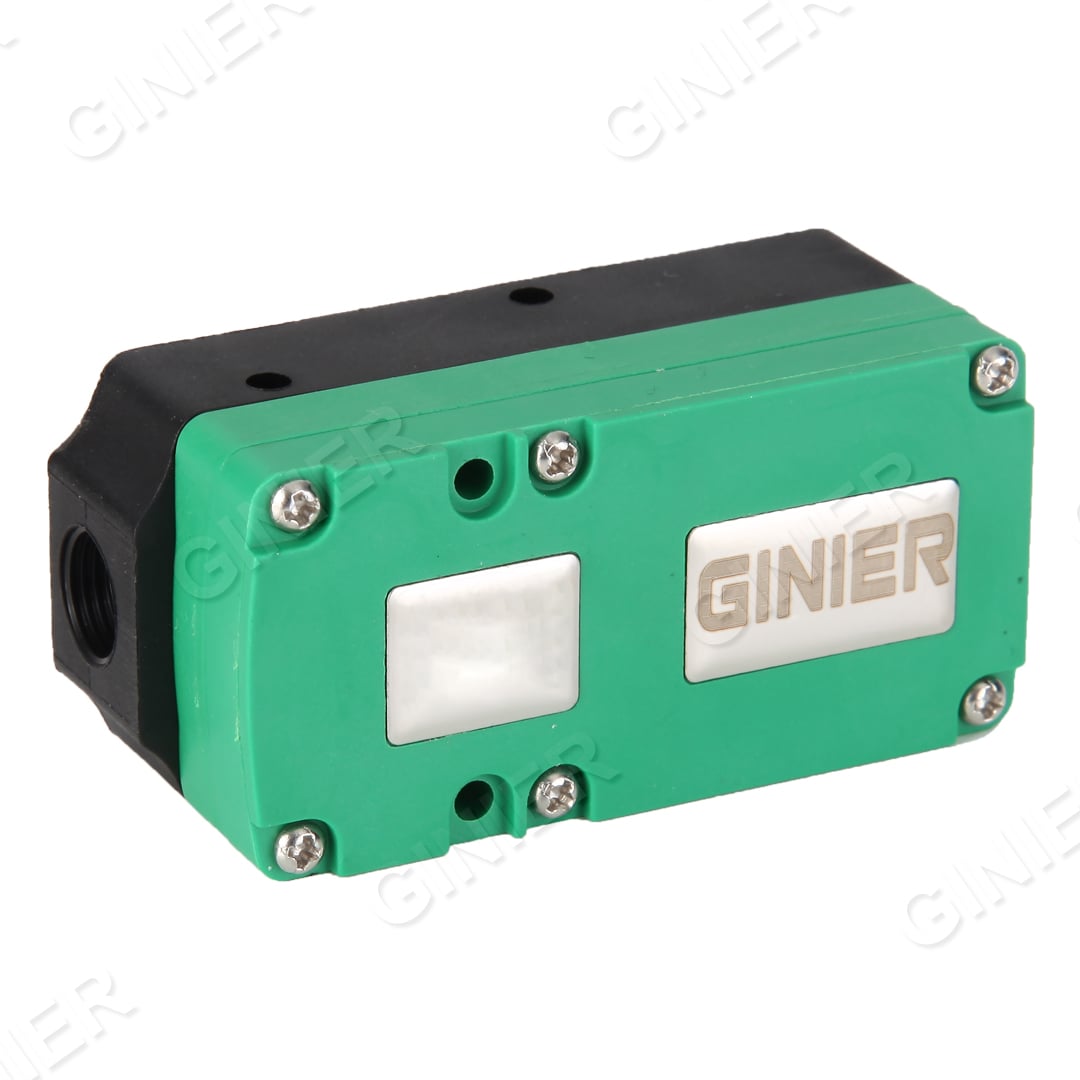
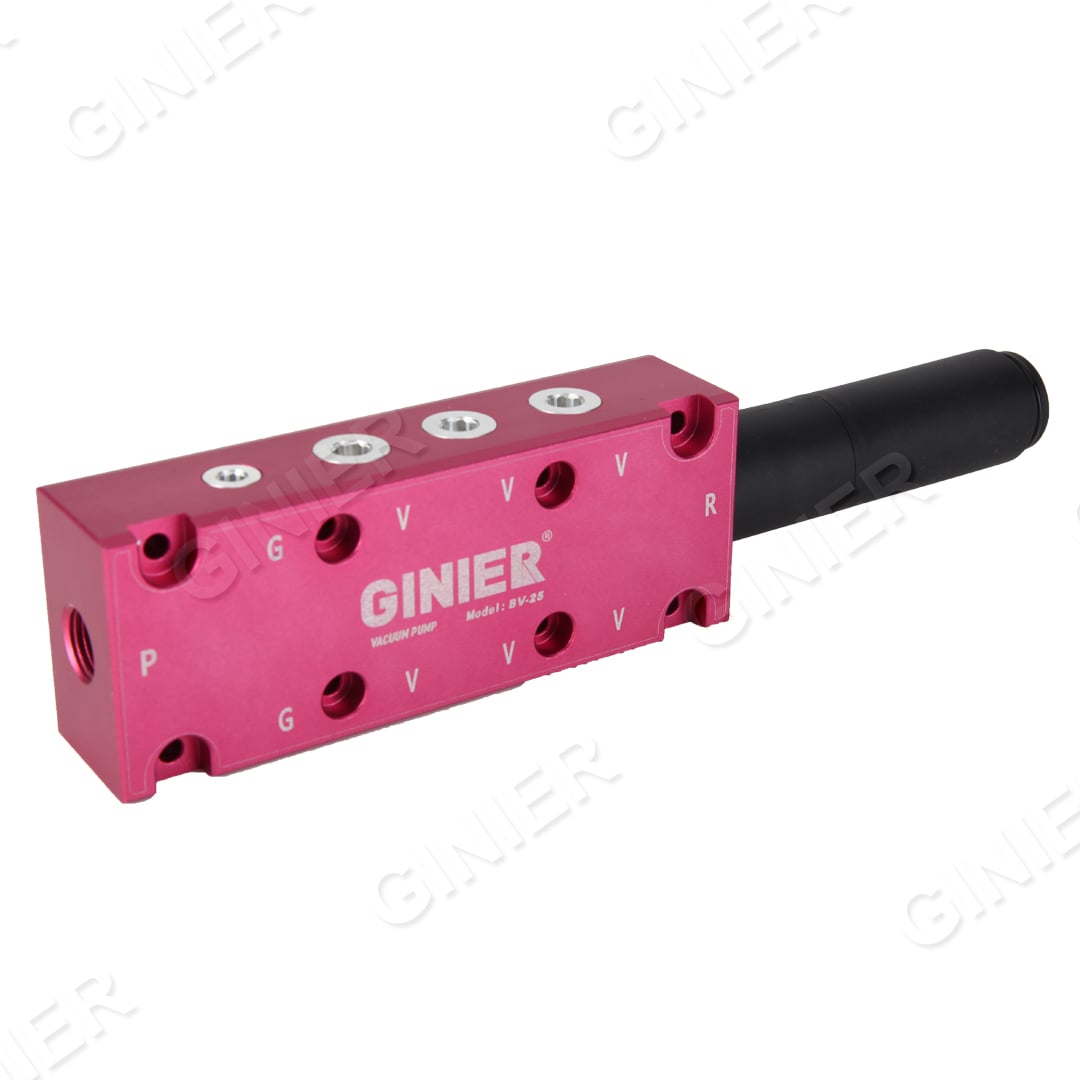
Vacuum handling equipment represents a sophisticated solution for managing materials across various industrial and commercial applications. This specialized equipment uses controlled suction technology to safely transport, lift, and position items without direct physical contact, making it an essential tool in modern manufacturing and logistics operations. The primary function of vacuum handling equipment is to create a secure grip on objects through vacuum pressure, enabling operators to move heavy, delicate, or awkwardly shaped items with precision and safety. Vacuum handling equipment incorporates advanced technological features including adjustable suction levels, quick-release mechanisms, and ergonomic designs that reduce operator fatigue while improving workflow efficiency. Key technological innovations in vacuum handling equipment include intelligent pressure sensors that automatically adjust suction force based on material density and surface characteristics. These systems feature durable construction with weather-resistant components, making vacuum handling equipment suitable for diverse environments ranging from clean rooms to outdoor construction sites. Applications for vacuum handling equipment span multiple industries. Manufacturing facilities utilize vacuum handling equipment for assembly line operations, material positioning, and quality control processes. The construction industry depends on vacuum handling equipment to transport glass panels, stone slabs, and prefabricated components safely. Warehousing and distribution centers employ vacuum handling equipment to streamline loading operations and reduce product damage. Food processing facilities benefit from specialized vacuum handling equipment designed with hygienic materials and easy-clean surfaces. Healthcare providers use vacuum handling equipment for patient care applications and equipment management, demonstrating the versatility and importance of this technology across sectors.

Vacuum handling equipment delivers substantial practical benefits that directly improve operational efficiency and workplace safety. The most significant advantage lies in risk reduction. By eliminating manual lifting and carrying, vacuum handling equipment substantially decreases workplace injuries, reducing compensation claims and improving employee retention rates. Workers experience less physical strain, resulting in higher productivity and better morale throughout your facility. Operational efficiency represents another compelling benefit of vacuum handling equipment. These systems accelerate material handling processes, reducing cycle times and enabling faster project completion. Vacuum handling equipment automates repetitive tasks, freeing skilled personnel to focus on higher-value activities that require human expertise and decision-making capabilities. Product protection stands as a critical advantage of vacuum handling equipment. Unlike conventional handling methods that risk scratches, dents, or breakage, vacuum handling equipment maintains precise contact across designated suction points, protecting product integrity and reducing waste costs significantly. This capability proves invaluable when handling premium materials or finished goods where damage directly impacts profitability. Cost savings from implementing vacuum handling equipment extend beyond obvious labor reductions. Organizations experience decreased material loss, lower insurance premiums due to improved safety records, and reduced equipment maintenance needs. The versatility of vacuum handling equipment means a single system handles multiple applications, maximizing return on investment. Scalability and flexibility represent additional advantages. Vacuum handling equipment adapts to changing production requirements without extensive modifications. Whether handling lightweight components or heavy loads, adjustable vacuum handling equipment accommodates diverse material types and sizes, making it a future-proof solution for growing businesses navigating changing market demands.

Latest News

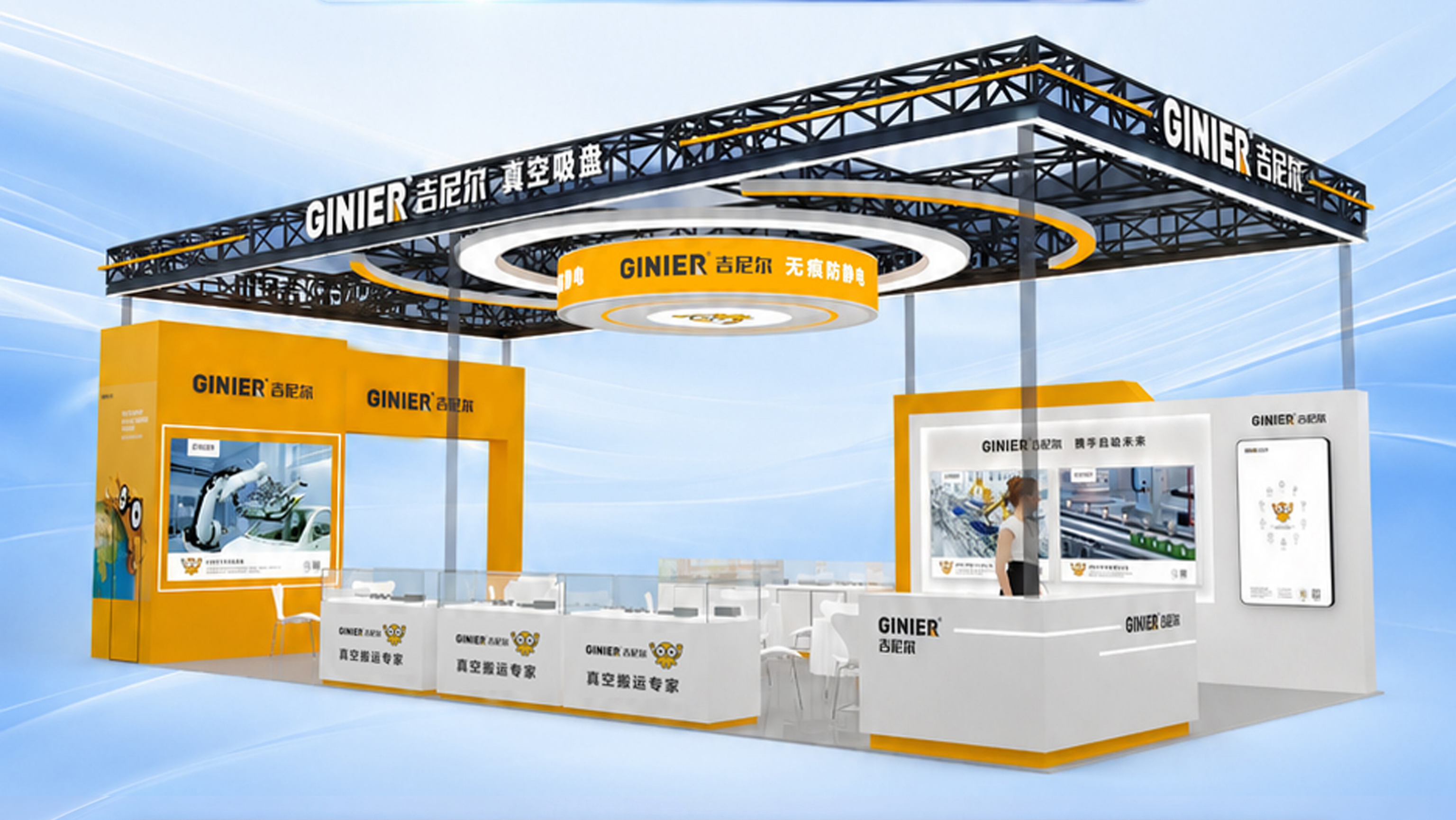
Meet GINIER | 2026 South China International Industry Fair

04

Aug

Meet GINIER | 2026 South China International Industry Fair

View More
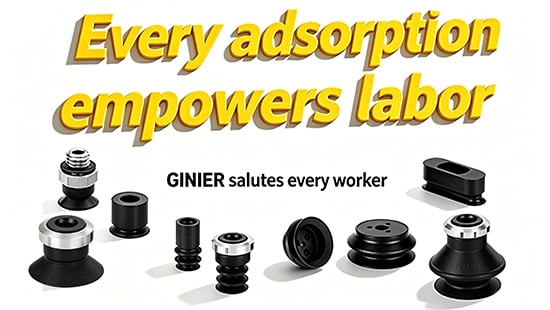
GINIER Wishes All Workers a Happy Labour Day

04

Aug

GINIER Wishes All Workers a Happy Labour Day

View More
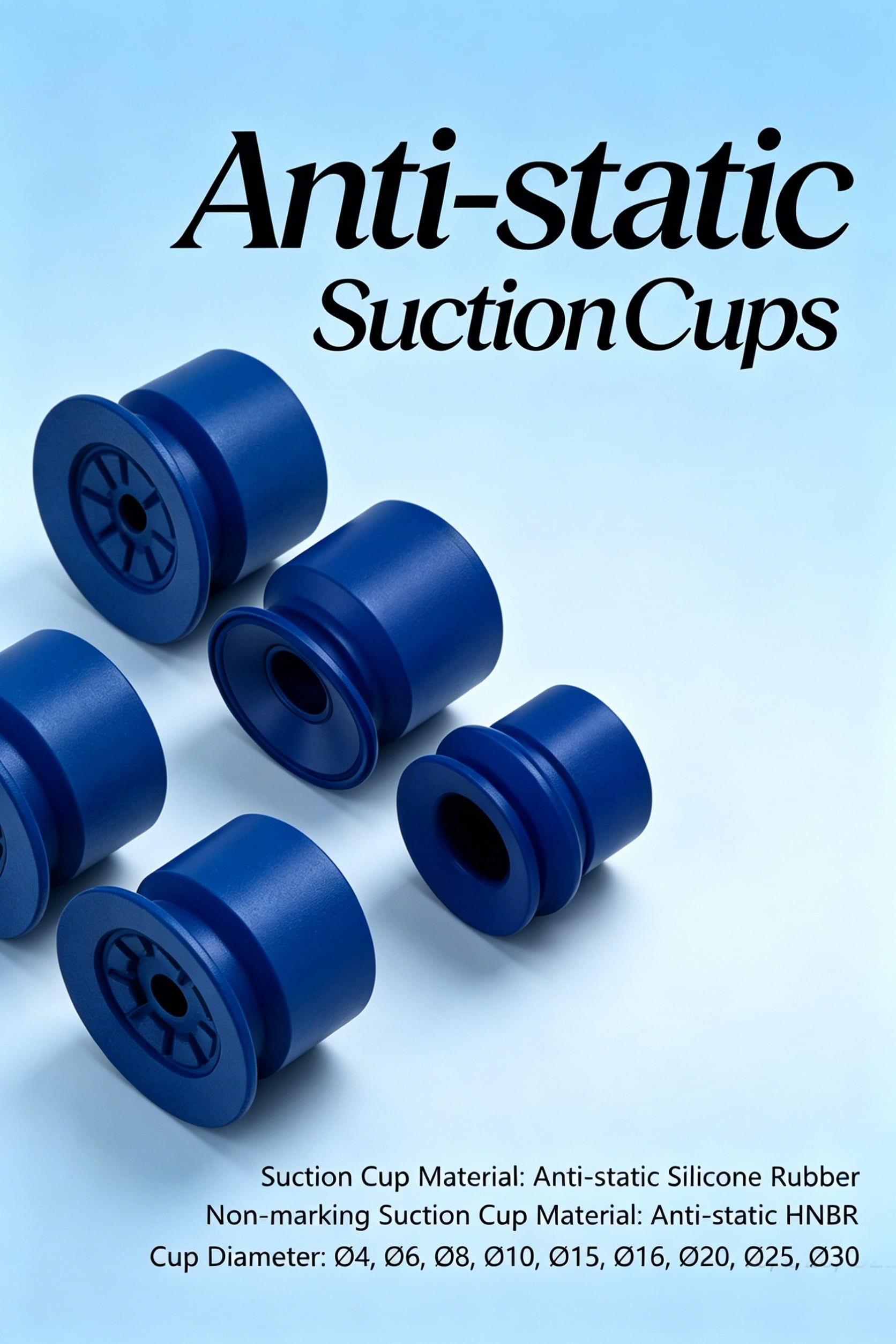
GINIER New HBUE Anti-static Suction Cups Launched

04

Aug

GINIER New HBUE Anti-static Suction Cups Launched

View More
Precision Grip Technology with Adjustable Suction Control

Precision Grip Technology with Adjustable Suction Control

Modern vacuum handling equipment incorporates sophisticated pressure regulation systems that intelligently adjust suction force in real-time. This precision grip technology ensures optimal holding power regardless of material surface texture, weight distribution, or environmental conditions. The adjustable suction control feature prevents product damage by applying exactly the right pressure needed for secure handling without crushing delicate items. Vacuum handling equipment with adaptive suction technology protects premium materials while maintaining operational speed. Operators can quickly configure settings for different applications, switching between lightweight packaging materials and heavy industrial components within seconds. This responsive vacuum handling equipment technology eliminates guesswork, ensuring consistent results across every cycle. The intelligent sensor systems integrated into advanced vacuum handling equipment continuously monitor grip security, alerting operators to any anomalies before problems develop, making it an indispensable investment for quality-conscious organizations.
Enhanced Workplace Safety and Ergonomic Design

Enhanced Workplace Safety and Ergonomic Design

Workplace safety improvements rank among the most compelling reasons organizations invest in vacuum handling equipment. By automating dangerous lifting operations, this vacuum handling equipment significantly reduces musculoskeletal injuries, repetitive strain conditions, and accidents associated with manual material handling. Employees experience fewer work-related injuries, translating to lower healthcare costs and improved worker satisfaction. The ergonomic design of modern vacuum handling equipment prioritizes operator comfort during extended shifts. Lightweight handles, balanced weight distribution, and intuitive controls reduce physical fatigue while maintaining operational precision. Professional-grade vacuum handling equipment incorporates safety features including emergency release mechanisms, pressure monitoring displays, and fail-safe systems that prevent accidental drops. Organizations implementing vacuum handling equipment often report dramatic improvements in safety metrics, employee morale, and productivity levels, while simultaneously reducing workers' compensation insurance premiums and creating a more positive workplace culture.
Versatility Across Multiple Industries and Applications

Versatility Across Multiple Industries and Applications

Premium vacuum handling equipment demonstrates exceptional versatility across diverse industrial sectors and applications. This adaptability makes vacuum handling equipment a cost-effective investment that handles multiple functions within single installations. Manufacturing facilities deploy vacuum handling equipment for component assembly, heavy machinery positioning, and quality inspection processes simultaneously. The construction industry leverages vacuum handling equipment for transporting glass facades, marble countertops, steel frames, and prefabricated panels with remarkable precision. Food processing operations utilize specialized vacuum handling equipment designed with food-grade materials for safe product handling. Warehousing and logistics centers employ vacuum handling equipment to accelerate loading operations while protecting merchandise. This cross-industry applicability means organizations maximize their investment by configuring vacuum handling equipment to support current operations while remaining flexible for future applications, ensuring long-term value and competitive advantage.