vacuum lifting systems
Vacuum lifting systems represent advanced material handling solutions designed to safely transport and position heavy loads with precision and efficiency. These innovative systems utilize controlled vacuum technology to create secure connections between lifting equipment and various object surfaces, eliminating the need for traditional mechanical fasteners or manual handling methods.
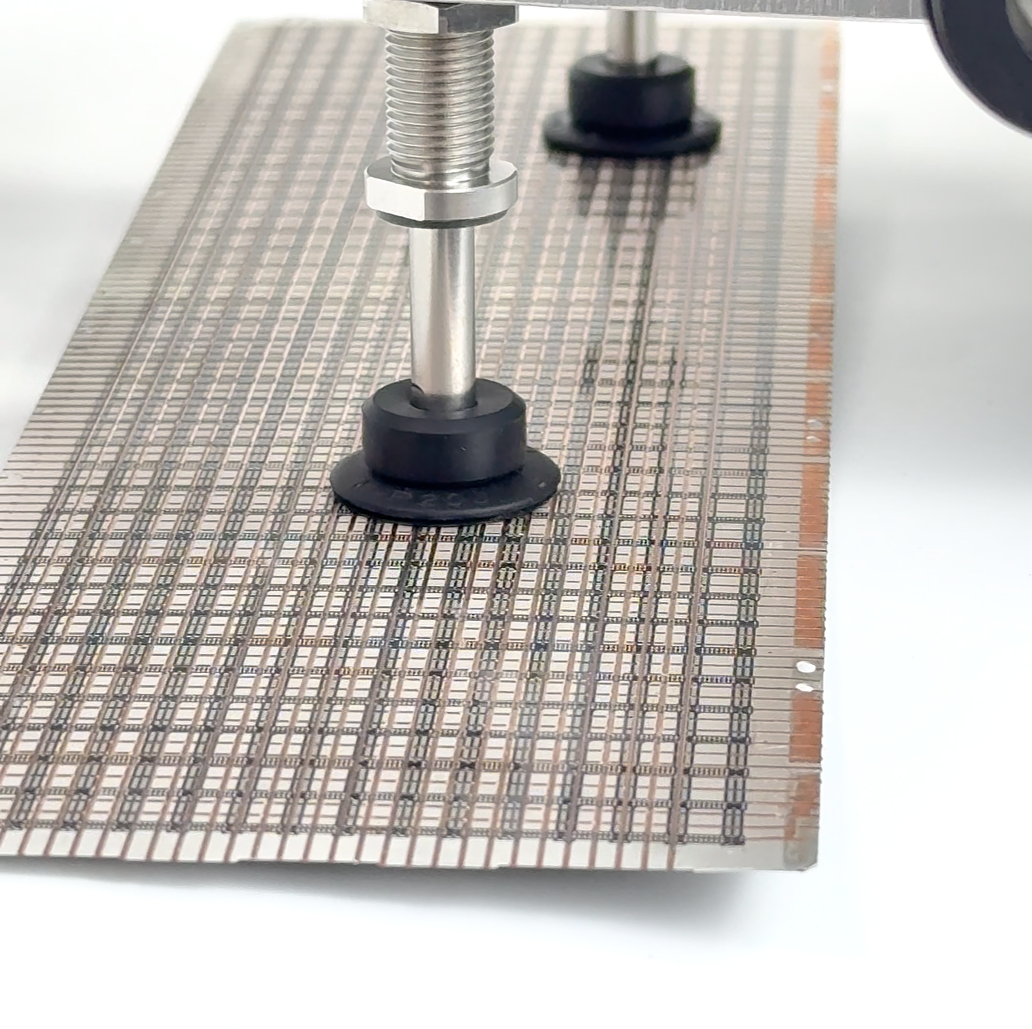
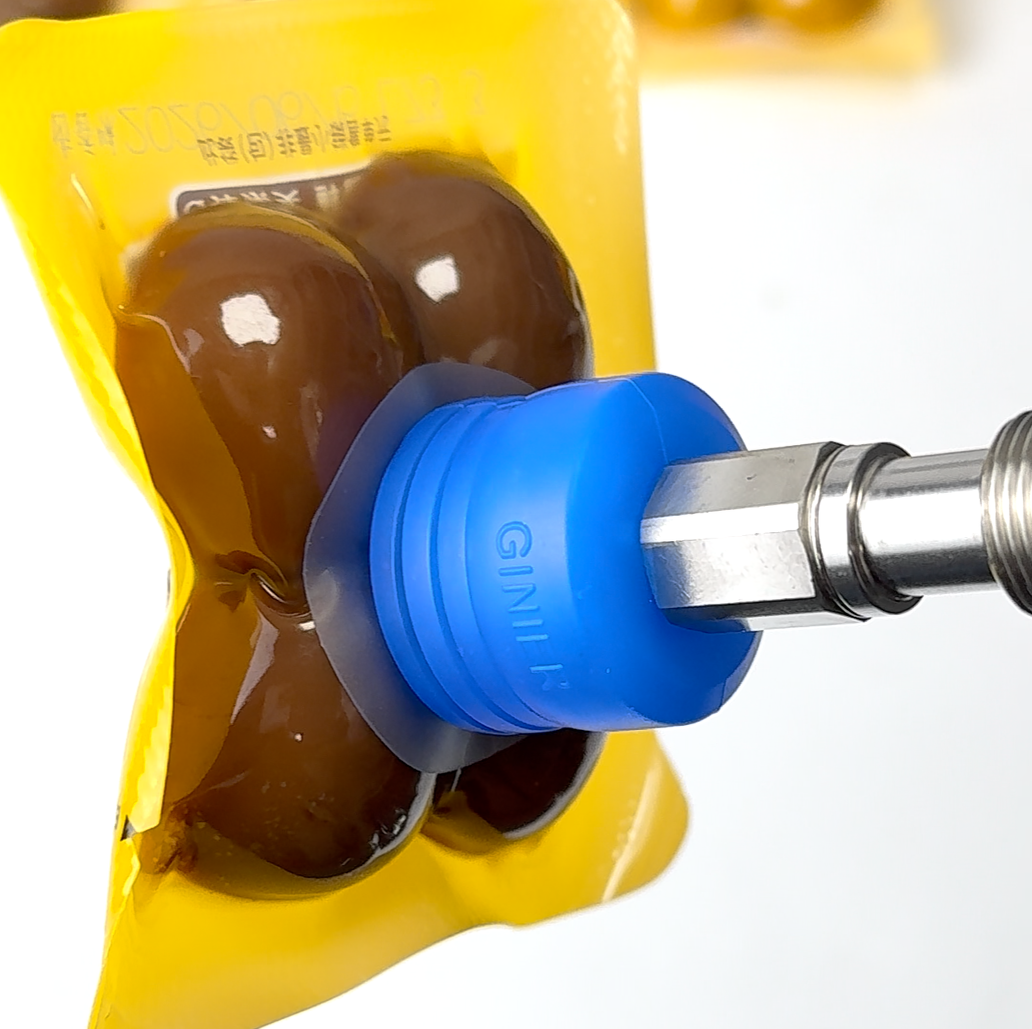
The primary function of vacuum lifting systems is to provide reliable load handling across diverse industrial environments. Whether managing delicate glass panels, metal sheets, stone materials, or composite products, vacuum lifting systems adapt to multiple applications with remarkable versatility. The technology works by generating negative pressure that firmly adheres lifting cups or pads to object surfaces, creating powerful adhesion forces that securely grip loads throughout the lifting process.
Key technological features distinguish modern vacuum lifting systems from conventional alternatives. Advanced pump mechanisms deliver consistent vacuum pressure while maintaining energy efficiency during extended operations. Intelligent safety sensors continuously monitor vacuum levels, automatically triggering alarms if pressure drops below critical thresholds. Multiple lifting points distribute load weight evenly, reducing stress on individual components and enhancing operational stability. Ergonomic design principles minimize operator strain while maximizing control and precision during placement operations.
Applications for vacuum lifting systems span numerous industries including manufacturing, construction, automotive, glass production, and logistics. These systems excel in environments requiring damage-free handling of high-value materials. From automotive assembly lines where precision placement matters to construction sites managing architectural glass installations, vacuum lifting systems deliver consistent performance. The technology enables safer working conditions by removing heavy manual lifting tasks while increasing productivity through faster, more reliable material movement and positioning throughout industrial facilities.

 EN