Vacuum Lifting System | Safe Handling

application/Vacuum-lifting-system, application/Vacuum-lifting-system, 
Inquiry
Inquiry

Vacuum lifting system

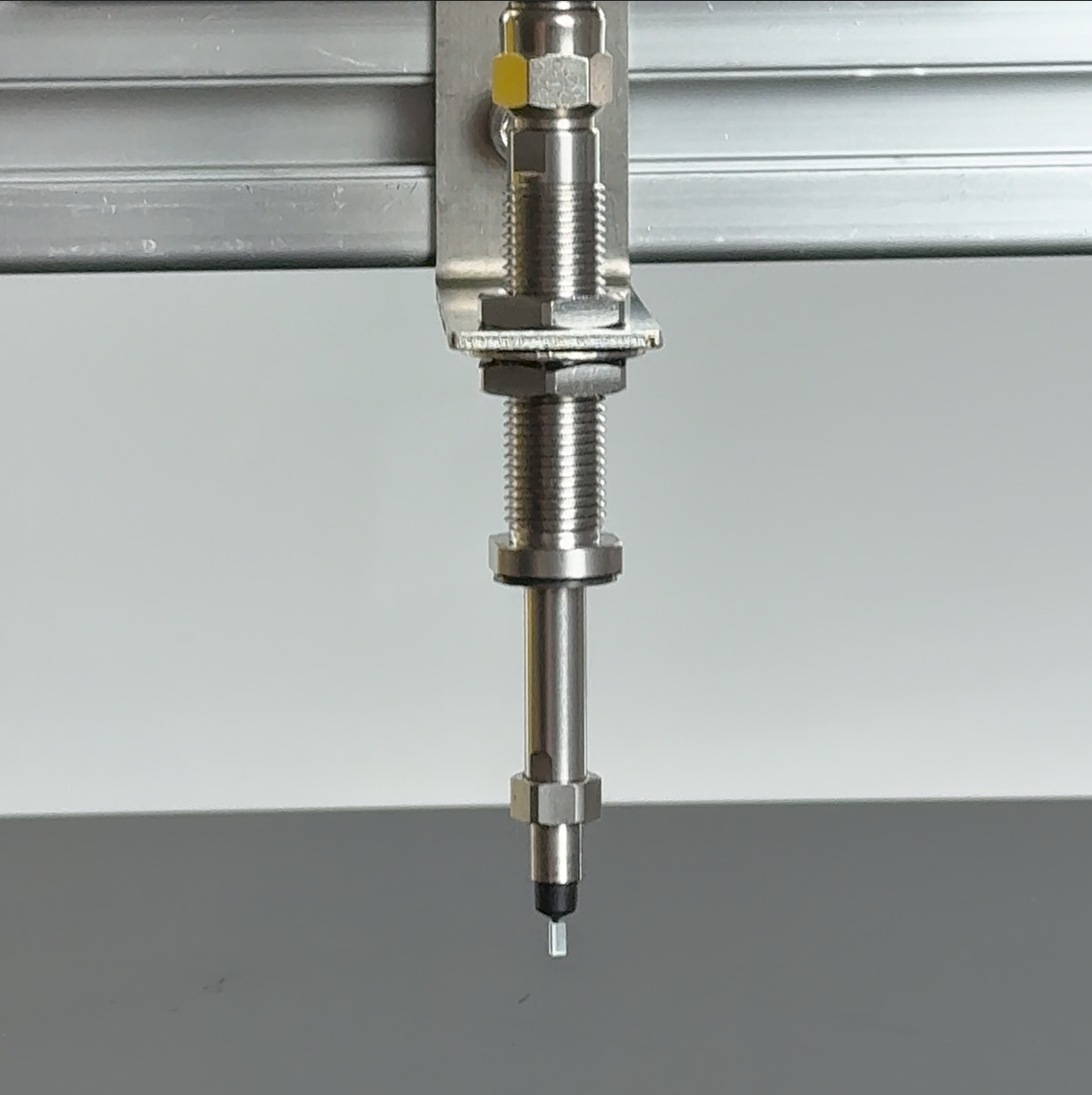
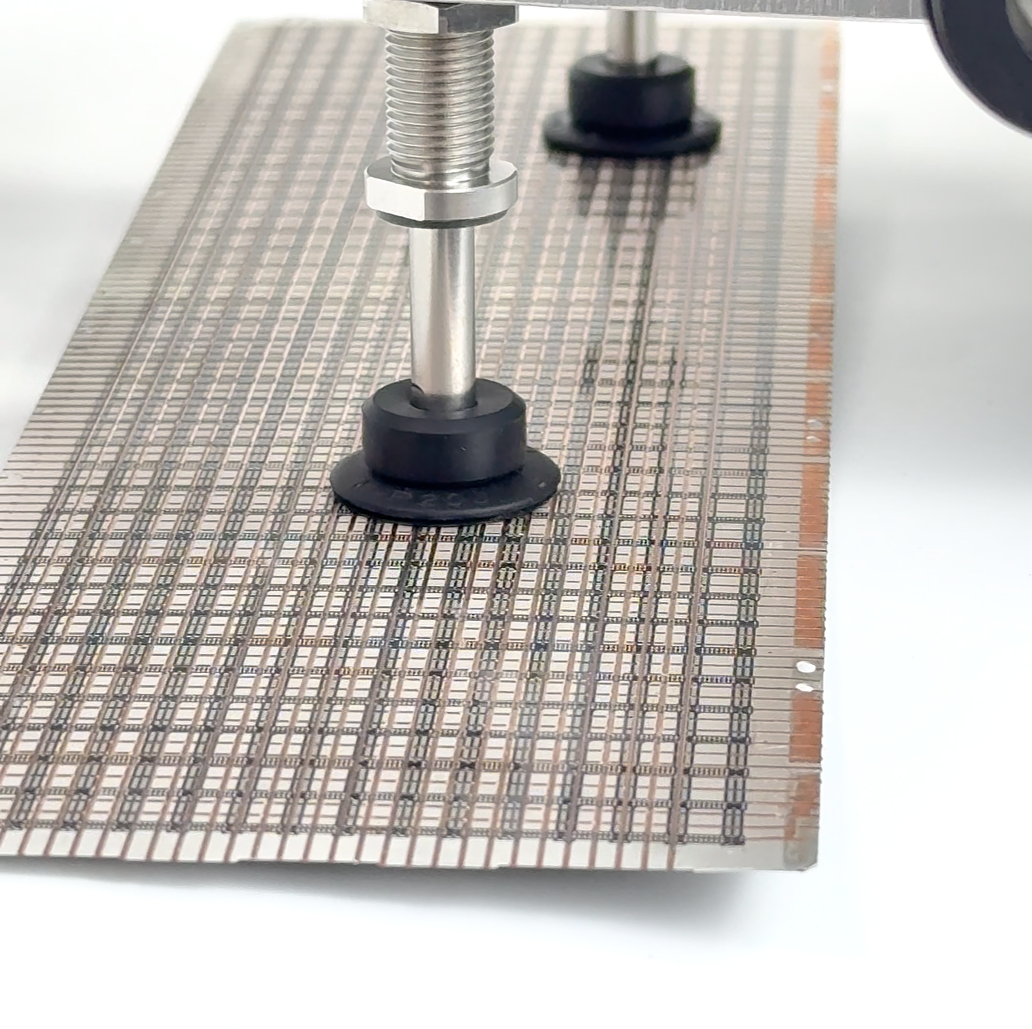
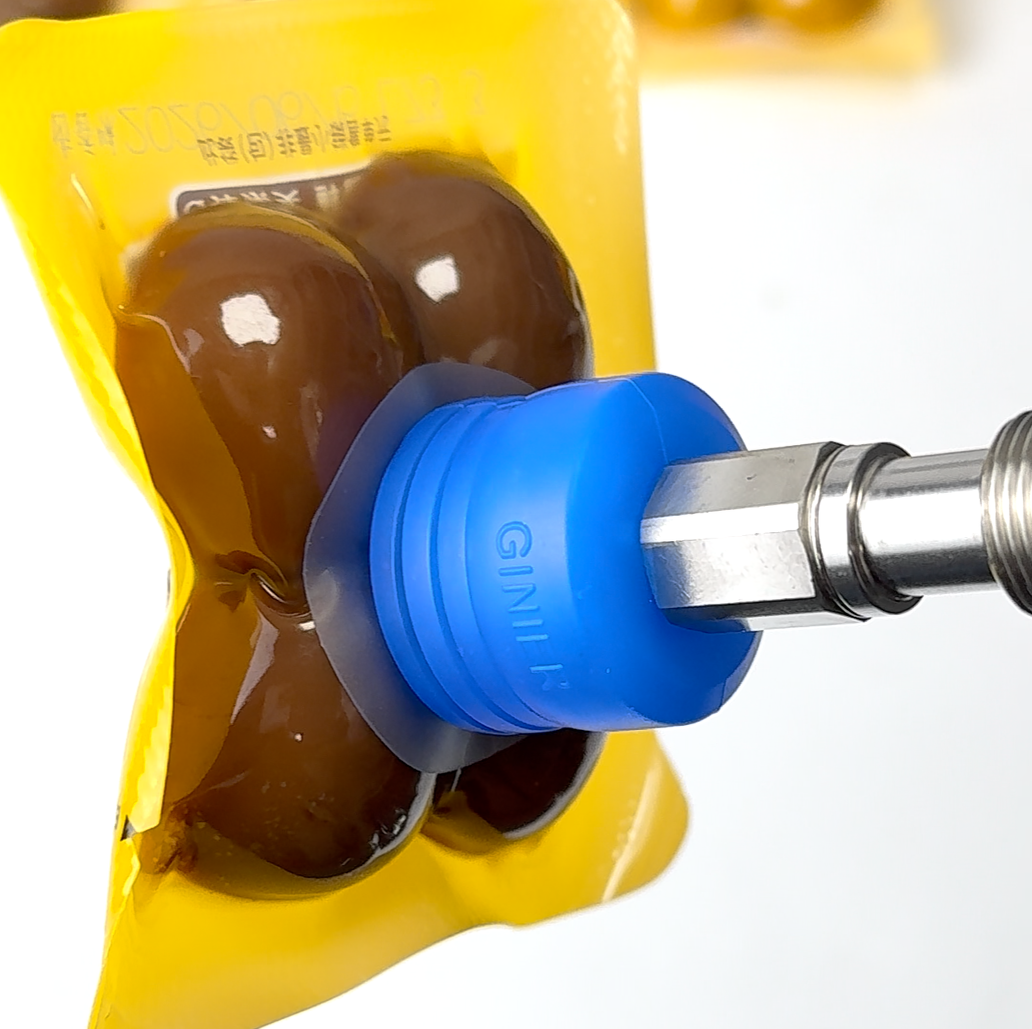
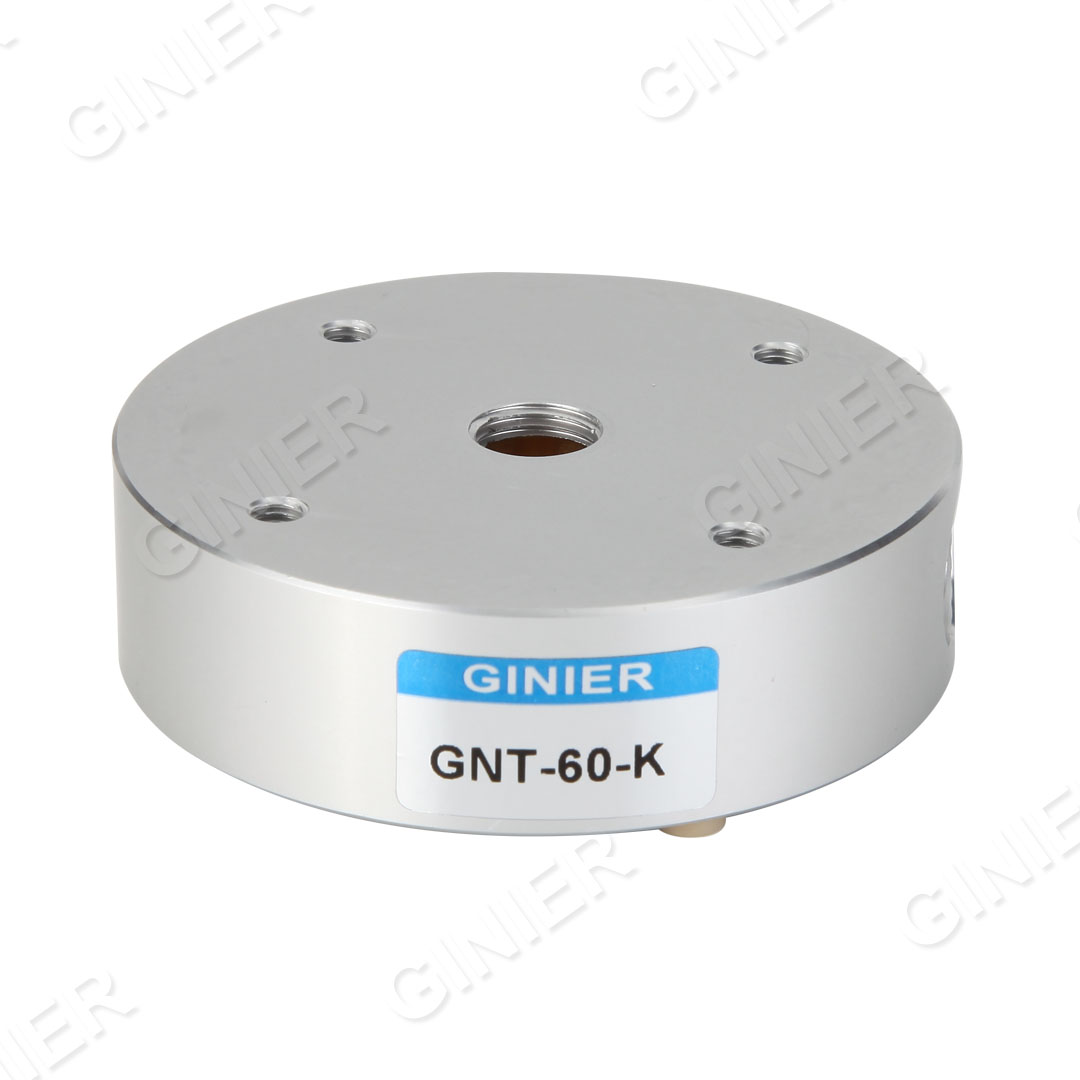
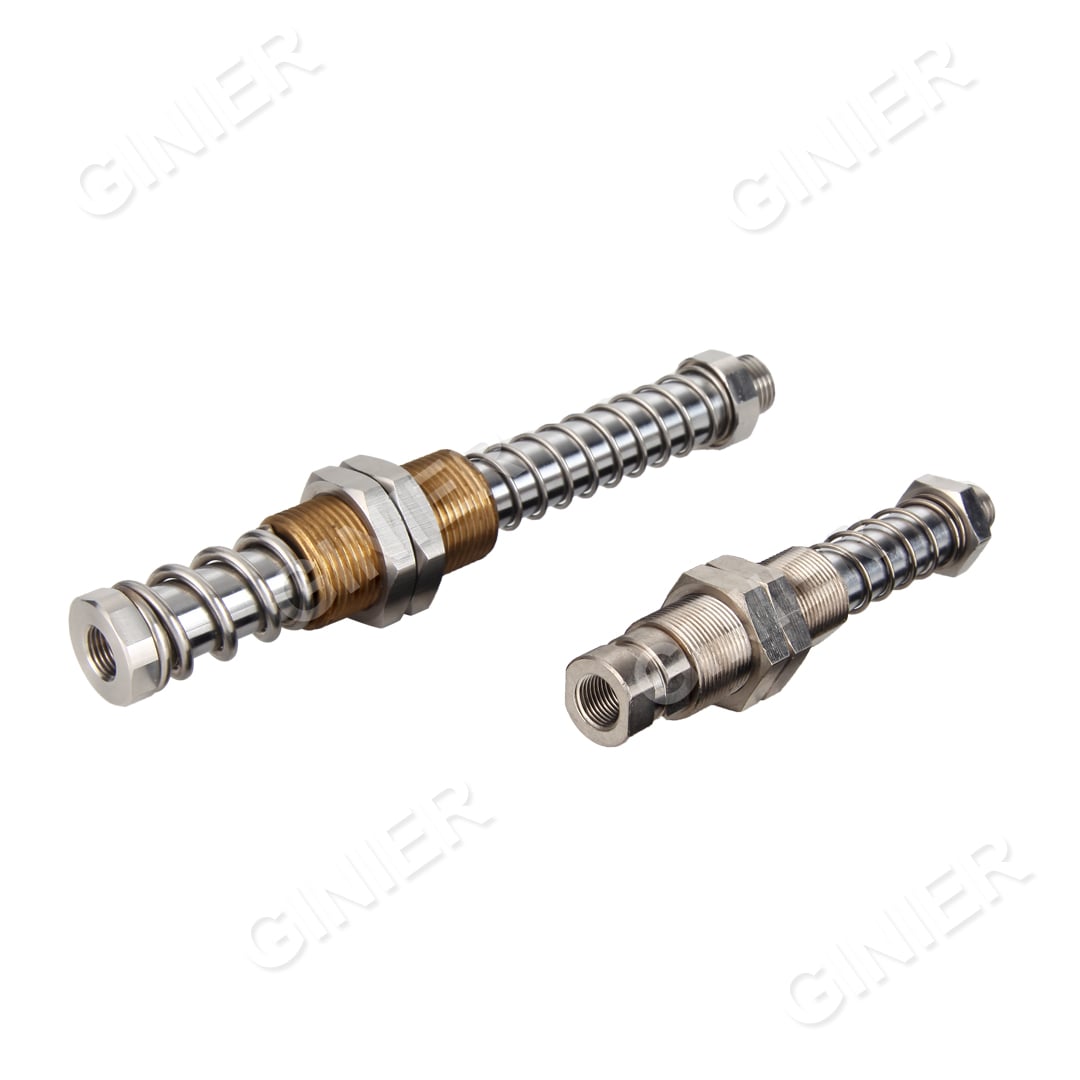
A vacuum lifting system is an advanced material handling solution that uses suction force to lift, move, and position objects safely and efficiently. This innovative technology operates by creating a vacuum between specially designed cups or pads and the surface of an object, generating powerful holding force without mechanical damage. The vacuum lifting system functions through negative pressure principles, where air is removed from enclosed spaces between the lifting cups and the load. This creates a pressure differential that holds objects securely during transport. The system includes components such as vacuum pumps, hoses, control valves, and specialized lifting cups tailored to different surface types and load weights. Key technological features of the vacuum lifting system include adjustable suction strength, real-time pressure monitoring, and automatic safety shutoff mechanisms. These features ensure reliable performance across various applications. The vacuum lifting system accommodates both smooth and textured surfaces through interchangeable cup designs. Applications span multiple industries where the vacuum lifting system proves invaluable. Manufacturing facilities use the vacuum lifting system for handling glass sheets, metal panels, and composite materials. The food processing industry employs this technology for gentle product handling. Construction sites benefit from the vacuum lifting system when positioning heavy architectural elements. Logistics operations utilize the vacuum lifting system for efficient warehouse management. The versatility of the vacuum lifting system makes it essential equipment for modern industrial operations.

The vacuum lifting system delivers substantial benefits that transform how businesses handle materials and improve operational efficiency. Unlike traditional mechanical gripping methods, the vacuum lifting system provides damage-free handling of sensitive materials, protecting product integrity and reducing costly waste. Operational benefits of the vacuum lifting system include reduced labor requirements and faster material movement. Workers can position and transport heavy objects with minimal physical strain using the vacuum lifting system, improving workplace safety and reducing injury-related expenses. The system's quick cycle times accelerate production schedules, allowing companies to meet demanding delivery timelines more effectively. The vacuum lifting system excels in handling delicate materials that would suffer damage from conventional clamps or straps. Glass products, painted surfaces, and sensitive components remain pristine throughout the lifting process. This makes the vacuum lifting system ideal for high-value goods where even minor scratches represent significant financial loss. Cost efficiency represents another critical advantage of the vacuum lifting system. By reducing product damage, minimizing labor needs, and accelerating workflow, the vacuum lifting system directly impacts profitability. Maintenance requirements remain relatively low compared to mechanical lifting alternatives, further reducing operational costs. The vacuum lifting system adapts effortlessly to diverse production environments and material types. Its flexibility means businesses can handle multiple products without equipment changes, maximizing return on investment. Additionally, the vacuum lifting system operates quietly with minimal environmental impact, making it suitable for sensitive work environments. Employers choosing the vacuum lifting system gain competitive advantages through improved efficiency, superior product quality, and enhanced worker satisfaction. These combined benefits establish the vacuum lifting system as a smart investment for modern enterprises.

Tips And Tricks

Meet GINIER | 2026 South China International Industry Fair

04

Aug

Meet GINIER | 2026 South China International Industry Fair

View More
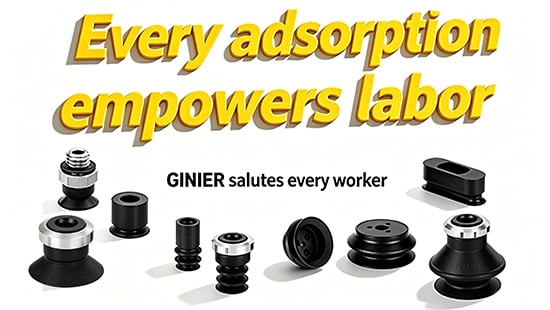
GINIER Wishes All Workers a Happy Labour Day

04

Aug

GINIER Wishes All Workers a Happy Labour Day

View More
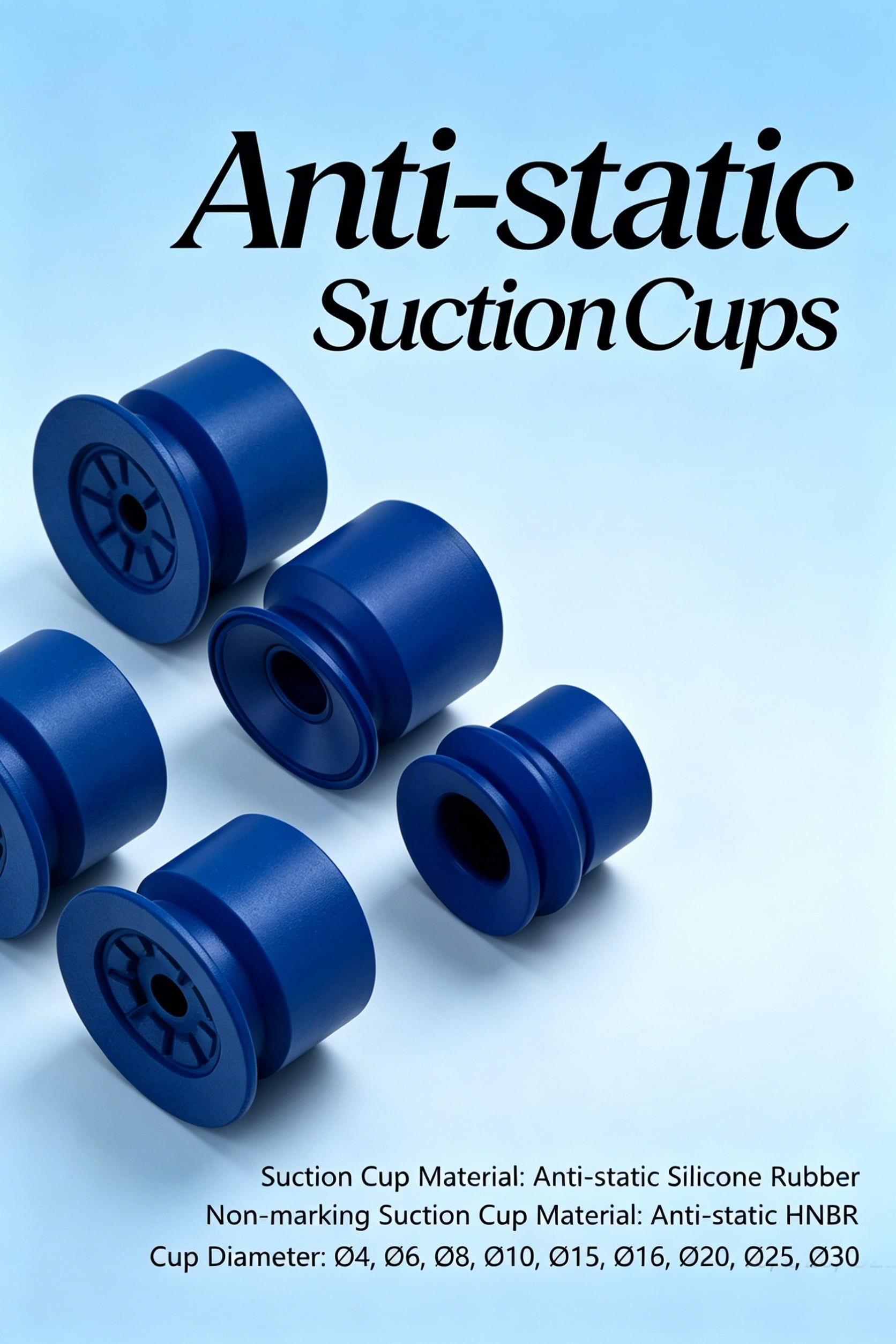
GINIER New HBUE Anti-static Suction Cups Launched

04

Aug

GINIER New HBUE Anti-static Suction Cups Launched

View More
Versatile Surface Adaptation

Versatile Surface Adaptation

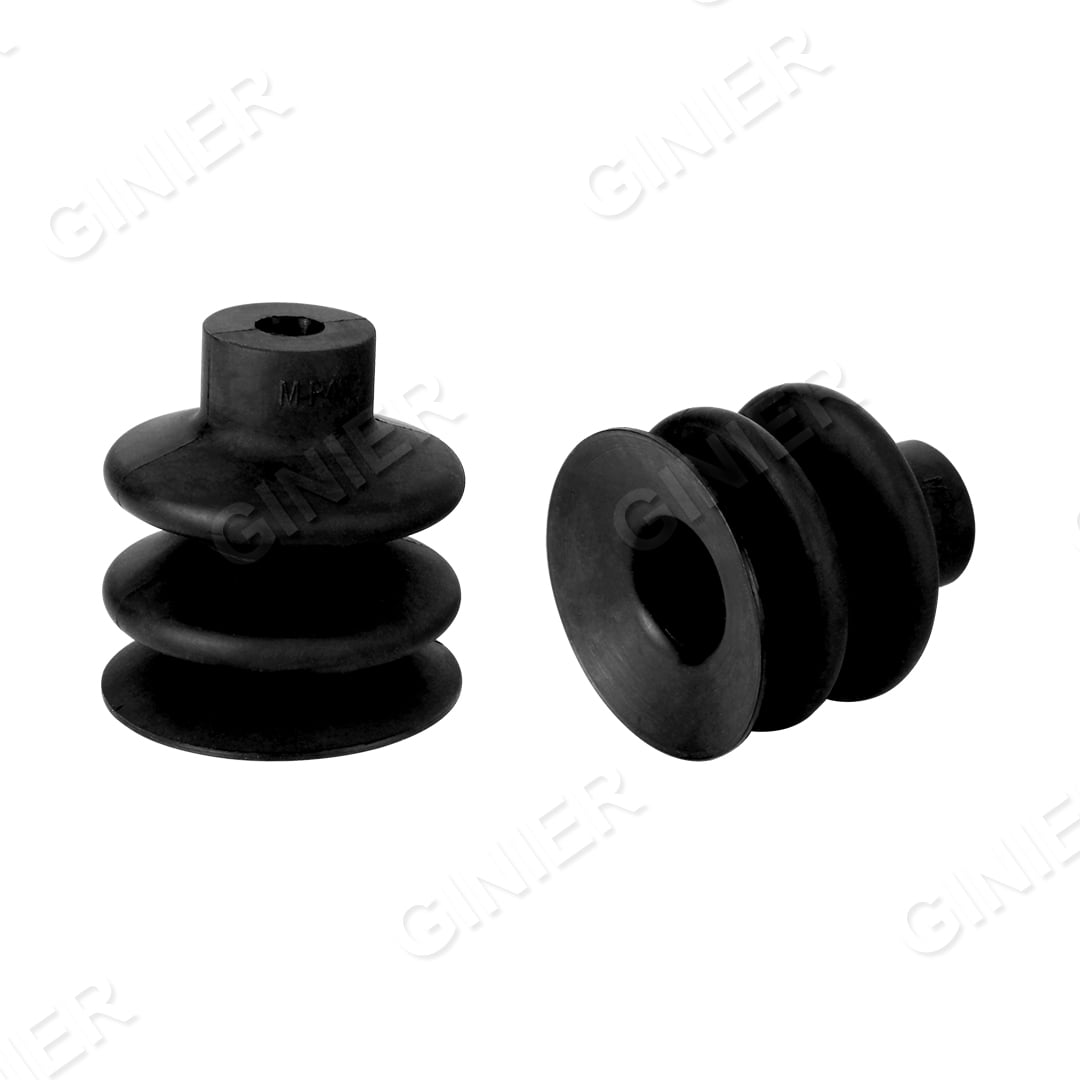
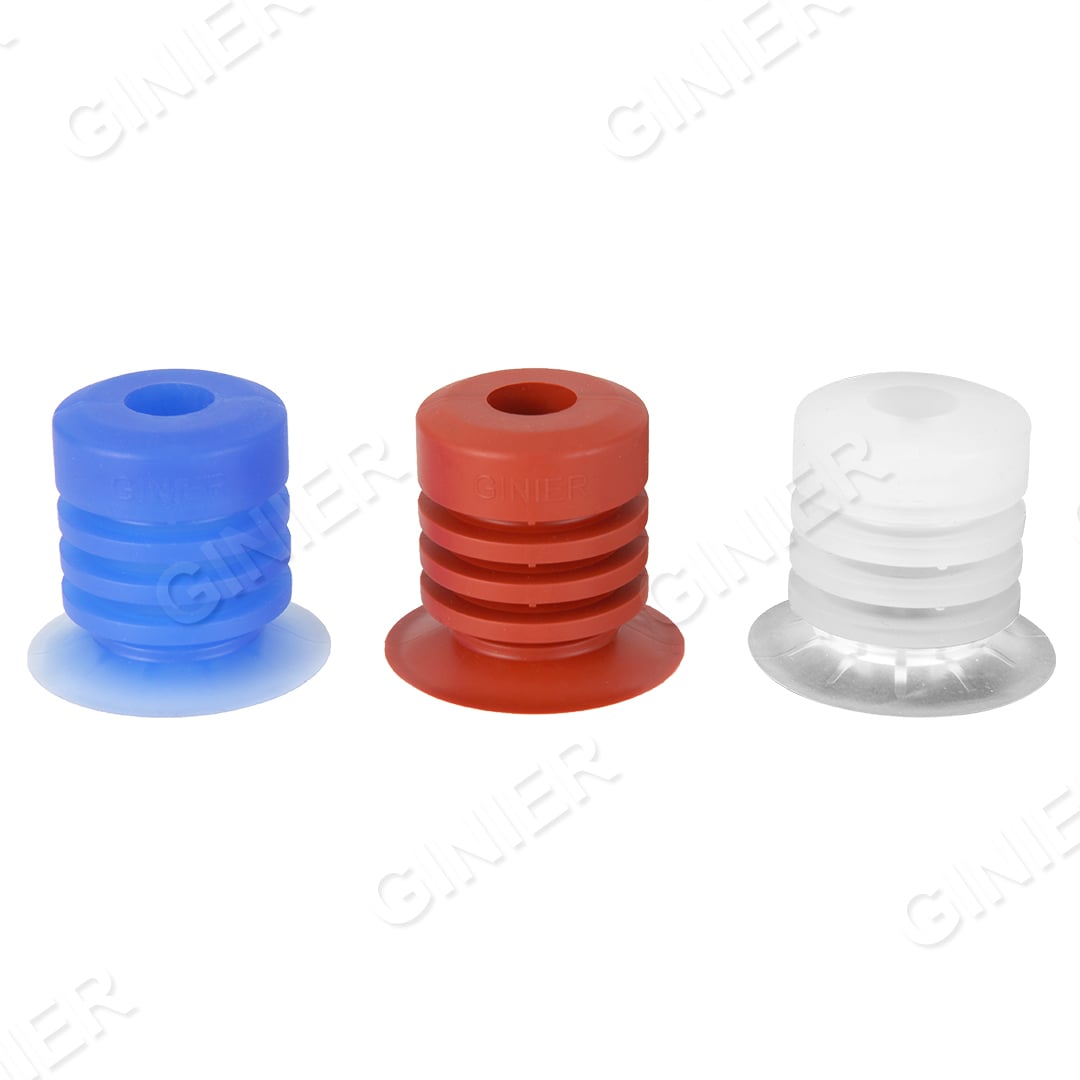
The vacuum lifting system demonstrates remarkable adaptability across numerous surface types and material compositions. Whether handling polished glass, textured metals, or painted panels, the vacuum lifting system accommodates varying surface characteristics through interchangeable cup configurations. This versatility eliminates the need for multiple lifting devices, streamlining operations and reducing capital expenditure. The vacuum lifting system includes specialized cup designs engineered for specific applications. Smooth cups work perfectly on pristine surfaces, while ribbed cups grip textured materials effectively. The vacuum lifting system's modular design allows quick cup exchanges, enabling operators to switch between tasks without significant downtime. This flexibility makes the vacuum lifting system invaluable for facilities managing diverse product portfolios. Companies benefit tremendously from the vacuum lifting system's surface compatibility, as it eliminates compatibility concerns that plague traditional lifting equipment. The vacuum lifting system consistently performs reliably regardless of material variations, ensuring predictable operations and reducing unexpected production interruptions.
Safety and Damage Prevention

Safety and Damage Prevention

Safety represents a paramount advantage of the vacuum lifting system, incorporating multiple protective mechanisms that prevent accidents and product damage. The vacuum lifting system features automatic pressure monitoring systems that continuously verify secure grip strength. If pressure drops below safe thresholds, the vacuum lifting system triggers immediate alerts, preventing dangerous load drops. The vacuum lifting system protects valuable materials through gentleness that mechanical methods cannot match. Unlike clamps that compress and potentially damage sensitive surfaces, the vacuum lifting system distributes holding force uniformly across the entire cup contact area. This even pressure distribution ensures the vacuum lifting system handles delicate items without leaving marks, dents, or surface deterioration. Built-in redundancy features enhance the vacuum lifting system's reliability significantly. Many models include backup suction systems that activate automatically if primary systems fail. This redundancy means the vacuum lifting system maintains load security even during component failures, preventing catastrophic accidents. Workers trust the vacuum lifting system's safety performance, leading to increased operational confidence and reduced workplace anxiety.
Energy Efficiency and Cost Savings

Energy Efficiency and Cost Savings

The vacuum lifting system delivers impressive energy efficiency benefits that directly reduce operational expenses. Modern vacuum lifting system designs employ advanced pump technologies requiring minimal electrical input while maintaining maximum holding force. This efficiency translates into substantial energy cost reductions, particularly for operations running equipment continuously throughout production shifts. The vacuum lifting system reduces overall equipment expenses through durability and low maintenance demands. Unlike hydraulic systems requiring regular fluid changes and seal replacements, the vacuum lifting system needs only periodic cup inspection and simple cleaning procedures. This simplicity keeps maintenance costs minimal and maximizes equipment availability. The vacuum lifting system prevents costly product damage that drains profitability significantly. By securing items without compression or surface contact pressure, the vacuum lifting system protects merchandise quality and brand reputation. Reduced waste and fewer customer returns directly improve profit margins. The vacuum lifting system's cost-saving capabilities make it an economically intelligent choice for budget-conscious facilities seeking to enhance financial performance while maintaining superior quality standards.