Premium Vacuum Pads for Industrial Material Handling

application/vacuum-pads, application/vacuum-pads, 
Inquiry
Inquiry

vacuum pads

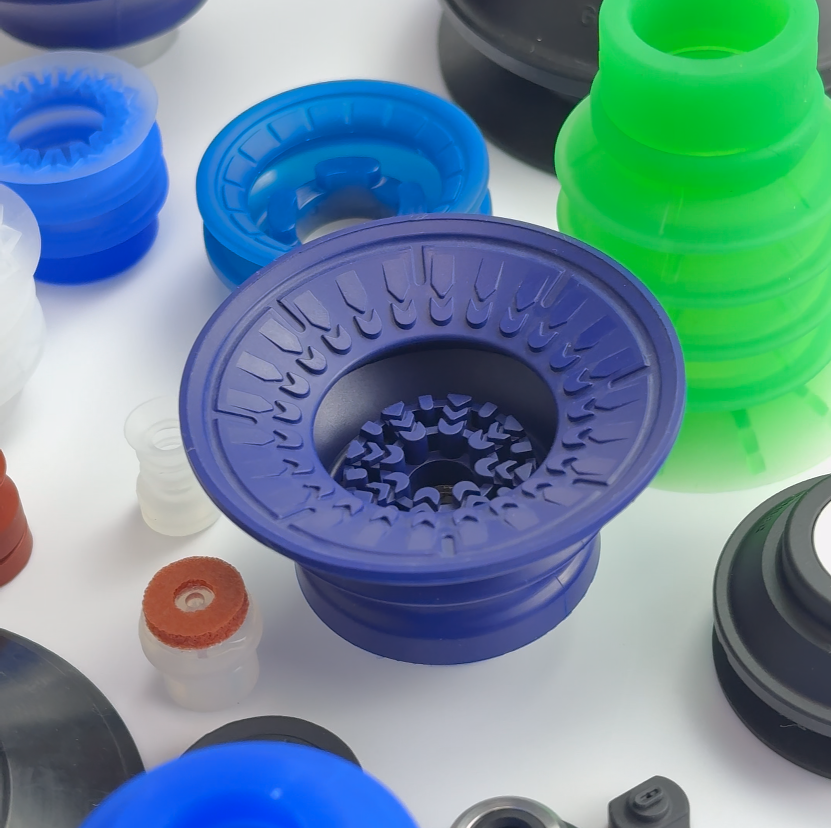
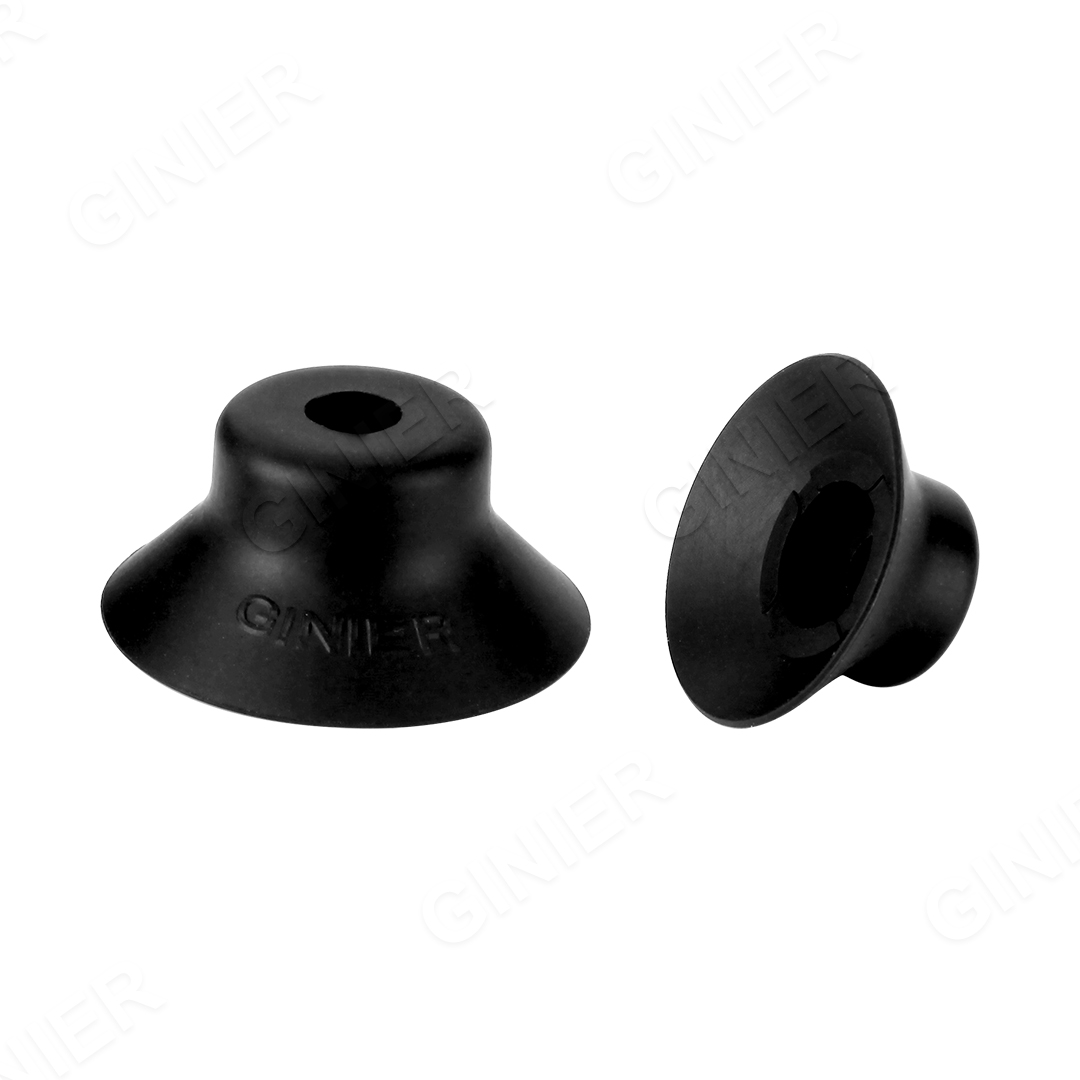
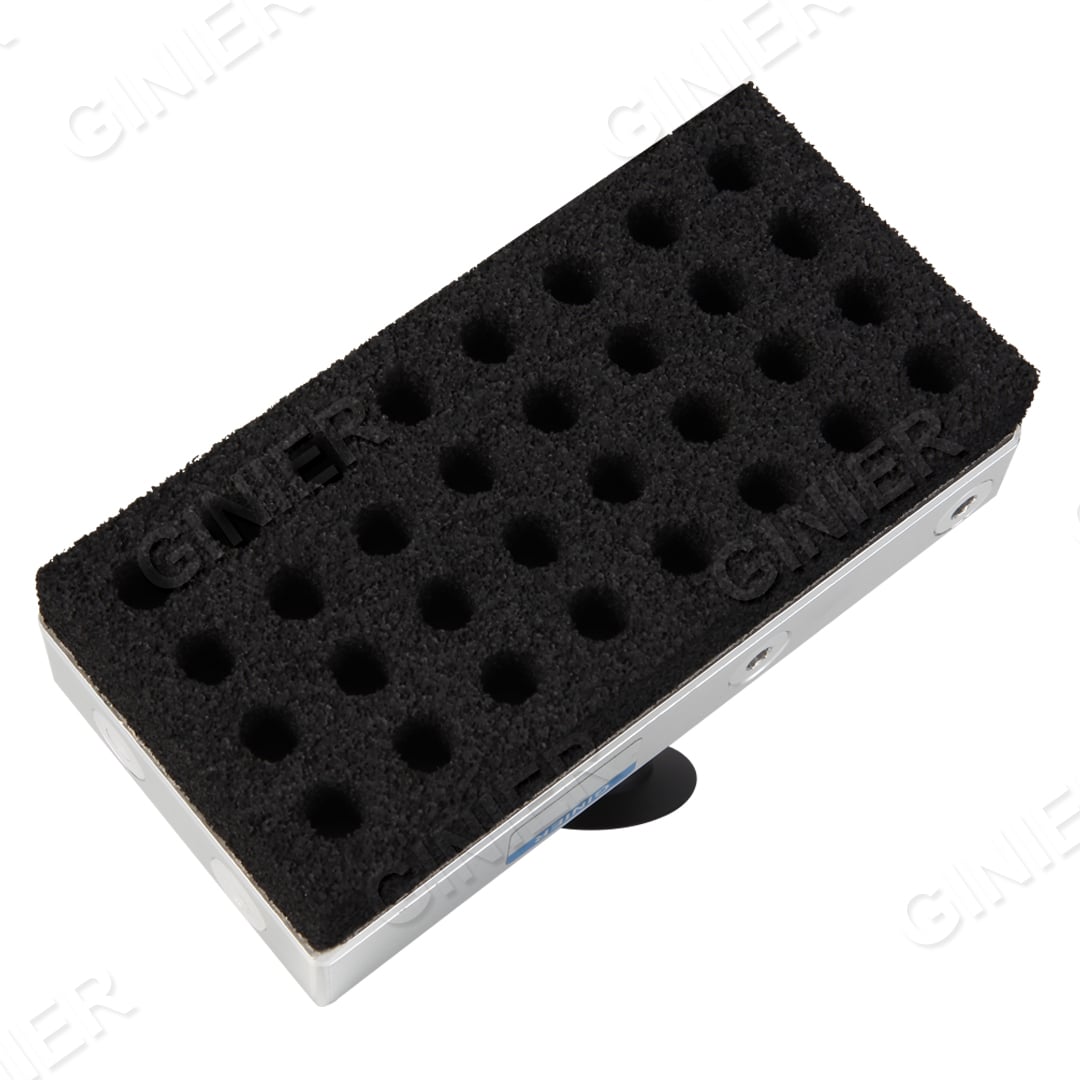
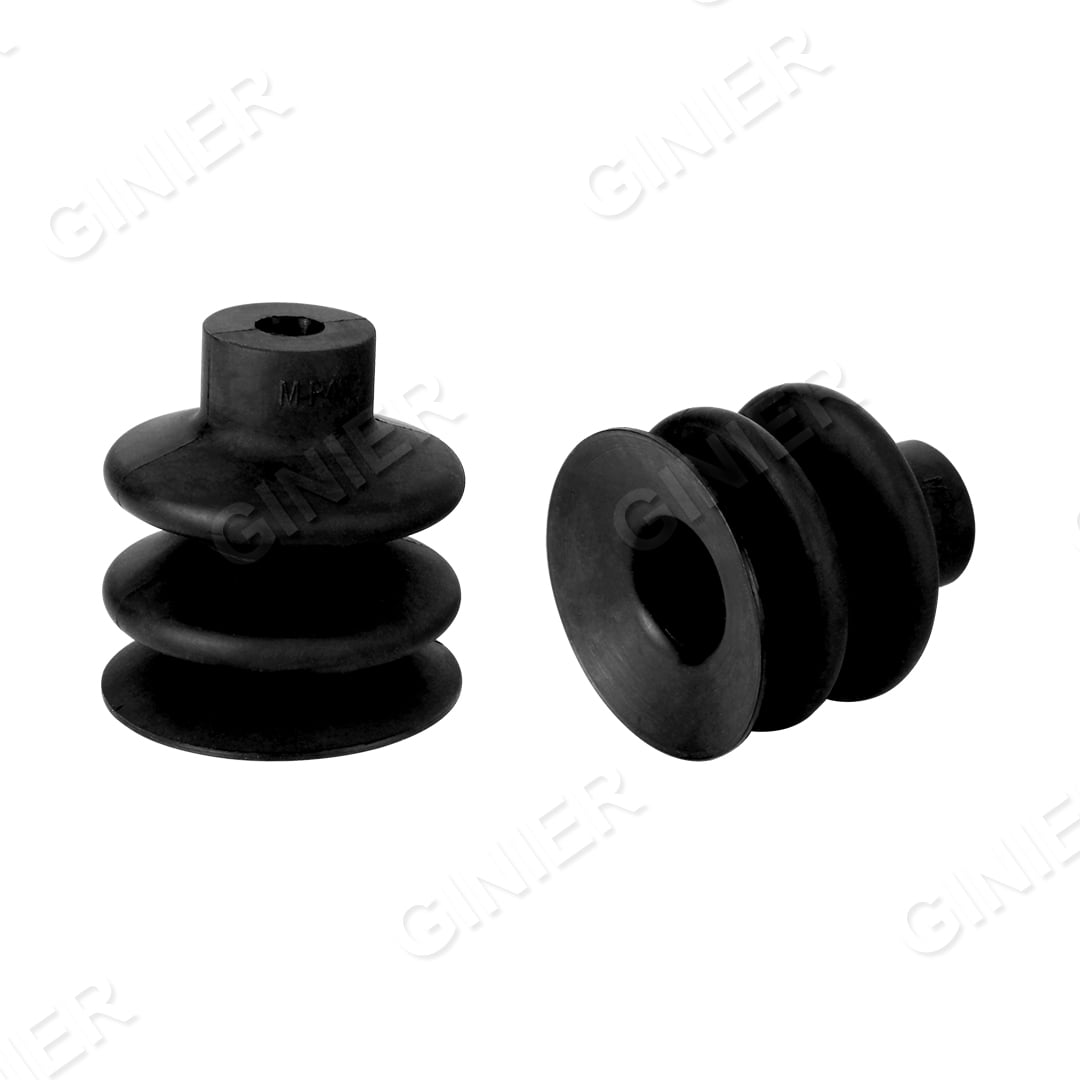
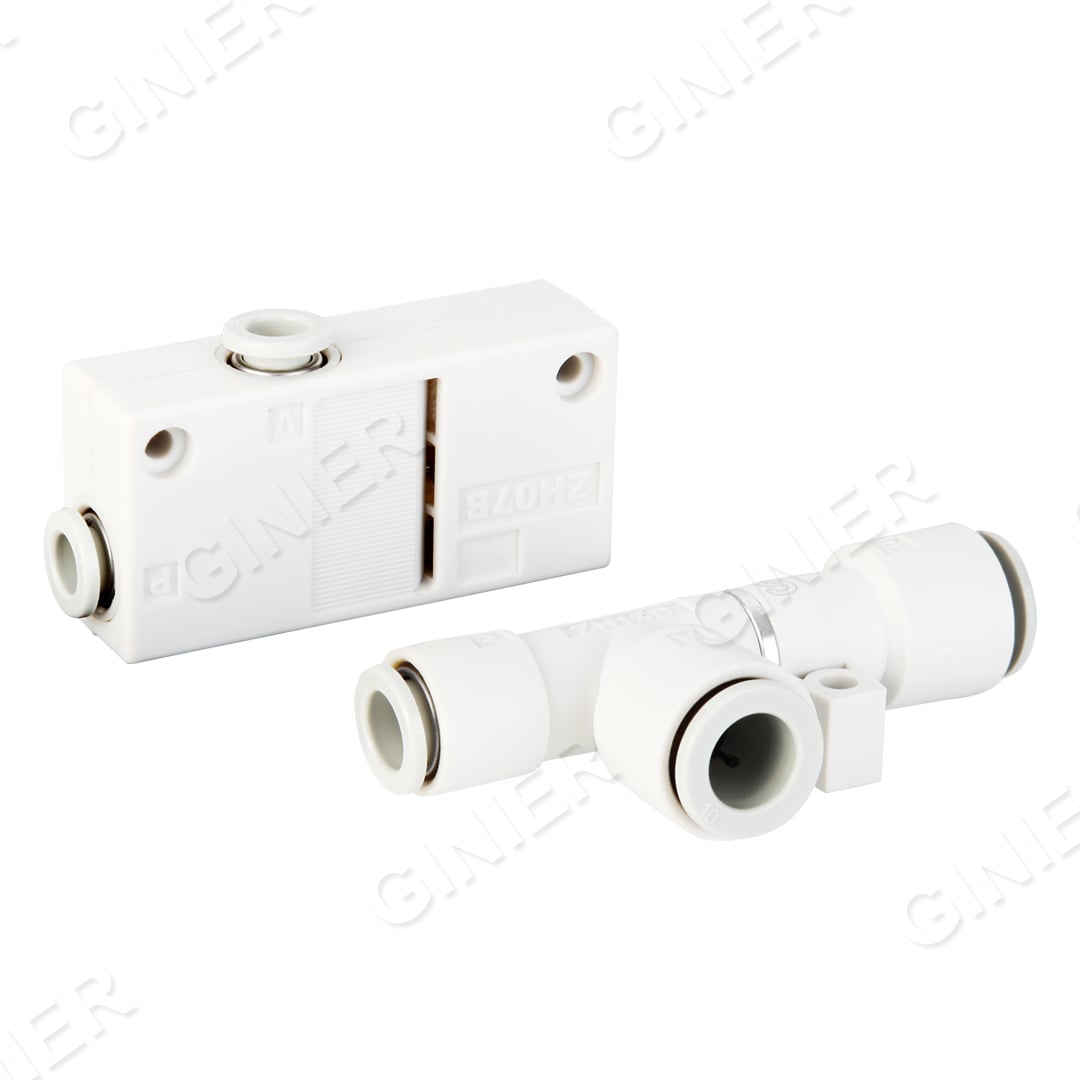
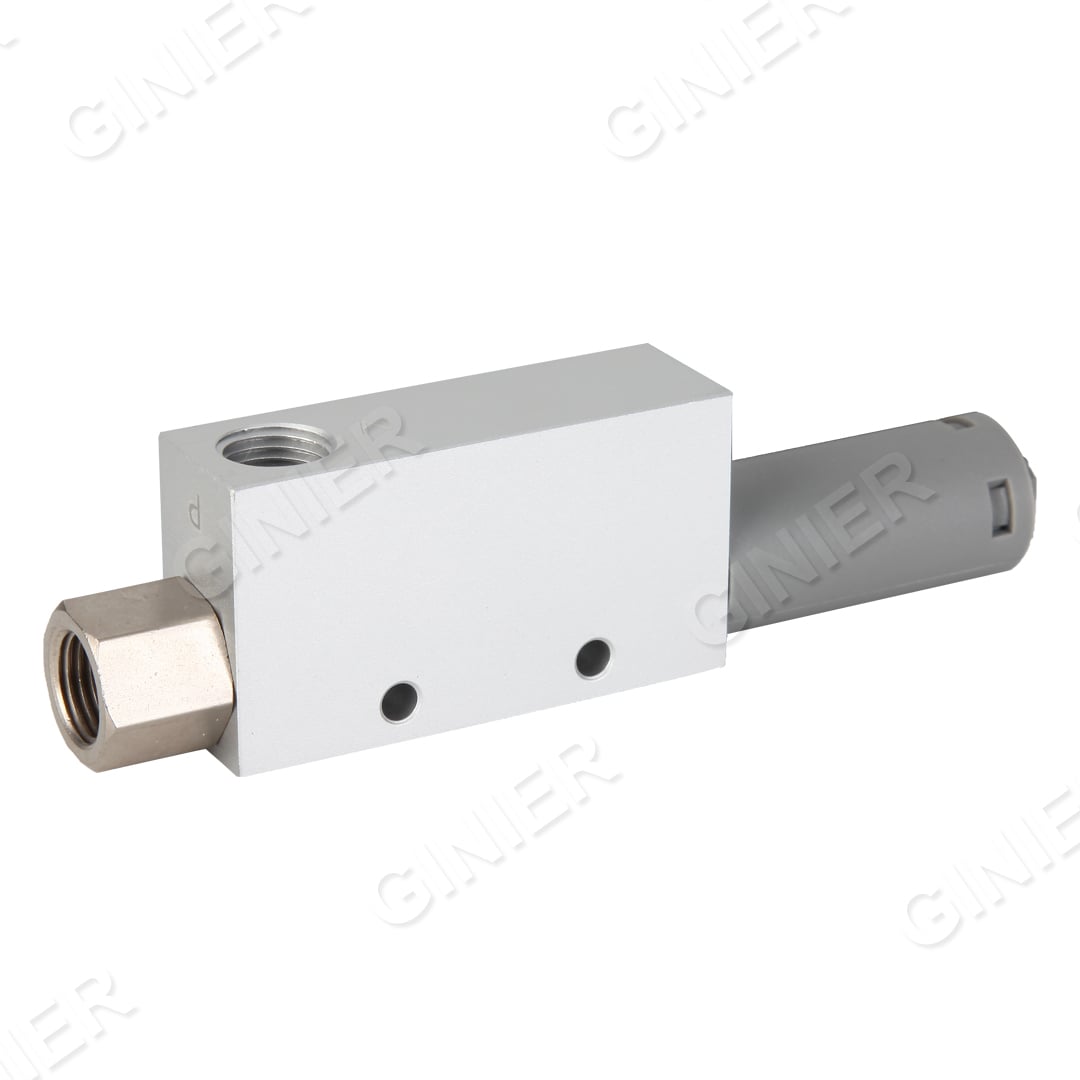
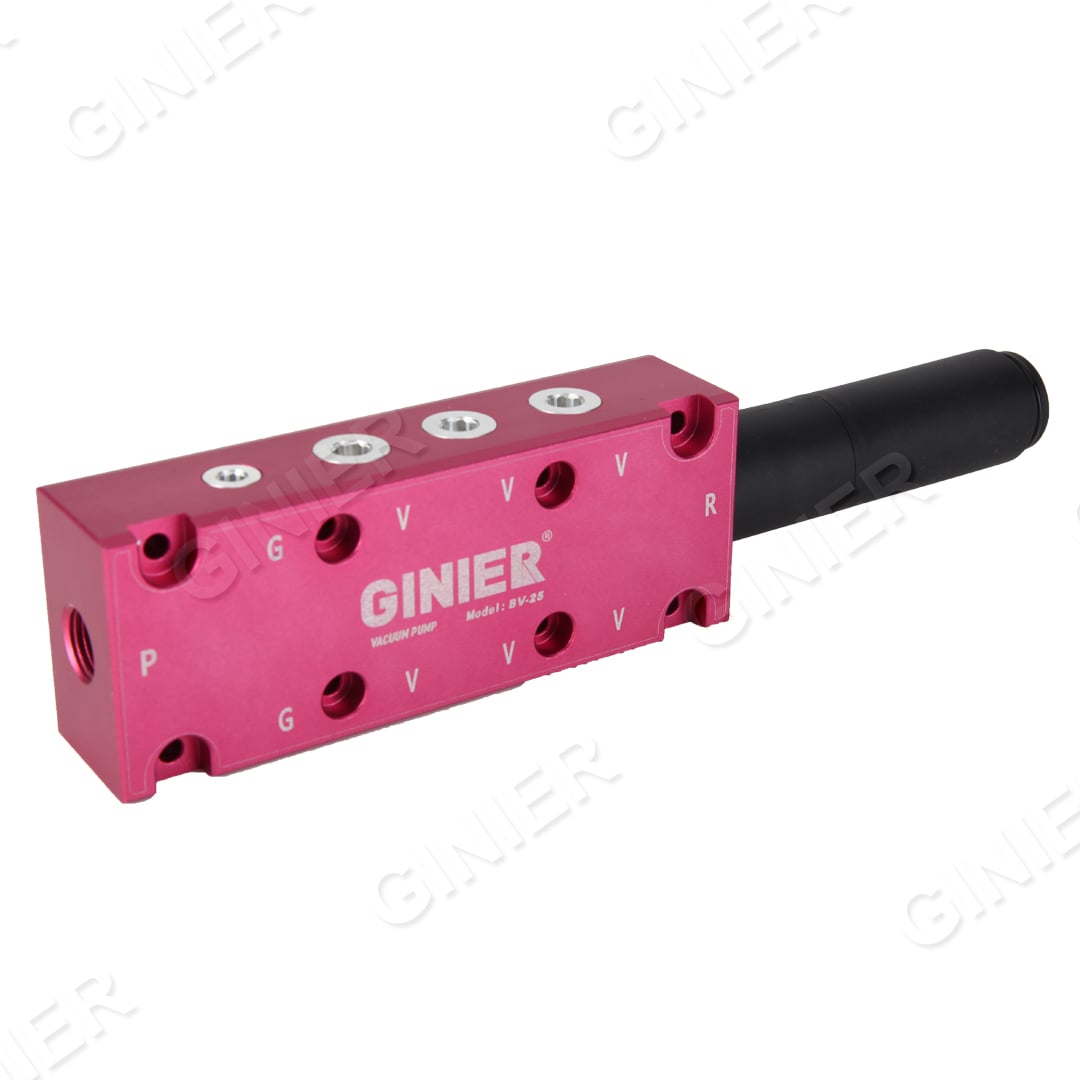
Vacuum pads are innovative suction-based devices designed to lift, hold, and manipulate objects safely and efficiently across various industrial and commercial applications. These vacuum pads function by creating a sealed air-tight connection between the pad surface and the target object, generating powerful suction force that enables secure gripping without causing damage. The primary function of vacuum pads is to provide reliable material handling solutions for manufacturers, warehouses, and logistics operations worldwide. Modern vacuum pads incorporate advanced technological features that enhance their performance and reliability. High-quality silicone and rubber compounds create durable, long-lasting surfaces that resist wear and maintain consistent suction power over extended use. Many vacuum pads include integrated pressure sensors and smart monitoring systems that detect load variations and ensure optimal holding force. Variable-speed pump technology allows operators to adjust suction intensity based on specific material requirements, making vacuum pads exceptionally versatile. Vacuum pads are extensively applied in glass handling, stone cutting, food processing, automotive manufacturing, and pharmaceutical packaging industries. They excel at manipulating delicate materials like glass sheets, ceramic tiles, and lightweight components that traditional gripping methods might damage. These vacuum pads also simplify automation processes by integrating seamlessly with robotic arms and conveyor systems. Whether handling flat surfaces, curved objects, or textured materials, vacuum pads deliver consistent performance across demanding industrial environments and modern manufacturing facilities.

Vacuum pads deliver exceptional operational benefits that transform material handling processes across industries. These products eliminate the need for mechanical clamps or fixtures that can scratch, dent, or damage valuable materials. By using vacuum pads, operators handle fragile items like glass, mirrors, and ceramics with complete confidence, knowing the products remain protected throughout the entire movement cycle. The practical advantages of vacuum pads extend far beyond damage prevention. These systems operate cleanly without hydraulic leaks, oil residue, or mechanical failures that plague traditional gripping equipment. Vacuum pads require minimal maintenance compared to conventional handling devices, reducing downtime and operational costs significantly. Setup time decreases dramatically when switching between different product types, as vacuum pads adapt quickly to varying shapes and materials without tool changes or complex reconfiguration. From an economic perspective, vacuum pads improve productivity by accelerating material transfer speeds across production lines. Workers complete more tasks in shorter timeframes, directly increasing throughput and profitability. Decision-makers recognize that investing in vacuum pads generates measurable returns through reduced product loss, improved quality consistency, and enhanced worker safety. Vacuum pads accommodate automated systems perfectly, enabling manufacturers to reduce labor costs while maintaining quality standards. The environmental benefits are equally compelling, as vacuum pads eliminate hazardous materials and produce zero emissions during operation. Companies implementing vacuum pads experience improved workplace safety ratings, reduced insurance premiums, and stronger employee satisfaction. These systems prove suitable for both small operations and large-scale industrial facilities, making them universally applicable across manufacturing sectors and distribution networks.

Latest News

Meet GINIER | 2026 South China International Industry Fair

04

Aug

Meet GINIER | 2026 South China International Industry Fair

View More
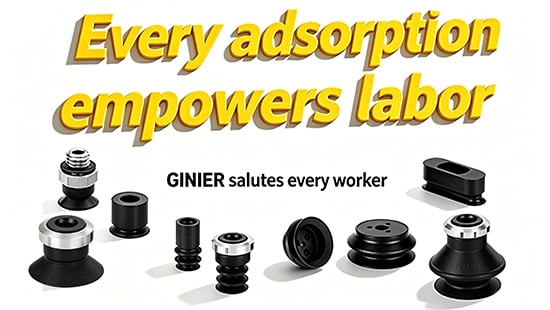
GINIER Wishes All Workers a Happy Labour Day

04

Aug

GINIER Wishes All Workers a Happy Labour Day

View More
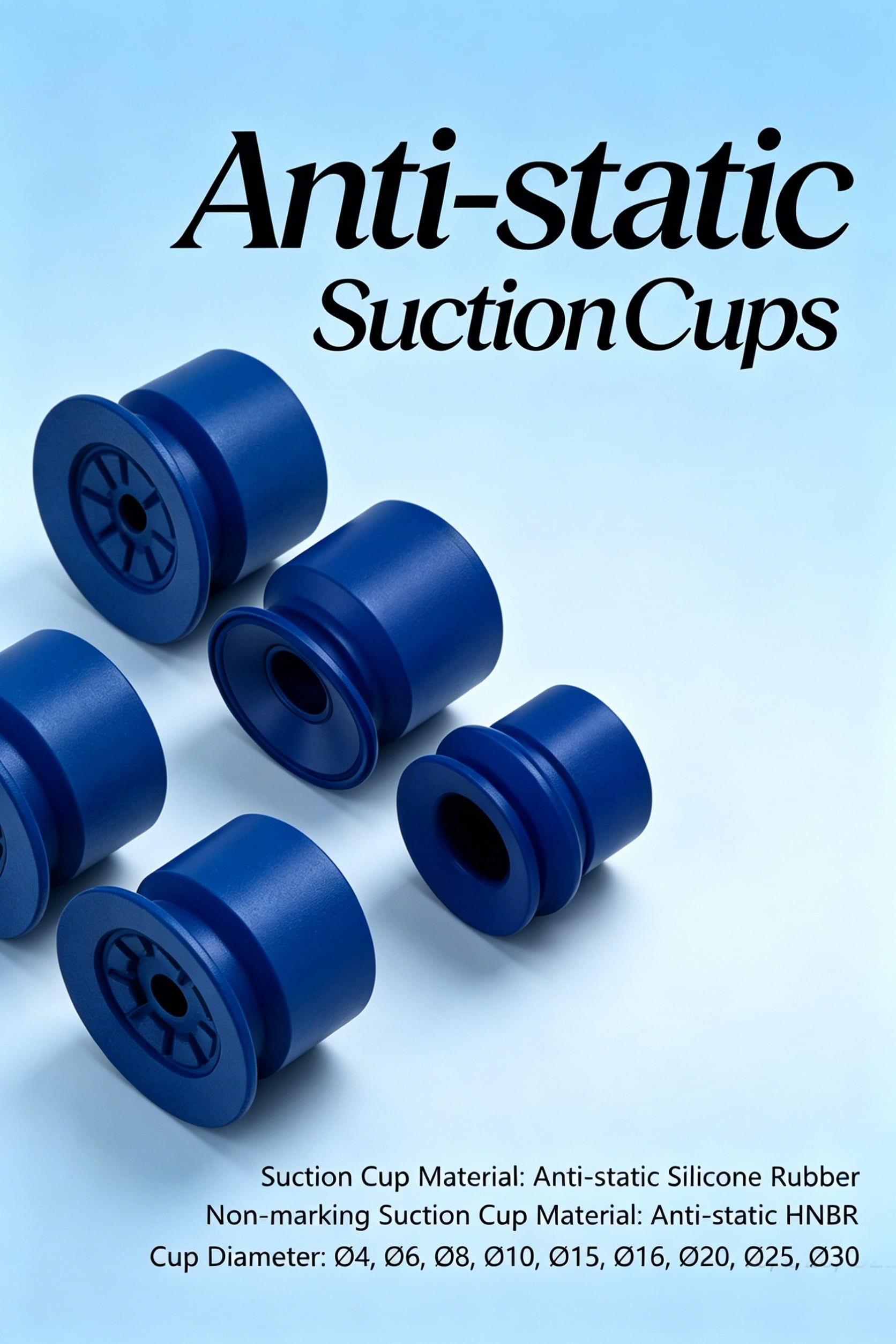
GINIER New HBUE Anti-static Suction Cups Launched

04

Aug

GINIER New HBUE Anti-static Suction Cups Launched

View More

Superior Damage-Free Handling Technology

Superior Damage-Free Handling Technology

Vacuum pads revolutionize material handling by eliminating contact-based damage that occurs with traditional gripping methods. The soft, specially engineered surface of vacuum pads creates a protective barrier between the gripping mechanism and delicate materials. This technology proves invaluable for industries handling expensive materials like automotive glass, optical components, and precision-manufactured parts. Unlike mechanical clamps that apply concentrated pressure points, vacuum pads distribute holding force evenly across the entire contact surface, preventing stress fractures and surface blemishes. Companies utilizing vacuum pads report dramatic reductions in material waste and product defects. The technology adapts automatically to surface irregularities, ensuring consistent grip quality regardless of minor variations in product dimensions. This damage prevention capability directly translates to significant cost savings, as manufacturers eliminate costly product rejects and customer returns caused by handling damage. Vacuum pads represent the optimal solution for enterprises prioritizing product integrity throughout their supply chain operations.
Rapid Integration with Automation Systems

Rapid Integration with Automation Systems

Modern manufacturing demands seamless integration between handling equipment and automated production lines. Vacuum pads offer exceptional compatibility with robotic systems, conveyor networks, and computerized material handling solutions. These devices connect effortlessly to existing pneumatic or electric pump systems, requiring minimal modifications to current production infrastructure. The standardized interface of vacuum pads enables quick implementation across multiple workstations and production stages. Automation engineers appreciate the straightforward control systems that vacuum pads provide, simplifying programming and reducing integration complexity. Real-time feedback mechanisms embedded in advanced vacuum pads allow automated systems to verify secure grip status before movement begins, preventing accidents and product loss. The reliability of vacuum pads in automated environments translates to consistent uptime and predictable production schedules. Facilities implementing vacuum pads experience accelerated production cycles and improved manufacturing efficiency, making automation investments significantly more cost-effective and productive.
Versatile Material Compatibility and Adaptability

Versatile Material Compatibility and Adaptability

Vacuum pads demonstrate remarkable versatility across diverse material types and surface conditions. These systems effectively handle glass, ceramics, metals, plastics, rubber, and composite materials with equal proficiency. The adaptable nature of vacuum pads makes them suitable for processing flat surfaces, curved objects, textured materials, and irregularly shaped items without requiring equipment modifications. Different vacuum pad designs accommodate specific application requirements, from delicate artistic glass pieces to heavy industrial components. Operators easily switch between projects by simply changing pad configurations, eliminating downtime associated with equipment recalibration. Vacuum pads perform consistently across temperature variations and humidity conditions, ensuring reliable operation in diverse industrial environments. This exceptional adaptability makes vacuum pads the preferred choice for manufacturers handling multiple product lines or seasonal production variations. Investment in vacuum pads provides long-term flexibility and operational resilience, protecting businesses against production disruptions.