Vacuum Gripper | Precision Automation

application/Vacuum-gripper, application/Vacuum-gripper, 
Inquiry
Inquiry

Vacuum gripper

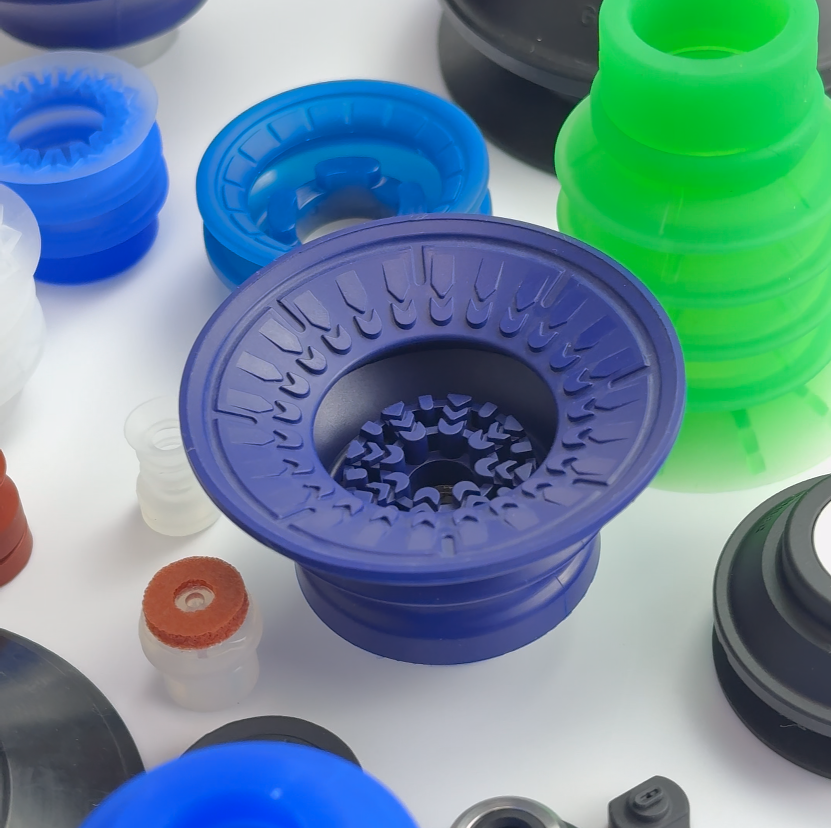
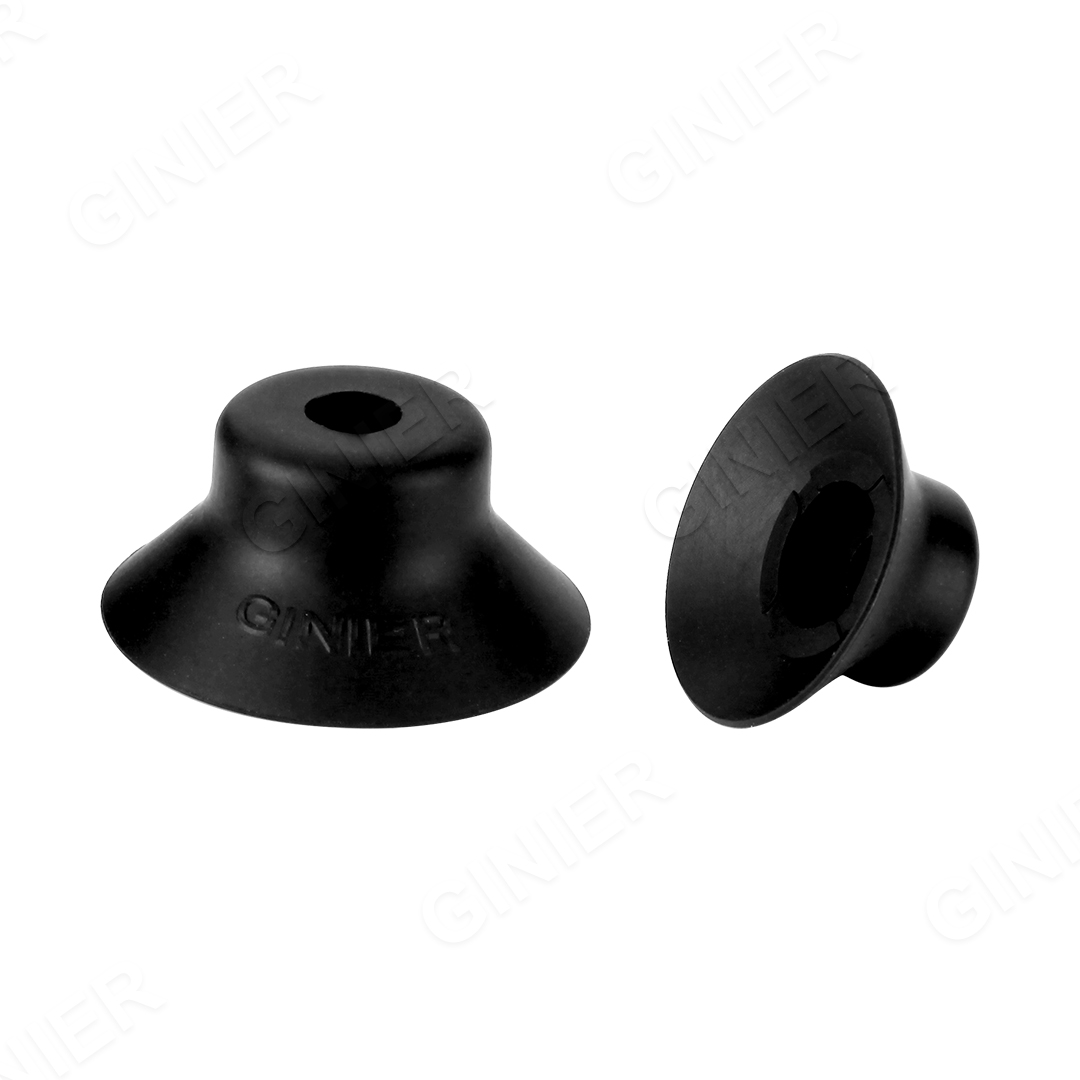
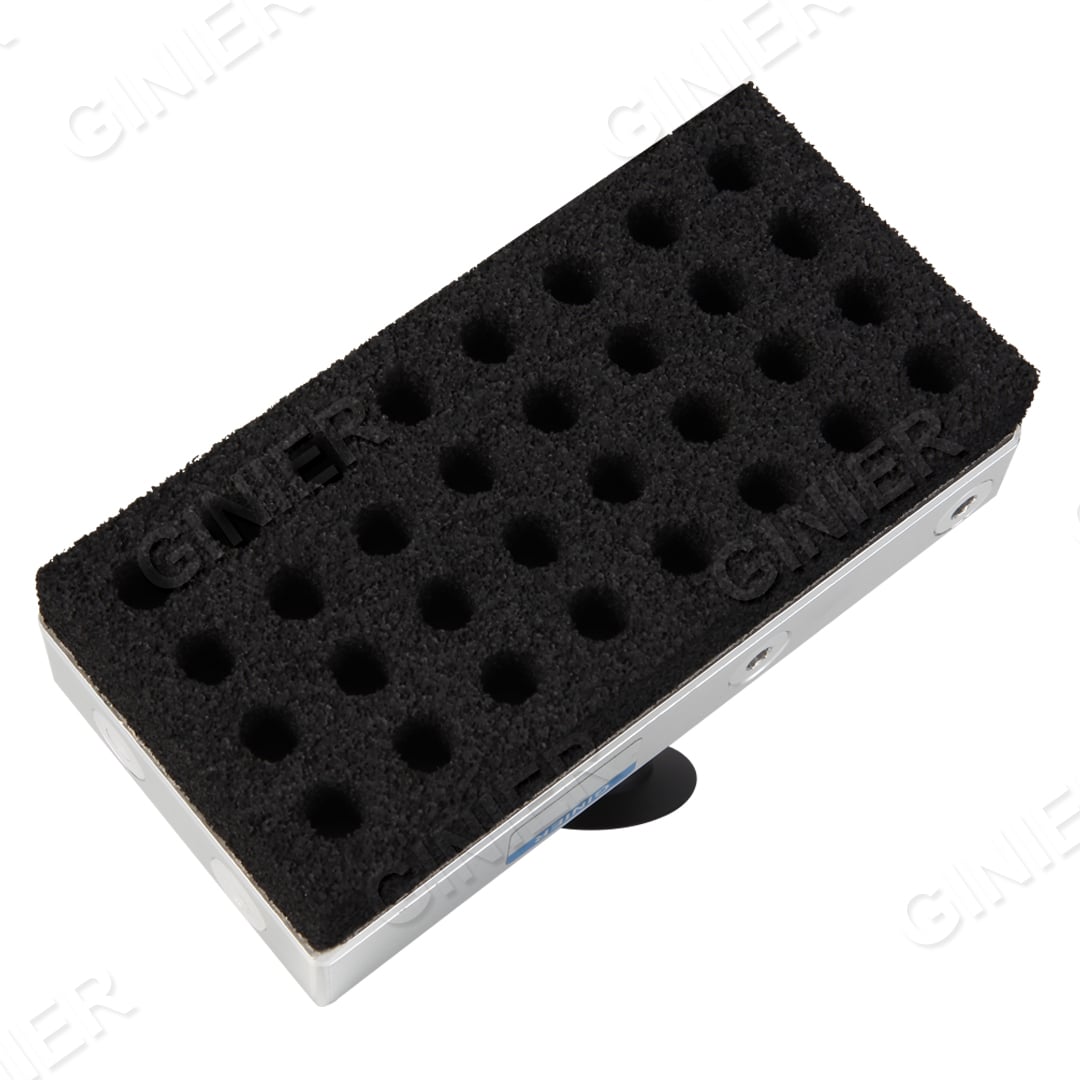
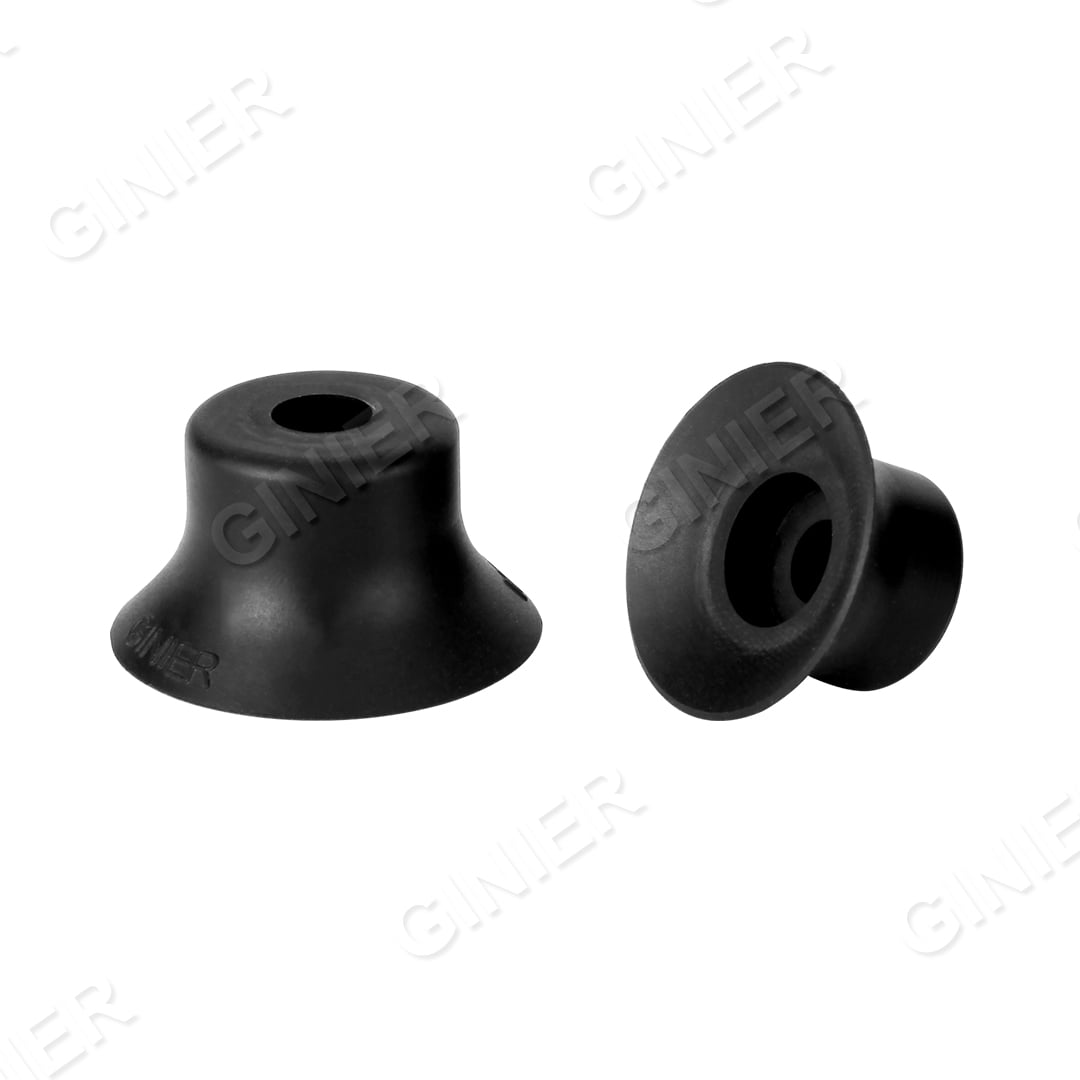
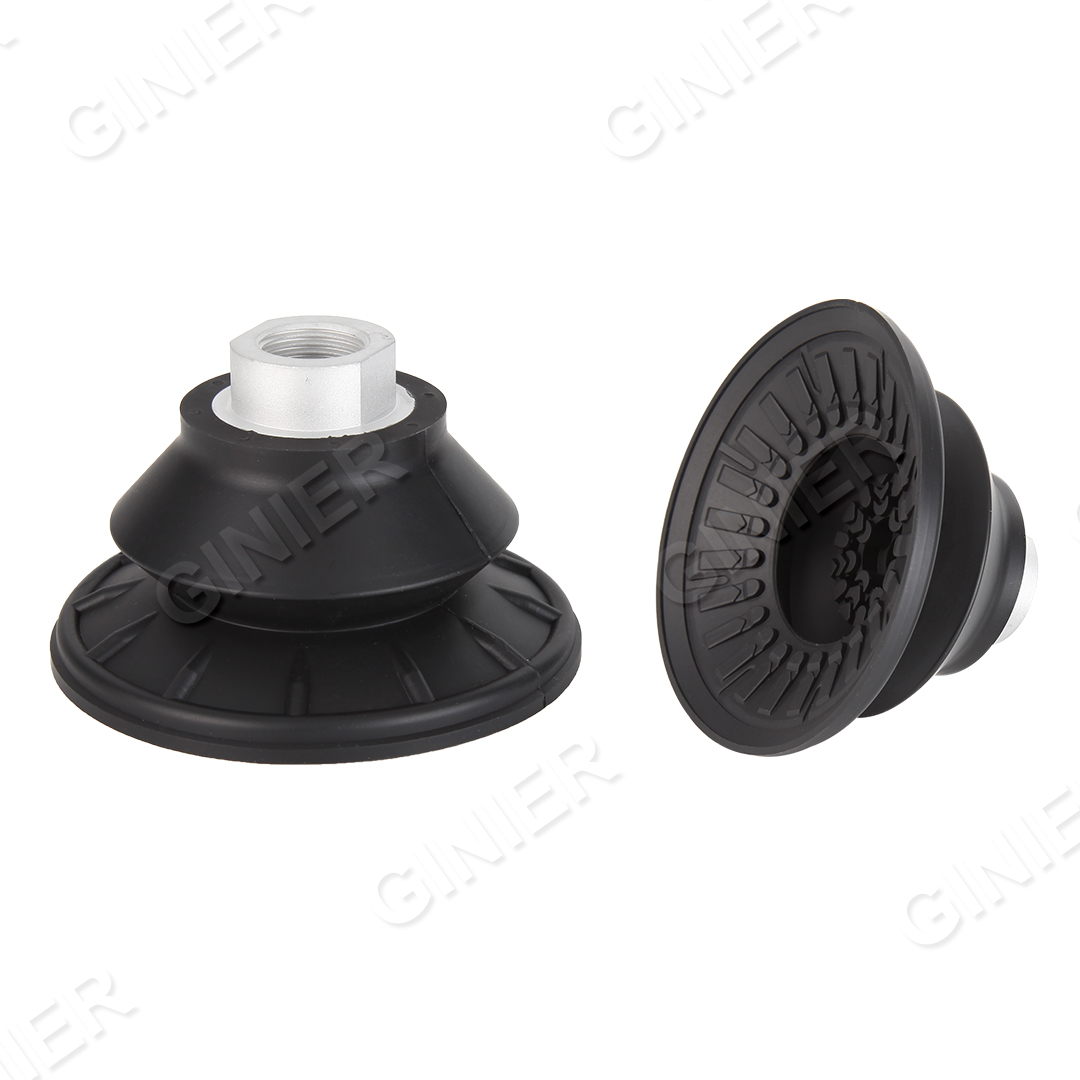
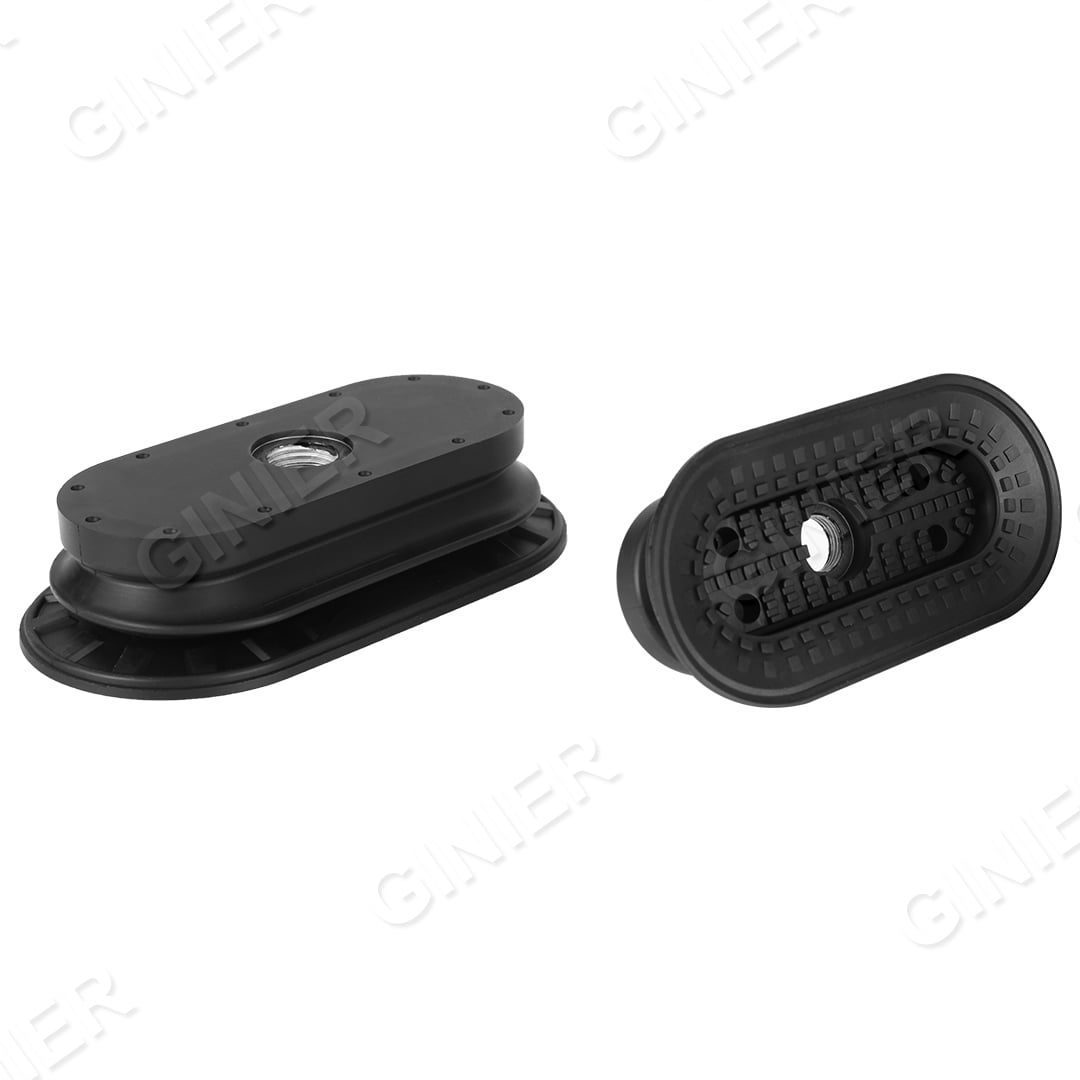
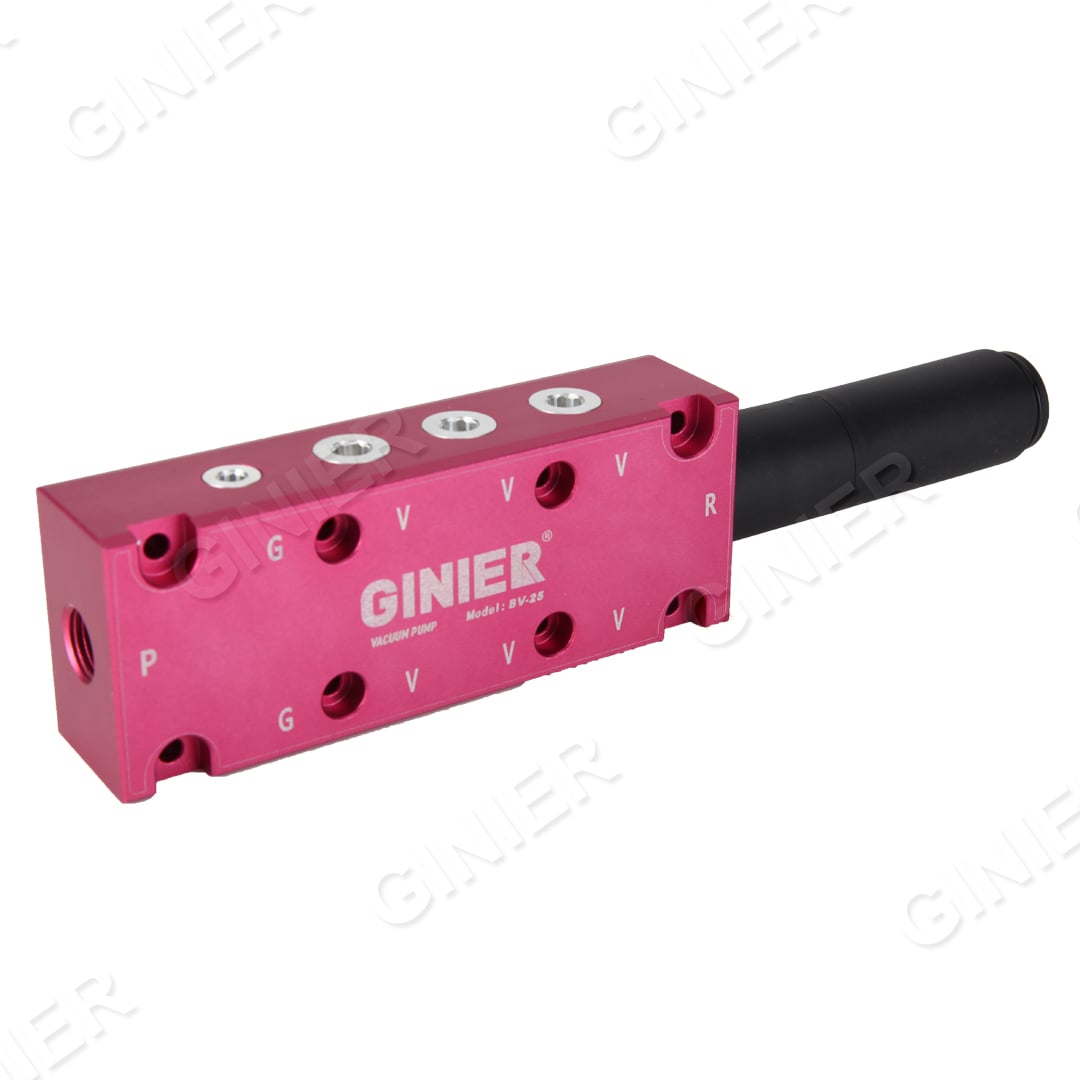
A vacuum gripper is an innovative automation tool designed to handle, move, and position objects with precision and efficiency. This advanced gripping system utilizes suction technology to create a secure hold on various materials without applying excessive pressure. The vacuum gripper operates by generating negative air pressure against object surfaces, enabling safe manipulation of delicate, irregularly shaped, or smooth items that traditional mechanical grippers cannot effectively manage. The primary function of a vacuum gripper is to provide reliable material handling across diverse industrial applications. Modern vacuum gripper technology features intelligent pressure control systems, rapid response mechanisms, and durable suction cups engineered for extended operational life. These systems integrate seamlessly with robotic arms, conveyor systems, and automated production lines to enhance workflow efficiency. Key technological features include adjustable suction force, real-time pressure monitoring, quick-connect coupling systems, and multi-cup configurations. The vacuum gripper can process materials ranging from glass and ceramics to plastics and composites. Advanced vacuum gripper designs incorporate energy-efficient pumps and smart sensor integration for predictable performance. Applications span manufacturing, packaging, electronics assembly, food processing, and logistics sectors. Industries depend on vacuum gripper technology to increase productivity, reduce product damage, minimize labor costs, and maintain consistent quality standards. Whether handling semiconductor components or automotive parts, the vacuum gripper remains an essential automation investment for modern enterprises seeking competitive advantage.

The vacuum gripper delivers exceptional value to businesses seeking reliable automation solutions. One primary advantage involves eliminating product damage that mechanical clamps cause. Since vacuum gripper technology relies on distributed suction force rather than concentrated pressure points, delicate items remain undamaged throughout handling processes. This protective capability significantly reduces waste and production losses. Operationally, the vacuum gripper enables faster cycle times compared to traditional gripping methods. The rapid engagement and disengagement capabilities of vacuum gripper systems accelerate production workflows, directly improving throughput metrics. Businesses implementing vacuum gripper technology consistently report reduced downtime and enhanced scheduling predictability. Cost efficiency represents another compelling advantage. The vacuum gripper reduces labor requirements by automating previously manual material handling tasks. Investment in vacuum gripper automation translates to lower operational expenses, improved profit margins, and faster return on investment timelines. The vacuum gripper proves exceptionally versatile across material types and shapes. Whether handling irregularly shaped components, smooth glossy surfaces, or diverse product sizes, this gripping solution adapts effortlessly. This versatility means facilities can deploy a single vacuum gripper system across multiple production lines, maximizing equipment utilization. Maintenance costs remain minimal with vacuum gripper systems. The straightforward design includes few moving components requiring attention, reducing service interruptions and maintenance expenses. Suction cups, the primary wear items, are inexpensive and simple to replace. Safety improvements emerge when implementing vacuum gripper technology. Automated handling eliminates repetitive strain injuries affecting workers, creating safer work environments. The vacuum gripper also enhances ergonomic conditions by removing physically demanding material handling tasks from human operators.

Latest News

Meet GINIER | 2026 South China International Industry Fair

04

Aug

Meet GINIER | 2026 South China International Industry Fair

View More
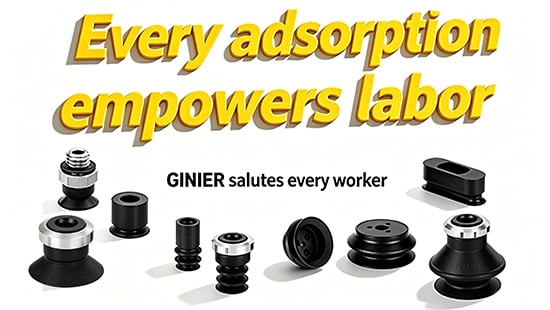
GINIER Wishes All Workers a Happy Labour Day

04

Aug

GINIER Wishes All Workers a Happy Labour Day

View More
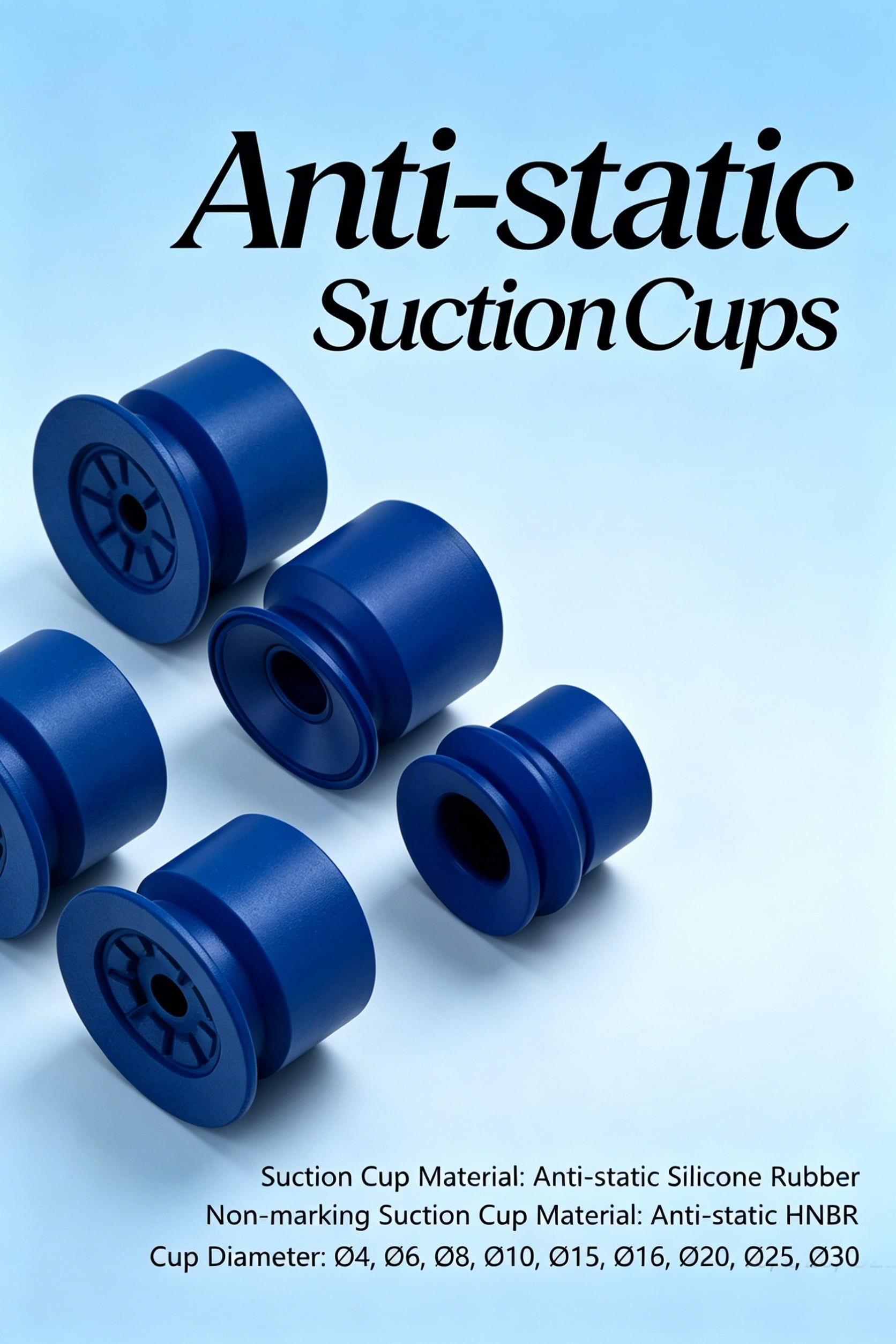
GINIER New HBUE Anti-static Suction Cups Launched

04

Aug

GINIER New HBUE Anti-static Suction Cups Launched

View More

Gentle Material Handling Without Damage

Gentle Material Handling Without Damage

The vacuum gripper excels at protecting sensitive products during automated handling and transportation. Unlike mechanical grippers that exert localized pressure potentially causing indentation, scratching, or deformation, the vacuum gripper distributes holding force evenly across object surfaces. This uniform pressure distribution proves critical when processing glass sheets, ceramic tiles, polished metals, painted components, and precision-engineered parts. The vacuum gripper ensures zero product damage, maintaining pristine surface conditions and eliminating costly quality rejects. Industries including electronics manufacturing, automotive finishing, and decorative products manufacturing depend on this damage-free capability. The vacuum gripper technology enables companies to achieve premium quality standards while reducing waste disposal expenses and customer returns associated with damaged goods.
Rapid Cycle Times and Production Efficiency

Rapid Cycle Times and Production Efficiency

Implementing vacuum gripper systems dramatically accelerates production cycles through swift engagement and disengagement capabilities. The vacuum gripper responds almost instantaneously to activate and release objects, eliminating delays inherent in mechanical gripping adjustments. This speed advantage compounds across production runs, translating hundreds of milliseconds saved per cycle into substantial daily output increases. Modern vacuum gripper configurations feature optimized airflow pathways and advanced valve systems enabling consistent performance throughout extended operational periods. Manufacturing facilities deploying vacuum gripper technology witness immediate productivity gains, often achieving cycle time reductions between 15-30 percent. The cumulative effect of vacuum gripper speed improvements directly enhances facility capacity, improves delivery schedules, and strengthens competitive positioning. Companies utilizing vacuum gripper systems maximize production line throughput while maintaining consistent quality standards.
Universal Adaptability Across Material Types and Shapes

Universal Adaptability Across Material Types and Shapes

The vacuum gripper demonstrates remarkable versatility handling virtually any material composition and geometric configuration. Smooth, textured, porous, rigid, and flexible surfaces all respond effectively to vacuum gripper technology. From delicate semiconductor wafers to heavy industrial castings, the vacuum gripper adapts seamlessly. This universal compatibility eliminates the necessity for specialized grippers for different applications, substantially reducing equipment investment requirements. The vacuum gripper functions effectively on materials including plastics, metals, glass, ceramics, composites, and wood. Irregular shapes, small components, and oversized objects all present no obstacles for modern vacuum gripper systems. This exceptional adaptability enables facilities to standardize on single vacuum gripper platforms across diverse production environments, simplifying inventory management and technician training. Companies investing in versatile vacuum gripper solutions experience extended equipment lifespans and improved operational flexibility.