Industrial Robot End Effector | Precision Automation

application/Industrial-robot-end-effector, application/Industrial-robot-end-effector, 
Inquiry
Inquiry

Industrial robot end effector

An industrial robot end effector is the specialized tool or device attached to the end of a robotic arm that performs the actual work in manufacturing and automation processes. This critical component functions as the robot's hand, enabling it to interact with materials, products, and environments effectively. The industrial robot end effector serves multiple essential functions including gripping, welding, painting, assembly, and material handling. Modern industrial robot end effectors utilize advanced technologies such as pneumatic systems, hydraulic mechanisms, electric actuation, and intelligent sensor integration. These technological features enable precise control, rapid response times, and real-time adaptation to varying operational conditions. The industrial robot end effector can be customized with various grip types, force feedback sensors, vision systems, and specialized attachments tailored to specific applications. Industrial robot end effector applications span diverse industries including automotive manufacturing, electronics assembly, pharmaceutical production, food processing, and metal fabrication. In automotive plants, the industrial robot end effector handles welding torches and spot welding guns with remarkable consistency. In electronics manufacturing, precision grippers secure delicate components during assembly processes. The industrial robot end effector's adaptability makes it invaluable for tasks requiring high repeatability, speed, and reliability. By selecting the appropriate industrial robot end effector for your application, manufacturers significantly enhance productivity, reduce operational costs, and improve product quality throughout their production lines.

The industrial robot end effector delivers substantial advantages that transform manufacturing operations and drive competitive business outcomes. Enhanced productivity represents the primary benefit, as the industrial robot end effector executes repetitive tasks with consistent speed and precision that human workers cannot match. This consistency directly translates to higher output volumes and reduced cycle times across production processes. Cost efficiency emerges as another critical advantage, since the industrial robot end effector reduces labor expenses while minimizing material waste through precise material handling and positioning. Manufacturers achieve faster return on investment through decreased production costs and increased throughput. Safety improvements stand out prominently, as the industrial robot end effector handles hazardous materials, extreme temperatures, and dangerous manufacturing environments without risk to human workers. Quality enhancement follows naturally, because the industrial robot end effector maintains exact specifications repeatedly, eliminating human error and variability. This consistency ensures superior product quality and reduces defect rates significantly. Operational flexibility represents an underrated advantage, as modern industrial robot end effector systems integrate easily with existing production lines and adapt to multiple tasks through simple reprogramming. Scalability enables manufacturers to expand production capacity without proportional labor increases. The industrial robot end effector also provides round-the-clock operational capability, working continuously without fatigue or breaks. Decision-useful context reveals that the industrial robot end effector suits companies targeting production growth, quality improvement, and workplace safety simultaneously. Whether managing small-batch specialized production or large-scale mass manufacturing, the industrial robot end effector proves instrumental in achieving operational excellence and sustainable competitive advantages in today's demanding market environment.

Tips And Tricks

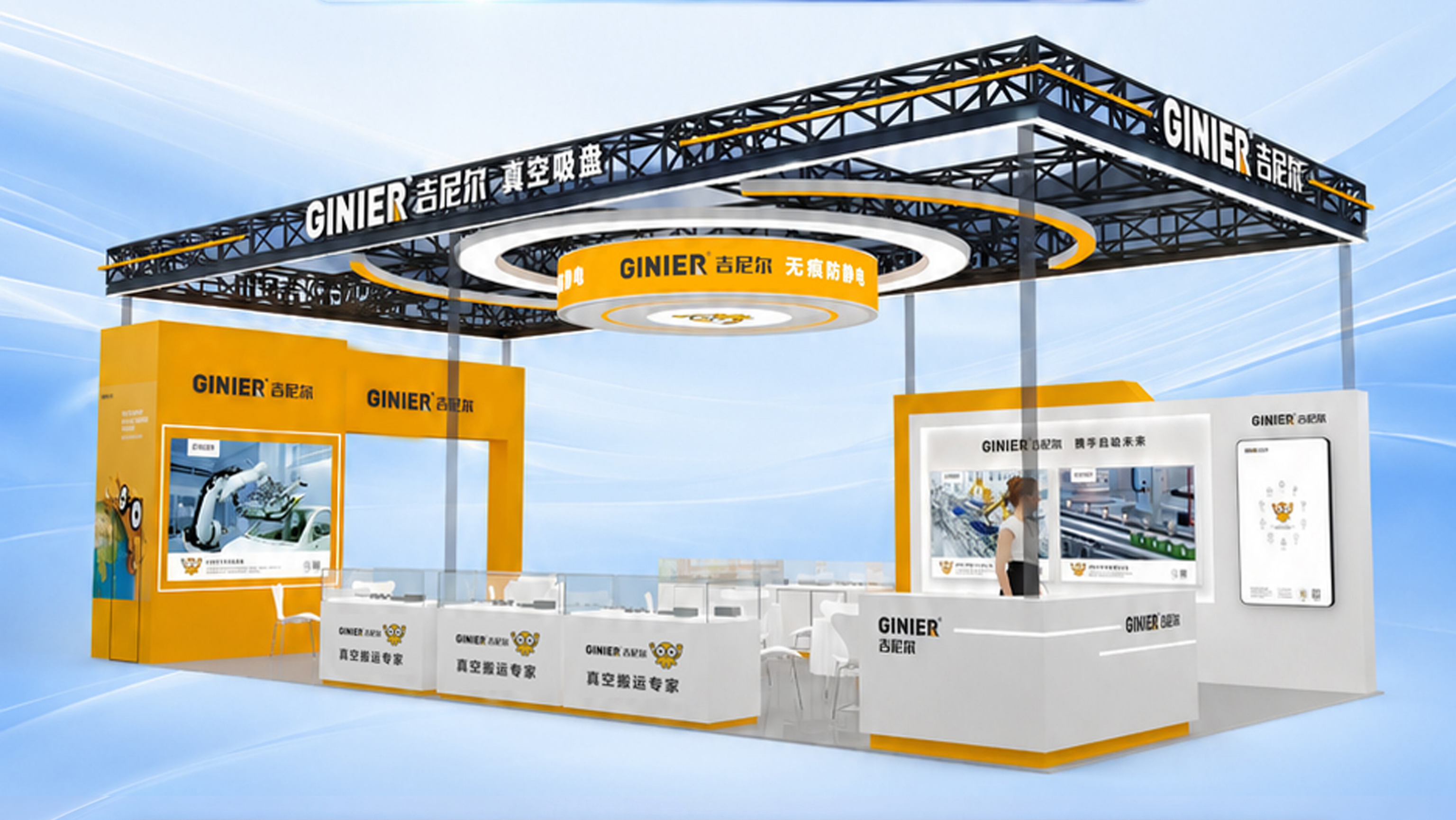
Meet GINIER | 2026 South China International Industry Fair

04

Aug

Meet GINIER | 2026 South China International Industry Fair

View More
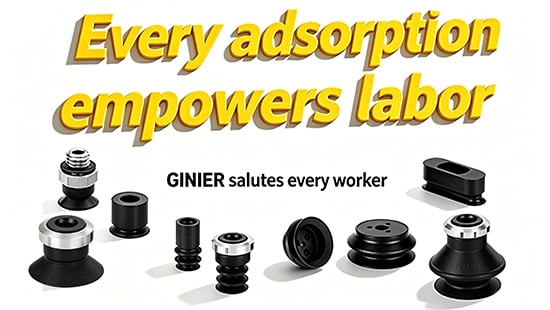
GINIER Wishes All Workers a Happy Labour Day

04

Aug

GINIER Wishes All Workers a Happy Labour Day

View More
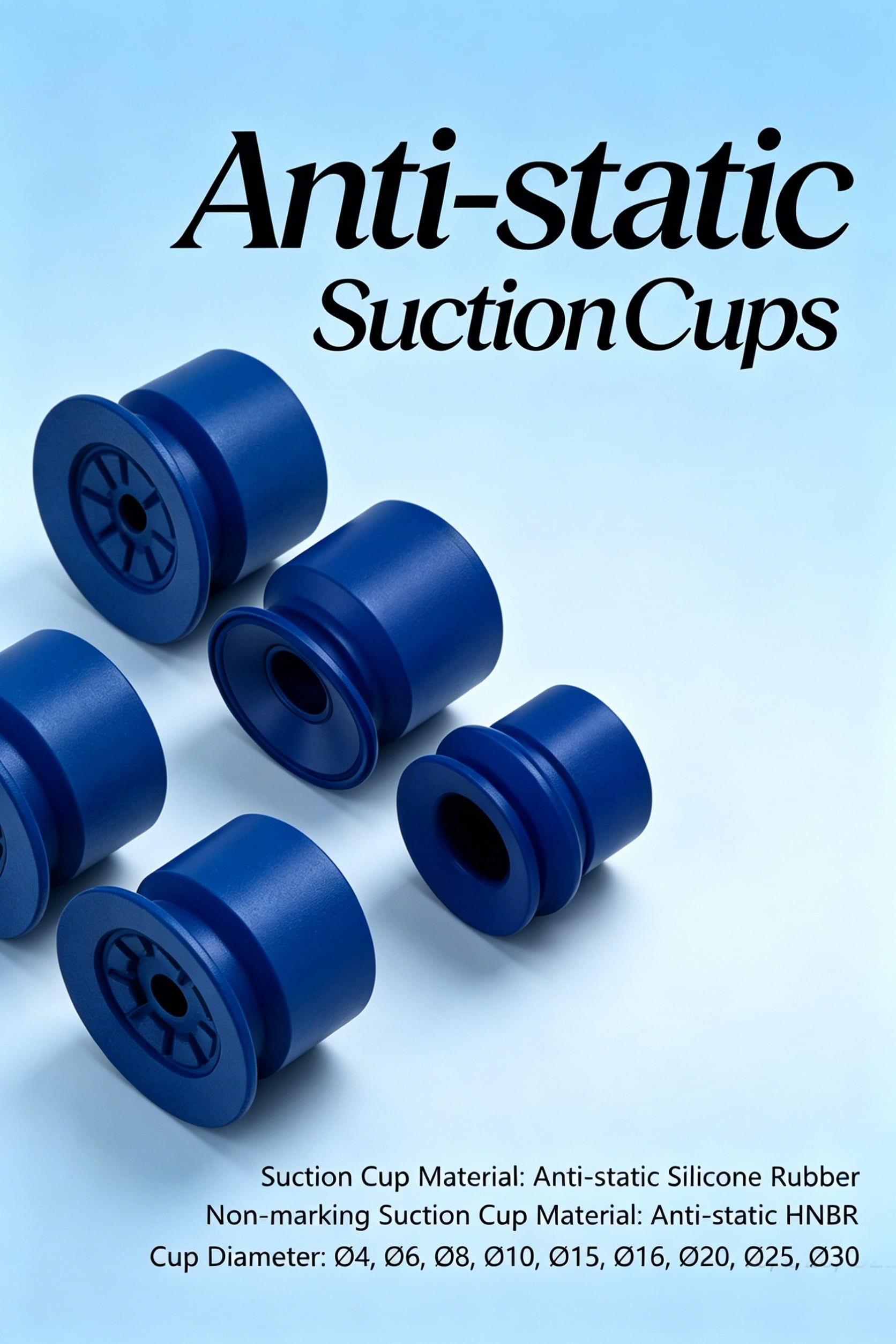
GINIER New HBUE Anti-static Suction Cups Launched

04

Aug

GINIER New HBUE Anti-static Suction Cups Launched

View More
Precision Gripping Technology

Precision Gripping Technology

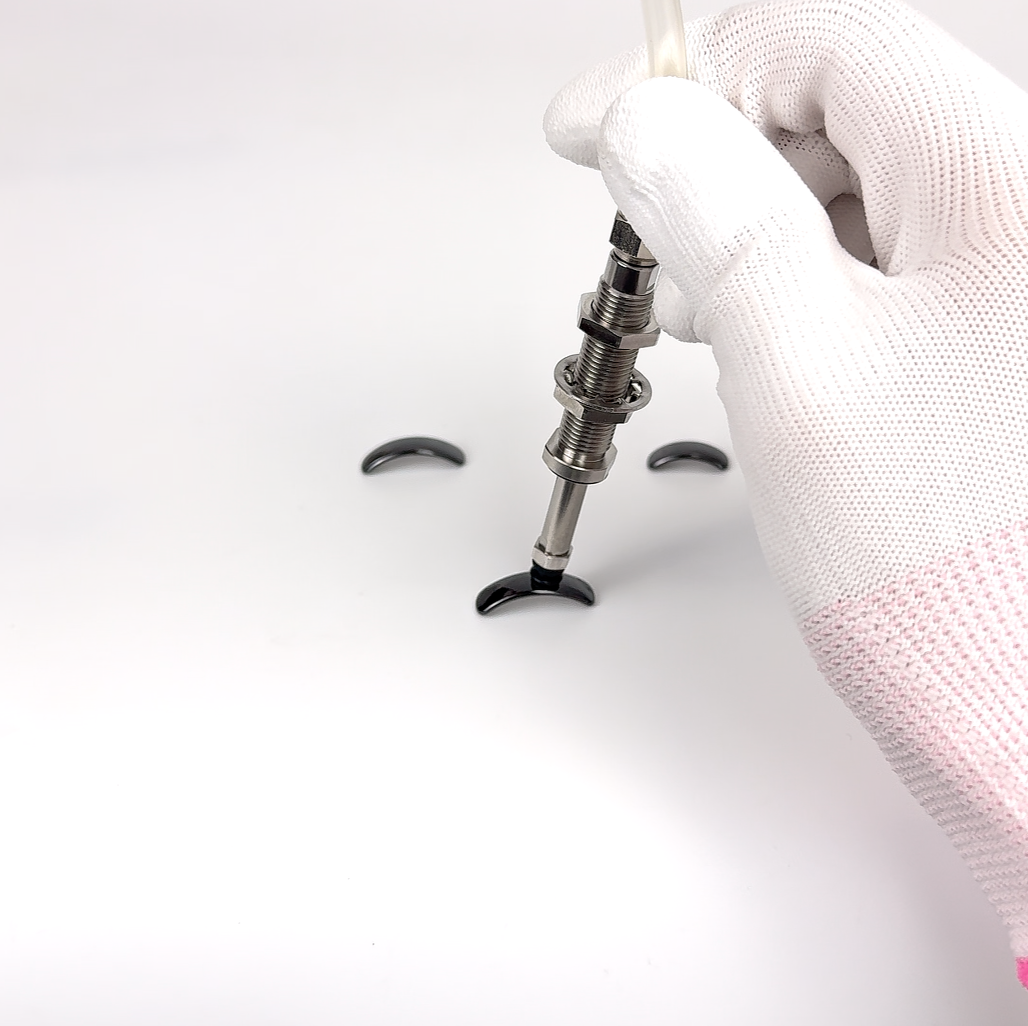
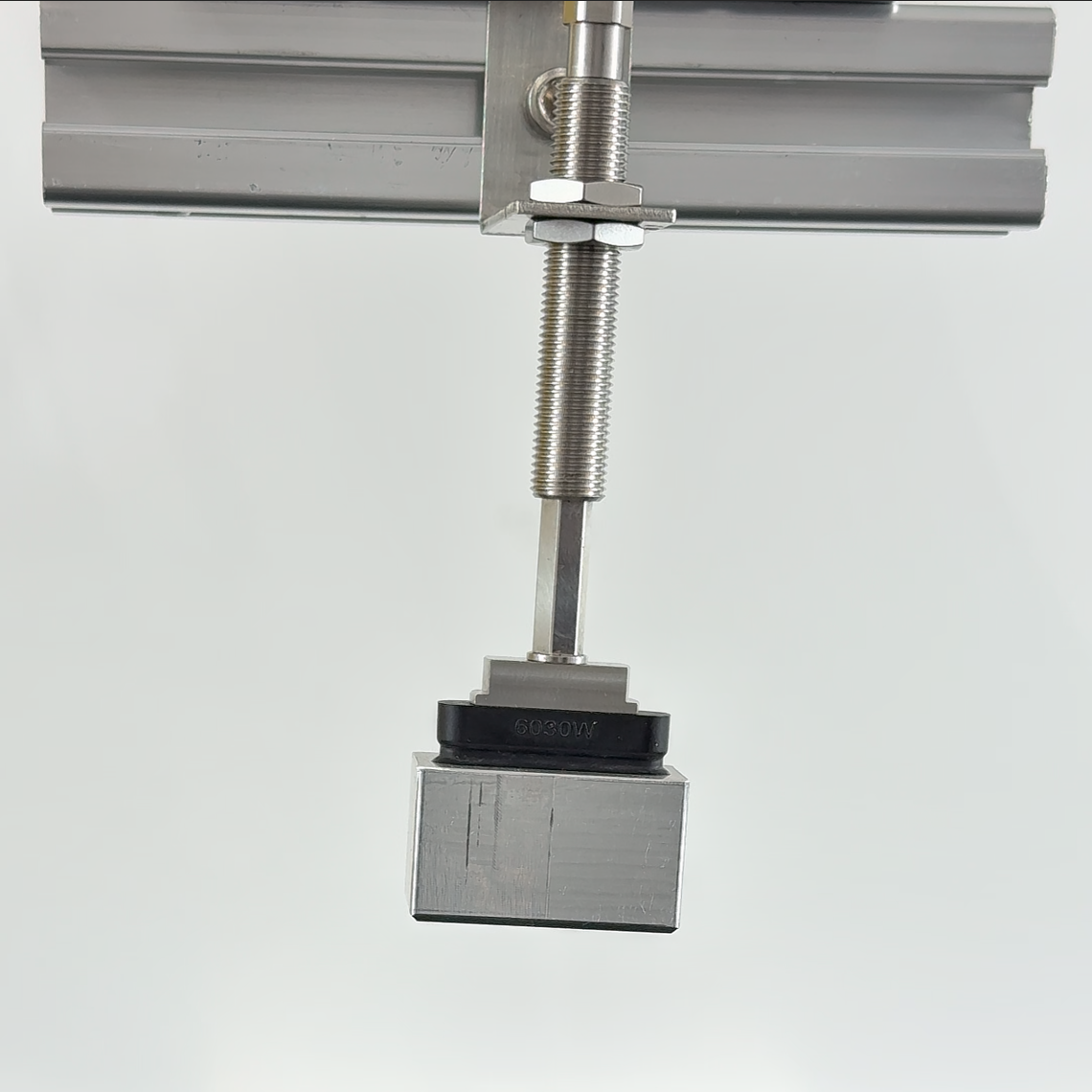
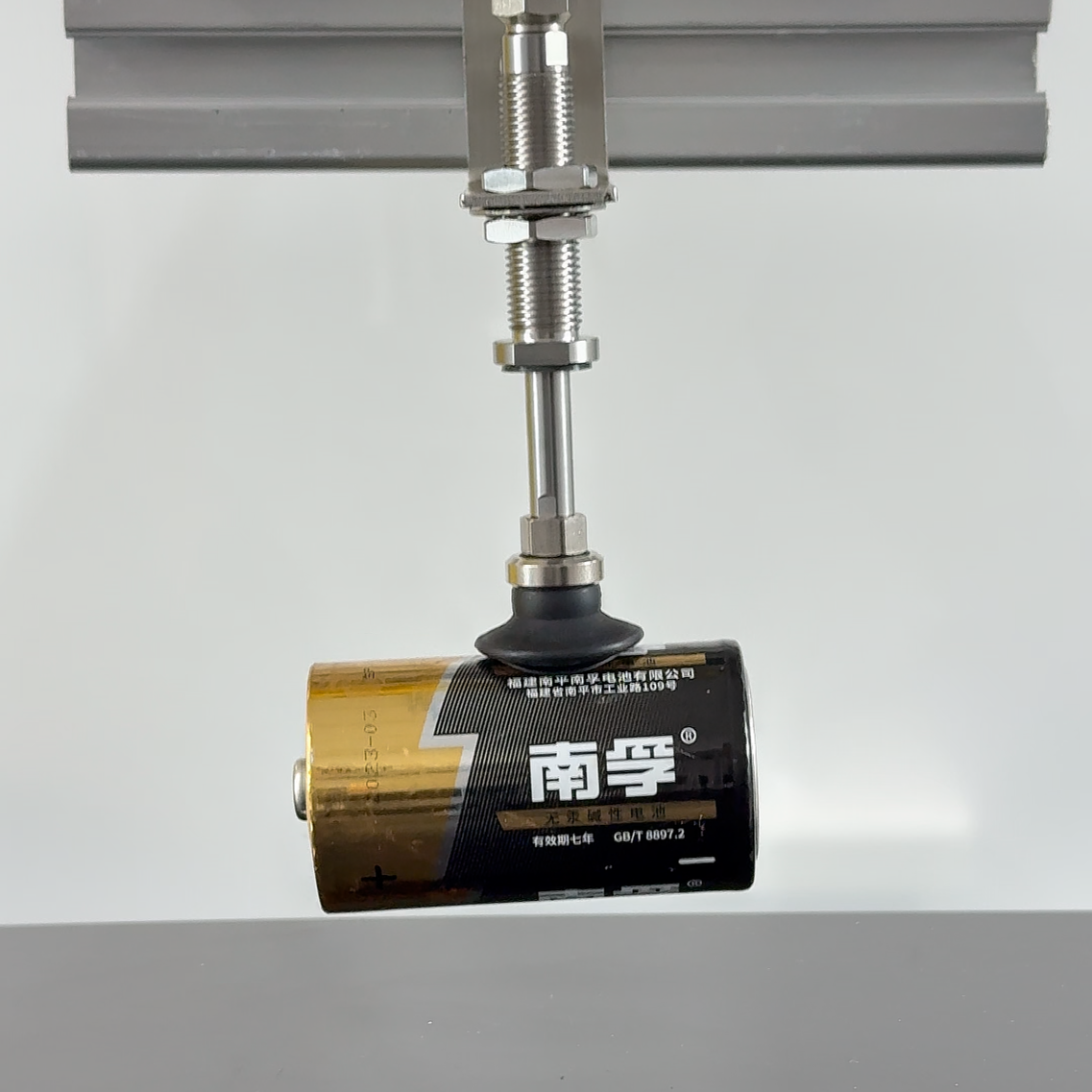
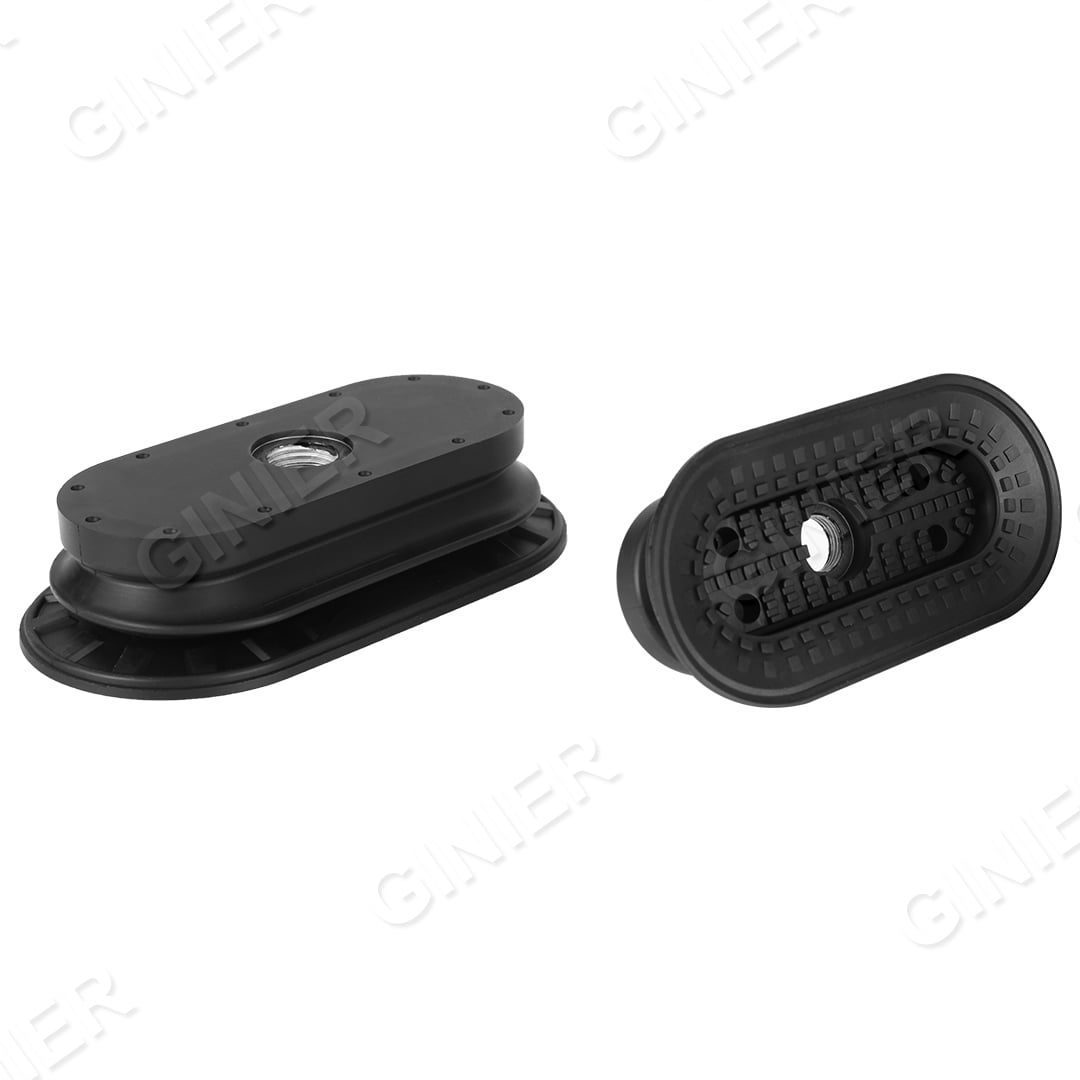
The industrial robot end effector incorporates advanced precision gripping technology that ensures secure, consistent handling of components across diverse applications. Modern gripping systems utilize adaptive force feedback mechanisms that detect object characteristics and automatically adjust grip strength proportionally. This intelligent technology prevents product damage while maintaining absolute security during transport and positioning. The industrial robot end effector gripping technology supports multiple configurations including pneumatic, hydraulic, and electric actuation, each optimized for specific material types and weight ranges. Vacuum-based gripping systems excel when handling smooth surfaces and delicate items, while mechanical grippers provide superior performance for irregular shapes and heavy materials. The precision achieved by the industrial robot end effector eliminates costly product damage, reduces scrap rates, and enhances overall manufacturing profitability. Manufacturers benefit from reduced material waste and improved production yields, ultimately strengthening their bottom line while maintaining consistent quality standards throughout production processes.
Sensor Integration and Real-Time Adaptation

Sensor Integration and Real-Time Adaptation

Contemporary industrial robot end effector systems integrate sophisticated sensor arrays that enable real-time environmental awareness and adaptive response capabilities. Vision systems, force sensors, and proximity detectors embedded within the industrial robot end effector provide continuous feedback during operations. This sensor intelligence allows the industrial robot end effector to detect position variations, compensate for material inconsistencies, and adjust movements dynamically. Real-time adaptation ensures robust performance even when encountering unexpected conditions or component variations. The industrial robot end effector responds instantaneously to sensor data, maintaining quality and preventing errors that would otherwise interrupt production. Advanced algorithms process sensor information, enabling the industrial robot end effector to self-correct and optimize performance continuously. This adaptive intelligence transforms manufacturing from rigid predetermined sequences to flexible responsive systems. Companies implementing sensor-equipped industrial robot end effector solutions experience reduced downtime, improved efficiency, and enhanced reliability. The capability to adapt automatically makes the industrial robot end effector invaluable for complex applications requiring precision and responsiveness.
Multi-Task Versatility and Easy Customization

Multi-Task Versatility and Easy Customization

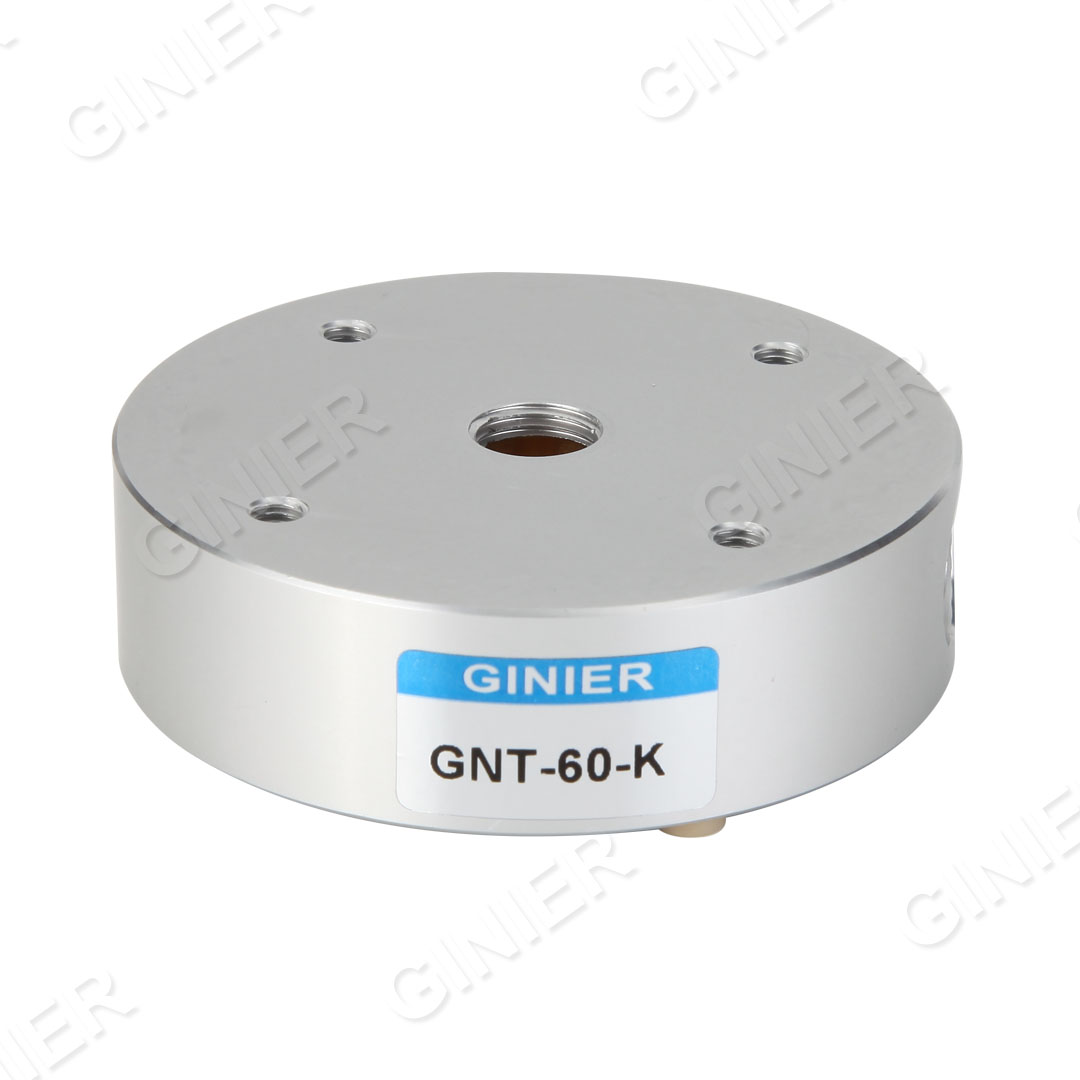
The industrial robot end effector's exceptional versatility enables manufacturers to deploy single robotic systems across multiple production tasks with minimal reconfiguration time. Quick-change coupling systems allow rapid industrial robot end effector replacement without disrupting production schedules. This modularity transforms capital investment efficiency, as one robotic arm accommodates numerous industrial robot end effector variations serving different purposes. Customization flexibility means manufacturers can select or develop industrial robot end effector configurations precisely matching their specific operational requirements. Whether requiring welding torch attachments, specialized grippers, precision measuring tools, or paint applicators, the industrial robot end effector adapts seamlessly. This versatility delivers exceptional return on investment by reducing equipment duplication and maximizing utilization rates. The industrial robot end effector's modular design enables rapid deployment in new applications, supporting business agility and manufacturing flexibility. Companies can expand production capabilities and enter new market segments without substantial additional capital expenditures, providing strategic advantages in competitive environments.