Robot End of Arm Tooling Solutions

application/robot-end-of-arm-tooling, application/robot-end-of-arm-tooling, 
Inquiry
Inquiry

robot end of arm tooling

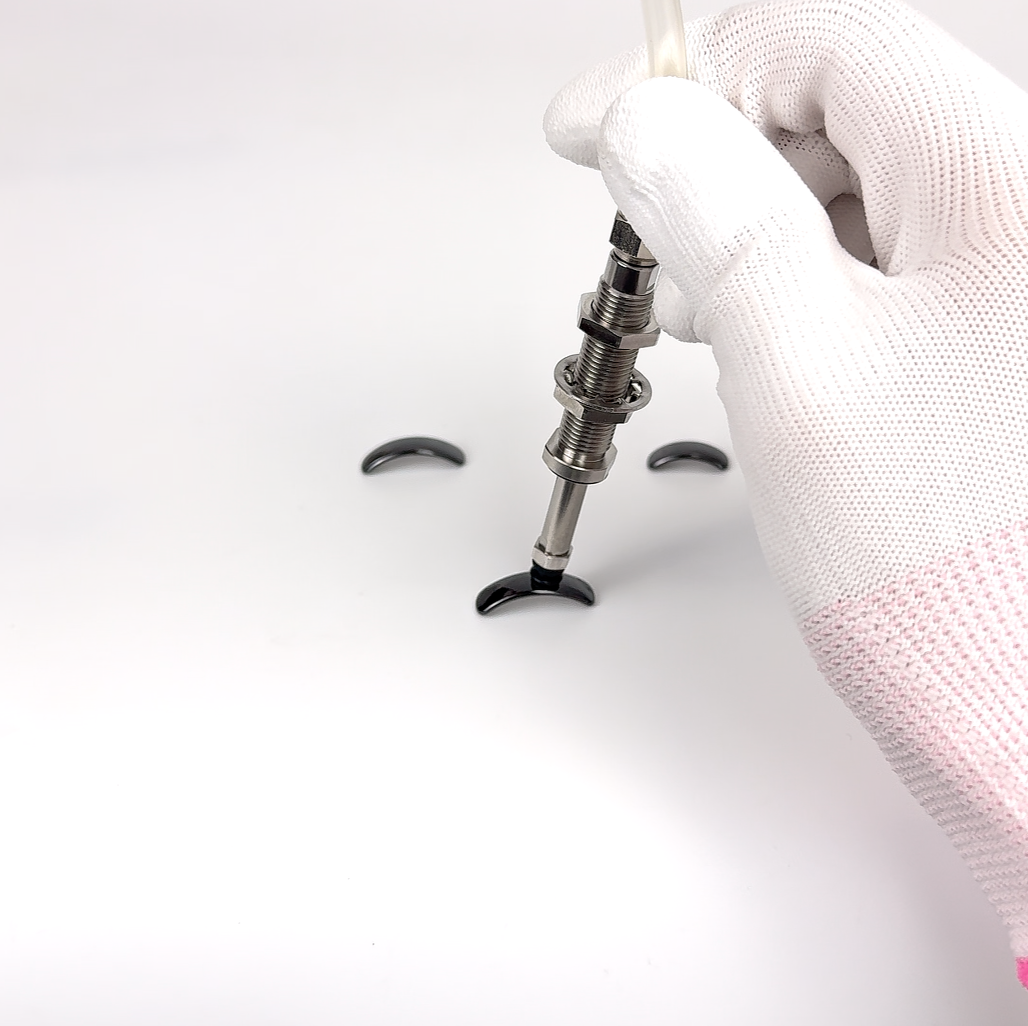
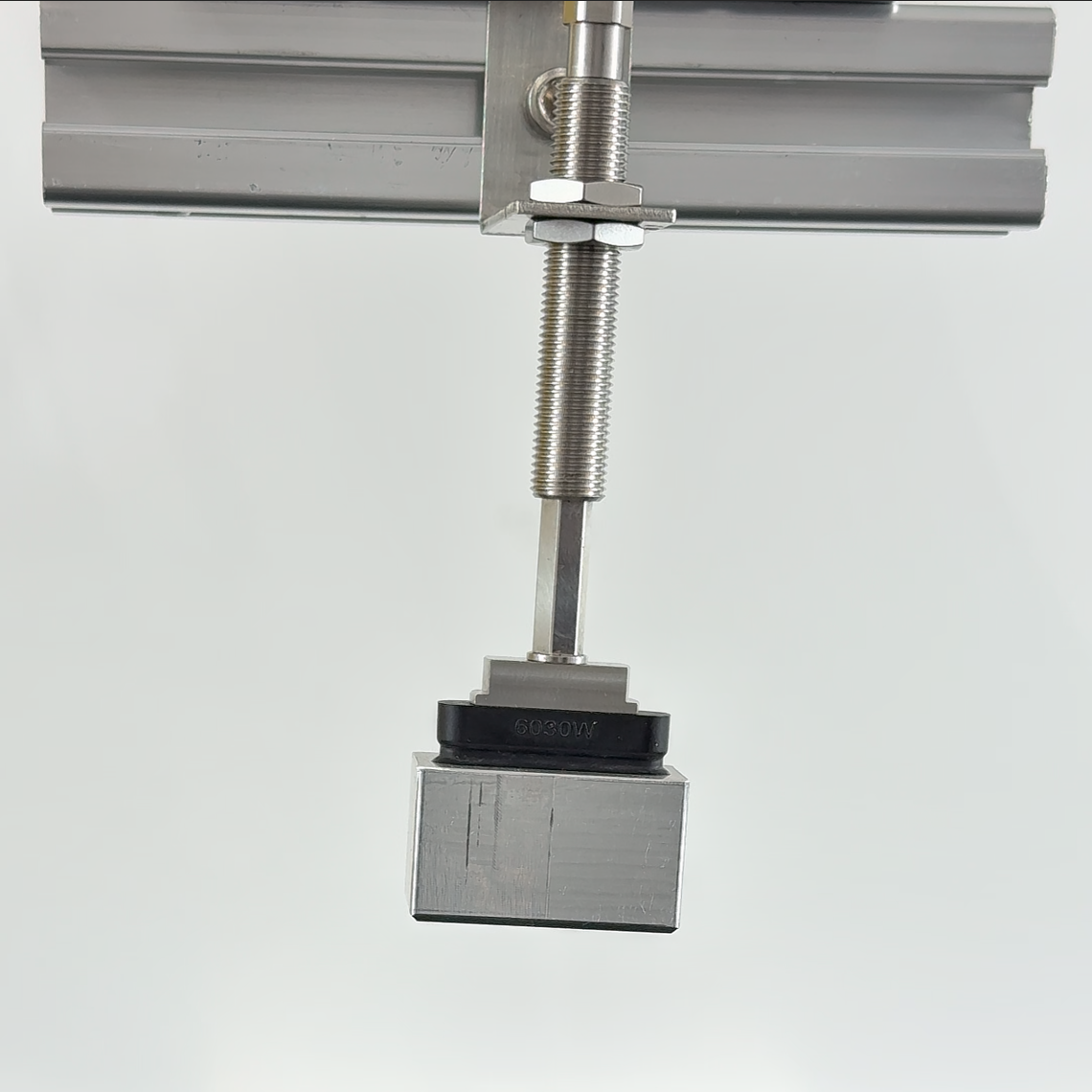
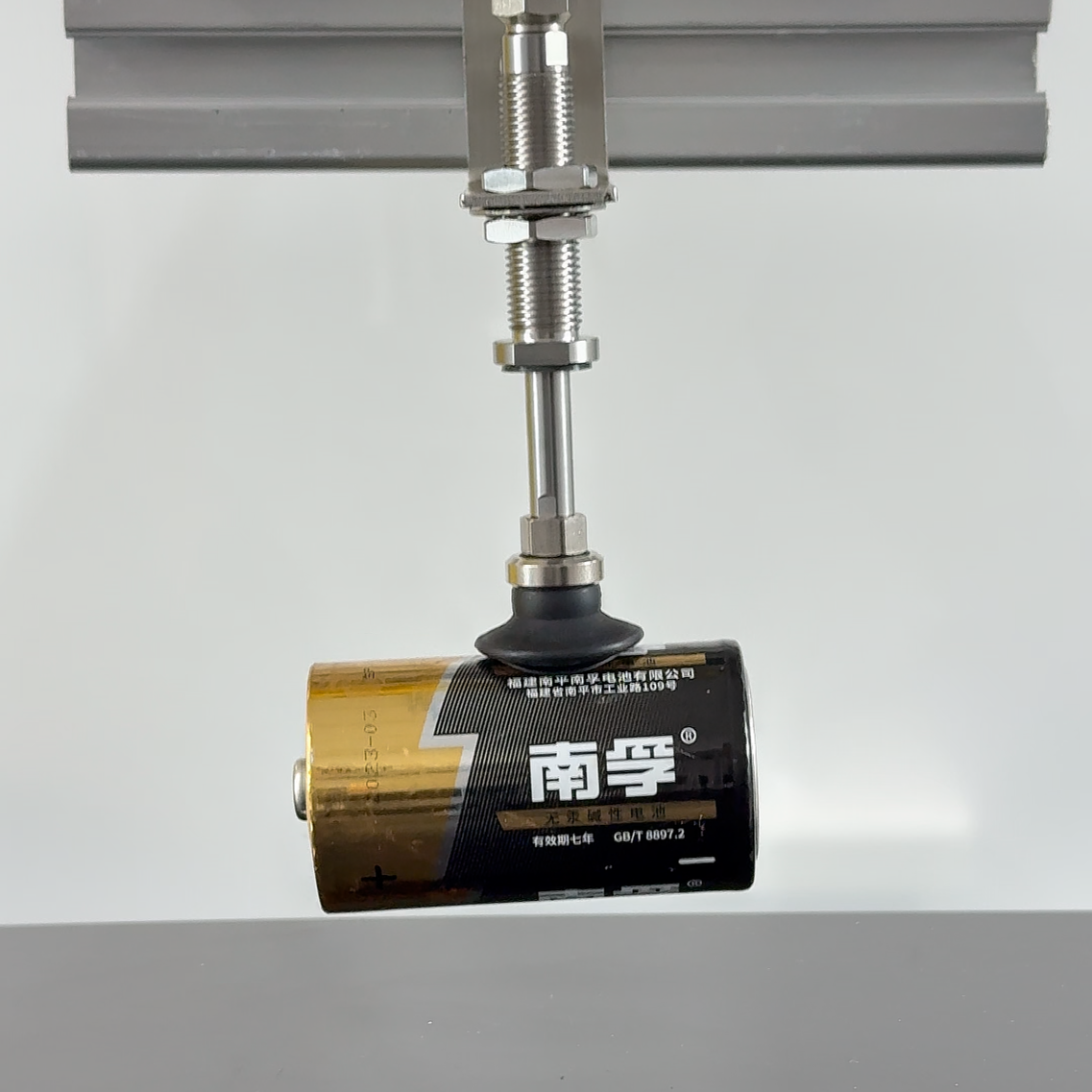
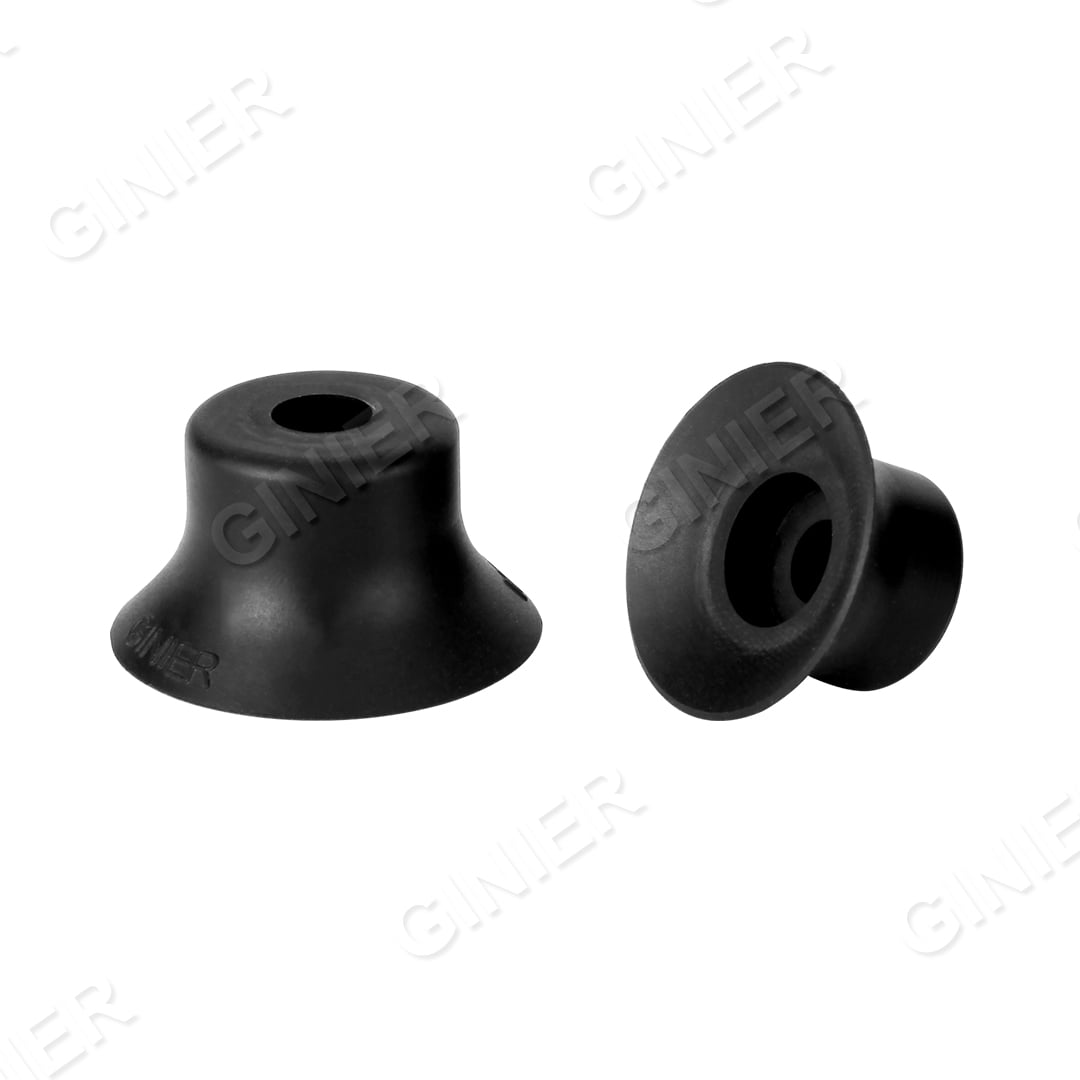
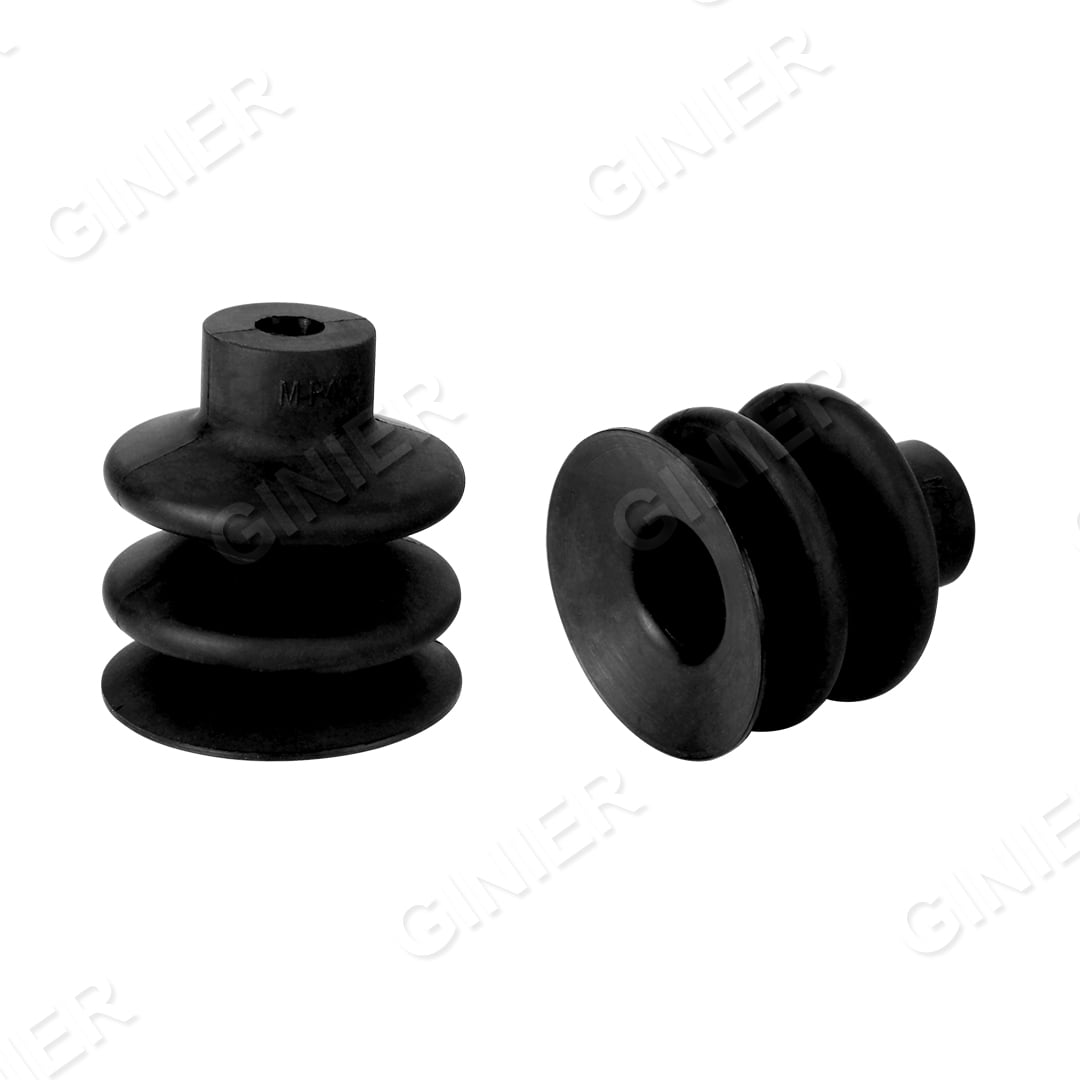
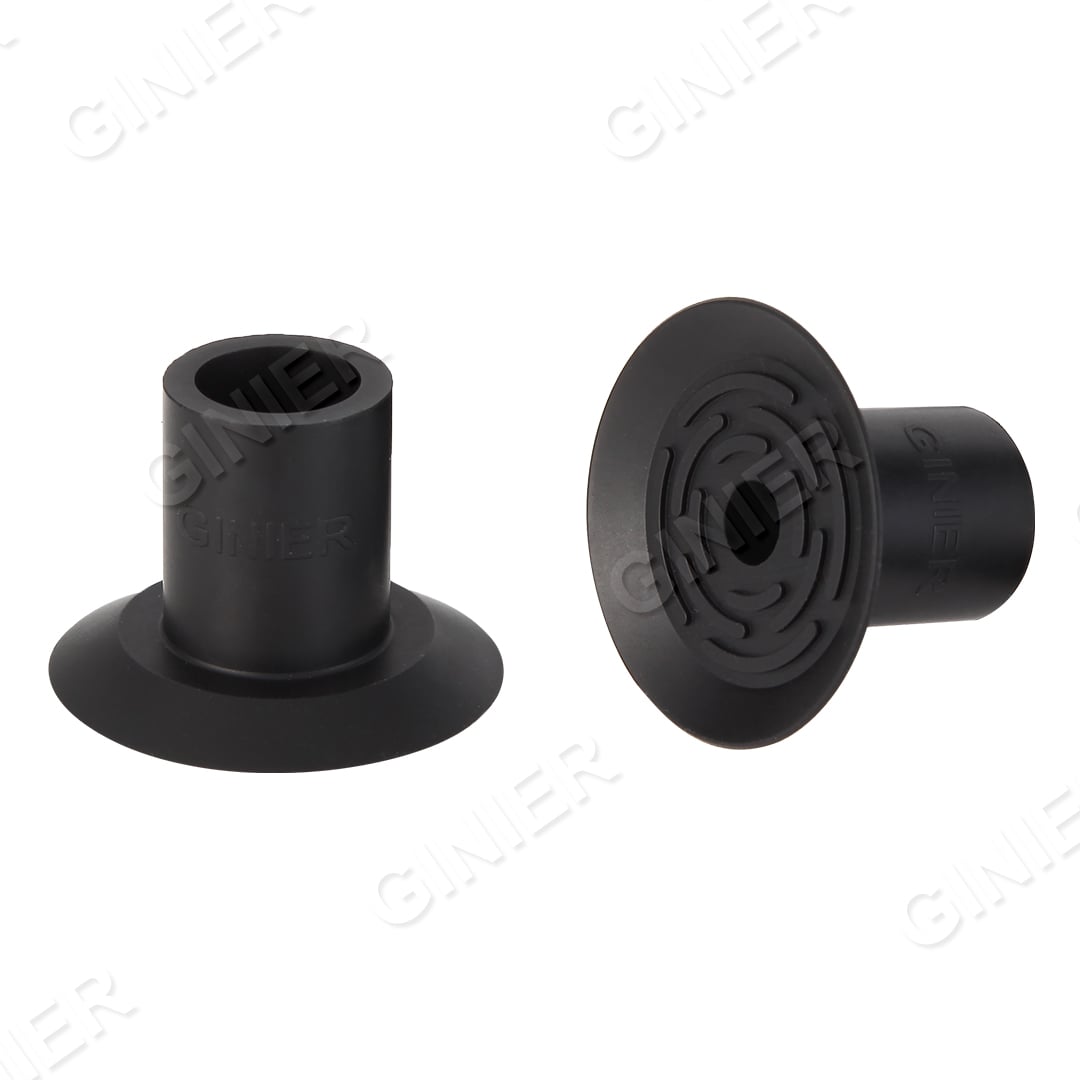
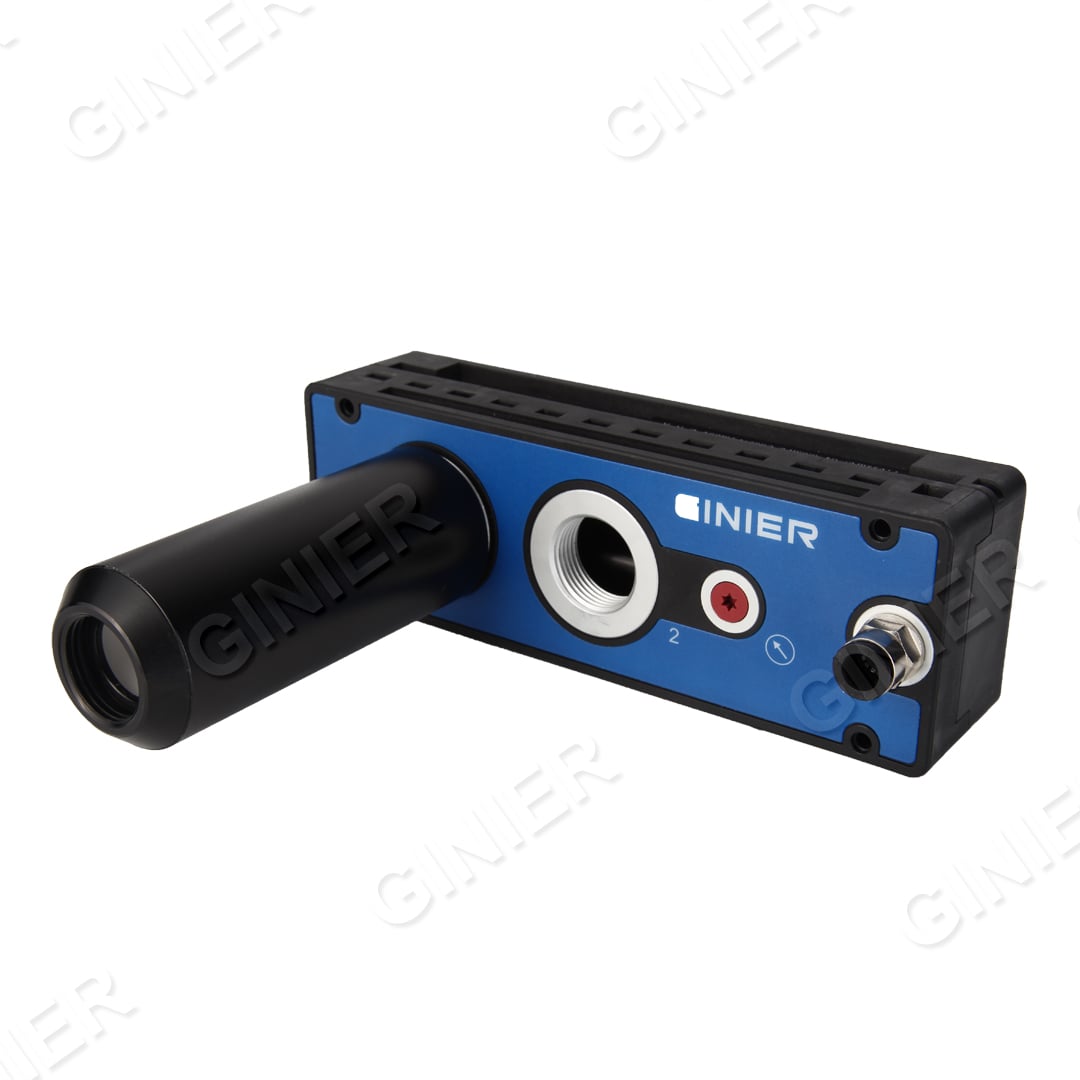
Robot end of arm tooling represents the critical interface between a robotic arm and the products or materials it handles during manufacturing operations. This specialized equipment attaches directly to the wrist of industrial robots, enabling them to perform diverse tasks with precision and efficiency. Robot end of arm tooling encompasses various devices including grippers, vacuum cups, magnetic holders, and customized fixtures designed for specific applications. The primary function of robot end of arm tooling is to securely grasp, manipulate, or position workpieces throughout production processes. These tools must withstand demanding industrial environments while maintaining accuracy and reliability. Modern robot end of arm tooling incorporates advanced sensory feedback systems, allowing robots to detect object presence and optimize handling techniques in real-time. Technologically, robot end of arm tooling features intelligent control systems that communicate seamlessly with robotic controllers. Integration capabilities enable automated tool changeover, reducing production downtime significantly. Many solutions include adaptive fingers that conform to irregular shapes, enhancing versatility across different manufacturing scenarios. Applications for robot end of arm tooling span numerous industries including automotive assembly, electronics manufacturing, food processing, and pharmaceutical production. In automotive facilities, robot end of arm tooling facilitates component assembly and material transfer. Electronics manufacturers utilize specialized versions for delicate circuit board handling. The pharmaceutical industry benefits from sterile, precision-oriented robot end of arm tooling designed for contamination prevention and dose accuracy.

Robot end of arm tooling delivers substantial operational benefits that transform manufacturing efficiency and product quality. The most significant advantage involves increased production speed, as these tools enable robots to execute repetitive tasks faster than human workers while maintaining consistency. Robot end of arm tooling eliminates fatigue-related errors, ensuring every component receives identical handling regardless of production duration. Cost reduction represents another compelling advantage of robot end of arm tooling. By automating handling processes, manufacturers reduce labor expenses while minimizing material waste through improved precision. Robot end of arm tooling enables safer working environments by removing employees from hazardous tasks involving heavy lifting, sharp materials, or toxic substances. Flexibility stands as a key operational benefit of robot end of arm tooling. Modern systems feature quick-change interfaces allowing rapid transitions between different tool configurations. This adaptability enables manufacturers to produce multiple product variations efficiently without extensive downtime. Quality improvements emerge from robot end of arm tooling's consistent performance capabilities. Unlike human handling, these tools maintain precise pressure and positioning, preventing product damage and ensuring compliance with strict manufacturing tolerances. Robot end of arm tooling reduces defect rates substantially, improving overall yield and customer satisfaction. Scalability represents practical value for growing businesses. Robot end of arm tooling systems grow with operational demands, supporting increased production volumes without proportional cost increases. Integration with existing automation infrastructure makes implementation straightforward for facilities modernizing their operations. The decision to invest in robot end of arm tooling addresses immediate productivity needs while future-proofing manufacturing capabilities against competitive pressures.

Tips And Tricks

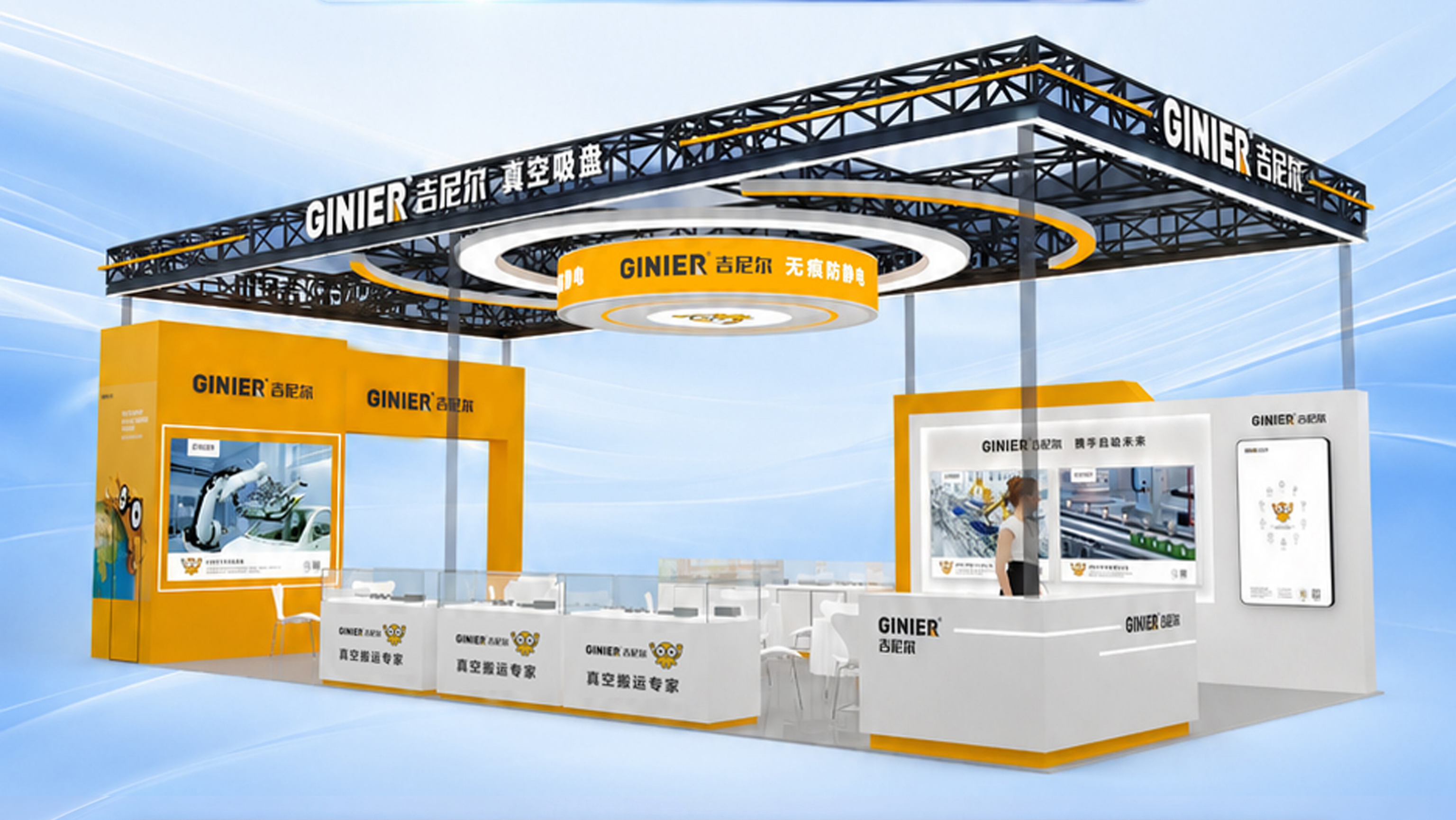
Meet GINIER | 2026 South China International Industry Fair

04

Aug

Meet GINIER | 2026 South China International Industry Fair

View More
GINIER Wishes All Workers a Happy Labour Day

04

Aug

GINIER Wishes All Workers a Happy Labour Day

View More
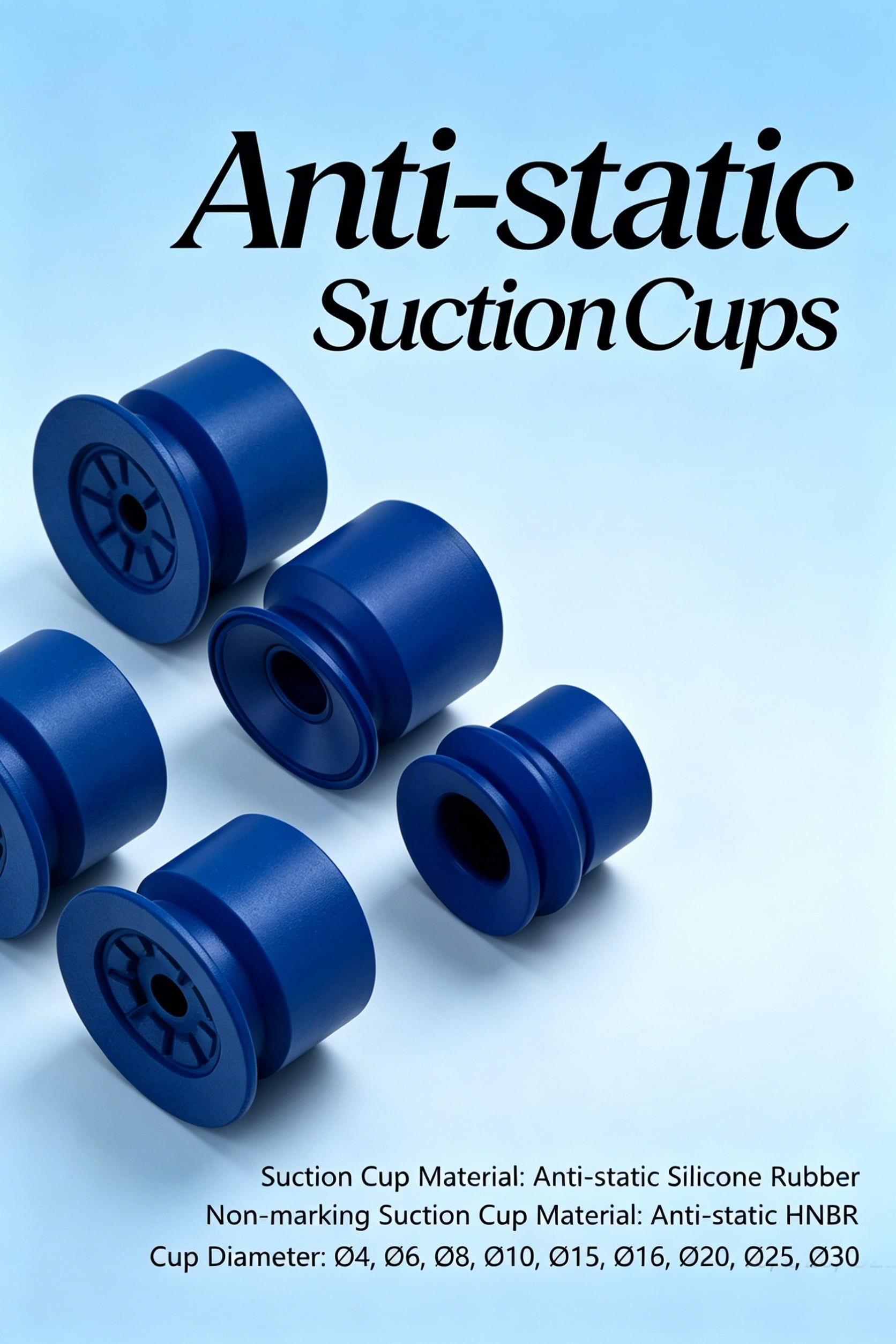
GINIER New HBUE Anti-static Suction Cups Launched

04

Aug

GINIER New HBUE Anti-static Suction Cups Launched

View More
Precision Handling with Adaptive Grip Technology

Precision Handling with Adaptive Grip Technology

Robot end of arm tooling incorporates advanced adaptive grip technology that automatically adjusts pressure and positioning based on object characteristics. This intelligent functionality enables single tools to handle products with varying sizes, weights, and material compositions safely. The adaptive mechanisms within robot end of arm tooling detect object geometry and density, optimizing grip force to prevent crushing delicate items while securely holding heavy components. This precision capability revolutionizes manufacturing flexibility by eliminating the need for multiple specialized tools. Robot end of arm tooling equipped with adaptive technology reduces changeover times substantially, allowing facilities to shift between different production runs without manual reconfiguration. The sensory feedback systems embedded in modern robot end of arm tooling provide real-time performance monitoring, ensuring consistent quality throughout production cycles. Manufacturers report significant improvements in product integrity and reduced material losses when implementing this advanced robot end of arm tooling technology.
Seamless Integration and Rapid Deployment

Seamless Integration and Rapid Deployment

Modern robot end of arm tooling features standardized interfaces and plug-and-play connectivity that integrate effortlessly with existing robotic automation systems. Advanced robot end of arm tooling solutions communicate directly with robotic controllers through established industrial protocols, enabling immediate functionality without extensive programming or customization. This seamless integration capability means manufacturers can deploy robot end of arm tooling rapidly, minimizing disruption to ongoing operations. Quick-change coupling systems revolutionize workflow efficiency by allowing operators to swap different robot end of arm tooling configurations in minutes rather than hours. This revolutionary aspect of robot end of arm tooling enables production facilities to maximize machine utilization across multiple product lines. The standardization embedded in contemporary robot end of arm tooling designs reduces training requirements for maintenance personnel and operators. Businesses benefit from faster implementation timelines when upgrading to advanced robot end of arm tooling, achieving productivity gains within weeks rather than months of installation.
Enhanced Durability and Reduced Maintenance Demands

Enhanced Durability and Reduced Maintenance Demands

Industrial-grade robot end of arm tooling withstands demanding manufacturing environments, featuring robust construction materials and sealed mechanisms that resist contamination and wear. Premium robot end of arm tooling incorporates corrosion-resistant coatings and reinforced components ensuring extended operational lifespan even in harsh conditions involving moisture, chemicals, or temperature extremes. The engineering excellence inherent in quality robot end of arm tooling significantly reduces maintenance frequency and associated downtime costs. Self-diagnostic capabilities embedded in advanced robot end of arm tooling systems alert operators to potential issues before failures occur, enabling preventive maintenance scheduling. This proactive approach to robot end of arm tooling management prevents unexpected production interruptions and maintains consistent manufacturing output. Durable robot end of arm tooling requires fewer replacement cycles, delivering superior total cost of ownership compared to lower-quality alternatives. The reliability engineered into professional-grade robot end of arm tooling justifies initial investment through years of dependable performance and minimal service requirements throughout operational life.