Pneumatic Robot Gripper Solutions

application/Pneumatic-robot-gripper, application/Pneumatic-robot-gripper, 
Inquiry
Inquiry

Pneumatic robot gripper

A pneumatic robot gripper is an advanced automation device that uses compressed air to grasp, hold, and release objects with precision and efficiency. This pneumatic robot gripper operates by converting pneumatic pressure into mechanical motion, allowing robotic systems to handle various materials and products in manufacturing environments. The pneumatic robot gripper functions as an essential end-effector in industrial automation, enabling robots to perform complex tasks across multiple industries. The primary function of a pneumatic robot gripper involves gripping diverse object shapes and sizes through finger movement powered by air pressure. Key technological features include rapid response times, adjustable grip force control, and compact design that maximizes workspace efficiency. The pneumatic robot gripper typically incorporates dual-finger or multi-finger configurations, allowing operators to customize gripping strategies based on specific application requirements. Applications for pneumatic robot grippers span automotive assembly, food processing, electronics manufacturing, and packaging operations. These devices excel in high-speed production environments where reliability and repeatability are critical. The pneumatic robot gripper delivers consistent performance in both light assembly tasks and heavy material handling scenarios. The technology behind pneumatic gripper systems enables seamless integration with existing robotic platforms and production lines. Modern pneumatic robot gripper designs feature modular components, making installation straightforward and reducing downtime during setup. Industries increasingly depend on pneumatic robot grippers to enhance productivity, improve safety, and maintain consistent quality standards throughout manufacturing processes.

The pneumatic robot gripper offers substantial operational benefits that directly impact production efficiency and cost-effectiveness. Unlike hydraulic alternatives, the pneumatic robot gripper provides faster response times, enabling manufacturers to achieve higher cycle rates without compromising accuracy or safety. This speed advantage translates directly into increased throughput and improved return on investment for facility operators. Cost efficiency represents another critical advantage of pneumatic robot grippers. The pneumatic robot gripper requires minimal maintenance compared to electric or hydraulic systems, reducing long-term operational expenses significantly. Compressed air systems are already prevalent in most manufacturing facilities, allowing seamless integration of pneumatic robot grippers without substantial infrastructure modifications. This compatibility eliminates costly equipment upgrades and accelerates implementation timelines. The pneumatic robot gripper excels in safety applications where sealed, clean operation is essential. Because pneumatic systems operate without oil leakage risks, the pneumatic robot gripper proves ideal for food, pharmaceutical, and medical device manufacturing. Workers benefit from reduced injury risks due to the gripper's inherent fail-safe characteristics and gentle handling capabilities. Flexibility stands out as a key practical benefit of pneumatic robot grippers. The pneumatic robot gripper adapts easily to diverse product types and changing production requirements through simple adjustments to air pressure and finger configurations. This versatility eliminates the need for multiple specialized grippers, reducing capital expenditure and storage requirements. Reliability in demanding environments showcases the pneumatic robot gripper's superior performance. Operators experience minimal downtime because pneumatic robot grippers withstand high-temperature conditions, dust-laden atmospheres, and harsh chemical exposures better than alternative technologies. This durability ensures consistent production schedules and predictable operational outcomes across varied industrial settings.

Practical Tips

Meet GINIER | 2026 South China International Industry Fair

04

Aug

Meet GINIER | 2026 South China International Industry Fair

View More
GINIER Wishes All Workers a Happy Labour Day

04

Aug

GINIER Wishes All Workers a Happy Labour Day

View More
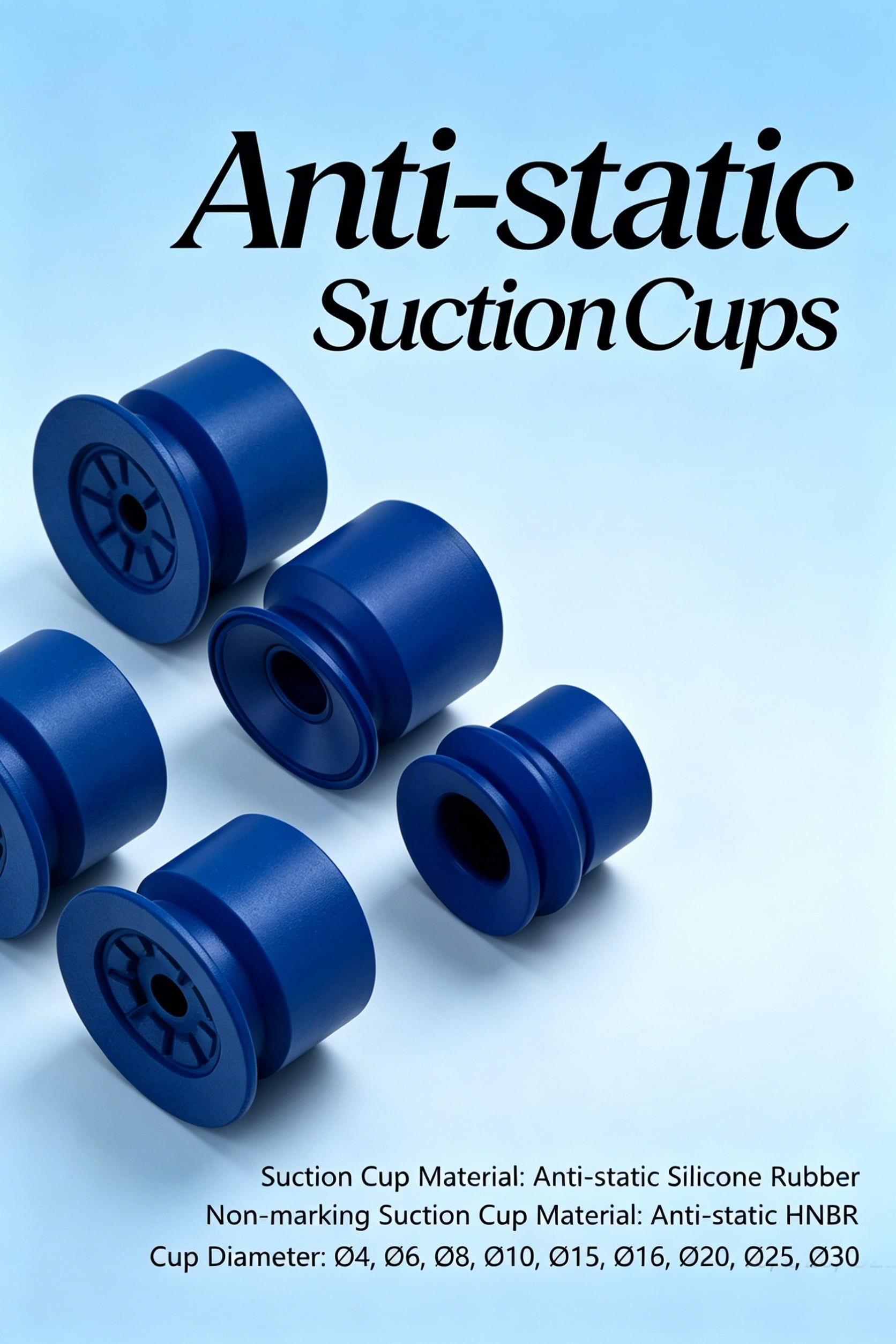
GINIER New HBUE Anti-static Suction Cups Launched

04

Aug

GINIER New HBUE Anti-static Suction Cups Launched

View More
Rapid Response and High-Speed Performance

Rapid Response and High-Speed Performance

The pneumatic robot gripper delivers exceptional speed capabilities that significantly enhance production throughput. With response times measured in milliseconds, the pneumatic robot gripper enables manufacturers to complete complex assembly tasks in compressed timeframes without sacrificing precision. This rapid performance characteristic makes the pneumatic robot gripper particularly valuable in high-volume manufacturing environments where every second impacts profitability. The pneumatic robot gripper's speed advantage stems from compressed air's instantaneous energy transfer properties. Unlike electric actuators requiring acceleration phases, the pneumatic robot gripper achieves full grip force almost immediately upon activation. This instantaneous response allows production lines to maintain consistent cycle times, reducing bottlenecks and maximizing equipment utilization throughout shifts. Manufacturers report productivity increases of fifteen to thirty percent after implementing pneumatic robot gripper technology in existing automated systems.
Low Maintenance Requirements and Cost Efficiency

Low Maintenance Requirements and Cost Efficiency

The pneumatic robot gripper stands out for its exceptional durability and minimal maintenance demands compared to competing technologies. Operators appreciate the pneumatic robot gripper's straightforward design, which contains fewer moving parts than hydraulic or electric alternatives, reducing wear and potential failure points. This simplicity translates into lower maintenance costs and extended service intervals for the pneumatic robot gripper across facility operations. The pneumatic robot gripper leverages existing compressed air infrastructure in most manufacturing plants, eliminating expensive system installations or modifications. Since facilities typically maintain central air compressor systems for various pneumatic tools, integrating a pneumatic robot gripper requires minimal additional investment. Facility managers recognize that pneumatic robot gripper adoption protects capital budgets while immediately improving operational capabilities. The absence of hydraulic fluid reduces environmental liability concerns and simplifies disposal procedures.
Versatile Application Suitability and Adaptive Performance

Versatile Application Suitability and Adaptive Performance

The pneumatic robot gripper demonstrates remarkable versatility across diverse manufacturing applications and product types. By adjusting compressed air pressure settings, operators customize the pneumatic robot gripper's grip force to handle delicate items or robust components safely. This adaptive capability means a single pneumatic robot gripper configuration serves multiple production needs, eliminating equipment redundancy and optimizing floor space utilization. The pneumatic robot gripper excels in temperature-sensitive environments where thermal stability matters significantly. Food processing operations, pharmaceutical manufacturing, and medical device assembly all benefit from the pneumatic robot gripper's ability to maintain consistent performance in varying climate conditions. Operators report that the pneumatic robot gripper's sealed design prevents contamination issues that plague alternative technologies, ensuring products meet stringent quality and safety standards throughout manufacturing processes.