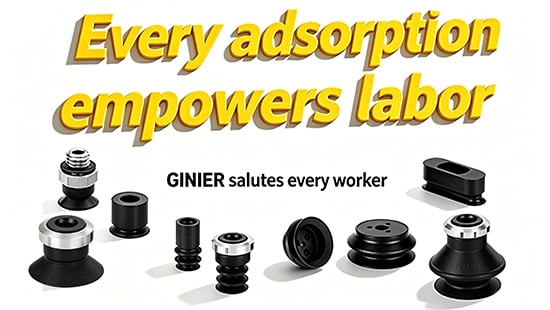
Vacuum Material Handling System

application/vacuum-material-handling-system, application/vacuum-material-handling-system, 
Inquiry
Inquiry

vacuum material handling system

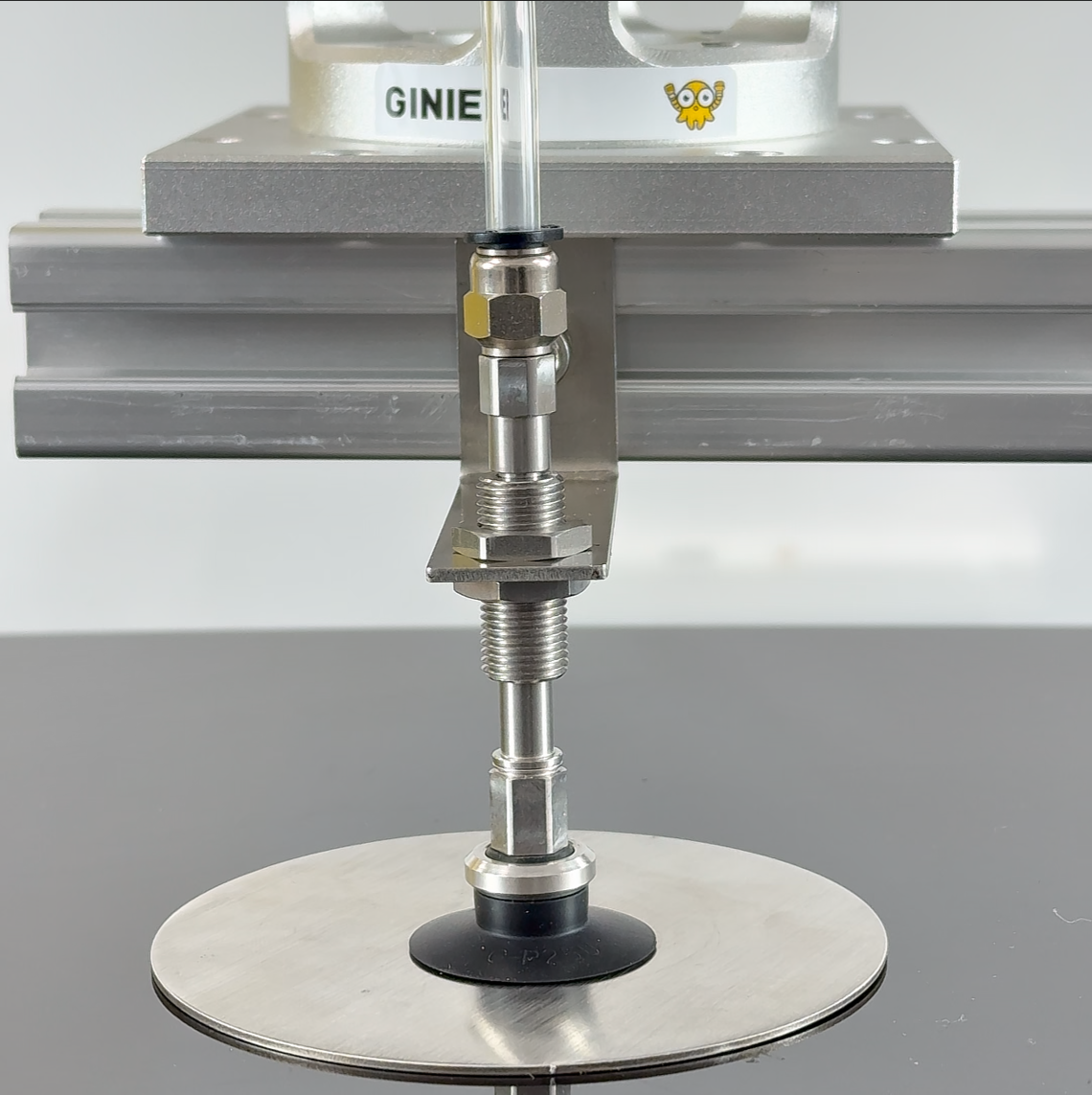
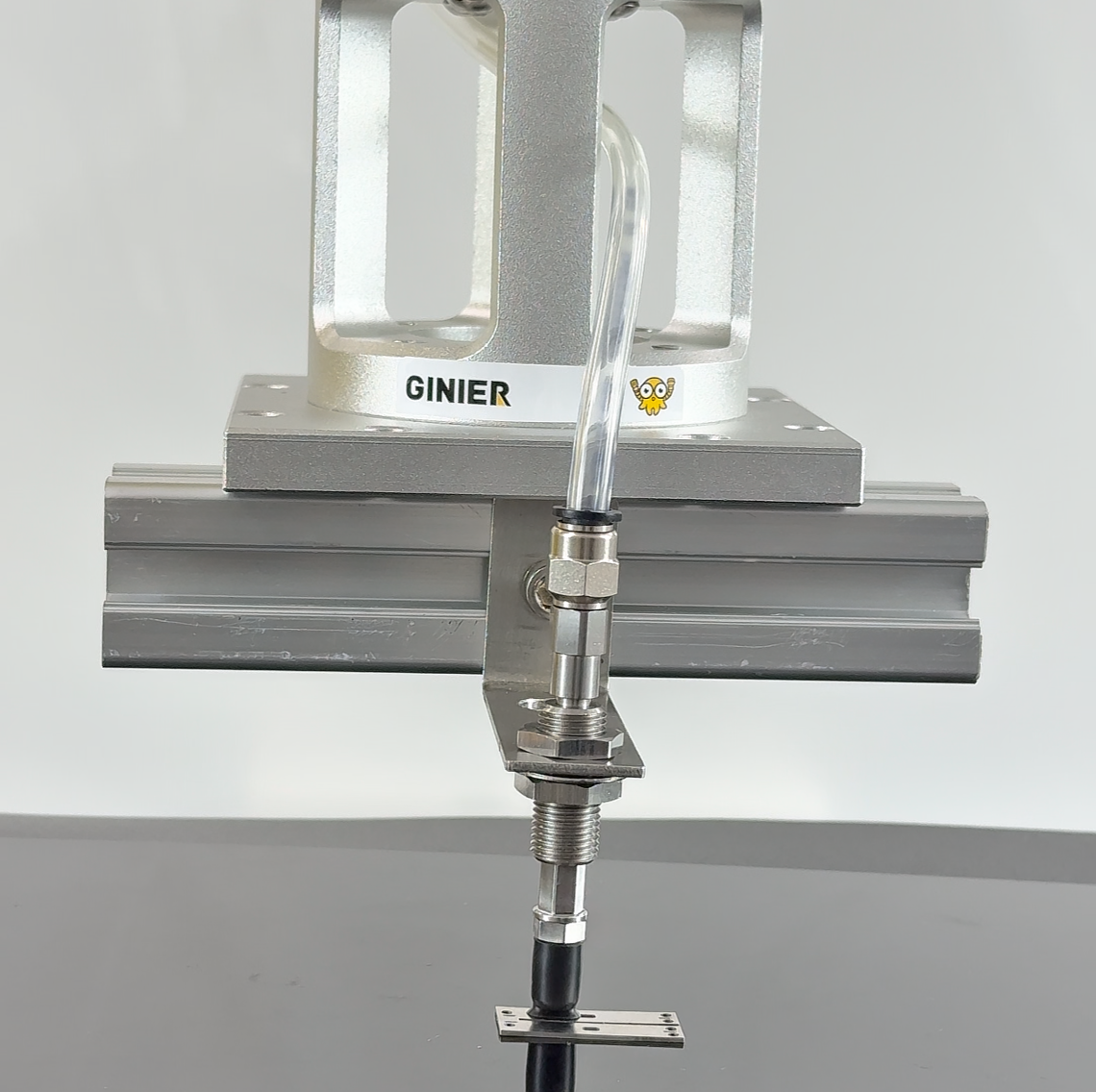
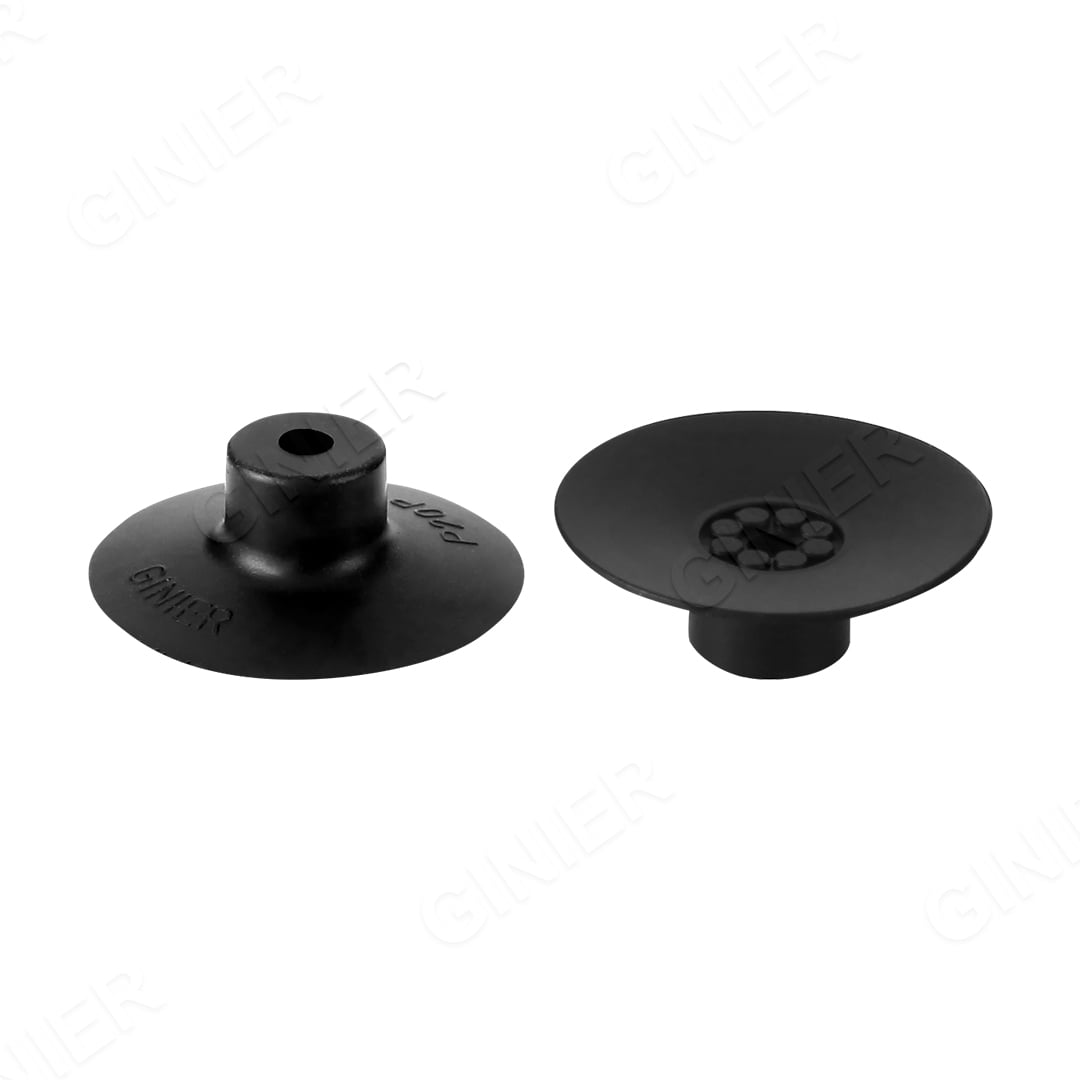
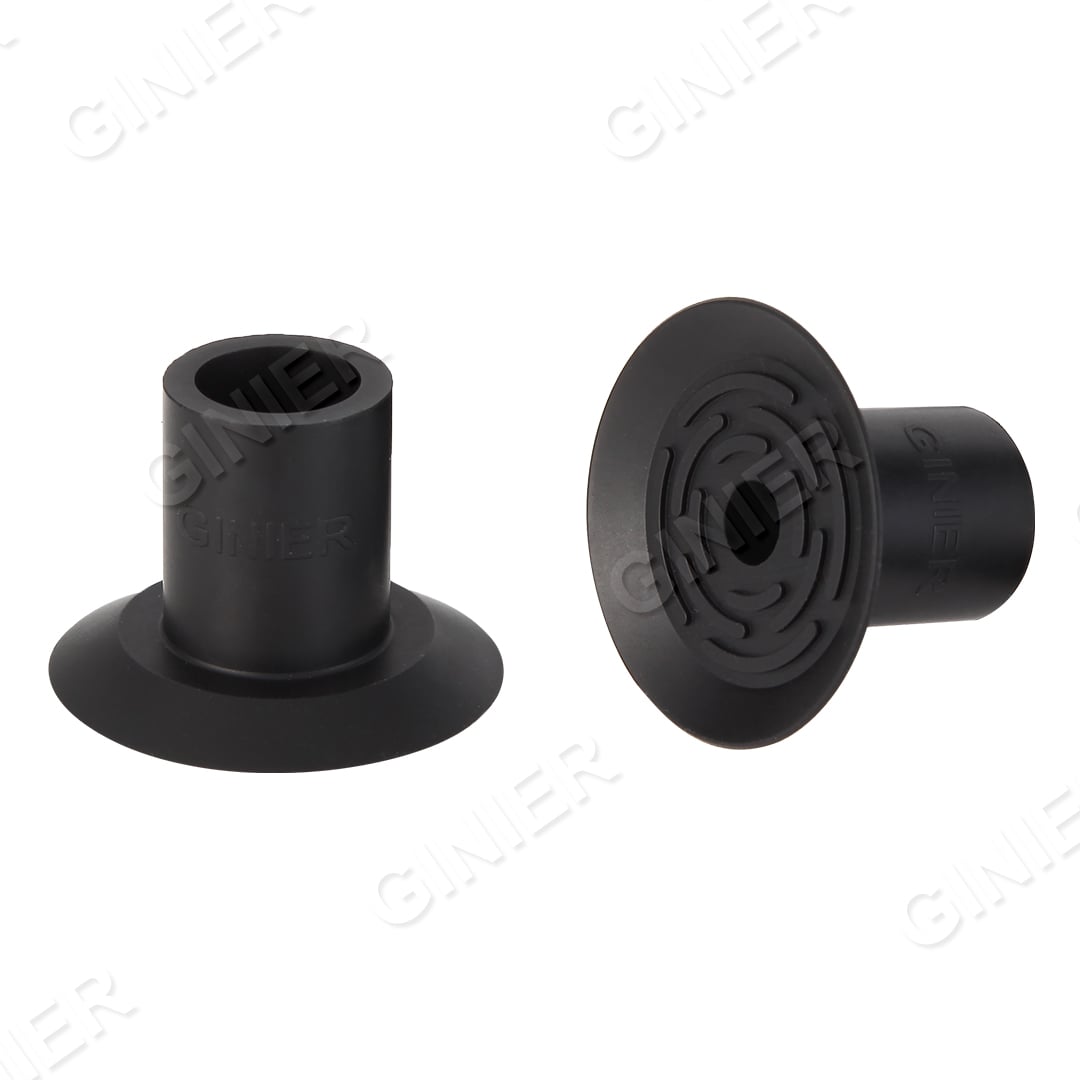
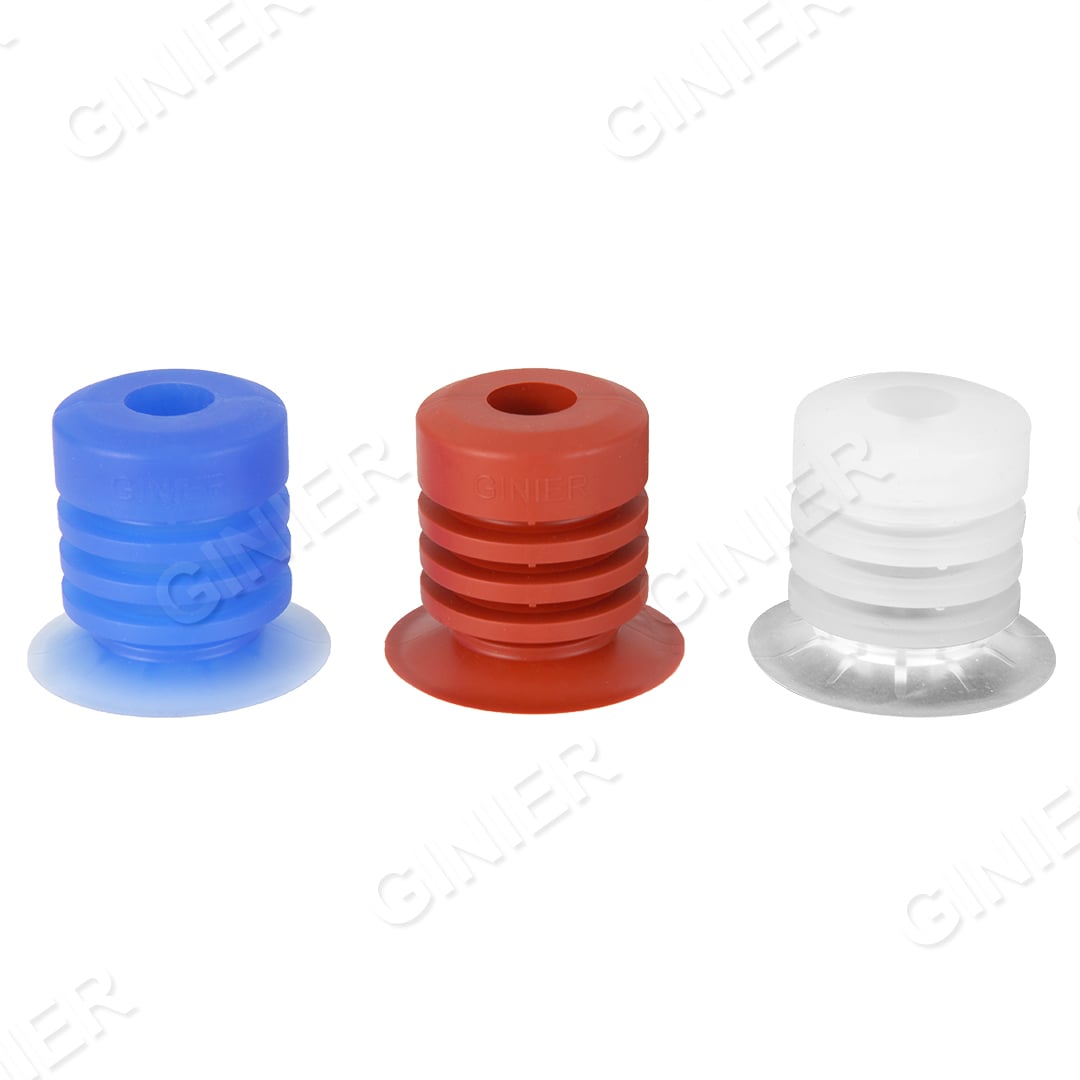
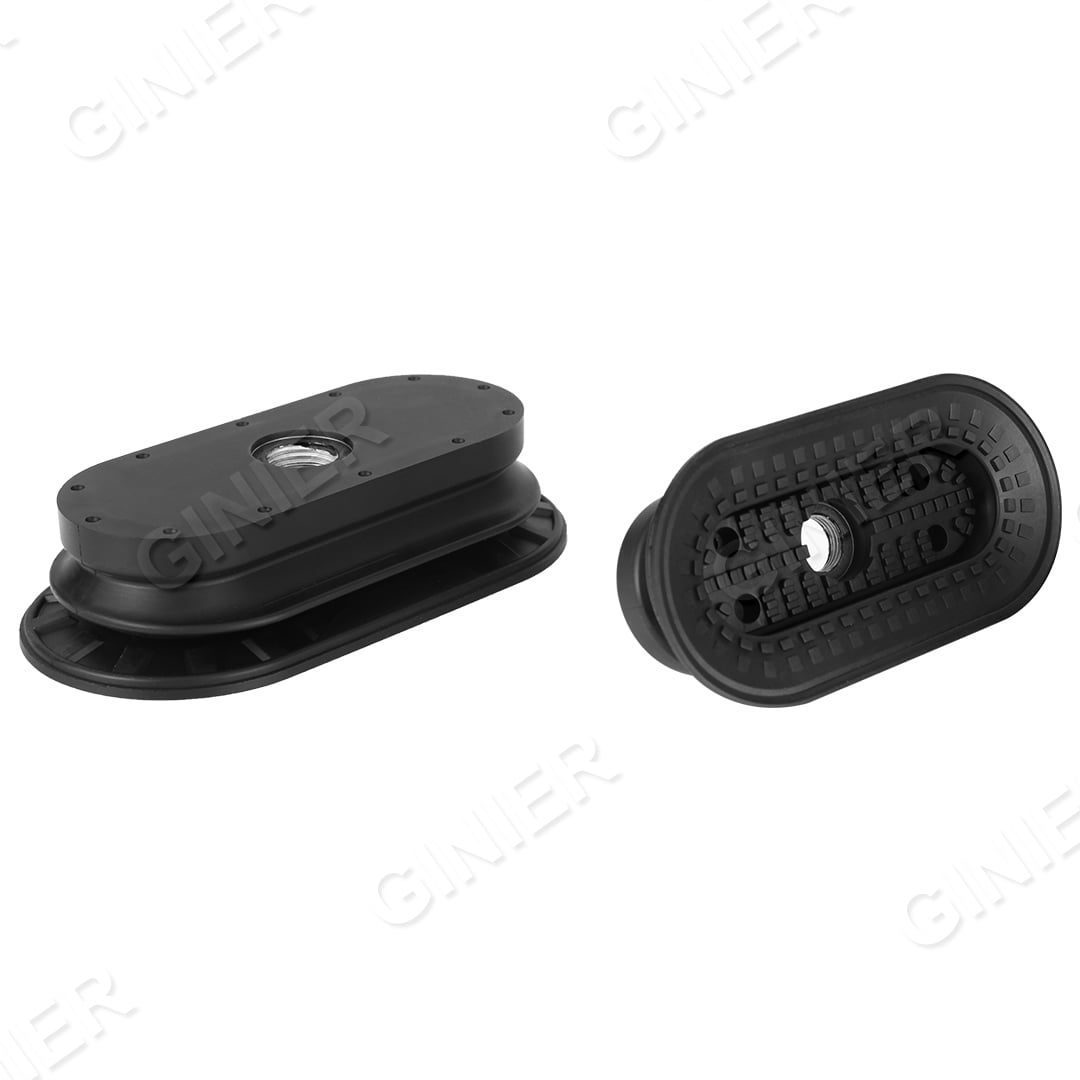
A vacuum material handling system represents a sophisticated solution designed to transport, lift, and manipulate materials efficiently across industrial environments. This vacuum material handling system operates using negative pressure principles to securely grip and move various materials without direct contact, making it ideal for handling delicate, fragile, or sensitive products. The core technology behind a vacuum material handling system involves strategically positioned suction cups or vacuum grippers that create powerful adhesion forces, enabling seamless material movement throughout production facilities. The vacuum material handling system incorporates advanced technological features including automated pressure regulation, real-time monitoring sensors, and intelligent control systems that optimize performance across different material types and weights. Modern vacuum material handling system designs integrate smart connectivity options, allowing operators to track operations remotely and adjust settings instantaneously. These systems feature durable construction materials that withstand demanding industrial conditions while maintaining consistent performance reliability. Applications for a vacuum material handling system span numerous industries, including automotive manufacturing, packaging operations, pharmaceutical production, and electronics assembly. The vacuum material handling system excels in environments requiring precision handling, contamination prevention, and high-speed operations. From picking and placing individual components to transferring large panels and sheets, this vacuum material handling system proves indispensable for modern industrial automation, significantly enhancing productivity and reducing material damage rates across diverse operational contexts.

A vacuum material handling system delivers exceptional operational advantages that directly impact your facility's efficiency and profitability. This innovative vacuum material handling system eliminates product damage by using gentle suction forces instead of mechanical gripping, protecting materials throughout the handling process and reducing waste costs substantially. Operators benefit from reduced physical strain because the vacuum material handling system automates repetitive lifting and moving tasks, improving workplace safety and employee satisfaction while decreasing injury-related expenses. The vacuum material handling system enhances production speed significantly by enabling rapid, consistent material transfer across multiple workstations without manual intervention delays. Your facility gains flexibility with a vacuum material handling system that adapts to various material types, sizes, and surface textures, eliminating the need for multiple specialized equipment investments. Maintenance requirements remain minimal because a vacuum material handling system contains fewer moving parts than traditional conveyor systems, translating to lower downtime and reduced operational expenses. Cost savings emerge through multiple channels when implementing a vacuum material handling system. Energy consumption decreases compared to pneumatic alternatives, directly lowering utility bills throughout facility operations. The vacuum material handling system integrates seamlessly with existing automation infrastructure, minimizing installation disruptions and implementation timelines. Quality improvements become immediately apparent as a vacuum material handling system maintains consistent material positioning and handling precision, reducing defects and rework requirements. Decision-makers appreciate how a vacuum material handling system delivers rapid return on investment through enhanced throughput, decreased labor costs, minimized product loss, and improved overall operational efficiency. These practical benefits make a vacuum material handling system an intelligent choice for facilities seeking competitive advantages in today's demanding manufacturing environment.

Latest News

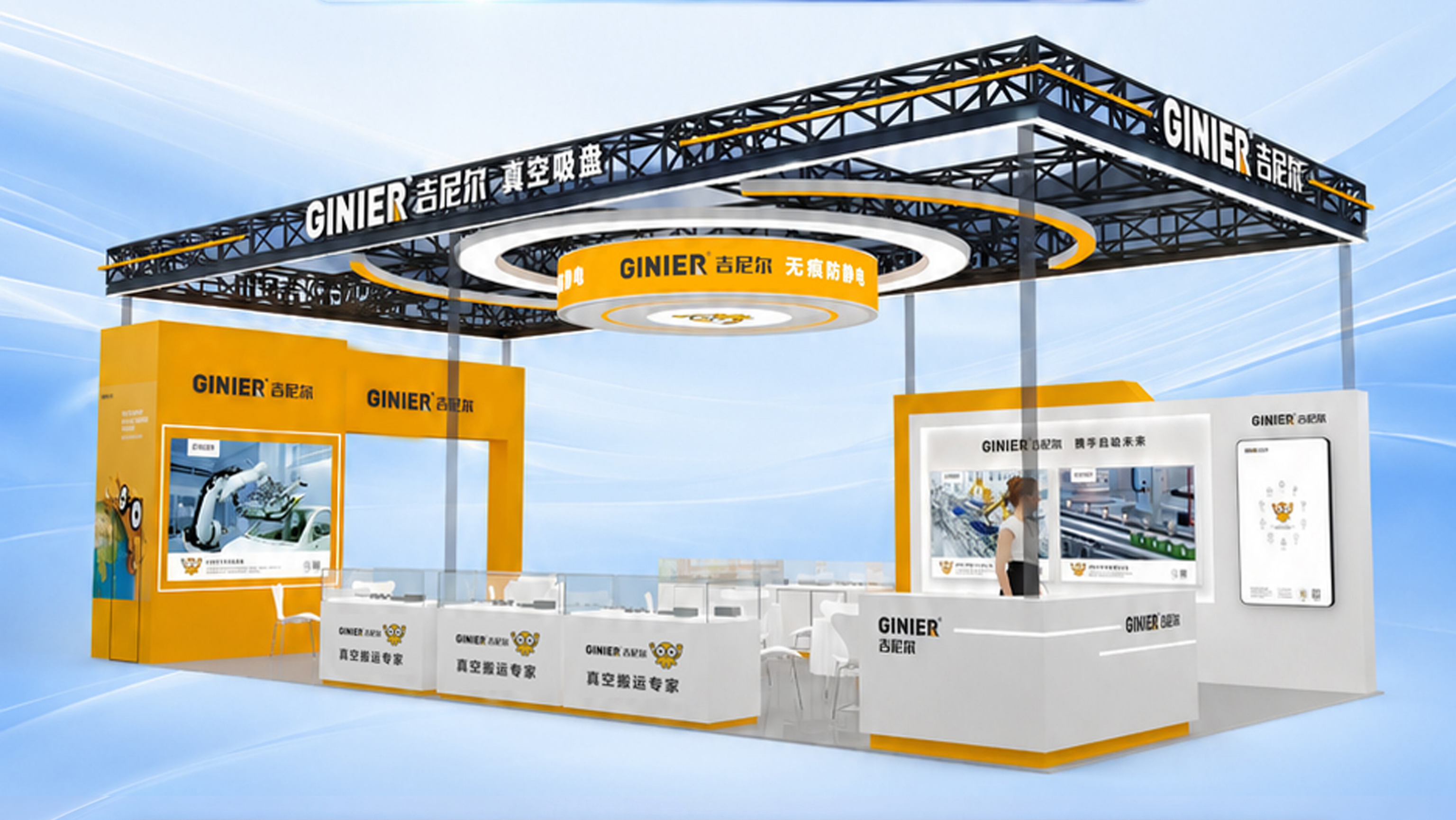
Meet GINIER | 2026 South China International Industry Fair

04

Aug

Meet GINIER | 2026 South China International Industry Fair

View More
GINIER Wishes All Workers a Happy Labour Day

04

Aug

GINIER Wishes All Workers a Happy Labour Day

View More
GINIER New HBUE Anti-static Suction Cups Launched

04

Aug

GINIER New HBUE Anti-static Suction Cups Launched

View More
Precision Handling Without Product Damage

Precision Handling Without Product Damage

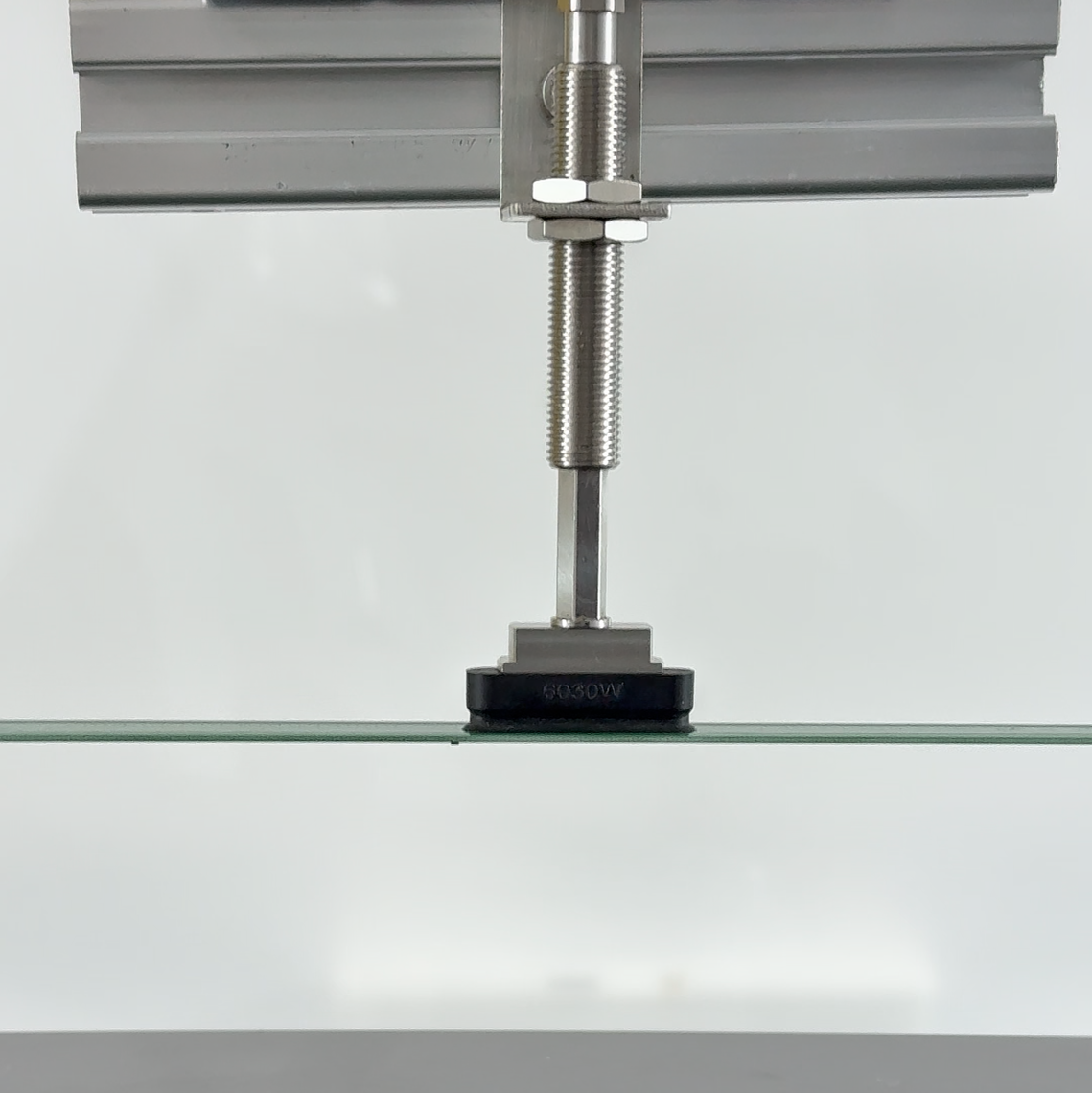
A vacuum material handling system revolutionizes how facilities treat delicate and sensitive materials throughout production processes. Unlike traditional mechanical grippers that risk crushing or marking valuable products, a vacuum material handling system applies uniform suction pressure across multiple contact points, creating secure yet gentle holding forces. This protective approach proves particularly valuable when handling glass components, printed circuit boards, automotive panels, and pharmaceutical containers that cannot tolerate surface marks or structural damage. Facilities implementing a vacuum material handling system report dramatically reduced waste rates, directly improving profit margins and environmental sustainability. The vacuum material handling system's gentle handling capabilities enable manufacturers to process premium materials that previously required manual labor, opening new revenue opportunities. Industries dependent on zero-defect standards benefit tremendously from a vacuum material handling system's ability to maintain product integrity while achieving high-speed operations. This combination of protection and performance distinguishes a vacuum material handling system as the superior choice for quality-conscious manufacturers seeking competitive excellence.
Rapid Integration and Operational Flexibility

Rapid Integration and Operational Flexibility

Implementing a vacuum material handling system into existing production environments requires minimal disruption to ongoing operations. This vacuum material handling system adapts intelligently to diverse material specifications, eliminating the need for multiple specialized equipment purchases that consume valuable capital budgets. Engineers appreciate how a vacuum material handling system scales effortlessly across various production volumes and material weights, from lightweight components to substantial industrial sheets. The vacuum material handling system's modular design permits quick reconfiguration when production requirements change, ensuring your investment remains relevant throughout changing market demands. Customization options within a vacuum material handling system enable facilities to optimize performance for their specific applications without extensive engineering modifications. Installation timelines remain compressed because a vacuum material handling system interfaces easily with existing automation platforms and control systems. Operators quickly master a vacuum material handling system's intuitive controls, requiring minimal training investments while achieving maximum competency. This operational flexibility transforms a vacuum material handling system into a strategic asset that grows alongside your business needs and manufacturing objectives.
Energy Efficiency and Long-Term Cost Reduction

Energy Efficiency and Long-Term Cost Reduction

A vacuum material handling system significantly outperforms traditional material handling equipment regarding energy consumption and operational expenses. Unlike pneumatic systems that consume compressed air continuously, a vacuum material handling system operates on demand, delivering substantial utility cost reductions throughout facility operations. The streamlined design of a vacuum material handling system minimizes mechanical components that typically require regular maintenance, replacement, and repair services that drain budgets over extended periods. Facilities report that a vacuum material handling system's reliability reduces unexpected downtime that disrupts production schedules and generates costly delays. The vacuum material handling system's simplified maintenance requirements mean fewer technician hours and lower parts inventory, directly strengthening your bottom line. Investment returns accelerate rapidly because a vacuum material handling system combines lower operating costs with reduced labor requirements and minimal product damage. Long-term financial analysis demonstrates that a vacuum material handling system delivers superior total cost ownership compared to conventional alternatives. Sustainability-focused operations appreciate how a vacuum material handling system reduces energy footprints while maintaining exceptional performance standards, aligning manufacturing practices with environmental responsibility goals and corporate sustainability commitments.