
what-vacuum-suction-cups-should-be-used-for-rough-surfaces, what-vacuum-suction-cups-should-be-used-for-rough-surfaces, /news
EN
2026/08/24
Selecting the right industrial vacuum cups and vacuum suction cups for rough surfaces presents a critical challenge in material handling operations. Rough surfaces, whether cast iron, textured steel, or weathered composite materials, demand specialized vacuum handling equipment designed to maintain reliable grip and prevent product damage. Standard suction cup designs often fail on uneven terrain, creating safety risks and operational downtime. Understanding which industrial vacuum cups performs reliably on these demanding surfaces is essential for manufacturers, logistics operators, and assembly facilities.
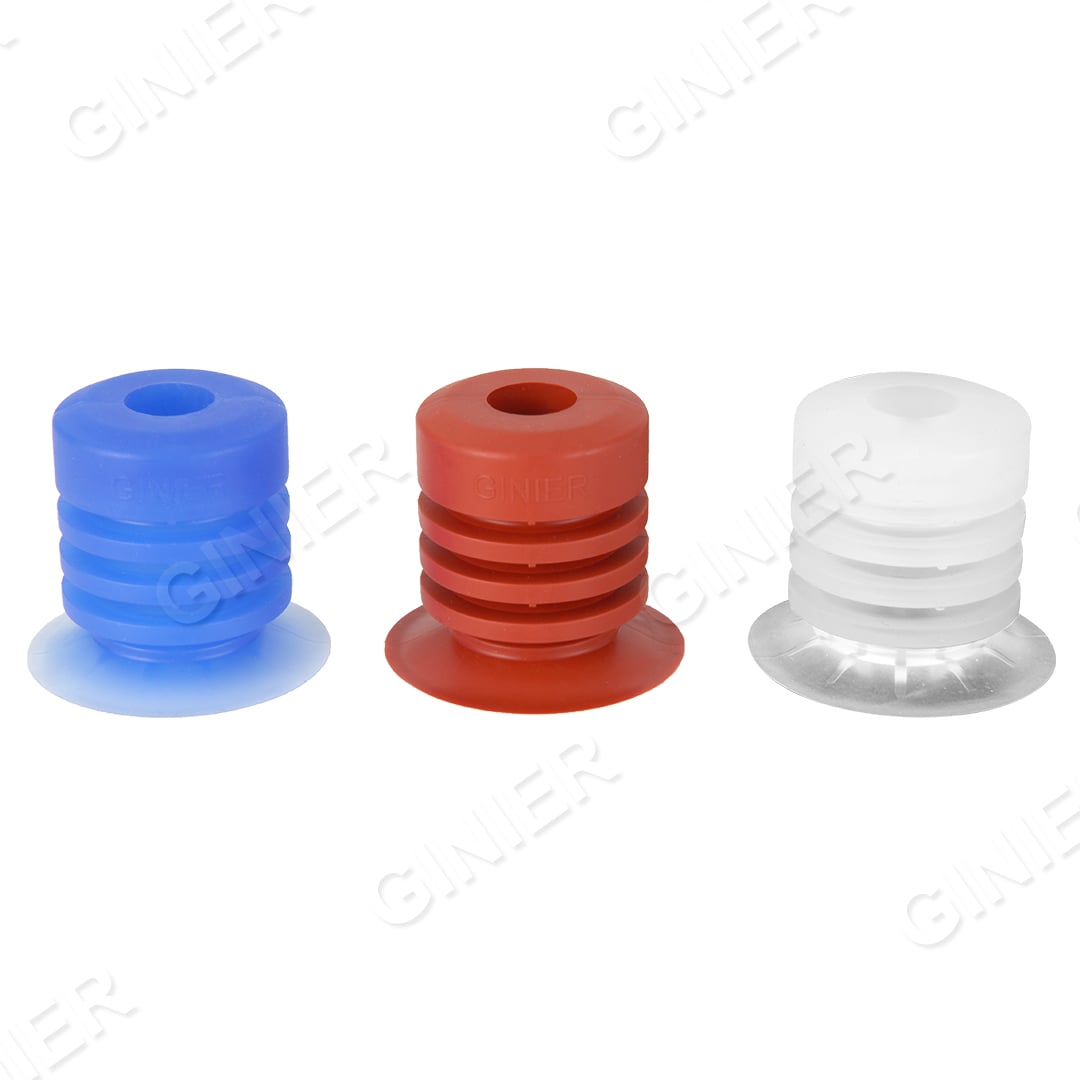
Effective rough surface handling equipment must balance suction force, material compatibility, and surface contact geometry. Rough surfaces introduce air leakage pathways, uneven pressure distribution, and variable contact areas that compromise traditional cup designs. The right vacuum handling equipment selection depends on understanding surface characteristics, cup material properties, and system-level integration considerations that ensure consistent performance across varied industrial environments.
Proper vacuum cup material selection is crucial because rough surfaces create microscopic and macroscopic valleys, peaks, and irregularities that rough surface handling equipment must overcome. When standard suction cups contact rough materials, air gaps form between the cup rim and the surface, allowing atmospheric pressure to bypass the seal. These leakage pathways dramatically reduce the effective sealing area and lifting capacity. High-quality vacuum handling equipment addresses this through specially designed cup profiles that distribute contact pressure and accommodate surface texture variations without compromising grip integrity.
The degree of surface roughness directly impacts vacuum handling equipment performance metrics. Surfaces with Ra values above 3.2 micrometers typically cause seal degradation in conventional cups within first fifty operating cycles. Premium vacuum handling equipment incorporates flexible elastomer materials and reinforced rim geometries that conform to surface asperities while maintaining adequate sealing force. This mechanical adaptation is essential for vacuum handling equipment deployed in foundries, steel mills, fabrication shops, and outdoor construction environments.
Proper vacuum cup material selection is crucial because rough surfaces often carry contaminants including oil residues, metal particles, welding debris, and environmental moisture that attack standard cup materials. Vacuum handling equipment used on these surfaces must employ elastomer compounds resistant to aggressive chemicals and abrasive particles. Nitrile rubber, polyurethane, and specialized silicone formulations provide different resistance profiles for various rough surface environments. Selecting appropriate vacuum handling equipment means matching material compatibility to specific surface conditions while maintaining acceptable service life and operational costs.
Temperature extremes compound material degradation for vacuum handling equipment on rough surfaces. Casting operations, forge shops, and thermal processing facilities subject vacuum handling equipment to temperatures reaching sixty to eighty degrees Celsius. Conventional elastomers lose flexibility and develop micro-cracks under thermal stress combined with surface abrasion. Specialized vacuum handling equipment formulations maintain material integrity across temperature ranges while resisting the chemical attack from process residues typical on industrial rough surfaces.
Advanced vacuum handling equipment employs multi-stage cup designs with primary and secondary contact zones. The primary contact ring seals against surface peaks while the secondary transition section bridges surface valleys and irregularities. This geometry in vacuum handling equipment allows effective sealing even when surface roughness exceeds standard tolerance ranges. The reinforced cup structure prevents collapsing under full vacuum draw, which could otherwise break the secondary seal on uneven substrates.
The use of abrasion-resistant suction cups featuring ribbed internal structures and reinforcement bands maintains cup rigidity during the contact and release cycles inherent to rough surface handling. These design features prevent cup deformation that would rupture the seal on irregular surfaces. When vacuum handling equipment experiences minor load shifts on uneven workpieces, the reinforced structure maintains consistent cup geometry and sealing pressure distribution. This structural integrity extends service life and reduces replacement frequency for vacuum handling equipment operating on rough materials.
Sophisticated vacuum handling equipment incorporates dual-chamber designs with independent pressure zones for improved rough surface performance. These systems in vacuum handling equipment maintain vacuum draw in the primary sealing chamber while pressure-balancing secondary chambers adjust to surface irregularities. Integrated compensation mechanisms ensure consistent gripping force regardless of surface profile variations. This advanced vacuum handling equipment design prevents over-pressure conditions that damage workpieces and under-pressure situations that compromise grip reliability.
Vacuum handling equipment with active feedback monitoring systems detects air leakage and adjusts system pressure automatically. Sensors integrated into the vacuum handling equipment control architecture measure real-time pressure fluctuations and trigger compensatory vacuum increases when surface irregularities introduce unwanted leakage. This intelligent approach enables vacuum handling equipment to maintain consistent performance across multiple rough surface types without manual adjustment between different materials or surface conditions.
Proper vacuum handling equipment selection begins with comprehensive surface analysis including roughness measurement, material identification, and contamination assessment. Establish baseline roughness values using profilometer instruments to categorize surfaces into light, moderate, or severe roughness categories. This data informs vacuum handling equipment specifications required for reliable performance. Cross-reference surface material composition with vacuum handling equipment material compatibility charts to identify optimal elastomer formulations and structural designs required for your specific application.
Environmental factors surrounding surface conditions directly influence vacuum handling equipment performance outcomes. Outdoor or semi-enclosed environments expose vacuum handling equipment to humidity, temperature swings, and airborne contaminants requiring more aggressive material protection specifications. Indoor controlled environments allow vacuum handling equipment designs with less robust protection but higher precision contact characteristics. Document typical operating temperatures, humidity ranges, and prevalent contaminants encountered with your rough surfaces to ensure appropriate vacuum handling equipment recommendations from qualified technical specialists.
Vacuum handling equipment performs optimally within properly configured system architectures incorporating adequate pump capacity, appropriate line sizing, and rapid-response valve systems. Undersized vacuum generation systems cause insufficient grip force that compromises safety and product integrity. Vacuum handling equipment systems require vacuum pump capacity exceeding minimum requirements by at least thirty percent to maintain performance during partial air leakage events on rough surfaces. Properly sized vacuum handling equipment systems deliver consistent pressure recovery between successive gripping cycles.
Operational protocols fundamentally impact vacuum handling equipment longevity and safety performance. Implement regular surface cleaning procedures to remove cumulative contaminant layers that degrade sealing effectiveness of vacuum handling equipment. Establish preventive maintenance schedules for inspecting cup condition, detecting elastomer degradation, and replacing vacuum handling equipment components before catastrophic failure occurs. Train operators to recognize performance degradation indicators such as extended lift response times or reduced holding duration, signaling when vacuum handling equipment requires professional service or replacement.
Proper vacuum cup material selection ensures that polyurethane-based elastomers deliver superior performance for vacuum handling equipment on rough surfaces because they resist abrasion, accommodate surface irregularities, and maintain flexibility across temperature ranges. Specialized polyurethane formulations combine hardness sufficient to resist particle embedding with elasticity enabling conformance to surface texture variations. When rough surfaces involve acidic or caustic chemical exposure, fluorocarbon elastomers within vacuum handling equipment formulations provide enhanced chemical resistance, though reduced flexibility may limit performance on extreme roughness profiles.
Vacuum handling equipment service life depends heavily on surface roughness severity, operating cycle frequency, and contamination exposure. Lightly textured surfaces with regular maintenance protocols typically allow vacuum handling equipment to operate effectively for twelve to eighteen months. Severe rough surfaces in contaminated environments may require vacuum handling equipment replacement every three to six months. Implement quarterly inspections measuring cup elastomer thickness, checking for permanent deformation, and assessing seal integrity to determine appropriate replacement intervals for your specific vacuum handling equipment deployment.
Standard vacuum handling equipment generally cannot be effectively retrofitted for rough surface handling because fundamental design differences determine performance characteristics. Attempting retrofits compromises safety and reliability while wasting resources on ineffective modifications. Instead, invest in purpose-designed vacuum handling equipment specifically engineered for rough surface applications, which offers superior performance, longer service life, and better total cost of ownership. Consult technical specialists to identify vacuum handling equipment matching your specific surface conditions, material requirements, and operational constraints.
Explore our core 3 major vacuum product series for automated handling solutions.
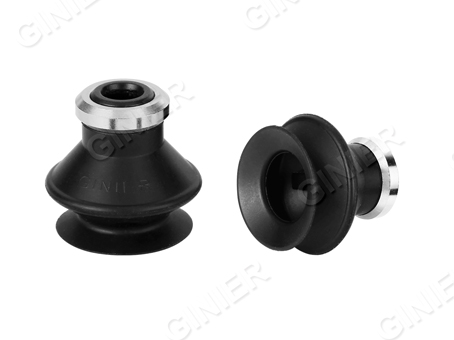
Full-range suction cup series with diversified materials & sizes.
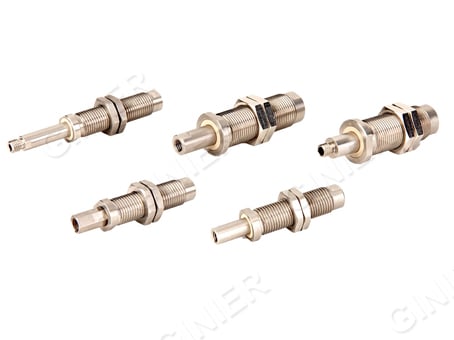
Complete pre-assembled suction fitting product lineup.
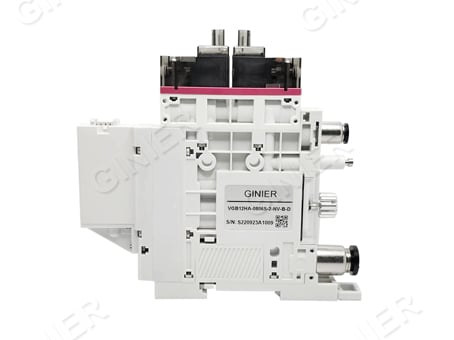
Modular vacuum generator full product portfolio.
 EN
EN