
what-type-of-vacuum-pad-is-best-for-bag-opening-applications, what-type-of-vacuum-pad-is-best-for-bag-opening-applications, /news
EN
2026/08/24
Selecting the right vacuum pad for bag opening applications is critical to ensuring smooth, reliable operations in packaging and production environments. The wrong choice can lead to inconsistent opening, reduced productivity, and increased maintenance costs. A properly selected vacuum pad maintains consistent grip on flexible bag materials while allowing quick release cycles without damaging product or packaging integrity.
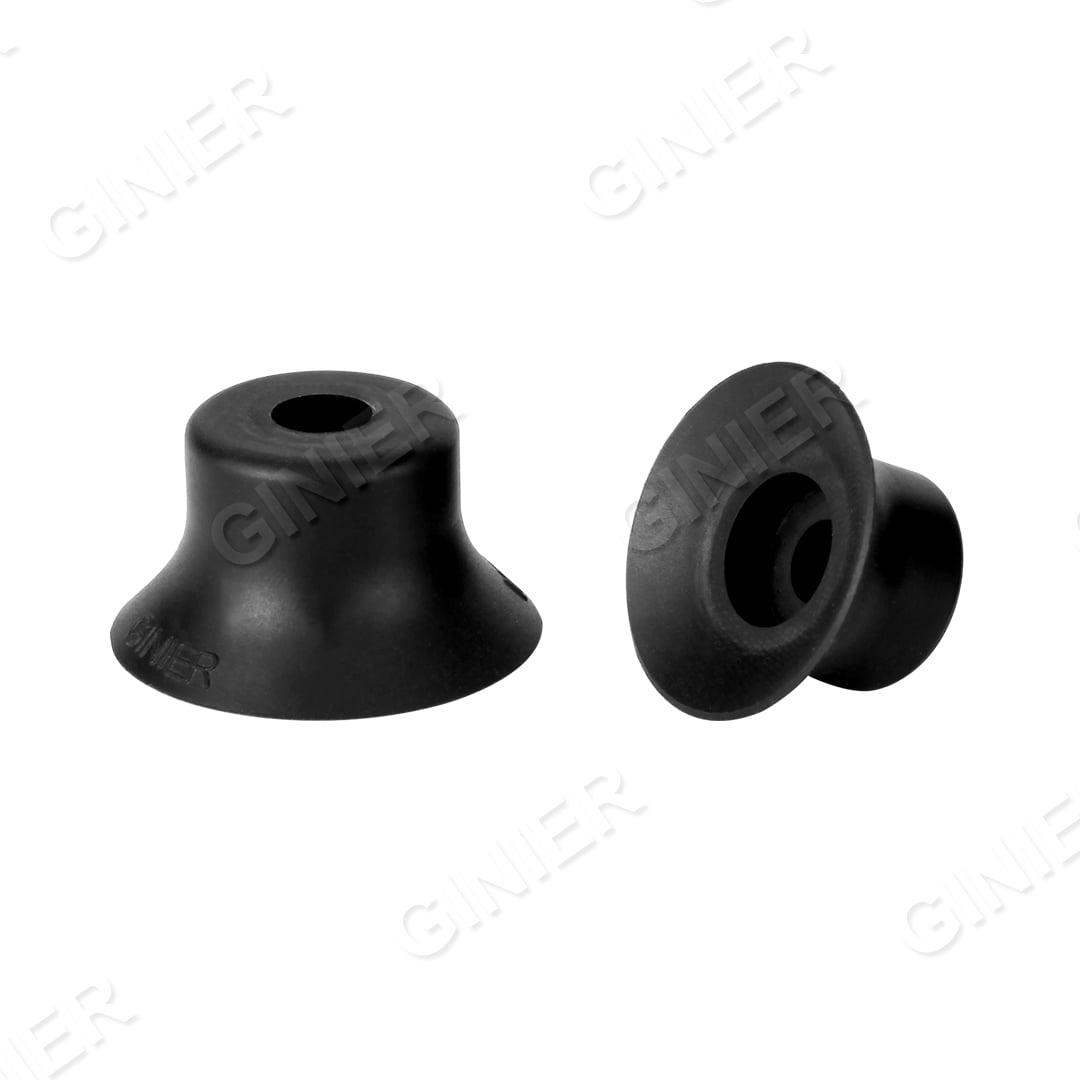
Bag opening applications present unique challenges because they require the vacuum pad to adapt to varying bag thickness, material types, and surface textures while maintaining predictable performance across production runs. Understanding the factors that influence vacuum pad selection—such as material composition, surface texture, cup geometry, and air flow characteristics—enables facility managers to optimize their automation systems and reduce downtime.
The material of your vacuum pad directly affects its durability, grip characteristics, and compatibility with different bag materials. Silicone vacuum pad designs offer superior temperature resistance and flexibility, making them ideal for high-speed applications and environments with temperature fluctuations. Silicone maintains its elasticity across a wider temperature range and resists degradation from oils and chemicals that may be present on bag surfaces.
Nitrile rubber vacuum pad solutions provide excellent grip on smooth plastics and polyethylene films commonly used in packaging. Nitrile-based vacuum pad materials offer faster cure times and cost efficiency for high-volume applications, though they may show reduced performance in extreme temperature conditions. The choice between silicone and nitrile vacuum pad materials depends on your specific bag material, operating temperature, and budget constraints.
The surface finish of a vacuum pad significantly influences how effectively it grips slippery bag materials. A textured vacuum pad with micro-grooves or waffle patterns increases surface area contact and improves grip stability on glossy films and coated materials. Standard smooth vacuum pad designs work well for rougher bag surfaces but may slip on highly polished or plastic-coated materials.
For bag opening applications, a vacuum pad with subtle surface texturing provides the best balance between grip consistency and ease of release. Textured vacuum pad designs prevent the bag from shifting during the opening motion and reduce cycle time variability, contributing to more predictable production throughput.
The geometric design of a vacuum pad cup determines how force is distributed across the bag surface and influences the speed of grip engagement. A larger diameter vacuum pad spreads suction force over a wider area, reducing stress concentration on thin films, while a smaller vacuum pad allows more precise positioning on specific bag sections. Most bag opening applications require a vacuum pad between 20 and 50 millimeters in diameter to balance grip strength with control.
Wall thickness affects the flexibility and response characteristics of the vacuum pad during engagement and release cycles. Thinner-wall vacuum pad designs conform more quickly to irregular bag surfaces but may fatigue faster under continuous operation. Thicker-wall vacuum pad designs provide longer service life and consistent performance but require stronger vacuum pressure to achieve quick grip engagement.
The cup profile of your vacuum pad influences how the suction force is applied and how quickly the pad engages with bag materials. Conical vacuum pad designs create a progressive seal, allowing for gentler initial contact that prevents tearing delicate films while still achieving strong holding power. Flat-bottom vacuum pad models deliver immediate full-area contact and work effectively on rigid or semi-rigid bag structures.
For flexible plastic bags and films, a conical vacuum pad reduces the risk of material damage and provides more responsive engagement. The angle of the cone in a vacuum pad design should match your bag material thickness and flexibility; steeper angles work better for thicker materials, while gentler slopes suit thinner films.
The internal flow characteristics of a vacuum pad determine how quickly it can engage and release bags during production cycles. A vacuum pad with larger internal channels reduces resistance and allows faster pressure changes, improving cycle time and throughput. Internal air pathways within the vacuum pad should be sized to balance quick engagement with consistent holding power across varying suction levels.
Optimizing vacuum pad air flow means calculating the balance between initial grab speed and stable holding throughout the bag opening motion. Complex vacuum pad designs with multiple air distribution chambers can improve response time while maintaining grip stability, though simpler single-chamber vacuum pad designs often prove more reliable in production environments.
Every vacuum pad has a maximum recommended vacuum pressure rating that determines its safe operating range. Exceeding the rated pressure on a vacuum pad can cause material fatigue, accelerated wear, and eventual rupture, compromising both safety and productivity. Industrial vacuum pad specifications typically range from 0.4 to 0.8 bar of differential pressure, with most bag opening applications operating in the 0.5 to 0.7 bar range.
Selecting a vacuum pad with adequate pressure margin above your minimum required suction ensures consistent performance as the pad ages and gradually loses some elasticity. A properly rated vacuum pad will maintain grip reliability throughout its service life without requiring constant pressure adjustments.
A well-maintained vacuum pad in bag opening applications typically lasts between 500,000 and 2,000,000 cycles, depending on material selection, operating pressure, and the abrasiveness of the bag materials being handled. Silicone vacuum pad designs generally outlast nitrile options by 30 to 50 percent due to superior elasticity retention. Regular inspection and cleaning of the vacuum pad surface significantly extend service life by reducing premature wear from debris accumulation.
While a versatile vacuum pad design may work across a range of bag types, optimization for specific materials yields better results. A textured silicone vacuum pad adapts well to most common films, but fine-tuning surface texture and pressure settings for each bag material maximizes grip consistency and cycle reliability. Testing different vacuum pad options before full production deployment helps identify the best choice for your specific application mix.
Most manufacturing facilities should inspect their vacuum pad units weekly and replace them when grip performance degrades or visible surface damage appears. Environmental factors like temperature swings, chemical exposure, and dust accumulation accelerate vacuum pad wear rates. Implementing a preventive maintenance schedule that includes regular vacuum pad surface cleaning and periodic performance testing helps identify degradation early, preventing unexpected production interruptions.
Explore our core 3 major vacuum product series for automated handling solutions.
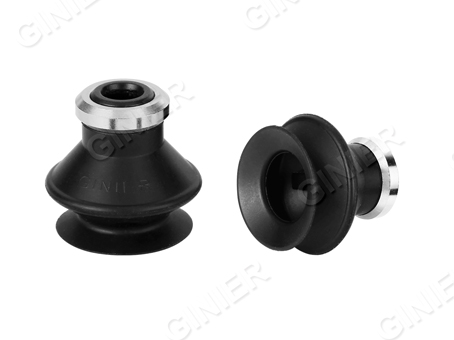
Full-range suction cup series with diversified materials & sizes.
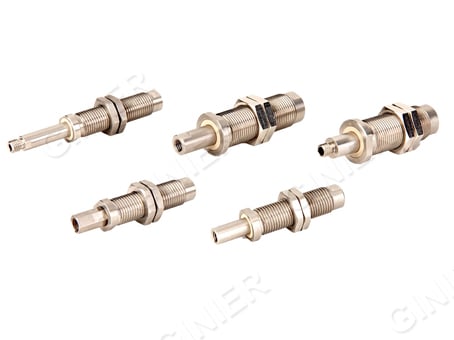
Complete pre-assembled suction fitting product lineup.
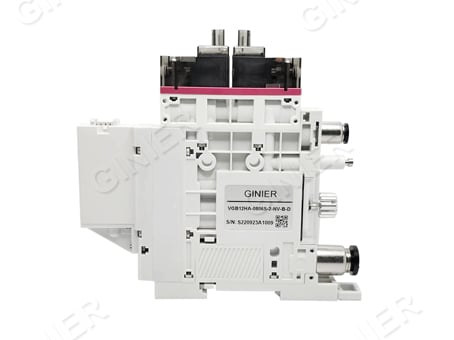
Modular vacuum generator full product portfolio.
 EN
EN