
EN
2026/09/15
Selecting the right anti-static suction cups is critical for industries handling sensitive electronic components, semiconductors, and precision assemblies. Anti-static suction cups protect valuable products from electrostatic discharge (ESD) damage during material handling, packaging, and assembly processes. The material composition of anti-static suction cups directly determines their effectiveness in grounding static charges, preventing costly product failures, and maintaining operational safety. Understanding which materials deliver superior anti-static performance helps procurement teams make informed decisions that balance protection, durability, and cost efficiency.
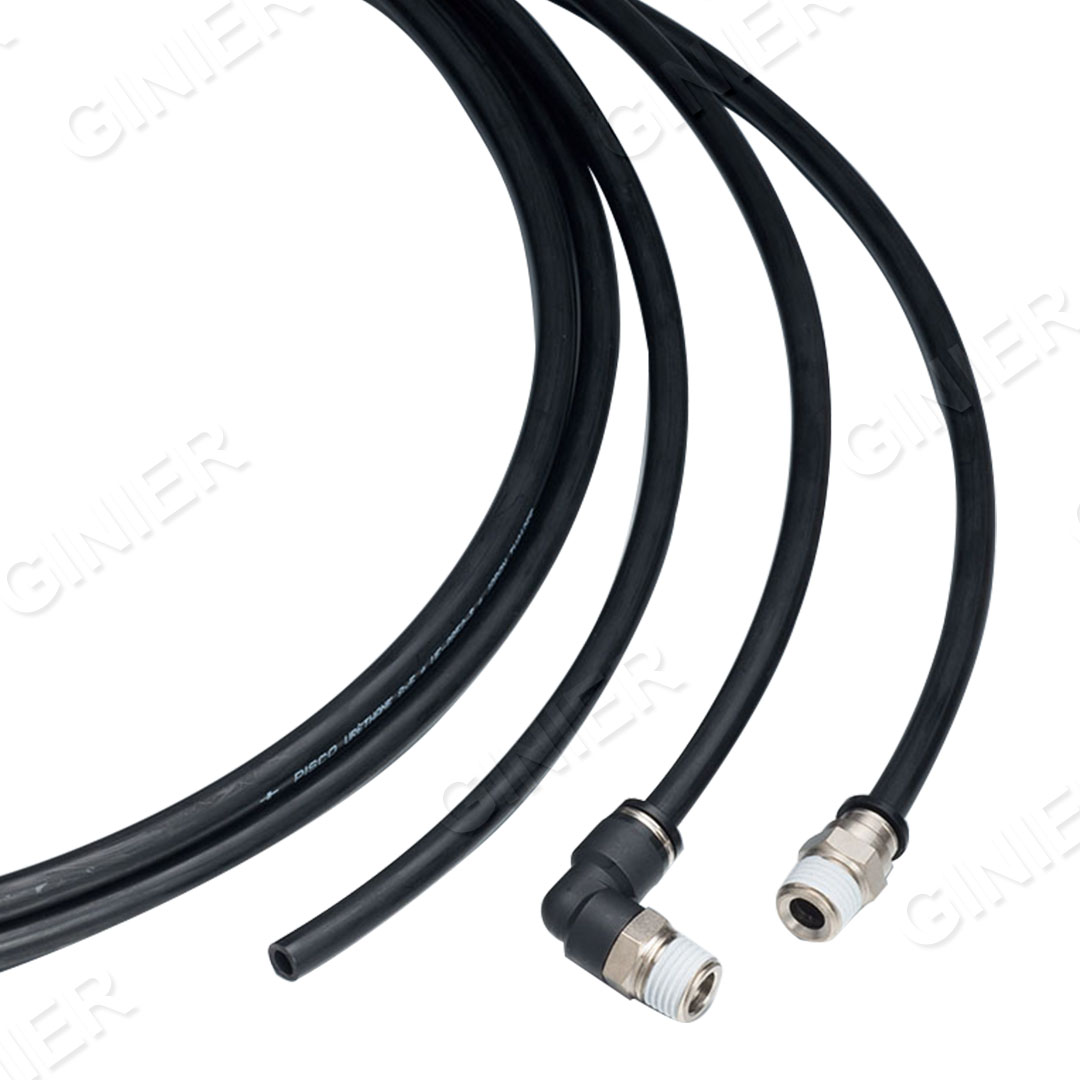
Anti-static suction cups serve as specialized handling tools designed to minimize static electricity buildup during automated and manual workflows. The performance of anti-static suction cups depends heavily on material conductivity, surface resistance, and durability under repeated use. Manufacturers across electronics, telecommunications, automotive, and medical device sectors rely on high-performance anti-static suction cups to maintain strict ESD protection protocols and meet industry compliance standards.
Conductive elastomers represent the most common material choice for premium anti-static suction cups. These specialized rubber compounds are infused with carbon black, metallic particles, or other conductive fillers that enable static charge dissipation. Anti-static suction cups made from conductive elastomers maintain electrical conductivity while retaining the flexibility and durability required for industrial handling applications. The carbon loading percentage in these compounds determines the balance between conductivity and mechanical properties, making material specification critical for consistent performance across batches.
Conductive rubber used in anti-static suction cups typically achieves surface resistance ranging from 10^4 to 10^8 ohms, allowing controlled charge dissipation without creating spark hazards. The elastomer's inherent damping properties preserve the grip force of anti-static suction cups even during rapid cycling, reducing product damage during automated handling. These materials maintain their conductive properties across temperature variations, making anti-static suction cups suitable for diverse industrial environments from controlled cleanrooms to warehouse temperature fluctuations.
High-performance anti-static suction cups require precise compound formulation and rigorous quality control to guarantee consistent surface resistance values. Manufacturers of anti-static suction cups test each production batch for conductivity, verifying that surface resistance falls within specified ranges before shipment. The vulcanization process directly influences the final properties of anti-static suction cups, as improper curing can create weak conductive pathways or excessive brittleness. Traceability systems ensure that anti-static suction cups maintain compliance with ESD standards such as ANSI/ESD S541 and IEC 61340-5-1 throughout their operational lifespan.
Polyurethane-based anti-static suction cups offer enhanced chemical resistance and longevity compared to standard rubber compounds. Anti-static suction cups engineered from polyurethane incorporate conductive additives that provide controlled charge dissipation while maintaining superior abrasion resistance. The hardness and flexibility of polyurethane anti-static suction cups can be precisely tuned to match specific product geometries and handling speeds, delivering reliable gripping performance across varying industrial applications. These anti-static suction cups retain their conductive properties even after exposure to oils, solvents, and cleaners commonly used in manufacturing environments.
Anti-static suction cups made from polyurethane typically deliver longer service life than elastomer alternatives, reducing replacement frequency and operational downtime. The material's inherent strength allows anti-static suction cups to handle higher acceleration and deceleration forces without permanent deformation. Industrial facilities implementing anti-static suction cups in high-speed automated systems frequently choose polyurethane compounds for their superior wear characteristics and predictable performance degradation curves. The cost-per-cycle advantage of polyurethane anti-static suction cups often justifies premium material pricing in high-volume production environments.
Silicone elastomers infused with conductive fillers provide specialized anti-static suction cups for extreme temperature and chemical exposure scenarios. Anti-static suction cups using silicone compounds maintain flexibility at cryogenic temperatures and withstand thermal cycling without crack formation, making them ideal for semiconductor manufacturing and cryogenic handling applications. The biocompatibility of silicone also makes anti-static suction cups suitable for pharmaceutical and medical device assembly where material migration concerns necessitate validated elastomer compounds. Silicone-based anti-static suction cups typically achieve higher surface costs but deliver unmatched reliability in specialized industrial niches requiring both static dissipation and extreme environmental performance.
The effectiveness of anti-static suction cups depends directly on surface resistance values that enable safe charge grounding without creating electrostatic discharge events. Anti-static suction cups with surface resistance below 10^5 ohms may generate excessive current flow during contact with grounded equipment, creating potential spark hazards. Conversely, anti-static suction cups exceeding 10^8 ohms may retain static charges too long, failing to provide adequate ESD protection. Industry standards specify that anti-static suction cups must achieve surface resistance within the 10^6 to 10^8 ohm range to balance effective charge dissipation with spark prevention, ensuring safe handling protocols.
Measuring surface resistance in anti-static suction cups requires validated test equipment and standardized procedures to ensure accurate performance verification. Material certificates provided by suppliers of anti-static suction cups must include surface resistance measurements conducted per ANSI/ESD S541 protocols using calibrated metering instruments. End-users verifying purchased anti-static suction cups should implement periodic testing to confirm that surface resistance remains within specification despite age, usage cycles, and environmental exposure. Degradation patterns in anti-static suction cups indicate material fatigue and signal optimal replacement timing to maintain consistent ESD protection.
Total cost of ownership for anti-static suction cups extends beyond initial material pricing to include replacement frequency, maintenance requirements, and downtime costs. Anti-static suction cups engineered from premium conductive elastomers or polyurethane compounds typically deliver 2-3 times longer service life than basic static-dissipative alternatives. Industrial operations that quantify the total cost of ownership often discover that premium anti-static suction cups reduce operational expenses despite higher per-unit pricing. Facility managers should calculate the break-even point where increased durability of anti-static suction cups justifies premium material investment relative to replacement labor and production downtime.
Material compatibility with specific product surfaces also influences the overall economics of anti-static suction cups deployment. Anti-static suction cups designed for delicate component handling must balance sufficient grip force with minimal surface marking, requiring careful material selection and surface texture specification. Regular inspection protocols for anti-static suction cups identify wear patterns that signal material incompatibility before product damage occurs. Standardizing anti-static suction cups across facility equipment reduces inventory complexity and enables bulk purchasing discounts while maintaining consistent ESD protection standards.
Conductive elastomer compounds deliver the optimal balance of static dissipation, mechanical durability, and cost-effectiveness required for most industrial anti-static suction cups applications. These materials conduct electrical charge safely to ground while maintaining the flexibility and grip force necessary for reliable product handling across high-speed automated systems. The proven track record of conductive elastomer in cleanroom and manufacturing environments, combined with established supply chains and cost predictability, explains why anti-static suction cups manufactured from these compounds dominate industrial procurement specifications across electronics, semiconductor, and medical device sectors.
High-quality anti-static suction cups maintain surface resistance through careful material formulation that embeds conductive particles uniformly throughout the elastomer matrix rather than relying on surface coatings. This internal conductivity structure ensures that anti-static suction cups continue dissipating static charges even after abrasion exposes fresh material surfaces during repetitive handling cycles. Premium manufacturing processes for anti-static suction cups include quality verification testing that confirms surface resistance stability across specified product lifetime, with degradation rates factored into replacement schedules to maintain continuous ESD protection compliance.
Polyurethane and specialty silicone formulations enable anti-static suction cups to maintain performance in environments involving exposure to oils, solvents, and industrial cleaners that would degrade standard conductive elastomers. Facility managers implementing anti-static suction cups in chemical processing, coating, or solvent-based assembly areas must specify material compounds validated for compatibility with their specific processing chemicals. Premium anti-static suction cups engineered for chemical resistance typically cost more than standard alternatives but deliver superior reliability and consistent ESD protection across demanding operational conditions where material degradation represents a critical risk factor.
Explore our core 3 major vacuum product series for automated handling solutions.
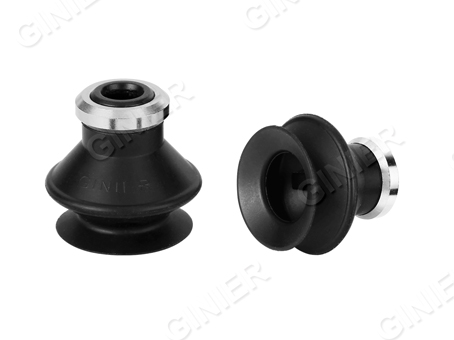
Full-range suction cup series with diversified materials & sizes.
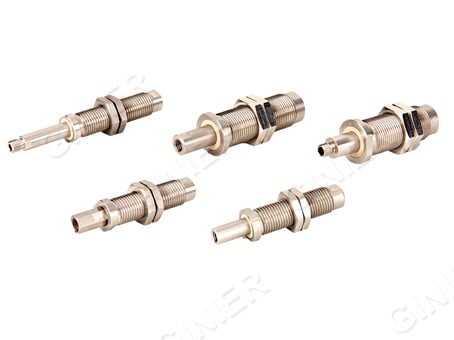
Complete pre-assembled suction fitting product lineup.
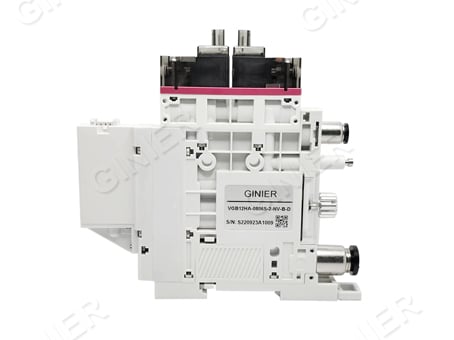
Modular vacuum generator full product portfolio.
 EN