
what-problems-occur-with-longterm-use-of-vacuum-suction-cups, what-problems-occur-with-longterm-use-of-vacuum-suction-cups, /news
EN
2026/08/24
Extended use of industrial equipment reveals hidden performance challenges. When businesses rely on automated systems for material handling and manufacturing, they frequently encounter vacuum suction cup problems that compromise efficiency and safety. Understanding the vacuum suction cup problems that occur with long-term use is essential for maintenance planning and reliability. This guide explores primary failure modes, underlying causes, and practical mitigation strategies that operators must implement to maximize component performance and prevent industrial suction cup failure
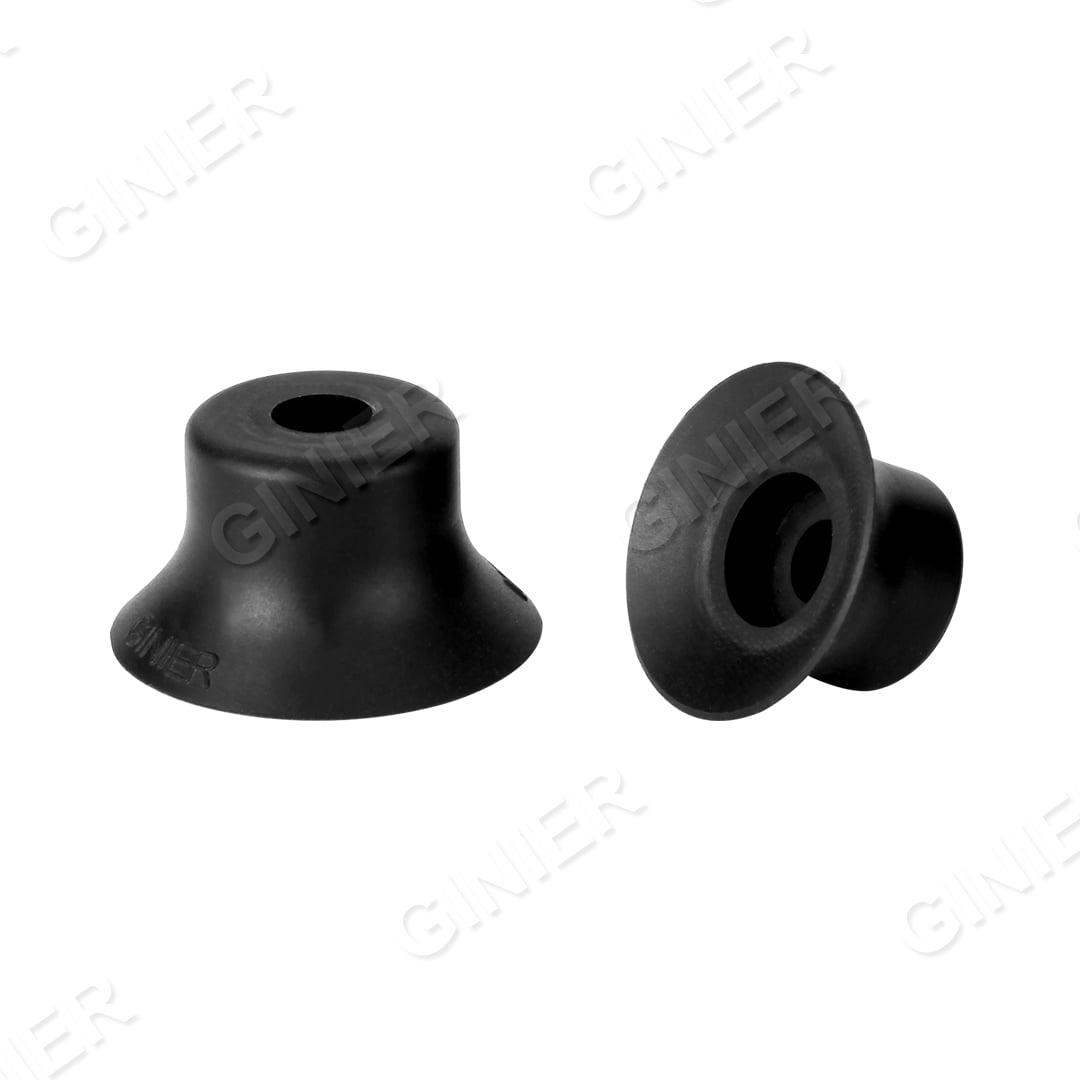
A vacuum suction cup represents a critical component in automation systems. Durability depends on material quality, operating conditions, maintenance, and environmental factors. Over months of operation, even premium products experience wear patterns requiring proactive management. Early recognition of suction cup degradation and industrial suction cup failure allows operators to prevent costly equipment breakdowns, reduce downtime, and maintain strict safety standards.
The material in a vacuum suction cup undergoes continuous stress during normal operation. Each compression and release cycle creates microscopic damage that accumulates over time. Different elastomer compounds respond variably to environmental stressors. Exposure to oils, solvents, temperature extremes, and UV radiation accelerates elastomer wear. Industrial environments introduce chemical residues that chemically attack the material, causing severe suction cup degradation and loss of sealing integrity.
As the material ages, microscopic pores develop throughout the structure. These defects allow air to bypass the seal even when surface contact appears normal. Porosity increases gradually, leading to reduced holding force and unreliable grip, which eventually triggers industrial suction cup failure. The reduced ability to maintain stable pressure inside the chamber forces pumps to run longer, accelerating wear and increasing system energy consumption.
A vacuum suction cup relies on intimate contact with the workpiece to create an effective grip. Over extended use, contact surfaces develop micro-cracks and irregularities that reduce contact area. In abrasive environments, surface damage accelerates significantly, bringing early industrial suction cup failure. Loss of uniform pressure distribution leads to inconsistent grip quality and drop failures that pose serious safety risks on production lines.
The performance of a vacuum suction cup depends not only on the cup itself but also on the surface characteristics of workpieces being handled. Over time, workpiece surfaces accumulate residue, corrosion products, moisture films, and contamination that interfere with the vacuum suction cup seal. When a vacuum suction cup repeatedly grips surfaces with varying cleanliness levels, the inconsistent adhesion patterns can damage the elastomer prematurely. Materials like aluminum, stainless steel, and painted surfaces oxidize or develop protective films that reduce the grip efficiency of a vacuum suction cup. The vacuum suction cup must adapt to these surface changes, and degraded cups struggle to maintain adequate holding force against contaminated workpieces, increasing the risk of product loss or collision and unexpected industrial suction cup failure.
The structural integrity of a vacuum suction cup directly determines its holding capacity under load. As a vacuum suction cup ages, material deformation reduces the internal cavity volume slightly, affecting the pressure differential that generates grip force. When a vacuum suction cup develops even minor leaks, the vacuum pump must cycle more frequently to maintain pressure levels, creating heat that further stresses the elastomer. The vacuum suction cup's rated holding capacity typically decreases by 10 to 20 percent within the first year of operation and continues declining thereafter. Operators often fail to recognize this gradual reduction, increasing safety incidents when workpieces slip during assembly operations, culminating in industrial suction cup failure.
Impact forces, sharp edges on workpieces, and mechanical stress during installation or removal can damage a vacuum suction cup in ways that aren't immediately obvious. Small punctures, tears, or internal cavity damage compromise the vacuum suction cup's ability to generate and maintain pressure. The vacuum suction cup's internal structure may develop delamination between layers, where the elastomer separates from reinforcement materials or backing plates. This damage to a vacuum suction cup's internal structure allows air to enter the vacuum chamber through paths other than normal leakage, creating rapid pressure loss. Over time, repeated physical stress on a vacuum suction cup can cause the valve mechanism to malfunction, preventing proper pressure modulation and resulting in erratic performance or complete failure to hold workpieces.
Long-term operation accumulates dust, grease, and residue that degrade performance. Sealing surfaces become contaminated, reducing grip force and causing acute vacuum suction cup problems. While regular vacuum suction cup maintenance is required, aggressive cleaning methods can accelerate elastomer wear by causing stress cracks. Operators must balance cleanliness requirements against chemical damage risks.
Industrial environments subject a vacuum suction cup to repeated temperature fluctuations that stress the elastomer material. The vacuum suction cup expands and contracts with temperature changes, creating internal stress that accumulates over months and years. Materials in a vacuum suction cup have specific temperature ranges where they maintain optimal properties, and operation outside these ranges accelerates aging. Extreme heat causes a vacuum suction cup's elastomer to harden and become brittle, while extreme cold makes it stiff and prone to cracking when compressed. The vacuum suction cup also experiences thermal cycling from cleaning procedures, sterilization processes in food handling, or rapid temperature changes in production areas. This repeated thermal stress on a vacuum suction cup reduces elastomer flexibility and accelerates porosity development.
Replacement schedules for a vacuum suction cup depend on application intensity, environmental conditions, and material type. In high-cycle manufacturing environments, a vacuum suction cup typically requires replacement every 12 to 24 months to maintain reliability and safety margins. Lower-intensity applications may allow a vacuum suction cup to operate effectively for 2 to 3 years, though performance monitoring should guide replacement decisions. Operators should establish baseline performance metrics when a vacuum suction cup is new, then track degradation over time to predict when replacement becomes necessary rather than waiting for catastrophic failure.
Visual inspection should reveal damage like tears, cracks, or deformation. If grip force declines noticeably or pumps run continuously to compensate for leakage, replacement is critical. If measured pressure falls more than 15 percent below specifications, immediate replacement prevents safety incidents.
Yes, a comprehensive program significantly extends vacuum suction cup maintenance efficiency and component lifespan. Regular cleaning removes contaminants, and proper storage away from direct sunlight protects material properties. Monitoring performance trends helps identify degradation early, supporting proactive replacement before failures occur.
Explore our core 3 major vacuum product series for automated handling solutions.
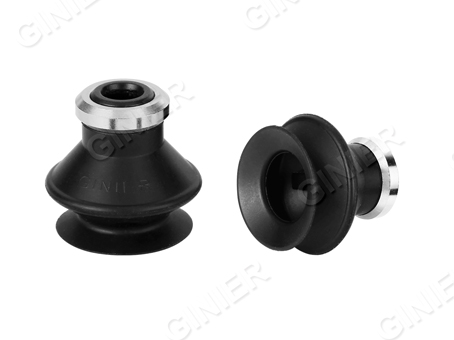
Full-range suction cup series with diversified materials & sizes.
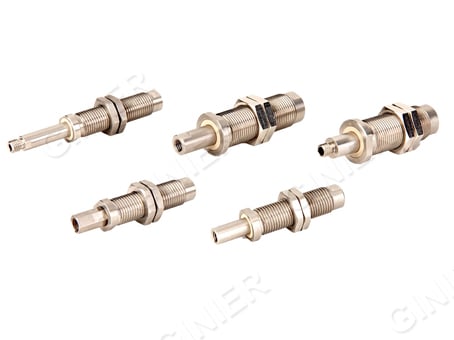
Complete pre-assembled suction fitting product lineup.
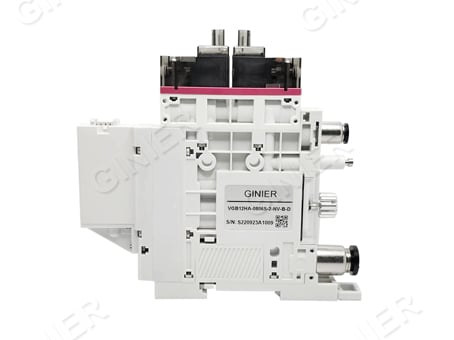
Modular vacuum generator full product portfolio.
 EN
EN