
what-material-makes-heavy-duty-suction-cups-durable, what-material-makes-heavy-duty-suction-cups-durable, /news
EN
The durability of a heavy duty suction cup depends fundamentally on the materials used in its construction. When selecting suction cups for demanding industrial applications, understanding the relationship between material composition and long-term performance becomes critical. Material choice directly influences how well a suction cup resists wear, chemical exposure, temperature fluctuations, and repeated use cycles that characterize heavy-duty working environments.
Industrial applications place extreme demands on suction cup performance that consumer-grade solutions simply cannot meet. Heavy duty suction cups must maintain consistent adhesion force across thousands of attachment cycles, resist degradation from oils and solvents, and perform reliably in harsh temperature ranges. The material foundation of these products determines whether they will deliver years of dependable service or fail prematurely under stress, making material selection a strategic business decision for operations managers and procurement specialists.
Natural rubber has long served as the baseline material for heavy duty suction cup construction due to its exceptional elasticity and inherent adhesive properties. The molecular structure of rubber creates natural intermolecular forces that enhance gripping ability on smooth surfaces. Heavy duty suction cup designs frequently incorporate natural rubber in their primary sealing elements because it maintains flexibility across temperature ranges and recovers quickly after compression cycles. However, natural rubber exhibits vulnerability to certain chemical exposures and ultraviolet degradation, which limits its application in some industrial settings.
Synthetic elastomers have revolutionized heavy duty suction cup durability by offering superior chemical resistance and thermal stability compared to natural rubber. Neoprene and nitrile rubber compounds provide excellent resistance to oils, solvents, and ozone exposure that would quickly degrade natural rubber components. A heavy duty suction cup manufactured with synthetic elastomers can operate in chemical-intensive environments such as automotive assembly lines, food processing facilities, and pharmaceutical manufacturing without experiencing accelerated wear. These materials also extend effective temperature operating ranges, enabling suction cups to function in refrigerated warehouses or elevated-temperature assembly environments. The trade-off involves slightly reduced initial gripping force compared to premium natural rubber, though modern formulations have significantly narrowed this performance gap.
The most durable heavy duty suction cup designs incorporate reinforcement layers that prevent tearing and delamination under sustained load conditions. Fabric or wire mesh embedded within elastomer compounds distributes mechanical stress across a wider material area, dramatically extending service life in repetitive handling applications. This reinforcement approach proves especially valuable when heavy duty suction cups must repeatedly lift sharp-edged components or handle materials with irregular surfaces that create localized stress concentrations. The reinforcing structure prevents catastrophic failure modes where the elastomer would otherwise separate from the mounting cup or rupture under cyclic strain.
Advanced heavy duty suction cup manufacturers apply specialized surface treatments that enhance adhesion without compromising material integrity. Microtexturing and polymeric coatings create additional gripping points that increase holding force while the base elastomer provides flexibility and durability. These surface treatments work synergistically with the underlying material to create suction cups that maintain consistent performance across varied surface conditions. Treatment durability depends on material compatibility, and premium applications use chemical bonds rather than mechanical adherence to ensure the adhesive layer survives thousands of handling cycles.
Material selection directly determines how long a heavy duty suction cup will maintain functional performance when exposed to challenging environmental conditions. Elastomers with superior chemical resistance prevent swelling and embrittlement when exposed to industrial solvents, lubricating oils, and cleaning compounds. Temperature stability in material composition allows suction cups to function reliably whether stored in arctic shipping containers or deployed in tropical manufacturing facilities. Heavy duty suction cup materials engineered for broad environmental tolerance eliminate the need for equipment downtime during seasonal transitions or location changes, reducing operational disruption and maintenance complexity.
The molecular resilience of elastomer materials determines how many attach-release cycles a heavy duty suction cup can endure before performance degradation becomes noticeable. Materials with superior fatigue resistance maintain elastic recovery characteristics even after hundreds of thousands of compression cycles. This durability factor becomes economically significant in high-throughput manufacturing environments where suction cups may cycle thousands of times daily. Selecting materials engineered for cyclical stress resistance prevents premature failure that would halt production lines and generate unexpected replacement expenses.
Modern heavy duty suction cup manufacturing combines multiple material innovations to achieve durability that meets stringent industrial requirements. The integration of reinforced elastomer compounds, chemical-resistant synthetic materials, and advanced surface treatments creates suction cup systems that deliver reliable performance across demanding applications. Understanding how material composition influences durability enables better decision-making when evaluating suction cup solutions for specific operational challenges.
Nitrile rubber and FDA-approved silicone represent the optimal material choices for heavy duty suction cups in food processing applications. These materials resist degradation from moisture, cleaning agents, and temperature fluctuations inherent in food handling operations. Synthetic elastomers used in food-grade heavy duty suction cups maintain their elastic properties throughout continuous sanitization cycles, ensuring consistent gripping performance and meeting stringent hygiene standards.
Reinforced heavy duty suction cup designs experience significantly extended lifespans compared to unreinforced alternatives because the embedded support structure prevents stress concentration and material fatigue. Fabric or wire reinforcement distributes mechanical loads throughout the elastomer matrix, reducing localized strain that causes premature rupture. This reinforcement approach can double or triple the operational lifespan of heavy duty suction cups in demanding industrial settings where repeated handling creates cumulative material stress.
Many elastomer materials used in heavy duty suction cups offer recycling potential, though the reinforcement layers and adhesive coatings complicate the recycling process. Natural rubber and certain synthetic elastomers can be ground and reprocessed into new products or energy recovery applications. Selecting heavy duty suction cup designs with minimal non-elastomer components simplifies end-of-life material recovery and reduces environmental impact, making material composition an important sustainability consideration for environmentally conscious operations.
Explore our core 3 major vacuum product series for automated handling solutions.
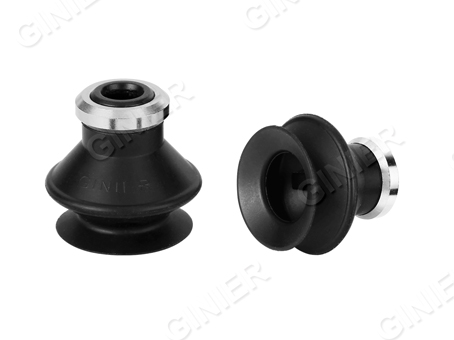
Full-range suction cup series with diversified materials & sizes.
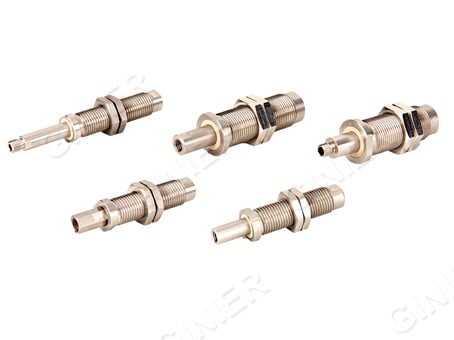
Complete pre-assembled suction fitting product lineup.
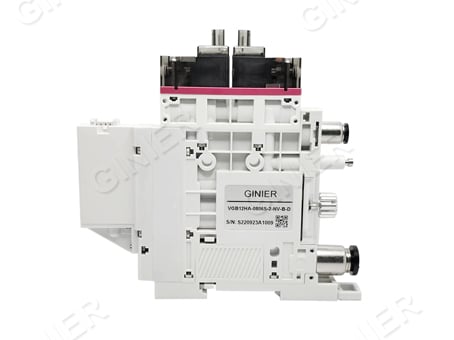
Modular vacuum generator full product portfolio.
 EN