
what-is-the-working-principle-of-antistatic-suction-cups, what-is-the-working-principle-of-antistatic-suction-cups, /news
EN
2026/09/22
Anti-static suction cups represent a critical innovation in precision handling and manufacturing environments where electrostatic discharge poses significant risks to sensitive electronic components. Understanding how anti-static suction cups function requires examination of both the vacuum adhesion mechanism and the conductive properties engineered into their design. These specialized tools combine traditional suction cup technology with electrostatic discharge mitigation, creating a reliable solution for industries ranging from semiconductor assembly to printed circuit board manufacturing. The importance of anti-static suction cups extends beyond simple material handling; they form an essential safeguard against costly component damage, production delays, and quality failures.
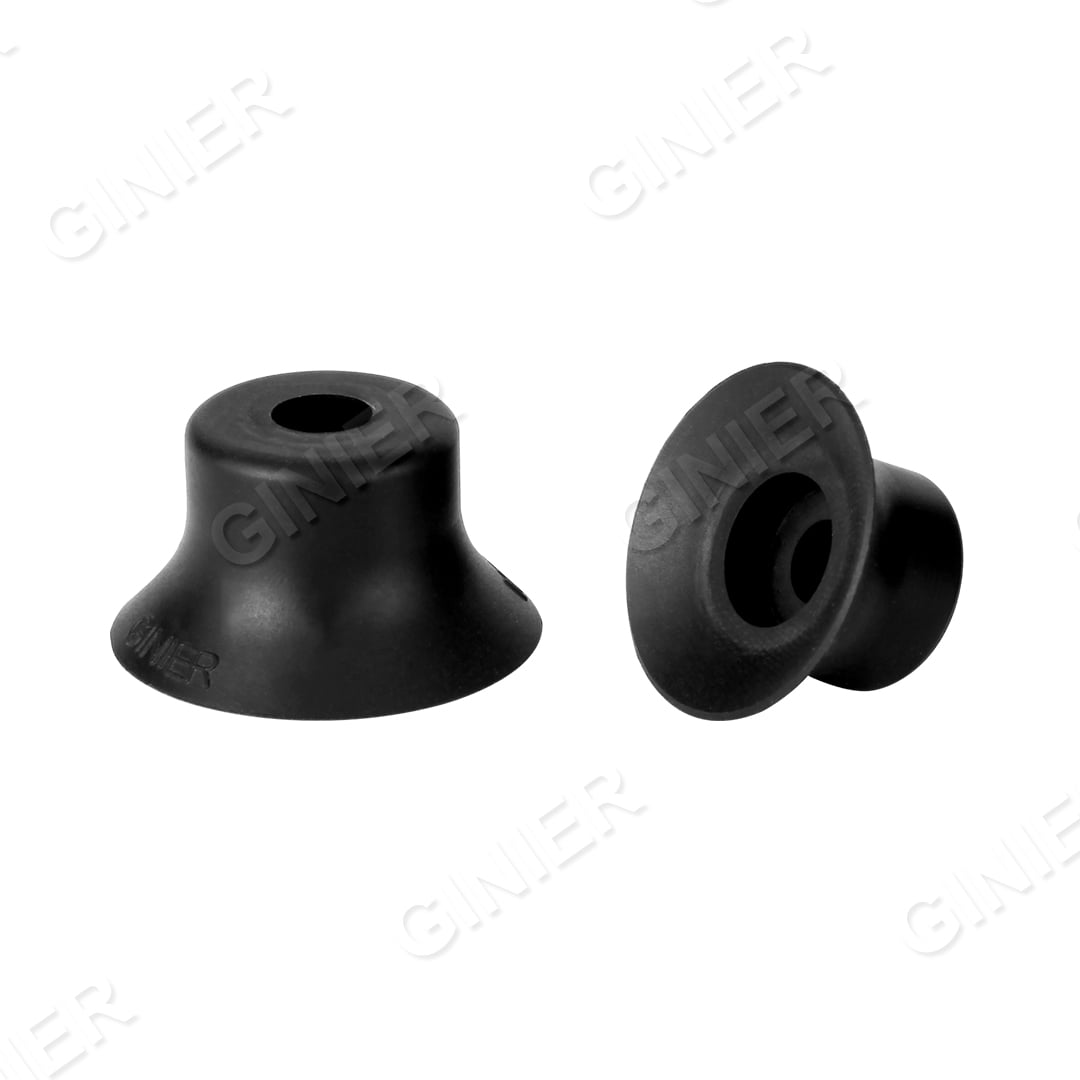
The fundamental challenge that anti-static suction cups address is the accumulation and rapid discharge of static electricity during the handling process. When components contact traditional non-conductive suction cups, charge builds up on both the component surface and the gripper mechanism. This accumulated energy seeks a path to ground, often jumping across component leads or circuit traces in a destructive electrostatic discharge event. Anti-static suction cups eliminate this hazard by providing a conductive pathway that safely dissipates electrical charge before it reaches dangerous levels, protecting valuable components and ensuring production integrity.
Anti-static suction cups operate on the same fundamental vacuum principle as conventional suction cups, but with significant material and construction modifications. When a suction cup's flexible material contacts a component surface, an air-tight seal forms around the cup's perimeter. A vacuum pump or pressure differential then removes air from the sealed chamber beneath the cup, creating a pressure difference between the sealed space and atmospheric pressure outside. This pressure differential generates the holding force that adheres the component to the anti-static suction cups, allowing safe vertical lifting and horizontal positioning. The vacuum adhesion principle has remained unchanged for decades, but anti-static suction cups integrate conductive properties into this proven mechanical framework.
The critical distinction separating anti-static suction cups from standard models lies in their material composition. Traditional suction cups are manufactured from elastomers like silicone or rubber, materials that provide excellent sealing properties but offer virtually no electrical conductivity. Anti-static suction cups incorporate conductive additives, typically carbon-based particles or specialized conductive polymers, throughout the cup material itself. These conductive elements create a continuous electrical pathway from the component being gripped, through the anti-static suction cups material, into the mounting hardware, and ultimately to ground. The conductivity level in anti-static suction cups is precisely controlled to meet industry electrostatic discharge standards, typically maintaining surface resistance values between 10^5 and 10^9 ohms per square centimeter. This intermediate conductivity level ensures safe charge dissipation without generating spark-producing arcs.
When a sensitive electronic component contacts anti-static suction cups, any static charge accumulated on the component begins migrating through the conductive cup material toward ground. This charge movement is gradual and controlled, spreading the electrical current across the conductive network within the anti-static suction cups structure rather than accumulating at any single point. The dissipation process occurs continuously throughout the handling cycle, preventing charge buildup on both the component and the gripper itself. Industry standards specify that anti-static suction cups must dissipate charge at rates that prevent voltages from exceeding component damage thresholds, typically maintaining potential differences below 100 volts. This continuous, controlled dissipation represents the core protective mechanism that distinguishes anti-static suction cups from non-conductive alternatives.
Anti-static suction cups function as part of a complete electrostatic discharge control system that extends beyond the cups themselves. The suction cup mounting hardware, gripper assembly, and connecting cables must all maintain consistent electrical conductivity to create an unbroken pathway to ground. Many automated handling systems incorporate anti-static suction cups into frameworks with dedicated grounding conductors that establish a low-resistance path to facility ground or a designated electrostatic discharge dissipative surface. The mounting structure beneath anti-static suction cups typically uses conductive materials like stainless steel or copper-plated aluminum rather than plastic or non-conductive composites. This integrated approach ensures that charge flowing through the anti-static suction cups encounters minimal resistance and reaches ground rapidly, maximizing protection for sensitive components throughout the entire handling process.
Engineers designing anti-static suction cups face a critical engineering tradeoff between vacuum sealing performance and electrical conductivity. Adding conductive particles to the cup material can compromise the elastomer's ability to form perfect air seals, potentially reducing holding force or increasing failure rates. Anti-static suction cups must maintain sufficient elasticity to deform smoothly around component surfaces and create reliable air-tight seals while simultaneously incorporating sufficient conductive material to ensure rapid charge dissipation. Manufacturers achieve this balance through precise formulation of the elastomer blend, careful particle size selection, and specialized manufacturing processes that ensure uniform conductivity distribution. High-quality anti-static suction cups undergo rigorous testing to confirm both vacuum adhesion performance and electrostatic discharge properties before market release.
The performance of anti-static suction cups depends partially on environmental conditions and maintenance practices within the manufacturing facility. Humidity levels significantly affect surface resistivity of anti-static suction cups; excessive dryness can increase resistance and reduce dissipation efficiency, while excessive moisture can create unintended conductive pathways. Temperature variations also influence the electrical properties of anti-static suction cups, requiring facilities to monitor and control climate conditions in sensitive assembly areas. Regular cleaning of anti-static suction cups using approved materials prevents contamination buildup that might compromise either vacuum sealing or electrical conductivity. Many manufacturers recommend periodic replacement of anti-static suction cups following established service intervals, as material degradation and wear reduce both mechanical performance and electrostatic discharge protection over extended use periods.
Anti-static suction cups incorporate conductive additives throughout their material structure, enabling safe charge dissipation during component handling. Regular suction cups are non-conductive, allowing static charge to accumulate and potentially cause electrostatic discharge damage to sensitive electronic components. While both types function on the same vacuum adhesion principle, anti-static suction cups include the specialized material composition and grounding integration required to protect valuable components from electrostatic damage.
Semiconductor manufacturing, printed circuit board assembly, microelectronics packaging, and precision optics industries represent primary users of anti-static suction cups. Any manufacturing environment handling components with electrostatic sensitivity benefits from deploying anti-static suction cups as part of their electrostatic discharge control program. Aerospace, medical device, and telecommunications sectors frequently specify anti-static suction cups for automated assembly and inspection processes where component damage represents unacceptable quality risk.
Replacement intervals for anti-static suction cups depend on production volume, environmental conditions, and component types being handled. Many facilities establish service intervals ranging from six months to two years, with more aggressive replacement schedules in high-volume production environments. Regular testing of anti-static suction cups using electrostatic discharge measurement equipment helps determine actual replacement timing, ensuring both vacuum performance and electrical protection remain within specification.
Explore our core 3 major vacuum product series for automated handling solutions.
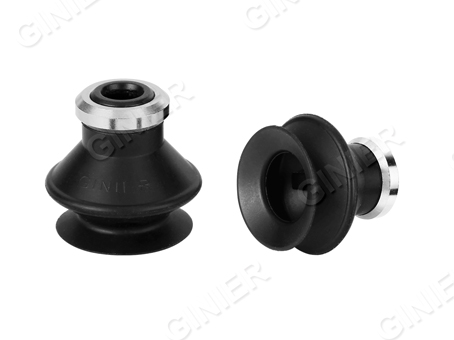
Full-range suction cup series with diversified materials & sizes.
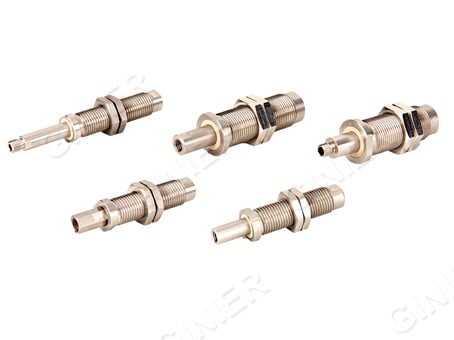
Complete pre-assembled suction fitting product lineup.
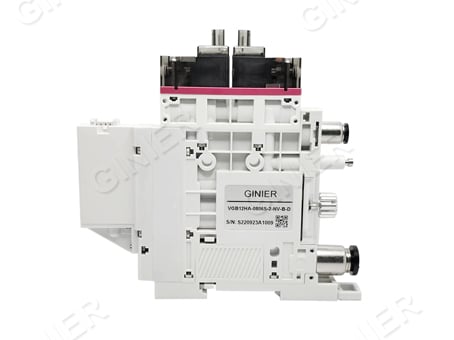
Modular vacuum generator full product portfolio.
 EN