
what-is-the-standard-cleaning-method-for-nonmarking-suction-cups, what-is-the-standard-cleaning-method-for-nonmarking-suction-cups, /news
EN
2026/10/15
Non-marking suction cups are critical components in material handling, automation, and manufacturing environments where surface damage is unacceptable. These specialized cups use elastomer materials formulated to prevent discoloration, staining, or residue on sensitive surfaces such as painted panels, polished metals, glass, and coated materials. However, maintaining their gripping power and longevity requires a consistent and deliberate cleaning regimen. Understanding the standard cleaning method for non-marking suction cups ensures optimal performance, extends equipment lifespan, and prevents costly operational failures in production lines and handling systems.
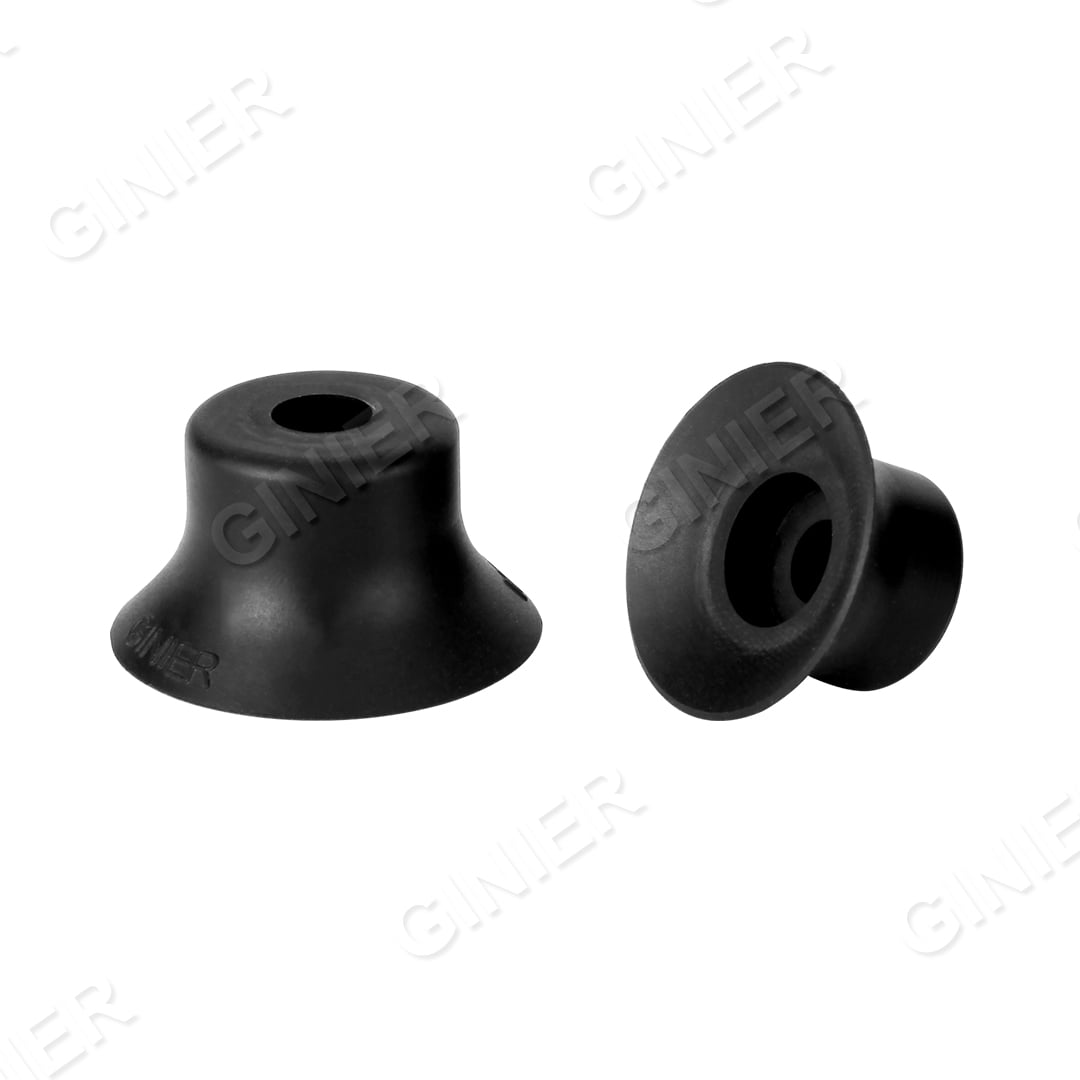
Proper maintenance of non-marking suction cups directly impacts their adhesive capability and surface compatibility. Dirt, dust, oils, and moisture accumulate on cup surfaces during routine use, degrading suction strength and creating visibility issues. A standardized cleaning protocol prevents performance decline, reduces downtime, and protects both the equipment and the workpieces being handled. The following sections detail the proper techniques, materials, and best practices for maintaining non-marking suction cups in industrial and commercial settings.
Before beginning any cleaning procedure, inspect the non-marking suction cups for visible damage, deformation, or permanent discoloration. Remove loose debris such as dust, paper fragments, and dry particles using a soft-bristled brush or dry cloth. This preliminary step prevents abrasive particles from scratching the elastomer surface during wet cleaning and ensures that subsequent washing targets actual contaminants rather than surface dust.
Gentle brushing with natural bristles works best for non-marking suction cups because synthetic brushes can leave fibers or cause minor scoring. Move the brush in circular motions across the entire cup surface, including the edges and the contact zone. Pay special attention to the suction surface where debris tends to accumulate most heavily. This dry phase typically takes thirty seconds to two minutes per cup and should be performed before every operating shift.
Once debris is removed, wash the non-marking suction cups with lukewarm water and a mild, pH-neutral detergent. Use distilled or deionized water whenever possible to prevent mineral deposits and reduce chemical interactions with the elastomer material. Avoid hot water above fifty degrees Celsius, as excessive heat can accelerate material degradation and reduce the lifespan of the cups. Submerge the cups for thirty to sixty seconds and gently wipe the surface using a soft lint-free cloth or sponge.
The detergent choice is critical for non-marking suction cups because harsh alkaline or acidic cleaners can compromise the material's non-marking properties and adhesive performance. Use only detergents formulated for sensitive materials, such as those designated for auto care or delicate surface cleaning. Avoid bleach, ammonia, acetone, and strong solvents that can cause swelling, discoloration, or permanent structural damage to the elastomer.
When non-marking suction cups experience reduced suction strength despite regular cleaning, the problem often involves adhesive residue, oil buildup, or dried coating material on the cup surface. In these cases, proceed with a targeted deep cleaning using isopropyl alcohol at a concentration of seventy to ninety percent. Dampen a clean cloth with the alcohol solution and wipe the cup surface thoroughly, then immediately rinse with distilled water to remove any alcohol residue. This method effectively dissolves stubborn contaminants without damaging the elastomer material.
Do not soak non-marking suction cups in alcohol for extended periods, as prolonged exposure can cause material softening or swelling. Instead, apply the alcohol-dampened cloth with deliberate wiping motions and complete the rinse within two minutes of application. After cleaning with alcohol, dry the cups completely using lint-free towels before returning them to service. This deep cleaning approach should be performed weekly or whenever performance degradation is noticed.
Proper drying is essential for maintaining non-marking suction cups in peak condition. After wet or deep cleaning, air-dry the cups in a well-ventilated area at room temperature, or use lint-free paper towels to manually dry all surfaces. Never use compressed air directly on the cups, as the high-pressure stream can force moisture into internal chambers or damage the elastomer surface. Ensure that no moisture remains on the suction contact zone, as residual water reduces grip strength and can promote microbial growth.
Store cleaned non-marking suction cups in a cool, dry environment away from direct sunlight, heat sources, and chemical vapors. Prolonged exposure to UV light or ozone can degrade elastomer materials and reduce non-marking properties. Keep cups in their original protective packaging or in a dedicated storage container that prevents dust accumulation and physical damage. Proper storage extends the interval between deep cleaning sessions and maintains consistent performance across the entire fleet of cups.
Establish a preventive maintenance schedule that includes visual inspection, cleaning, and functional testing of non-marking suction cups on a weekly or bi-weekly basis, depending on operational intensity. Track the number of operating hours, vacuum cycles, and load applications for each cup to identify patterns of degradation. Create a maintenance log that documents cleaning dates, cleaning methods used, and any performance issues observed. This data-driven approach helps predict when replacement becomes necessary before catastrophic failure occurs on the production line.
Non-marking suction cups typically maintain optimal performance for two to five years under normal operating conditions when properly maintained. However, aggressive environmental conditions, frequent temperature fluctuations, or exposure to corrosive chemical vapors may reduce this lifespan. When cups consistently fail to achieve target suction strength after cleaning, or when visible material degradation appears, schedule replacement to prevent product damage and maintain safety standards.
After completing a cleaning cycle, test the non-marking suction cups to verify restored performance. Place each cup against a clean test surface and apply vacuum while measuring the holding force using appropriate testing equipment. Compare results against the manufacturer's performance specifications to identify cups that have fallen below acceptable thresholds. This validation step ensures that cleaning efforts have successfully restored functionality and that further maintenance or replacement is justified.
Document baseline performance metrics for new non-marking suction cups before deployment and repeat testing after each major cleaning session. This creates a performance baseline that helps distinguish between normal wear and accelerated degradation caused by improper cleaning, storage, or application conditions. When performance data shows consistent decline despite proper cleaning, it signals the need for cup replacement or process adjustments to extend equipment lifespan and reduce maintenance costs.
Non-marking suction cups should receive daily dry cleaning with a soft brush before each shift and wet cleaning at least once per week with mild detergent and distilled water. High-contamination environments may require daily wet cleaning. Deep cleaning with isopropyl alcohol should be performed weekly or whenever suction performance declines despite regular maintenance.
Tap water is acceptable for routine cleaning of non-marking suction cups, but distilled or deionized water is preferred to prevent mineral deposits and avoid chemical interactions with the elastomer material. Tap water may cause visible residue buildup over time, particularly in hard-water regions, so switching to distilled water for weekly deep cleaning can extend cup lifespan and maintain consistent performance.
Replace non-marking suction cups when they show visible cracking, permanent deformation, discoloration that won't rinse clean, or when they fail to achieve manufacturer-specified suction strength even after thorough cleaning. If cups consistently slip or drop loads during normal operation after proper maintenance, replacement is likely necessary. Most industrial non-marking suction cups require replacement every two to five years depending on usage intensity and maintenance quality.
Explore our core 3 major vacuum product series for automated handling solutions.
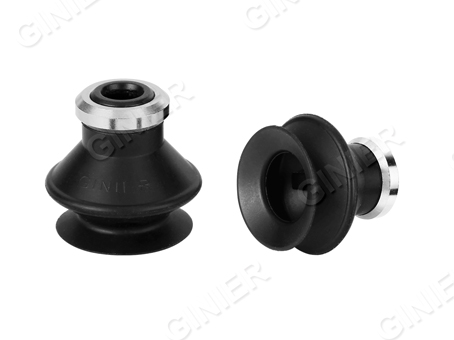
Full-range suction cup series with diversified materials & sizes.
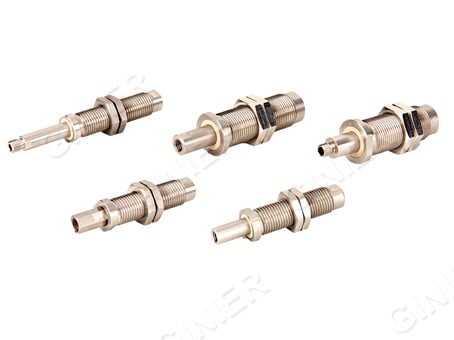
Complete pre-assembled suction fitting product lineup.
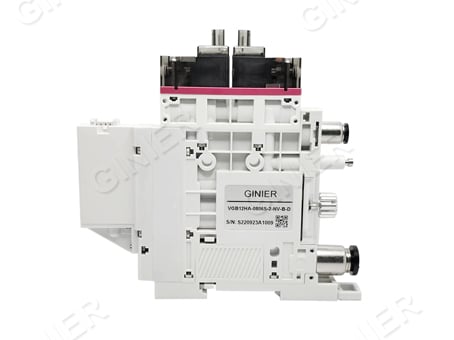
Modular vacuum generator full product portfolio.
 EN