
EN
2026/08/24
Vacuum systems play a critical role in industrial manufacturing, laboratory operations, and specialized equipment across multiple sectors. Understanding the components that enable these systems to operate efficiently is essential for professionals who depend on them daily. Among the most important vacuum accessories, the vacuum check valve stands out as a fundamental device that protects systems from contamination, prevents backflow, and maintains operational integrity. Whether you work with packaging machinery, medical equipment, analytical instruments, or pneumatic systems, knowing how vacuum accessories like check valves function directly impacts your system's reliability and longevity.
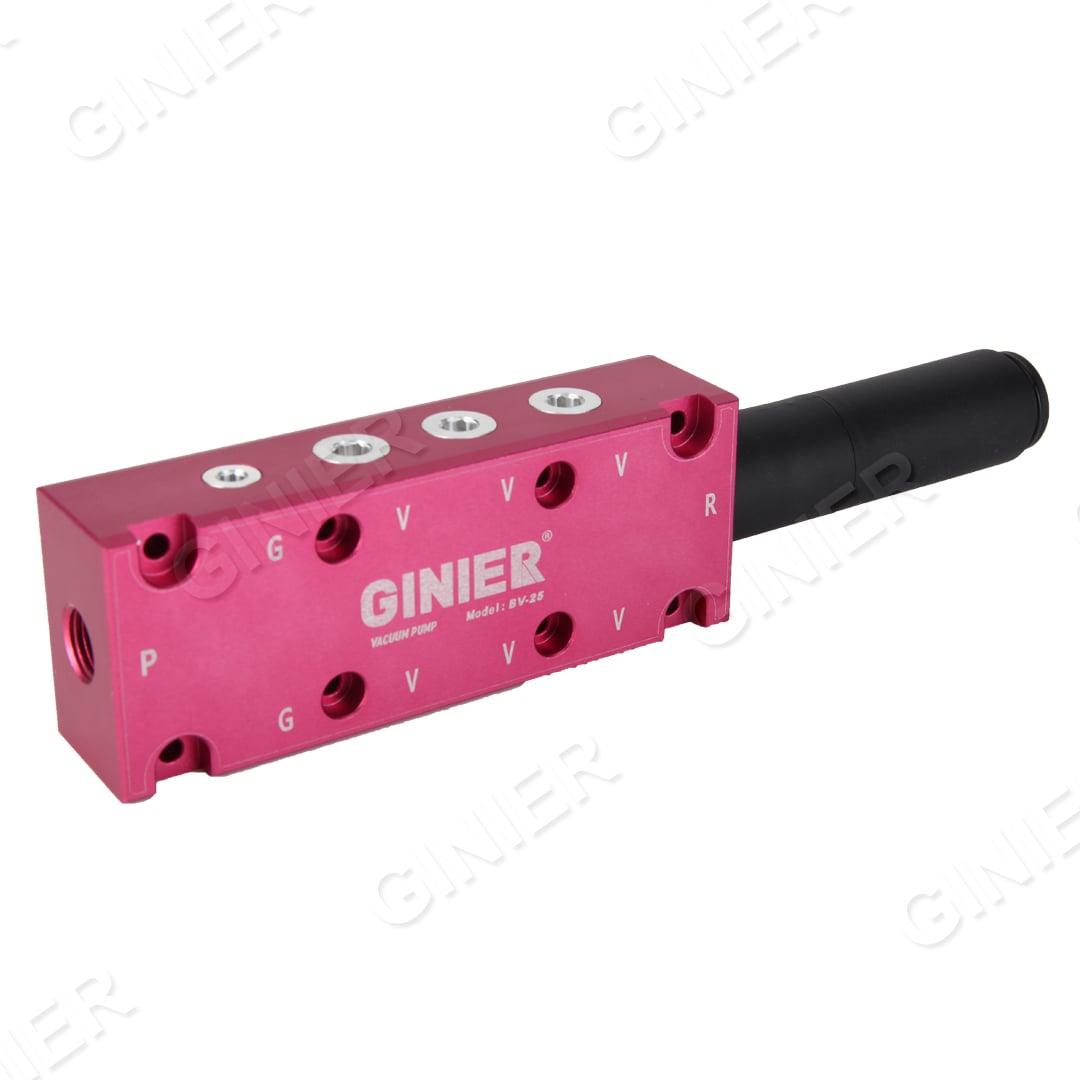
A vacuum check valve functions as a one-way gate within a vacuum system, allowing air or gas to flow in one direction while blocking reverse flow. This simple yet powerful mechanism prevents damaging backflow scenarios where pressure differentials could cause unwanted gas or contaminants to travel backward through the system. As a core component among vacuum accessories, the check valve protects pumps, reservoirs, and sensitive equipment from pressure spikes, contamination ingress, and operational failures that could otherwise compromise product quality or system safety.
The fundamental function of a vacuum check valve is directional flow control. Inside the valve, a internal flapper, poppet, or ball mechanism responds to pressure differences. When vacuum is applied or gas flows in the intended direction, the differential pressure opens the valve by lifting or moving the internal seal away from its seat. When pressure reverses or attempts to flow backward, the check valve's internal mechanism snaps shut, sealing the passage and blocking backflow entirely. This automatic, passive operation requires no external controls, electrical signals, or manual intervention, making vacuum accessories of this type extremely reliable in demanding industrial environments.
Check valves are essential vacuum accessories because they solve a fundamental problem inherent in vacuum system design. Without directional control, pumps face risk from sudden pressure reversals during system shutdown or unexpected load changes. Contamination can be drawn backward into pumps and chambers, damaging seals and reducing efficiency. Product quality suffers when foreign material enters packaging lines or processing chambers. By incorporating a quality check valve among your vacuum accessories, you prevent these costly failures before they occur. Industrial users depend on check valves to keep systems running, protect expensive equipment, and maintain the vacuum seal integrity that makes production possible.
Vacuum check valves function across numerous industrial sectors. In food packaging, vacuum accessories prevent atmospheric air from rushing back into chambers when pumps shut down, protecting product freshness and seal integrity. Medical device manufacturers rely on check valves to maintain sterile environments and prevent contamination during manufacturing cycles. Laboratory equipment, electron microscopes, and analytical instruments require vacuum accessories that can maintain precise pressure conditions without backflow interference. Automotive production lines use check valves to control pneumatic actuators and ensure repeatable cycle performance. Semiconductor fabrication depends on vacuum accessories to maintain ultra-clean chamber conditions. In each application, the check valve's function remains constant: allow forward flow, block reverse flow, protect the system.
A vacuum check valve does not operate in isolation. It functions as part of a complete system that may include vacuum pumps, filtration systems, regulators, gauges, and other vacuum accessories working together. The check valve's position in the system determines its specific protective role. When placed immediately after the pump outlet, it protects the pump from backflow during shutdown or load cycling. When positioned near the application chamber, it prevents contamination from being pulled backward into the line. Strategic placement of vacuum accessories, including proper check valve positioning, maximizes system performance and equipment longevity. Understanding how each component, especially vacuum accessories like check valves, contributes to overall system function enables better design decisions and troubleshooting.
The function of a vacuum check valve depends on several performance parameters. Cracking pressure refers to the minimum differential pressure required to open the valve, allowing forward flow to begin. Leakage rate describes how much reverse flow the valve permits when closed—quality vacuum accessories achieve near-zero leakage, while inferior designs may allow slow contamination ingress. Flow capacity determines the maximum gas volume the valve can handle in the forward direction without creating excessive pressure drop. Temperature rating and material compatibility ensure the valve maintains function across operating ranges. These factors matter because a check valve selected without considering system requirements may fail to provide adequate protection. When evaluating vacuum accessories for your application, comparing these performance metrics ensures you choose a valve that delivers reliable protective function.
Proper maintenance extends the functional life of vacuum accessories, including check valves. Particles and contaminants can accumulate on the internal seal or poppet, preventing the valve from sealing completely and compromising its protective function. Regular inspection of your vacuum accessories, including visual checks for debris at the outlet, helps catch problems early. Some systems benefit from upstream filtration to prevent contamination from reaching the check valve. If a vacuum accessory begins to show reduced performance—such as slower pump-down times or unexpected pressure variations—the check valve may require cleaning or replacement. Understanding that check valves are maintenance-accessible components among your vacuum accessories enables proactive care that prevents system failures.
A vacuum check valve functions as a directional flow control device that blocks reverse flow, while a pressure relief valve protects against overpressure by venting excess gas. Check valves are passive, responding only to flow direction, whereas relief valves are sensitive to pressure magnitude. In vacuum systems, both types of vacuum accessories may be present, serving distinct protective roles. Check valves prevent backflow contamination; relief valves prevent pressure spikes. Understanding this distinction ensures you select the correct vacuum accessories for your system's specific protection needs.
Yes, check valves can fail if internal components become damaged, contaminated, or wear out over time. Warning signs include slower system evacuation rates, unusual noise during pump operation, unexpected pressure fluctuations, or visible contamination entering the vacuum chamber. When vacuum accessories like check valves begin to fail, the valve's protective function degrades, allowing backflow or reduced directional control. Regular monitoring and prompt replacement of failed vacuum accessories prevent cascading damage to pumps and production equipment. Keeping replacement check valves on hand as maintenance inventory ensures minimal downtime when a vacuum accessory requires replacement.
Selecting appropriate vacuum accessories requires matching the check valve to your system's flow rate, pressure range, temperature conditions, and contamination environment. Determine the maximum gas volume your pump handles at peak operation, then choose a vacuum accessory with adequate flow capacity. Verify the valve's cracking pressure is appropriate for your system—too high a cracking pressure means the valve opens slowly; too low means it may chatter or oscillate. Consider material compatibility with your media; some vacuum accessories use elastomers that degrade in certain chemical environments. Consulting with vacuum system specialists or reviewing technical datasheets for vacuum accessories ensures you make an informed selection that delivers reliable protective function.
Explore our core 3 major vacuum product series for automated handling solutions.
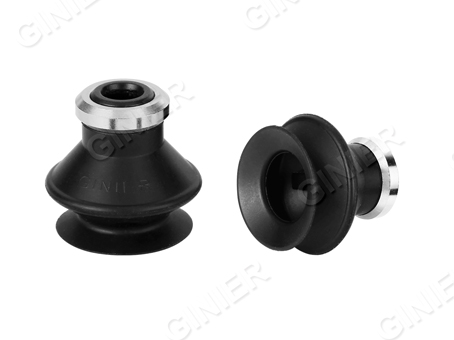
Full-range suction cup series with diversified materials & sizes.
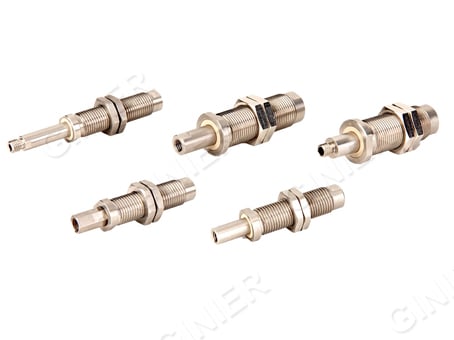
Complete pre-assembled suction fitting product lineup.
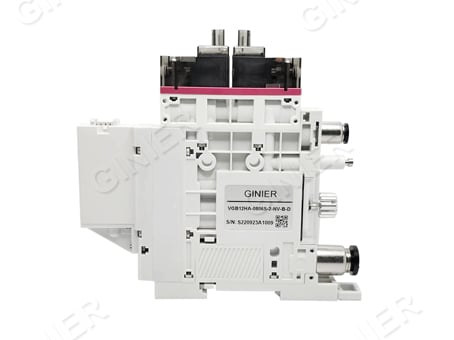
Modular vacuum generator full product portfolio.
 EN
EN