
what-is-the-difference-between-single-stage-and-multi-stage-vacuum-ejectors, what-is-the-difference-between-single-stage-and-multi-stage-vacuum-ejectors, /news
EN
2026/08/21
A vacuum ejector is a critical component in industrial vacuum systems, designed to create vacuum conditions by converting compressed air or steam into suction force. Understanding the distinction between single stage and multi stage vacuum ejector designs is essential for selecting the right system for your operational requirements. Across various industrial vacuum systems, each type offers unique performance characteristics, efficiency levels, and suitability for different pressure ranges and industrial processes.
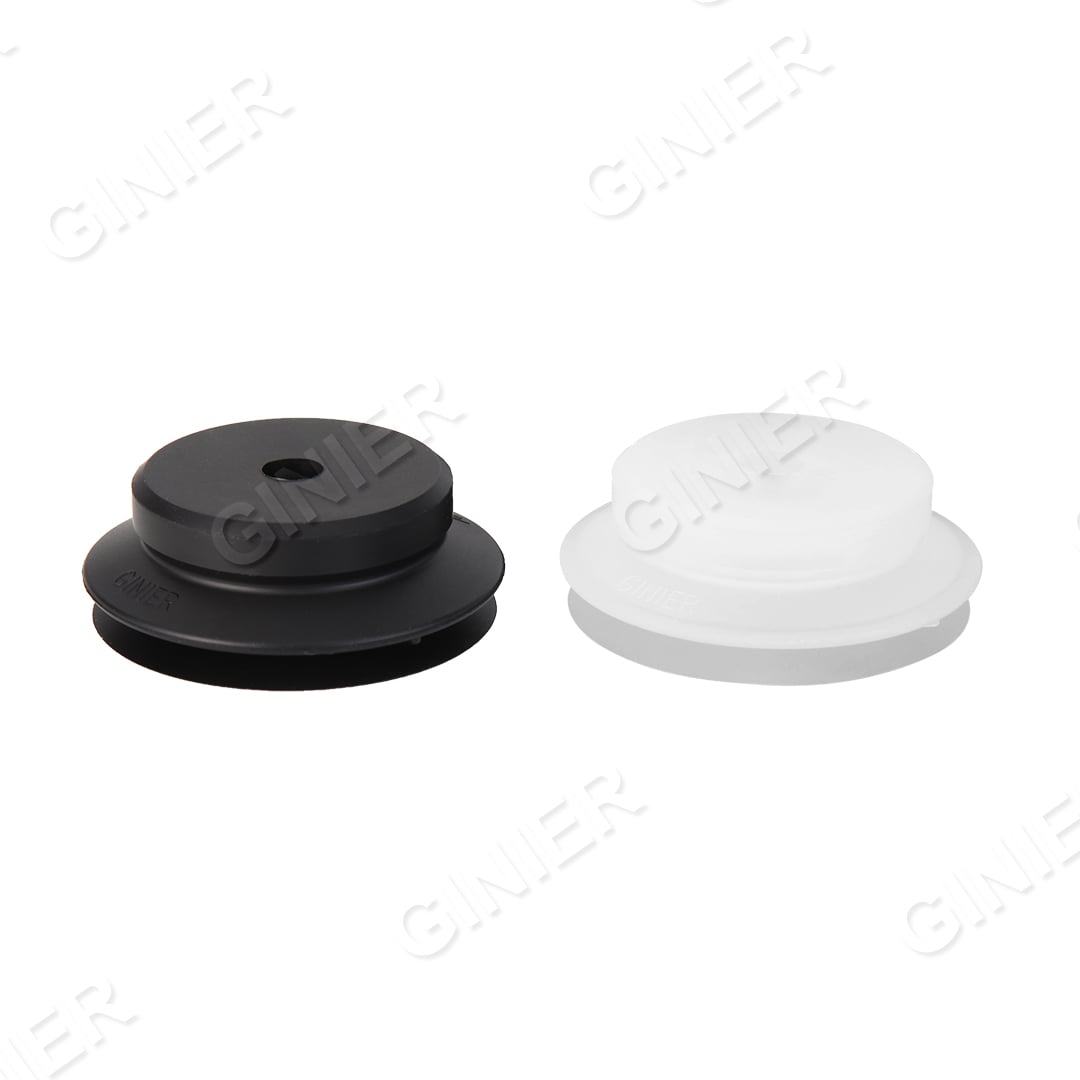
The fundamental difference between a single stage and multi stage vacuum ejector lies in how many compression stages are used to achieve the desired vacuum level. A single stage vacuum ejector accomplishes this task in one compression cycle, making it simpler and more cost-effective for moderate vacuum requirements. In contrast, a multi stage vacuum ejector uses successive compression stages, each one progressively reducing pressure to achieve deeper vacuum levels. This distinction directly impacts performance, energy efficiency, and the range of applications each vacuum ejector can effectively handle.
A single stage vacuum ejector operates by channeling pressurized air or steam through a nozzle, which accelerates the working fluid to high velocity. This jet entrains surrounding gases or vapors, expanding them into a diffuser chamber where the mixture is decelerated, converting kinetic energy into pressure rise. The single stage vacuum ejector achieves vacuum levels typically ranging from 0.3 to 0.5 bar absolute pressure, which is adequate for many industrial applications including material handling, pneumatic conveying, and light industrial automation. The simplicity of the single stage vacuum ejector design means fewer moving parts, lower maintenance requirements, and straightforward installation in compact spaces.
Single stage vacuum ejector systems consume less energy per cycle because they require only one compression stage, translating to reduced operating costs in applications where moderate vacuum is sufficient. The manufacturing cost of a single stage vacuum ejector is significantly lower than multi stage alternatives, making it the economical choice for budget-conscious operations. However, the single stage vacuum ejector reaches efficiency limits when deeper vacuum or higher pumping capacity is needed. Facilities handling material at higher speeds or requiring vacuum below 0.3 bar absolute pressure will find that a single stage vacuum ejector becomes increasingly inefficient, consuming excessive energy without delivering proportional performance gains.
A multi stage vacuum ejector comprises two or more ejection stages arranged in series, with each successive stage operating at progressively lower pressures. The discharge from the first stage becomes the inlet for the second stage, allowing the multi stage vacuum ejector to compress vapors and gases multiple times. This cascading design enables a multi stage vacuum ejector to achieve vacuum levels as deep as 0.01 bar absolute pressure or lower, essential for applications such as industrial drying, chemical processing, food packaging, and precision manufacturing. Each stage in a multi stage vacuum ejector system works within its optimal pressure range, maintaining efficiency across the entire vacuum spectrum rather than degrading rapidly as pressure drops.
Industries requiring consistent high-capacity pumping at very low pressures depend on multi stage vacuum ejector technology. The multi stage vacuum ejector distributes the compression work across multiple stages, preventing any single stage from being overloaded. This distribution of workload means the multi stage vacuum ejector maintains stable performance even when handling vapor-laden gases or when inlet conditions fluctuate. A multi stage vacuum ejector also provides greater redundancy; if one stage experiences temporary degradation, the others continue functioning, ensuring production continuity. Applications involving steam ejection, condensation recovery, or handling thermally sensitive materials particularly benefit from the controlled, efficient operation that a multi stage vacuum ejector provides.
Selecting between a single stage and multi stage vacuum ejector begins with defining the required vacuum level and pumping capacity. For vacuum levels between 0.3 and 0.5 bar absolute pressure, a single stage vacuum ejector is typically adequate and represents the most economical solution. When operations demand vacuum below 0.3 bar absolute pressure, a multi stage vacuum ejector becomes necessary to achieve acceptable performance. The transition point varies by application, but generally, if your process requires any vacuum deeper than 0.2 bar absolute pressure consistently, a multi stage vacuum ejector should be your design choice. Understanding this threshold prevents undersizing a single stage vacuum ejector, which would result in wasteful energy consumption and inadequate process performance.
A single stage vacuum ejector offers lower initial capital cost but may incur higher energy costs if operated at or near its performance limits. Conversely, a multi stage vacuum ejector requires higher upfront investment but typically consumes less energy per unit of vacuum achieved, especially at deeper vacuum levels. Over the equipment lifecycle, a multi stage vacuum ejector often proves more economical in applications running continuously or at high capacity. Facilities should calculate total cost of ownership, factoring in compressed air or steam generation costs alongside equipment expense. A multi stage vacuum ejector's superior efficiency at deep vacuum conditions often justifies its premium purchase price within 12 to 24 months of operation in industrial settings.
Retrofitting a single stage vacuum ejector system to multi stage typically requires replacing core components rather than simple upgrades. A purpose-built multi stage vacuum ejector is engineered with different nozzle geometries, diffuser designs, and internal flow paths than a single stage vacuum ejector. While some modular vacuum ejector systems allow adding additional stages, most single stage vacuum ejector installations were not designed with this expansion path. Instead of attempting retrofits, it is more practical and cost-effective to install the correct vacuum ejector type from the start based on your vacuum requirements.
A single stage vacuum ejector requires minimal maintenance, primarily involving inlet filter cleaning and nozzle inspection for erosion or blockage. The simpler single stage vacuum ejector design means fewer internal passages prone to clogging. A multi stage vacuum ejector requires more detailed maintenance because multiple stages must be checked, and inter-stage passages can accumulate deposits over time. Regular inspection of interstage connections and valve condition becomes important with a multi stage vacuum ejector. However, both vacuum ejector types are non-mechanical devices with no moving parts, so their maintenance needs are substantially lower than mechanical vacuum pumps.
Single stage vacuum ejector performance remains relatively stable across typical ambient temperature ranges, though extreme heat can slightly reduce efficiency in demanding industrial vacuum systems. A multi stage vacuum ejector becomes advantageous when using steam as the working fluid because each stage can be optimized for its specific pressure range, improving overall thermal efficiency across complex industrial vacuum systems.
Explore our core 3 major vacuum product series for automated handling solutions.
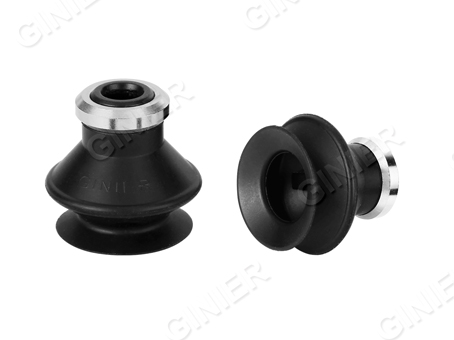
Full-range suction cup series with diversified materials & sizes.
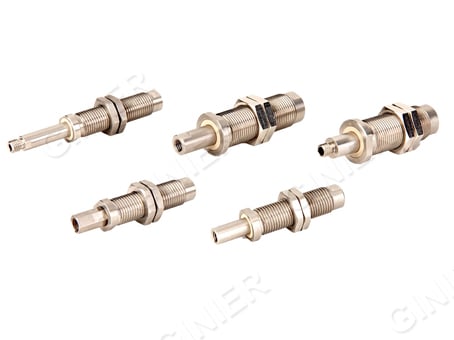
Complete pre-assembled suction fitting product lineup.
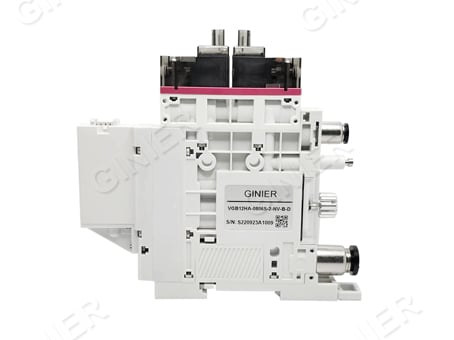
Modular vacuum generator full product portfolio.
 EN
EN