
what-factors-accelerate-vacuum-suction-cup-aging-and-damage, what-factors-accelerate-vacuum-suction-cup-aging-and-damage, /news
EN
2026/08/24
Vacuum suction cups are critical components in automated systems, material handling equipment, and industrial applications across manufacturing, logistics, and assembly operations. Understanding what causes premature vacuum suction cup aging and damage to these components is essential for maintaining equipment reliability and minimizing costly downtime. The The overall industrial suction cup lifespan depends on multiple interconnected factors that work together to degrade material integrity and functional performance over time.
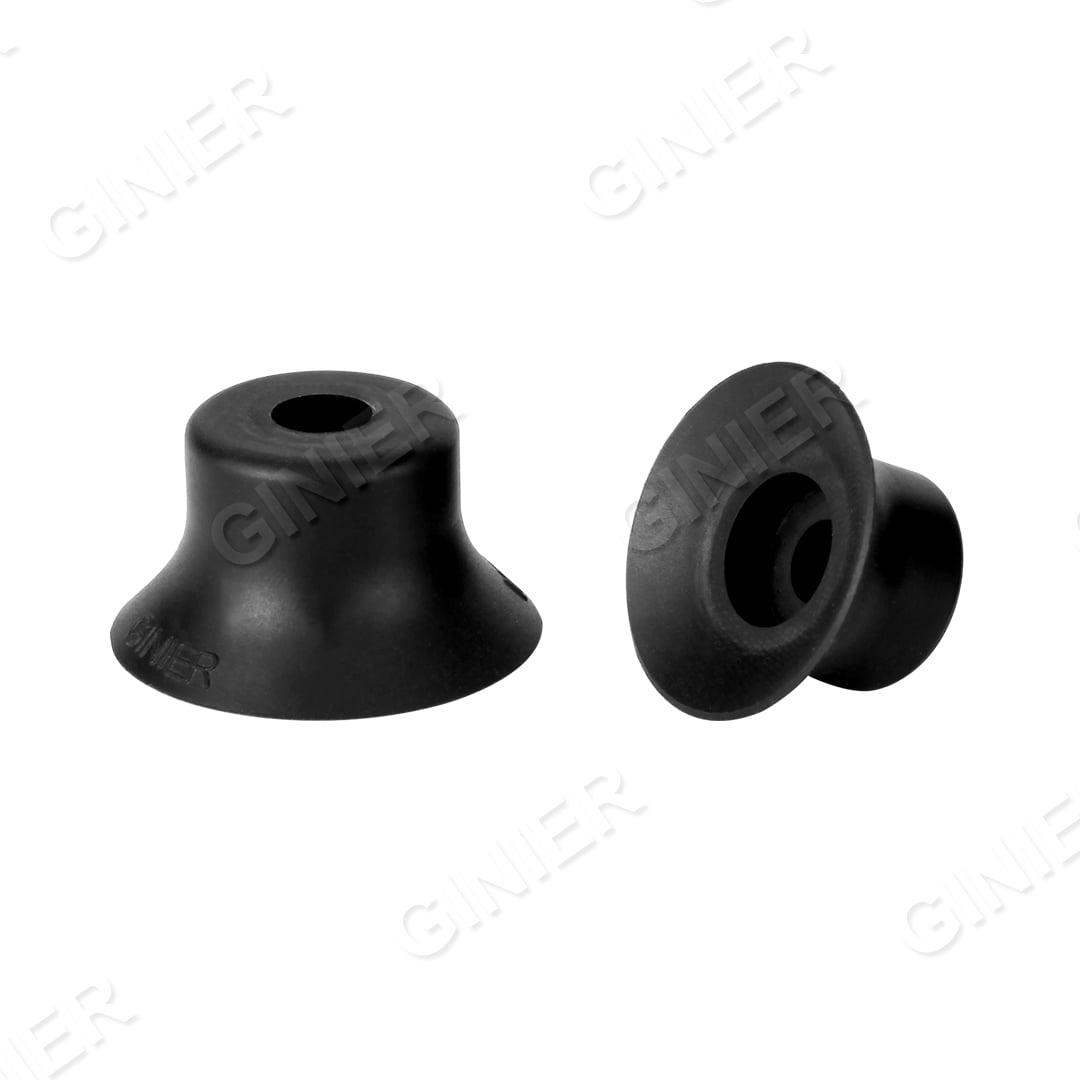
Several environmental and operational conditions significantly impact how quickly a vacuum suction cup aging process accelerates and deteriorates the material. Temperature fluctuations, exposure to harsh chemicals, UV radiation, humidity levels, and mechanical stress all contribute to material breakdown and functional decline. By identifying these suction cup degradation factors early, facility managers and equipment operators can implement preventive maintenance strategies, adjust operational parameters, and select appropriate vacuum suction cup materials for specific industrial environments.
Temperature variations represent one of the most significant environmental stressors affecting vacuum suction cup performance and longevity. When a vacuum suction cup experiences repeated heating and cooling cycles, the elastomer material undergoes thermal expansion and contraction, causing microscopic fractures and loss of elasticity. High-temperature environments accelerate polymer chain breakdown, while extremely cold conditions cause the material to become brittle and prone to cracking. Industrial facilities with significant temperature swings between heated production areas and cold storage zones expose vacuum suction cups to particularly demanding conditions that shorten their operational industrial suction cup lifespan considerably.
Chemical contact represents another major acceleration factor for vacuum suction cup aging. Oils, solvents, cleaning agents, and industrial fluids penetrate the elastomer surface, causing softening, swelling, or hardening depending on the chemical composition and material type. When dealing with elastomer material degradation, components exposed to petroleum-based oils may absorb these compounds, losing flexibility and grip strength. Acidic or alkaline environments further degrade the material structure, compounding the effects of suction cup degradation factors like heat and mechanical stress.
The mechanical demands placed on a vacuum suction cup during normal operation directly correlate with vacuum suction cup aging speed and failure risk. When vacuum suction cup systems operate near or beyond their rated load capacity, the elastomer material experiences excessive deformation and internal stress. Repeated stretching, compression, and flexing cycles create fatigue patterns within the material structure, gradually weakening the seal and reducing holding force. High-frequency cycling, particularly with shock loads or sudden pressure changes, accelerates this mechanical degradation significantly. Industrial pick-and-place robots working at maximum speed impose continuous mechanical stress on vacuum suction cups, substantially reducing their expected industrial suction cup lifespan compared to lower-demand applications.
Inconsistent vacuum levels create internal material stresses that contribute substantially to vacuum suction cup aging. When vacuum pressure rises and falls rapidly or dramatically, the elastomer material undergoes repeated expansion and contraction at the molecular level, weakening its structural integrity. Improper vacuum pump maintenance leading to pressure oscillations forces the vacuum suction cup to work in unstable conditions, accelerating wear and material breakdown. Systems with inadequate vacuum regulation or faulty pressure stabilizers impose unnecessary stress patterns on every vacuum suction cup in the circuit, reducing overall component lifespan across the entire application.
How a vacuum suction cup is installed and maintained significantly influences its aging trajectory and failure timeline. Improper thread engagement, excessive torque, or misalignment during installation can create stress concentrations that accelerate localized material degradation. Neglecting regular cleaning allows dust, debris, and dried residues to accumulate on the vacuum suction cup surface, impairing seal function and forcing the system to work harder to maintain grip strength. Lack of routine inspection means early signs of material deterioration go undetected until functional failure occurs. Facilities that implement preventive maintenance schedules and proper installation procedures consistently experience longer vacuum suction cup lifespans and fewer unexpected equipment failures.
Even when not in active use, a vacuum suction cup continues to age through storage degradation processes. Direct sunlight exposure causes UV-induced breakdown of elastomer polymers, hardening and embrittling the material before the component is ever installed. Improper storage temperatures, excessive humidity, or contact with incompatible materials can initiate chemical reactions that degrade the vacuum suction cup structure over time. Spare inventory stored in hot warehouses without UV protection can lose functionality long before being pressed into service. Proper storage in cool, dark, dry conditions with adequate air circulation preserves vacuum suction cup material properties and extends overall product shelf life significantly.
The intensity and frequency of vacuum suction cup usage directly determines aging rate and operational lifespan. Continuous 24/7 operation places far greater cumulative stress on elastomer materials compared to intermittent or part-time application. Systems running at maximum speed and load capacity for extended periods accumulate damage far faster than lightly loaded or occasionally used equipment. Each cycle of pickup, hold, release, and repositioning removes a small amount of material resilience from the vacuum suction cup, so higher cycle counts directly correlate with accelerated aging. Understanding typical usage patterns helps facility managers establish realistic replacement intervals and budget appropriately for maintenance costs.
Extending vacuum suction cup lifespan requires implementing multiple preventive strategies simultaneously. Maintain consistent vacuum pressure levels using proper pump maintenance and pressure regulators to reduce material stress. Store spare vacuum suction cup inventory in cool, dark, dry conditions away from direct sunlight and incompatible chemicals. Perform routine cleaning to remove debris that forces the system to work harder. Verify proper installation alignment and torque specifications to eliminate stress concentrations. Operate equipment within rated load and speed specifications rather than pushing components to their limits. Regular inspection intervals allow detection of early degradation signs before complete functional failure occurs, enabling timely vacuum suction cup replacement before downtime impacts production schedules.
The most damaging environmental combinations involve simultaneous temperature extremes, chemical exposure, and mechanical stress on the vacuum suction cup. High heat combined with chemical solvents accelerates degradation far faster than either factor alone. Frequent thermal cycling between hot and cold environments creates repetitive material stress that compounds over time. Direct UV exposure in outdoor applications causes rapid embrittling of elastomer materials used in vacuum suction cup construction. Dusty or contaminated environments with oil mist or chemical vapors continuously attack the vacuum suction cup surface, gradually degrading material properties. Facilities can mitigate these combined stressors by using specially formulated vacuum suction cup materials designed for harsh environments and implementing environmental controls such as temperature regulation or chemical shielding.
Proactive vacuum suction cup replacement should occur when measurable performance decline becomes evident rather than waiting for complete failure. Visual signs include surface cracks, permanent deformation, color changes, or loss of flexibility in the elastomer material. Functional indicators include reduced holding force, slower engagement, or increased air leakage from the vacuum suction cup interface. For critical applications, establish replacement intervals based on manufacturer recommendations adjusted for your specific operating conditions and usage intensity. Tracking vacuum suction cup replacement history helps identify patterns and predict optimal replacement timing for your equipment. Implementing condition monitoring systems that measure actual vacuum levels and holding force provides data-driven guidance for replacement decisions, minimizing unexpected downtime while optimizing component cost management.
Explore our core 3 major vacuum product series for automated handling solutions.
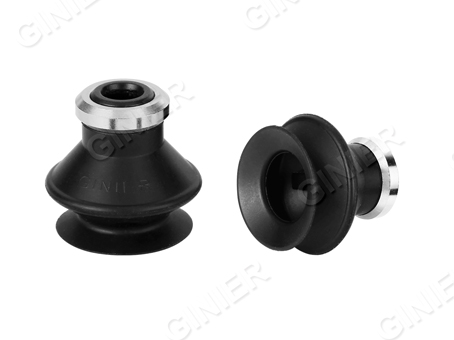
Full-range suction cup series with diversified materials & sizes.
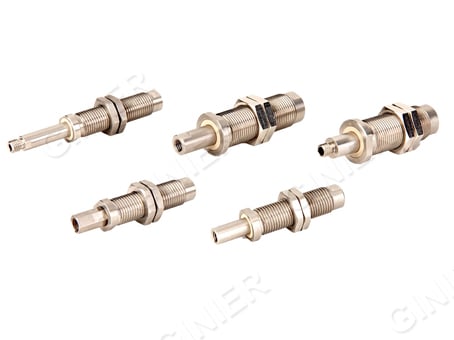
Complete pre-assembled suction fitting product lineup.
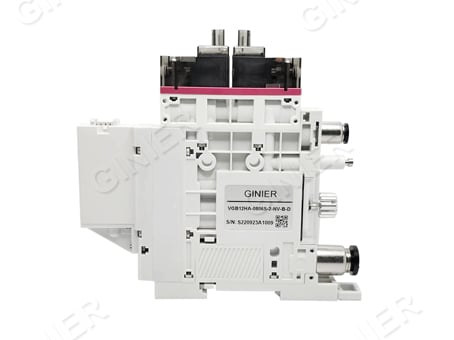
Modular vacuum generator full product portfolio.
 EN
EN