
what-are-the-main-causes-of-pneumatic-suction-cup-leakage, what-are-the-main-causes-of-pneumatic-suction-cup-leakage, /news
EN
2026/08/24
A pneumatic suction cup is a critical component in automated handling, assembly, and packaging systems across manufacturing, automotive, food processing, and logistics industries. When a pneumatic suction cup fails to maintain proper grip or begins losing pressure unexpectedly, production halts, product quality suffers, and operational costs rise rapidly. Understanding the root causes of pneumatic suction cup leakage is essential for maintenance teams, production engineers, and facility managers who rely on vacuum automation. Pneumatic suction cup leakage in a handling system compromises the entire operation, turning what should be a reliable holding mechanism into a source of downtime and waste. Managing pneumatic suction cup leakage effectively is the key to maintaining stable operations.
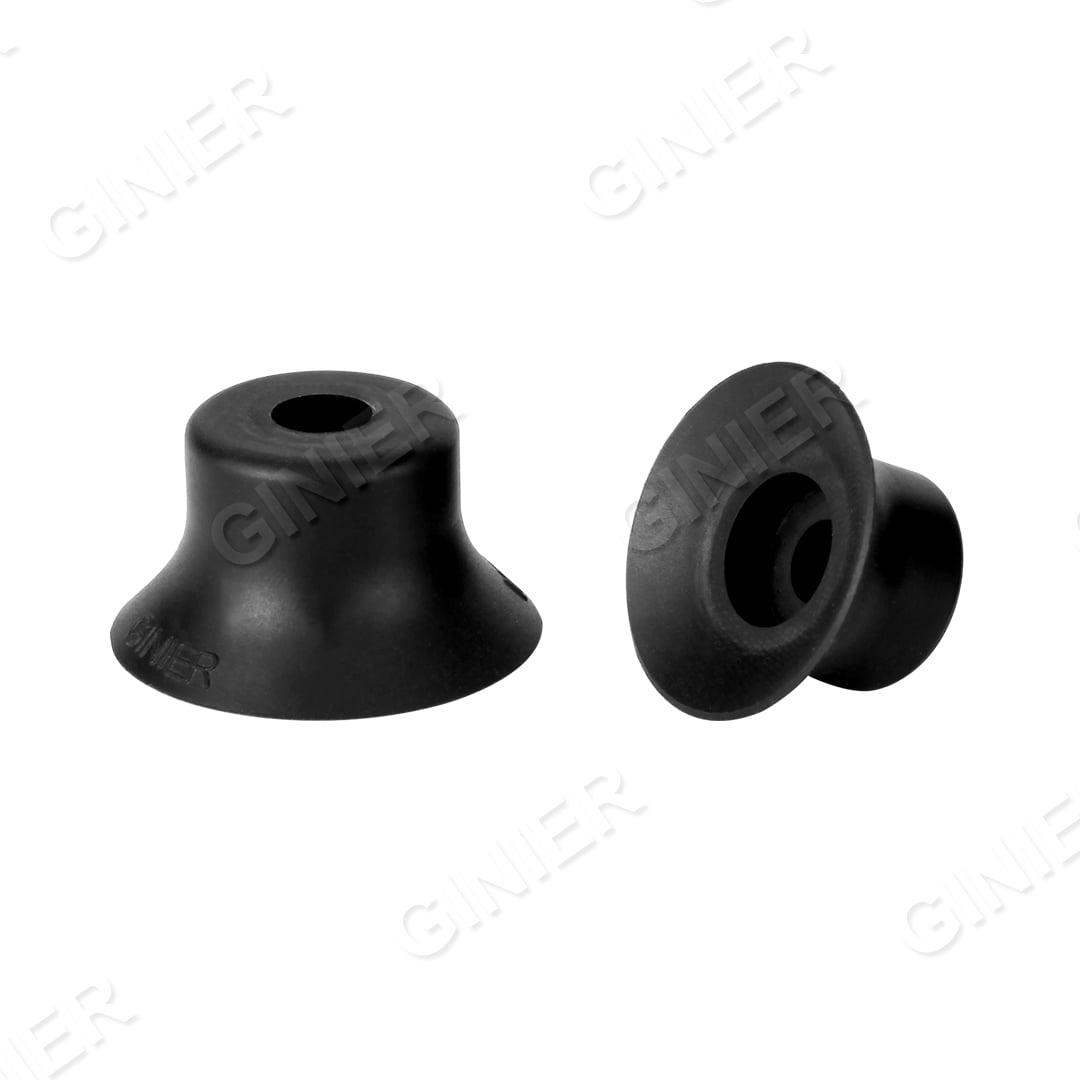
The performance of a pneumatic suction cup depends on maintaining an airtight seal between the cup body, the sealing elastomer, and the workpiece surface. Leakage occurs when this seal fails, allowing pressurized air to escape rather than creating the vacuum force required for secure holding. Most pneumatic suction cup leakage incidents share common mechanical and environmental causes that can be diagnosed, prevented, and corrected through systematic inspection and pneumatic suction cup maintenance. This article explores the primary failure mechanisms, their operational consequences, and practical solutions to extend service life and maintain pneumatic handling reliability.
The sealing element of a pneumatic suction cup is typically made from elastomers such as nitrile, silicone, or polyurethane. Over time, exposure to atmospheric ozone, UV radiation, temperature cycling, and moisture causes the elastomer to harden, crack, and lose resilience. A degraded elastomer in a pneumatic suction cup cannot conform tightly to irregular workpiece surfaces, allowing air to bypass the seal perimeter. Nitrile elastomers, the most common choice for general-purpose pneumatic suction cup applications, typically maintain full flexibility for 3 to 5 years under standard industrial conditions before noticeable hardening begins. Once elastomer degradation occurs in a pneumatic suction cup, performance deteriorates rapidly, and replacement becomes the only reliable solution. Ongoing pneumatic suction cup maintenance helps detect early elastomer degradation before it causes system failures.
Industrial environments expose pneumatic suction cup seals to oils, solvents, cleaning agents, and other chemical compounds that accelerate elastomer breakdown. Oil exposure causes swelling and softening of some elastomers, while solvent contact can dissolve the polymer matrix entirely. When a pneumatic suction cup operates in an oil-rich environment without proper material selection, the seal degrades rapidly and begins leaking within months. Selecting the correct elastomer grade for the specific pneumatic suction cup application environment prevents premature failure. Silicone elastomers resist certain oils better than nitrile, while polyurethane offers superior solvent resistance, so matching the material to the chemical exposure profile extends seal life significantly and protects pneumatic handling reliability.
Particles on the workpiece surface or cup sealing face prevent full contact between the pneumatic suction cup and the load, creating microscopic gaps where air escapes. A single grain of sand, dried adhesive, or metal shaving lodged on the sealing surface of a pneumatic suction cup is sufficient to break the airtight seal and cause gradual pressure loss. In high-dust environments such as woodworking, metalworking, or concrete finishing, preventing contamination of a pneumatic suction cup requires regular cleaning protocols, protective filters, and proper work surface preparation. When a pneumatic suction cup fails to engage cleanly because of surface contamination, the system cannot generate full vacuum force, resulting in dropped loads or incomplete part handling. Implementing routine pre-engagement cleaning as part of scheduled pneumatic suction cup maintenance eliminates this common failure mode and safeguards pneumatic handling reliability.
Rough handling, collisions with part edges, or repeated contact with abrasive surfaces scarify and damage the sealing face of a pneumatic suction cup. Microscopic scratches, gouges, and wear patterns on the cup's sealing surface prevent continuous contact with the workpiece, allowing air leakage in a pneumatic suction cup system. A seemingly minor scratch on a pneumatic suction cup may not cause immediate failure but will progressively leak under vacuum load, especially if the workpiece surface is also irregular. Careful fixture design, protective guards, and operator training reduce impact damage to pneumatic suction cup components. When a pneumatic suction cup shows visible surface scarring, replacement is typically more cost-effective than attempting surface restoration.
A pneumatic suction cup requires adequate flow rate and pressure from the supply line to generate vacuum quickly and maintain holding force throughout the cycle. If air supply tubing is too small in diameter or contains blockages such as dried condensate, contaminant accumulation, or kinked sections, the pneumatic suction cup cannot achieve design vacuum levels. When a pneumatic suction cup receives insufficient flow, it takes longer to generate holding force, and steady-state pressure remains below specification, causing load slippage or dropping. Undersized tubing is a common installation error that causes pneumatic suction cup leakage complaints even when the cup itself is functioning correctly. Verifying that air supply line parameters match system specifications prevents pressure loss in every pneumatic suction cup maintenance checklist.
Industrial compressed air systems experience pressure fluctuation due to compressor cycling, demand surges, and regulator drift over time. A pneumatic suction cup system that begins the shift holding steady may gradually lose pressure as the regulator drifts downward, eventually falling below the minimum vacuum threshold required for secure holding. When the supply pressure to a pneumatic suction cup system drops unexpectedly, the vacuum generated becomes insufficient, and the cup effectively leaks grip rather than leaking air. Regular pressure monitoring and regulator recalibration prevent this drift-related pneumatic suction cup failure. Instrumentation that alerts operators when pneumatic suction cup system pressure falls below critical levels enables fast intervention before production loss occurs.
A true leak originates from the seal interface or cup body and allows air to escape audibly. Pressure loss, by contrast, may occur if the supply regulator drifts or the feed tubing is blocked. To diagnose whether you are facing pneumatic suction cup leakage versus an external issue, isolate the unit from the main supply, engage it on a clean surface, and listen for hissing. If a suction cup seal failure is present, vacuum drops immediately, confirming that the seal itself is faulty.
Most pneumatic suction cup elastomer seals last 3 to 5 years under normal industrial conditions, with lifespan depending on material type, chemical exposure, temperature cycles, and operational intensity. Cups operating in harsh environments may experience elastomer degradation and leak within 12 to 24 months. Conversely, a well-maintained pneumatic suction cup in a controlled environment may function reliably for 7 years or longer. Tracking replacement dates through structured pneumatic suction cup maintenance helps predict maintenance intervals and protects pneumatic handling reliability.
Minor surface contamination on a pneumatic suction cup can often be cleaned away, restoring proper sealing; however, elastomer degradation, chemical damage, and mechanical scarring typically require full cup replacement. Attempting to repair a pneumatic suction cup with compromised seals using tape, sealants, or temporary patches creates unreliable performance and risks product damage or worker safety. pneumatic suction cup replacement is the most cost-effective long-term solution, as new cups cost far less than production downtime, scrap material, or handling errors caused by an unreliable pneumatic suction cup. Having spare cups in stock prevents emergency shutdowns and maintains operational continuity.
Explore our core 3 major vacuum product series for automated handling solutions.
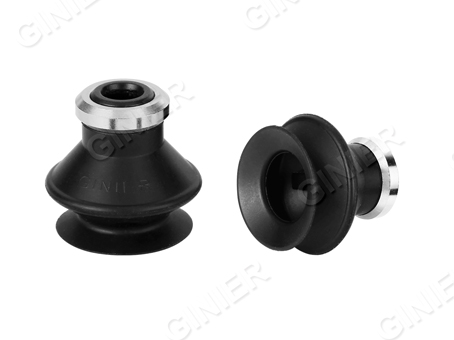
Full-range suction cup series with diversified materials & sizes.
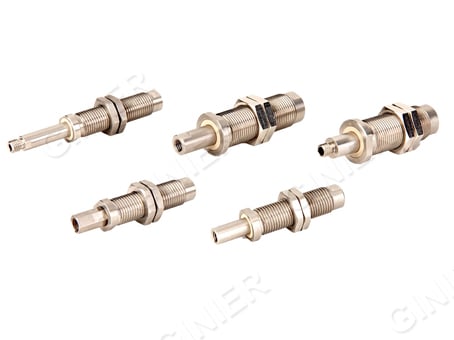
Complete pre-assembled suction fitting product lineup.
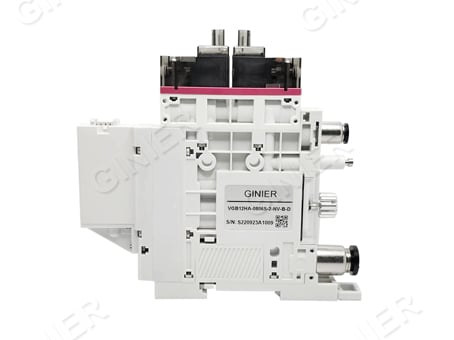
Modular vacuum generator full product portfolio.
 EN
EN