
material-selection-method-for-vacuum-suction-cup-brackets, material-selection-method-for-vacuum-suction-cup-brackets, /news
EN
2026/08/21
Selecting the right material for vacuum suction cup brackets is a critical decision that directly impacts performance, longevity, and reliability in industrial applications. Vacuum Product Accessories must withstand extreme pressures, temperature fluctuations, and chemical exposure while maintaining consistent gripping force. The choice of material determines whether your vacuum system operates efficiently for years or requires frequent replacements and maintenance. Understanding material properties and their relationship to your specific application is essential for achieving optimal results and controlling lifecycle costs.
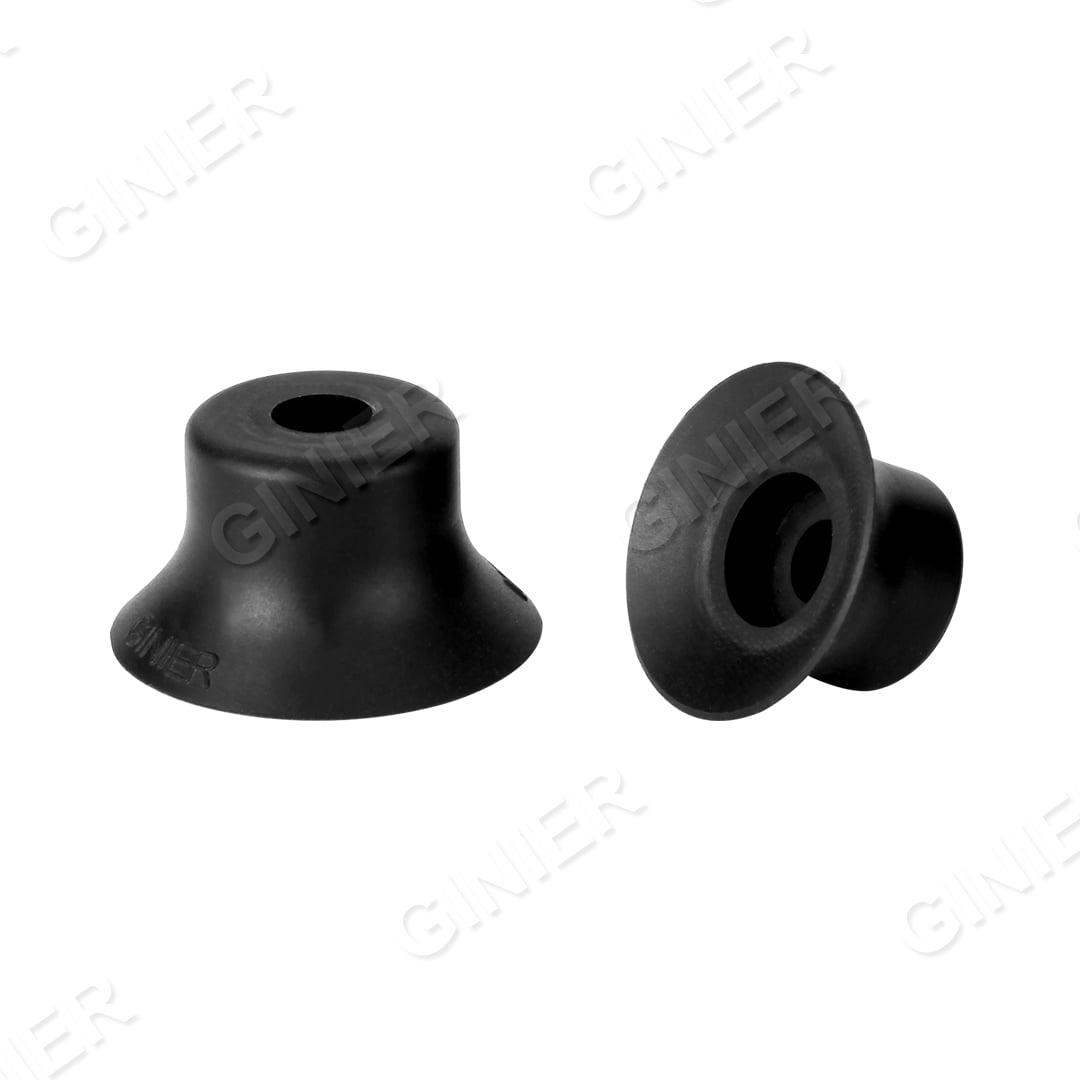
The landscape of Vacuum Product Accessories has evolved significantly over the past decade, driven by advances in material science and industrial automation. Modern manufacturing demands higher precision, faster cycle times, and greater durability from vacuum equipment than ever before. Selecting materials for vacuum suction cup brackets requires balancing competing priorities such as cost, performance, chemical resistance, and temperature stability. This guide explores the key material selection criteria, testing methods, and real-world considerations that ensure your Vacuum Product Accessories perform reliably in demanding environments.
When evaluating materials for Vacuum Product Accessories, elasticity and tear resistance represent the foundation of durability. Vacuum suction cup brackets must compress and expand repeatedly without degrading, losing flexibility, or developing surface cracks. Elastomers like nitrile, silicone, and polyurethane offer different elasticity profiles suited to specific applications. Nitrile provides excellent resistance to oils and petroleum products, making it ideal for automotive manufacturing and machining environments. Silicone excels in extreme temperature applications, maintaining flexibility from minus fifty to two hundred degrees Celsius. Polyurethane offers superior tear resistance and abrasion protection, making it preferable for heavy-duty material handling operations. Understanding how Vacuum Product Accessories respond to repetitive compression cycles is vital for predicting service life and replacement schedules.
Industrial environments expose Vacuum Product Accessories to diverse chemicals, solvents, and cleaning agents that degrade many elastomeric materials. Vacuum suction cup brackets used in food processing must resist acidic and alkaline cleaning solutions without swelling or losing adhesion properties. In electronics manufacturing, Vacuum Product Accessories encounter flux residues, solvents, and corrosive vapors that damage standard rubber compounds. Pharmaceutical facilities require materials compatible with alcohol-based disinfectants and sterilization processes. Selecting appropriate Vacuum Product Accessories requires detailed knowledge of environmental exposure conditions, chemical compatibility data sheets, and real-world performance records from similar applications. Material testing under actual operating conditions often reveals performance issues that laboratory specifications do not predict.
Load capacity directly correlates with material composition, thickness, and geometric design of Vacuum Product Accessories. Vacuum suction cup brackets handling heavy glass sheets require stiffer compounds with higher durometer ratings than those used for delicate electronics components. The relationship between load, cup diameter, and material hardness determines how quickly Vacuum Product Accessories fatigue under repeated use. Thicker brackets provide greater load capacity but reduce flexibility and response time in rapid-cycle applications. Thin, soft materials accelerate in vacuum buildup but deteriorate rapidly when handling rough-surface materials. Testing Vacuum Product Accessories under actual load conditions typically reveals that theoretical capacity exceeds practical performance by twenty to forty percent, requiring safety margins in system design. Material selection must account for dynamic loading patterns, shock impacts, and sustained holding periods that characterize your specific application.
Temperature fluctuations cause Vacuum Product Accessories to expand and contract, creating micro-fractures and loss of vacuum integrity over time. Industrial ovens, freezer systems, and outdoor installations expose Vacuum Product Accessories to extreme thermal cycling that accelerates material degradation. Silicone-based vacuum suction cup brackets maintain superior thermal stability compared to nitrile alternatives, resisting embrittlement at low temperatures and maintaining elasticity at high temperatures. Polyurethane compounds offer moderate thermal range but excel in environments where both temperature extremes and mechanical stress occur simultaneously. Selecting Vacuum Product Accessories requires understanding both continuous operating temperature and peak transient temperatures that occur during system startup or emergency shutdown sequences. Material memory loss occurs when Vacuum Product Accessories cannot recover their original shape after thermal exposure, directly reducing vacuum seal effectiveness and overall system reliability.
Comprehensive testing of Vacuum Product Accessories before full-scale deployment identifies material deficiencies and prevents costly production interruptions. Accelerated aging tests simulate years of environmental exposure in weeks, revealing material degradation patterns and predicting service life accurately. Compression set testing measures permanent deformation remaining after Vacuum Product Accessories release from sustained pressure, directly indicating durability under continuous holding operations. Chemical immersion tests verify compatibility of Vacuum Product Accessories with specific solvents, coolants, and cleaning agents used in your facility. Tear propagation tests demonstrate how quickly Vacuum Product Accessories fail when surface damage occurs during normal handling. Dynamic cycling tests reproduce actual application stresses, revealing fatigue patterns and failure modes that static testing cannot predict. Selecting Vacuum Product Accessories based solely on product specifications without validation testing often results in premature failure and unexpected system downtime.
Material costs for Vacuum Product Accessories vary significantly based on compound complexity and manufacturing processes, but lowest initial cost rarely aligns with lowest lifecycle cost. Premium compounds cost substantially more upfront but deliver extended service life, reduced replacement frequency, and fewer production interruptions. Calculating total cost of ownership for Vacuum Product Accessories includes material expense, labor for replacement, system downtime, and quality impact from vacuum failures. Systems experiencing frequent Vacuum Product Accessories failures incur hidden costs through customer rejections, warranty claims, and emergency repairs. Investing in higher-quality Vacuum Product Accessories often reduces total costs by fifty percent or more compared to budget alternatives, particularly in high-cycle applications. Material selection should consider future expansion plans, evolving environmental conditions, and potential process changes that might expose Vacuum Product Accessories to different stresses. Specifying Vacuum Product Accessories requires balancing budget constraints against reliability requirements, production speed, and quality standards specific to your industry.
Material selection for Vacuum Product Accessories depends on load requirements, temperature range, chemical exposure, cycle speed, and application environment. Elastomeric properties including hardness, tear resistance, and elasticity must match specific handling demands. Environmental factors such as oils, solvents, UV exposure, and humidity levels determine which Vacuum Product Accessories materials provide adequate resistance. Load capacity requirements establish minimum bracket thickness and compound hardness. Cycle speed and duty cycle influence fatigue resistance needs for your Vacuum Product Accessories. Selecting appropriate Vacuum Product Accessories requires evaluating all these factors together rather than optimizing for a single characteristic.
Nitrile offers excellent oil and petroleum resistance, making it standard for Vacuum Product Accessories in automotive and machining environments at moderate temperatures. Silicone excels in extreme temperature applications and maintains flexibility across wide temperature ranges, making it superior for Vacuum Product Accessories in thermal processing industries. Polyurethane provides outstanding abrasion and tear resistance, making it ideal for Vacuum Product Accessories handling rough materials or requiring extended service life. Viton compounds offer superior chemical resistance for Vacuum Product Accessories exposed to aggressive solvents and specialty chemicals. Each elastomer type performs differently under specific environmental conditions, requiring careful matching of Vacuum Product Accessories material to actual application stresses and exposure conditions.
Replacement intervals for Vacuum Product Accessories depend on material quality, application severity, environmental exposure, and maintenance practices. Premium Vacuum Product Accessories in moderate-duty applications may operate for two to three years before replacement becomes necessary. High-speed, high-load applications may require replacing Vacuum Product Accessories every six to twelve months due to accelerated wear. Chemical exposure significantly reduces service life of standard Vacuum Product Accessories, sometimes requiring replacement every three to six months. Monitoring Vacuum Product Accessories performance through vacuum decay rates and gripping force testing enables predictive replacement schedules. Regular inspection of Vacuum Product Accessories for surface cracks, permanent deformation, and hardening helps identify deterioration before catastrophic failure occurs during production.
Explore our core 3 major vacuum product series for automated handling solutions.
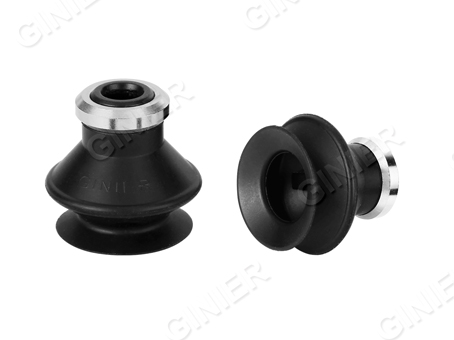
Full-range suction cup series with diversified materials & sizes.
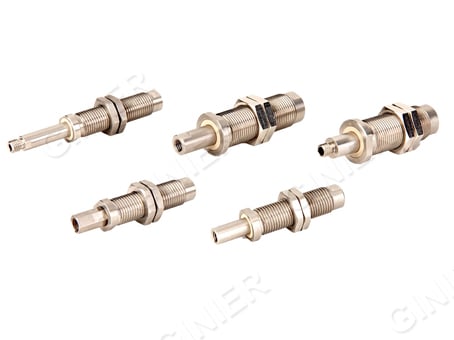
Complete pre-assembled suction fitting product lineup.
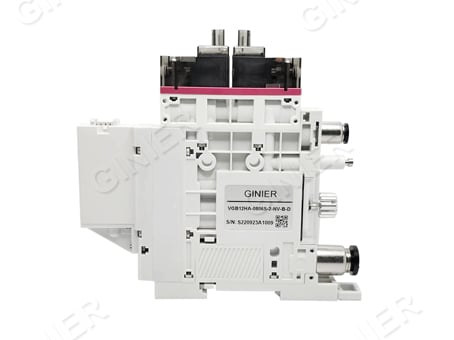
Modular vacuum generator full product portfolio.
 EN
EN