
vacuum-suction-cup-materials-compared-silicone-vs-nbr, vacuum-suction-cup-materials-compared-silicone-vs-nbr, /news
EN
Choosing the right suction cup material is critical for industrial automation, material handling, and packaging systems. The performance, lifespan, and reliability of your equipment depend directly on whether you select a silicone suction cup or an NBR alternative. Both materials dominate the market, yet they serve different operational demands, environmental conditions, and cost profiles. Understanding the specific strengths and limitations of each material helps equipment designers, procurement teams, and facility managers make decisions aligned with their system requirements and budget constraints.
Industrial suction cup selection is not a one-size-fits-all decision. Silicone and NBR materials each bring distinct chemical properties, thermal performance, and cost considerations to the table. This comparison explores the practical differences between these two materials and provides guidance on how to evaluate your specific application requirements when choosing between them.
Silicone demonstrates exceptional performance across extreme temperature ranges. A silicone suction cup maintains flexibility and sealing capability from below minus forty degrees Celsius to beyond two hundred degrees Celsius. This broad thermal window makes silicone ideal for food processing, automotive painting, and industrial ovens where temperature fluctuations occur frequently. The material resists oxidation and UV exposure far better than NBR, making it suitable for outdoor applications and long-term sun exposure without material degradation.
Chemical resistance of silicone extends to many aggressive substances. Silicone remains stable when exposed to oils, fats, solvents, and certain caustic environments. Food-grade silicone formulations meet FDA and European food safety regulations, making this material the only viable choice for food handling and beverage packaging systems. The silicone suction cup also withstands steam sterilization cycles common in pharmaceutical and medical device manufacturing without losing elasticity or gripping force.
NBR, also called nitrile rubber, operates effectively within a narrower temperature band, typically minus thirty to one hundred degrees Celsius. This limited range suits most climate-controlled factory environments and indoor warehouse automation. NBR shows superior oil and gasoline resistance compared to silicone, making it the preferred choice for automotive fueling systems and petroleum transfer operations. Where silicone may swell or become overly soft, NBR maintains dimensional stability in hydrocarbon-rich environments.
NBR suction cup materials cost significantly less than silicone alternatives, often at half the price point or lower. This cost advantage allows manufacturers to deploy larger suction cup arrays without budget constraints. However, NBR degrades faster under UV light, ozone exposure, and extended outdoor storage. The material becomes brittle at temperatures below minus twenty degrees Celsius and loses flexibility above eighty degrees Celsius, limiting its deployment in uncontrolled thermal environments.
A silicone suction cup typically outlasts NBR by two to three times under equivalent duty cycles. Silicone resists tearing, crack propagation, and permanent compression set better than NBR, maintaining sealing force throughout its service life. The material remains flexible even after years of continuous cycling, preserving grip strength in repetitive pick-and-place operations. Premium silicone formulations show minimal degradation even after one million contact cycles, justifying the higher initial investment through extended replacement intervals and reduced downtime.
Silicone cleaning requirements are minimal. The material resists staining and contamination buildup, requiring only occasional rinse cycles with water or mild detergent. Food and pharmaceutical applications benefit particularly from this low-maintenance characteristic, as silicone does not harbor bacteria or react with sanitizing solutions. Regular inspection remains important, but silicone suction cup systems require far fewer interventions than their NBR counterparts, reducing labor costs and system disruption.
NBR suction cup systems typically require replacement every two to three years under continuous operation, compared to five to seven years for silicone alternatives. The material experiences progressive hardening over time, losing elasticity and gripping force gradually. Ozone exposure accelerates degradation, making indoor air quality and equipment ventilation important considerations for NBR deployment. Chemical exposure to certain solvents also shortens service life, sometimes reducing lifespan to one year or less in harsh chemical manufacturing environments.
NBR suction cup maintenance demands greater attention than silicone systems. Regular cleaning prevents contamination layers from reducing grip strength. Storage conditions significantly impact longevity; NBR degrades faster when stored in extreme temperatures, direct sunlight, or proximity to ozone-generating equipment like electrical motors. Preventive replacement schedules become necessary to avoid unexpected system failures, adding recurring costs that must factor into total cost-of-ownership calculations.
Food and beverage processing exclusively demands silicone suction cup solutions. Regulatory compliance, product contamination prevention, and sanitization compatibility rule out NBR across this entire sector. Pharmaceutical manufacturing similarly requires silicone for cleanroom compatibility and steam sterilization resistance. Automotive paint shops benefit from silicone's heat tolerance, as the material handles spray booth temperatures and curing environments where NBR would deteriorate rapidly.
Manufacturing facilities with temperature-controlled environments and budget constraints often find NBR suction cup systems sufficient. Warehouse automation, electronics assembly, and general pick-and-place operations benefit from NBR's lower cost when thermal and chemical stresses remain modest. Outdoor logistics operations with significant temperature variation require silicone. Chemical manufacturing plants handling petroleum products may initially prefer NBR, but long-term reliability often justifies silicone investment when processing also involves occasional temperature swings or exposure to multiple chemical families.
Comparing silicone suction cup and NBR systems requires evaluating total cost of ownership beyond initial purchase price. A silicone suction cup costs two to four times more upfront but delivers double the service life with minimal maintenance. Calculating replacement frequency, labor for changeouts, system downtime, and potential product loss during failure events often reveals that silicone delivers superior value. In high-throughput operations where failures cause significant production losses, silicone's reliability becomes strategic.
NBR suction cup systems justify selection primarily through capital budget constraints and predictable operating conditions. When systems operate below fifty degrees Celsius, without UV exposure, and free from aggressive chemicals, NBR delivers adequate performance at lower initial cost. Establishing clear failure modes and acceptable downtime tolerances helps determine whether the lower upfront investment in NBR offsets higher long-term maintenance and replacement expenses compared to silicone alternatives.
Yes, silicone suction cup materials meet FDA and food-contact regulations when manufactured to food-grade specifications. The material resists staining, does not harbor bacteria, withstands sanitizing chemicals, and maintains performance through repeated steam sterilization cycles. NBR cannot meet these stringent food safety standards, making silicone the only compliant choice for food and beverage operations.
Silicone's superior performance across broader temperature and chemical ranges requires more complex manufacturing processes and refined material formulations. The extended service life, lower maintenance requirements, and superior reliability reduce total cost of ownership despite higher initial pricing. The premium reflects both material properties and the engineering precision required to achieve consistent food-grade and high-performance standards across production batches.
Silicone suction cup systems outperform NBR significantly in outdoor environments due to superior UV resistance, thermal stability across temperature extremes, and ozone tolerance. NBR degrades rapidly when exposed to direct sunlight and temperature fluctuations common in outdoor storage facilities. For long-term outdoor reliability, silicone's higher upfront investment pays for itself through extended service intervals and consistent gripping force across seasonal temperature variations.
Explore our core 3 major vacuum product series for automated handling solutions.
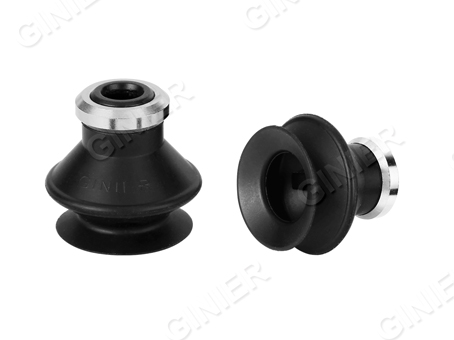
Full-range suction cup series with diversified materials & sizes.
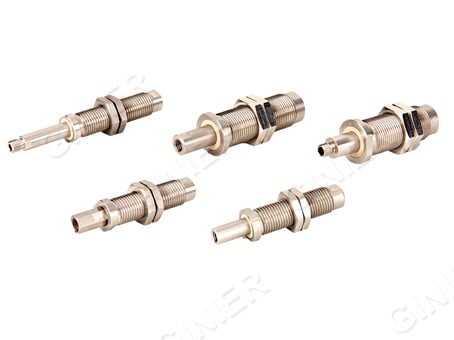
Complete pre-assembled suction fitting product lineup.
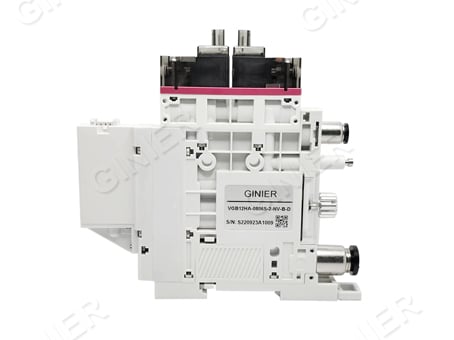
Modular vacuum generator full product portfolio.
 EN