
EN
Before deploying any vacuum suction tool in your workflow, testing the grip and suction integrity is critical to workplace safety and operational efficiency. A vacuum suction tool that fails during use can result in dropped loads, damaged materials, and serious workplace injuries. Understanding how to validate suction cup performance before operation ensures that your equipment meets required standards and functions reliably when it matters most.
Testing a vacuum suction tool grip is not complicated, but it requires systematic attention to detail. Many operators skip this step or perform it casually, creating unnecessary risk. A proper testing routine takes only minutes and provides confidence that your vacuum suction tool will perform as expected. This article walks you through the essential testing procedures that manufacturing facilities, construction teams, and logistics operations use daily to maintain safety and productivity standards.
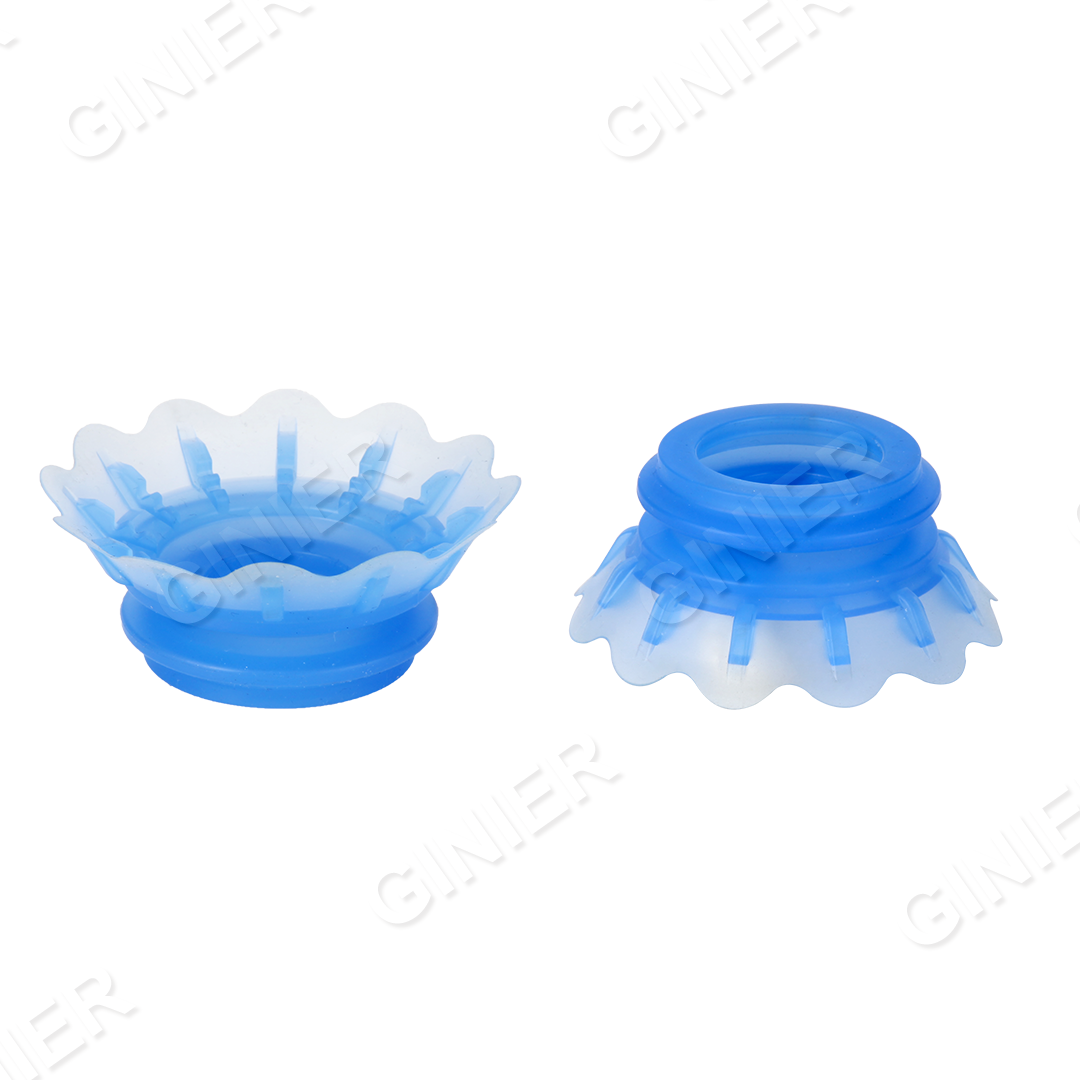
Begin by examining the suction cups themselves. Look for cracks, tears, hardening, or flat spots on the suction cup surface. A damaged cup loses its ability to form a proper seal, making your vacuum suction tool unreliable. Hardened or brittle rubber indicates age-related degradation that requires replacement. Run your fingers across the cup surface to feel for irregularities. The cup should be smooth, flexible, and uniform in texture. Any deformation means the vacuum suction tool cannot achieve optimal contact with your workpiece.
Before testing, clean both the suction cups and the work surface. Dust, oil residue, and debris compromise seal quality and lead to false test results. Use a damp cloth or mild solvent appropriate for your suction cup material. Dry everything thoroughly before testing. A clean surface is absolutely essential for accurate grip validation of your vacuum suction tool. Surface preparation prevents misleading results that might give false confidence in a marginal tool.
Start with a simple flat-surface test. Activate your vacuum suction tool on a clean, smooth surface such as glass or polished metal. Press the cups firmly for three to five seconds, allowing the seal to form completely. Then attempt to lift the test surface or pull the tool away with moderate force. The grip should feel solid and resistant. If the tool releases easily or you hear air leakage, suction performance is inadequate. Repeat this test on multiple positions and orientations to ensure consistent performance across all suction cups in your vacuum suction tool.
Many professional-grade vacuum suction tool models include vacuum gauges that display operating pressure. Check that the gauge reading matches manufacturer specifications when the tool is activated and sealed. Pressure readings below spec indicate motor wear, filter blockage, or leakage. If your vacuum suction tool lacks a built-in gauge, observe the sound and feel of suction engagement. A strong, stable suction creates a distinct hissing sound at seal points. Weak or fluctuating suction produces irregular noise and feels inconsistent.
After basic tests pass, perform a progressive load test using materials similar to your actual workpieces. Start with a light load and gradually increase weight while monitoring tool grip. For a vacuum suction tool handling glass, wood, or metal panels, test with sample pieces of the same thickness and surface finish you will use operationally. Lift each test load several inches off the work surface and hold for 10 to 15 seconds. The grip must remain stable without slipping, creeping, or sudden release. If performance degrades as weight increases, your vacuum suction tool may lack sufficient capacity for your intended application.
Suction can deteriorate over time during continuous operation. Test your vacuum suction tool grip over a longer duration, holding loads for two to three minutes continuously. Listen for motor strain and monitor for any pressure drop or loss of seal integrity. A properly functioning vacuum suction tool maintains consistent grip throughout extended use. If performance drops significantly after 30 to 60 seconds of operation, the tool may have thermal, mechanical, or seal issues requiring service or replacement before deployment in production environments.
Test your vacuum suction tool under the actual environmental conditions where it will operate. Temperature, humidity, and air pressure affect suction performance. A vacuum suction tool tested in a cool, clean environment may behave differently in hot, humid, or dusty conditions. If your work environment is hot or humid, condition the tool by running it in those conditions before final validation. Environmental factors can reduce effective suction by 10 to 20 percent, so real-condition testing reveals performance gaps that laboratory testing might miss.
Document your testing procedure and results for each vacuum suction tool in your inventory. Record the date tested, pressure readings, load test results, and any observations about performance. This creates accountability and provides historical data showing performance trends. If a vacuum suction tool begins failing tests over time, records help you decide whether to service or retire it. Establishing a regular testing schedule ensures that every vacuum suction tool in active use remains reliable. Many facilities test vacuum suction tools weekly or before each shift to maintain safety and quality standards consistently.
Test your vacuum suction tool before each day of operation or at minimum once weekly if in continuous use. Environmental changes, wear, and component aging reduce performance gradually. More frequent testing catches degradation early and prevents unexpected failures. High-risk applications such as lifting heavy or fragile materials warrant daily testing routines.
Consult your tool manufacturer's specification sheet for exact pressure targets. Most industrial vacuum suction tool models operate between 0.6 and 0.85 bar of negative pressure. If your gauge reads below 0.5 bar consistently, service or filter replacement is likely needed. Pressure should stabilize quickly after activation and remain steady during load application.
Yes, temperature significantly impacts vacuum suction tool grip strength. Cold temperatures stiffen suction cup material and reduce flexibility, weakening seal quality. Heat can soften cups and increase air leakage. Always test your vacuum suction tool at the actual operating temperature to predict real-world performance. If your work environment varies seasonally, conduct separate testing in both hot and cold conditions.
Explore our core 3 major vacuum product series for automated handling solutions.
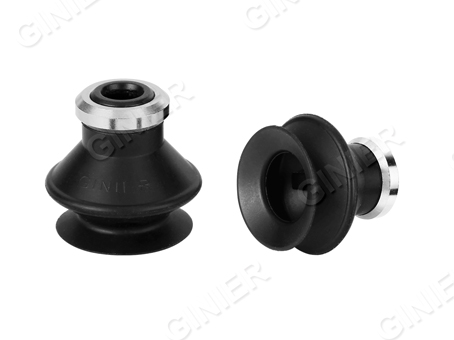
Full-range suction cup series with diversified materials & sizes.
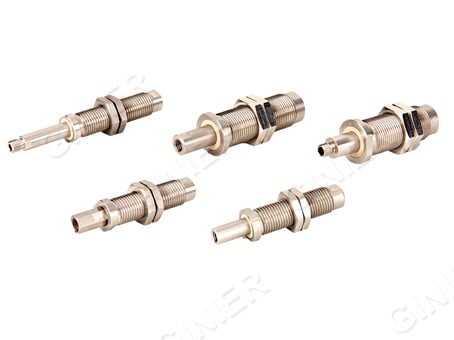
Complete pre-assembled suction fitting product lineup.
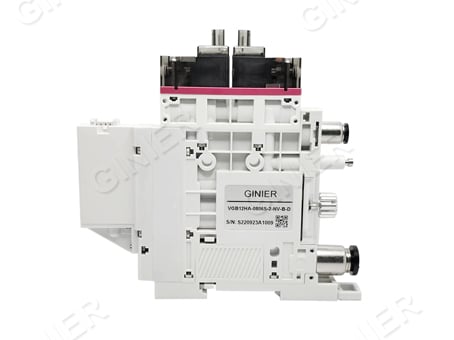
Modular vacuum generator full product portfolio.
 EN