
EN
Proper storage of vacuum pad inventory is critical for maintaining grip performance and extending product lifespan in industrial operations. When vacuum pads are exposed to suboptimal environmental conditions, they deteriorate rapidly, losing their adhesive properties and suction effectiveness. Understanding storage fundamentals protects your investment and ensures consistent performance when these components are deployed on production lines, assembly equipment, and material handling systems.
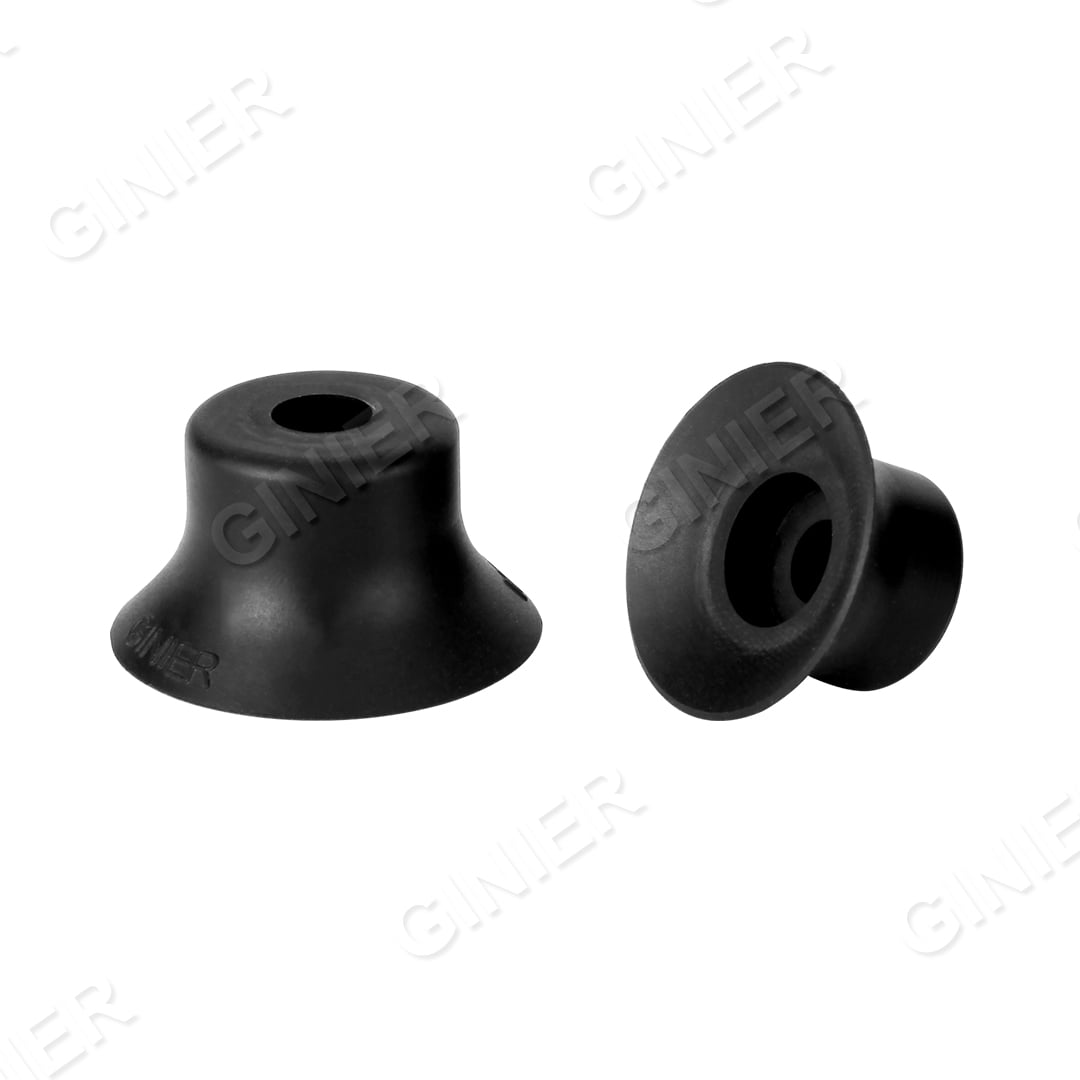
The aging process in vacuum pad materials begins the moment they leave the manufacturing facility. Without deliberate environmental control, elastomers and composite materials in vacuum pad stocks degrade through oxidation, temperature cycling, and moisture exposure. Industrial operators who implement structured storage protocols consistently report higher pad longevity, reduced replacement cycles, and predictable operational costs. This guide details the practical strategies that prevent premature aging and maximize the service life of your vacuum pad inventory.
Temperature fluctuations represent one of the primary drivers of vacuum pad degradation. Elastomers become brittle in cold environments below 50°F and lose structural integrity when exposed to heat above 80°F. Thermal cycling—repeated warming and cooling—causes material expansion and contraction that weakens molecular bonds within the vacuum pad matrix. Industrial facilities should maintain storage areas between 60–75°F to minimize thermal stress on inventory. Insulated storage cabinets or climate-controlled rooms are worthwhile investments for high-volume operations where vacuum pad replacement costs directly impact production efficiency.
Excess humidity accelerates chemical degradation in vacuum pad materials and promotes mold growth on protective packaging. Relative humidity above 75 percent creates an environment where moisture penetrates elastomer surfaces, weakening adhesive properties and increasing porosity. Conversely, extremely dry conditions below 30 percent humidity can cause cracking and brittleness in certain vacuum pad formulations. Maintaining relative humidity between 45–60 percent provides an optimal balance. Desiccant canisters, silica gel packs, or small dehumidifiers placed inside storage containers help regulate moisture levels and protect your vacuum pad stock from environmental moisture.
Ultraviolet radiation and prolonged exposure to visible light trigger photodegradation in vacuum pad elastomers, particularly in materials containing carbon or specialized pigments. This process weakens chemical bonds and causes surface hardening or discoloration that reduces grip effectiveness. Vacuum pad inventory should be stored in opaque containers or dark storage rooms away from direct sunlight and fluorescent lighting. If natural daylight cannot be avoided, use UV-blocking film on windows or relocate storage areas to interior spaces with controlled artificial lighting. Some manufacturers recommend storing vacuum pad materials in sealed, dark packaging until immediate deployment.
How you physically arrange vacuum pad stock influences aging rates and product accessibility. Store pads in their original protective packaging whenever possible, as manufacturers design these containers to minimize environmental exposure. Avoid stacking heavy items on top of vacuum pad boxes, as compression can permanently deform the material and reduce suction performance. Implement a rotation system using first-in-first-out (FIFO) inventory management to ensure older stock is used before newly received vacuum pad supplies. Label storage containers with manufacturing dates and expiration recommendations so operators can track aging and plan replacement schedules proactively.
Chemical exposure significantly accelerates vacuum pad aging and performance loss. Oils, solvents, cleaning agents, and industrial vapors can penetrate elastomer surfaces and cause swelling or chemical degradation. Store vacuum pad inventory in dedicated areas isolated from machine tools, chemical storage zones, and workshops where volatile compounds circulate through the air. If your facility operates near potential contaminant sources, use sealed storage cases with activated carbon filters or airtight containers that prevent vapor infiltration. Before handling vacuum pad materials, ensure work areas are clean and your hands are free from oils, lubricants, or solvent residues that could transfer to the pad surface.
Establishing a vacuum pad inventory management system helps track aging and predict service life with accuracy. Document storage conditions using temperature and humidity data loggers that record environmental metrics over time. Create maintenance logs noting when vacuum pad supplies were received, when they were deployed, and any observed performance changes. Many facilities find that quarterly visual inspections catch early signs of aging—such as discoloration, cracking, or surface hardening—before performance becomes compromised. By combining environmental monitoring with usage records, you develop empirical data specific to your facility that informs optimal storage practices and replacement timing for your vacuum pad inventory.
Under ideal storage conditions—temperature between 60–75°F, humidity between 45–60%, dark environment, and sealed packaging—most vacuum pad materials maintain full performance for 12–24 months. Actual lifespan depends on material composition and initial quality. Implementing the storage practices described in this guide extends this window significantly. However, even well-stored vacuum pad inventory should be rotated regularly and inspected for visible aging before use in critical applications.
Most aging damage to vacuum pad materials is permanent once chemical degradation occurs. However, some vacuum pad surface drying can be partially reversed through controlled rehydration in specific formulations. Prevention through proper storage is vastly more cost-effective than attempting to restore aged inventory. If your vacuum pad stock shows visible signs of degradation, testing performance under your specific application conditions helps determine whether pads are still safe for production use or should be retired.
Start by relocating vacuum pad inventory to a climate-controlled interior space with minimal light exposure, which typically requires no capital investment. Add desiccant canisters and temperature-humidity data loggers to monitor conditions and costs under $200 per location. Implement FIFO inventory rotation with updated labeling—again, minimal cost with maximum impact on pad longevity. Only invest in dedicated storage cabinets or environmental control systems after establishing baseline storage conditions and calculating the return on investment based on your facility's vacuum pad usage rates and replacement costs.
Explore our core 3 major vacuum product series for automated handling solutions.
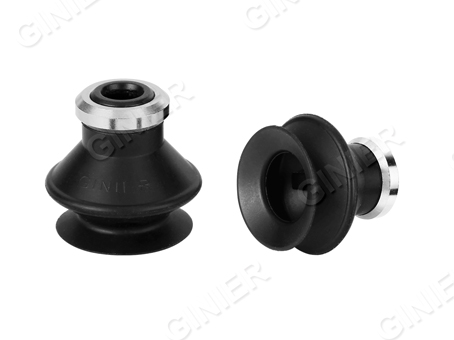
Full-range suction cup series with diversified materials & sizes.
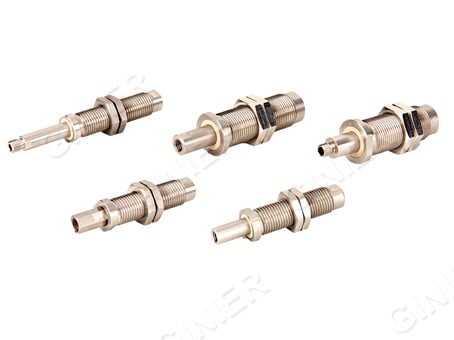
Complete pre-assembled suction fitting product lineup.
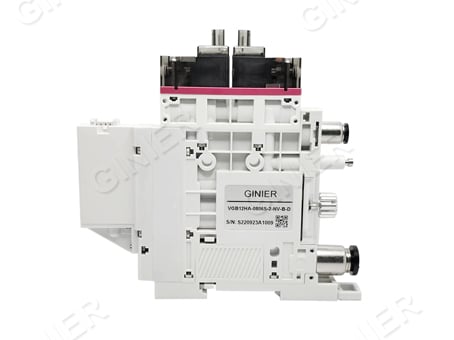
Modular vacuum generator full product portfolio.
 EN