
how-to-configure-pneumatic-suction-cups-for-bag-handling, how-to-configure-pneumatic-suction-cups-for-bag-handling, /news
EN
2026/08/24
Configuring a pneumatic suction cup configuration for bag handling requires careful attention to vacuum pressure, cup geometry, material selection, and mounting orientation. Improper configuration leads to dropped loads, inconsistent grip, energy waste, and costly downtime in packaging and material handling operations. This vacuum cup setup guide explores the fundamentals needed to ensure reliable performance across varying bag types, weights, and surface conditions.
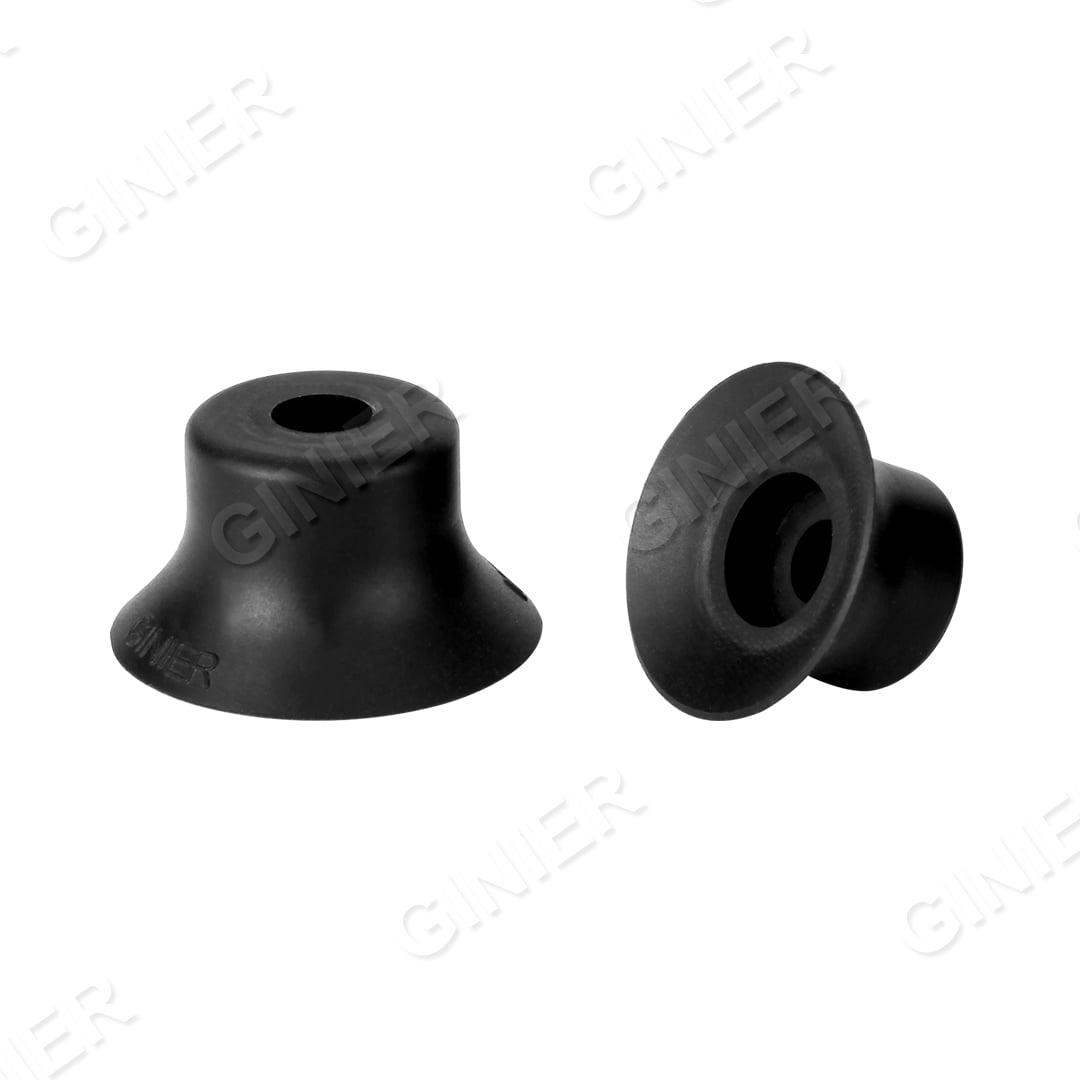
Bag handling environments present unique challenges because bags are flexible, lightweight, and often have inconsistent surface texture. Whether operating an automated bag handling vacuum system for kraft paper, plastic film, or composite materials, the chosen suction cup for flexible packaging must adapt to varying surface conditions while maintaining secure grip throughout the handling cycle. Proper configuration maximizes holding force, minimizes energy consumption, and extends equipment lifespan in high-speed production lines.
The first step in configuring a pneumatic suction cup for bag handling is choosing appropriate cup size. Larger cups generate greater holding force because they contact a bigger surface area. For lightweight bags, medium-sized options typical of a standard suction cup for flexible packaging typically provide sufficient grip without creating excessive vacuum load on compressors. A pneumatic suction cup measuring 40 to 60 millimeters in diameter suits most standard bag sizes, while heavier or oversized bags may require larger diameter cups or multiple pneumatic suction cup configurations working together.
Material selection directly impacts how effectively a pneumatic suction cup adheres to bag surfaces. Bags with smooth, non-porous materials like plastic film require firmer elastomer compounds, while kraft paper and textured surfaces benefit from softer silicone or nitrile rubber formulations. Testing a pneumatic suction cup configuration prototype on actual bag materials before full deployment prevents grip failures. Different materials respond differently to vacuum levels, temperature fluctuations, and repeated contact cycles, making material choice central to reliable configuration.
Vacuum pressure directly determines holding force for any pneumatic suction cup application. Calculate minimum required vacuum by dividing the bag weight by the contact area of your suction cup for flexible packaging, then apply a safety factor of 2 to 3. Most industrial bag handling vacuum system setups operate between 0.8 and 0.95 bar of vacuum, though lighter bags may need only 0.5 to 0.7 bar. Over-pressurizing damages cup elastomer and wastes compressed air, while insufficient pressure causes intermittent grip loss. Adjusting regulator valves allows precise control of vacuum levels feeding your pneumatic suction cup system.
Air flow rate affects how quickly a pneumatic suction cup engages and releases loads. Faster flow rates reduce cycle time but increase compressor demand and heating effects. For a typical bag handling vacuum system, setups operate at 100 to 200 liters per minute per cup, depending on cup diameter and vacuum requirements. Restricting flow slightly through needle valves helps stabilize grip during bag transfer while reducing energy consumption. Each pneumatic suction cup configuration should include air filtration and moisture removal to prevent seal degradation and maintain consistent performance across thousands of cycles.
Mounting angle significantly affects how a pneumatic suction cup contacts bag surfaces. Perpendicular positioning, where the cup cup-seal meets the bag surface at 90 degrees, creates maximum contact pressure and holding force. Angled mounting reduces effective contact area and increases slip risk. For a complex bag handling vacuum system, mounting pneumatic suction cup configuration arrays vertically or horizontally depends on bag orientation during transfer. Testing reveals that slight cup tilt (up to 15 degrees) remains acceptable for most bags, but steeper angles compromise pneumatic suction cup performance and require pressure compensation.
Complex bag handling systems benefit from multiple pneumatic suction cup configuration units to work simultaneously. Dual or quad pneumatic suction cup arrangements distribute load stress, reduce individual cup wear, and provide backup grip if one cup fails. Pressure-sensing switches detect grip loss automatically, triggering alarms or stopping the line. Installing isolation valves allows individual pneumatic suction cup units to be serviced without shutting down the entire system. Redundant configuration transforms a pneumatic suction cup system from a single point of failure into a robust, production-ready installation capable of handling dynamic bag variations and unexpected surface conditions.
When a pneumatic suction cup fails to hold bags reliably, systematic troubleshooting identifies the root cause. Check vacuum gauge readings to confirm the pneumatic suction cup is receiving proper pressure. Inspect the cup seal for cracks, deformation, or material degradation; even small seal damage drops holding force dramatically. Verify cup-to-surface contact by observing whether the pneumatic suction cup fully compresses against the bag. If contact looks compromised, adjust mounting brackets or realign the vacuum line. Air leaks in hoses or fittings reduce vacuum at the pneumatic suction cup, so pressurize the system and listen carefully for hissing or inspect connections with soapy water.
Regular maintenance extends pneumatic suction cup operational life significantly. Replace air filters every 500 to 1000 operating hours to prevent moisture and particulate contamination from reaching cup seals. Inspect the pneumatic suction cup elastomer monthly for hardening, cracking, or permanent deformation. Clean cup surfaces with mild soap and water to remove bag residue, dust, or adhesive buildup that interferes with seal integrity. When a pneumatic suction cup shows reduced holding force despite proper pressure and clean condition, replacement becomes necessary. Keeping spare pneumatic suction cup units on hand minimizes unexpected downtime and allows seamless swaps during maintenance cycles or configuration changes.
Most bag handling applications use 0.7 to 0.9 bar of vacuum for pneumatic suction cup operation. Calculate requirements by dividing total bag weight by cup contact area, then multiply by a safety factor of 2 to 3. Lighter bags (under 5 kilograms) may require only 0.5 bar, while heavier bags demand higher pressure. Always verify actual holding force on your specific bags before deploying the pneumatic suction cup system in production.
A single pneumatic suction cup handles bags up to 3 kilograms on smooth surfaces; dual configurations support 5 to 10 kilograms; quad arrangements suit heavier or irregular bags. Multiple pneumatic suction cup units provide redundancy, distributing mechanical stress and ensuring backup grip if one cup fails. Test your specific bags and surfaces to determine the minimum pneumatic suction cup configuration needed for consistent performance.
Inspect your pneumatic suction cup monthly for seal damage, hardening, or surface contamination. Replace air filters every 500 to 1000 operating hours to keep moisture and debris away from the pneumatic suction cup seal. When holding force drops despite proper pressure and clean condition, the pneumatic suction cup elastomer has fatigued and requires replacement. Most industrial pneumatic suction cup units last 1 to 3 years depending on cycle frequency, surface conditions, and maintenance discipline.
Explore our core 3 major vacuum product series for automated handling solutions.
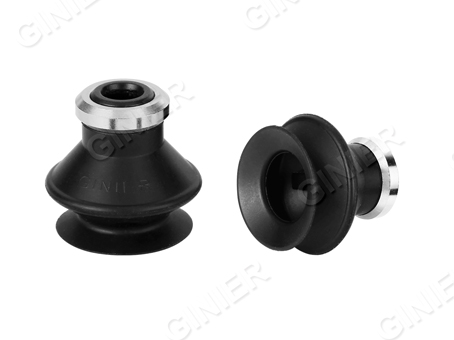
Full-range suction cup series with diversified materials & sizes.
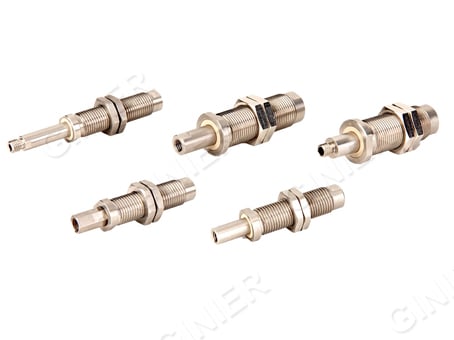
Complete pre-assembled suction fitting product lineup.
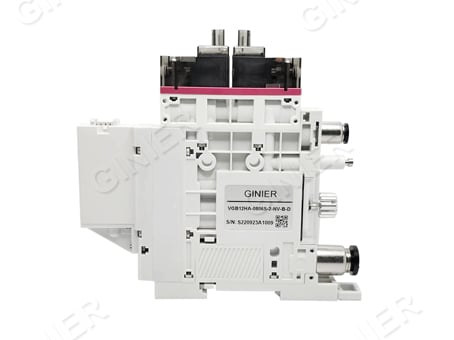
Modular vacuum generator full product portfolio.
 EN
EN