
how-to-clean-suction-cup-surfaces-for-longer-service-life, how-to-clean-suction-cup-surfaces-for-longer-service-life, /news
EN
2026/08/21
Suction cup performance deteriorates rapidly when surfaces accumulate dust, residue, and contaminants. Proper cleaning is essential to maintaining strong adhesion. Understanding the mechanics of suction cup adsorption helps technicians develop effective protocols. Every suction cup relies on an airtight seal, and when that seal degrades due to buildup, adhesive force drops sharply, leading to a weak vacuum cup that risks not holding components securely. Regular maintenance prevents seal failure and ensures consistent gripping power.
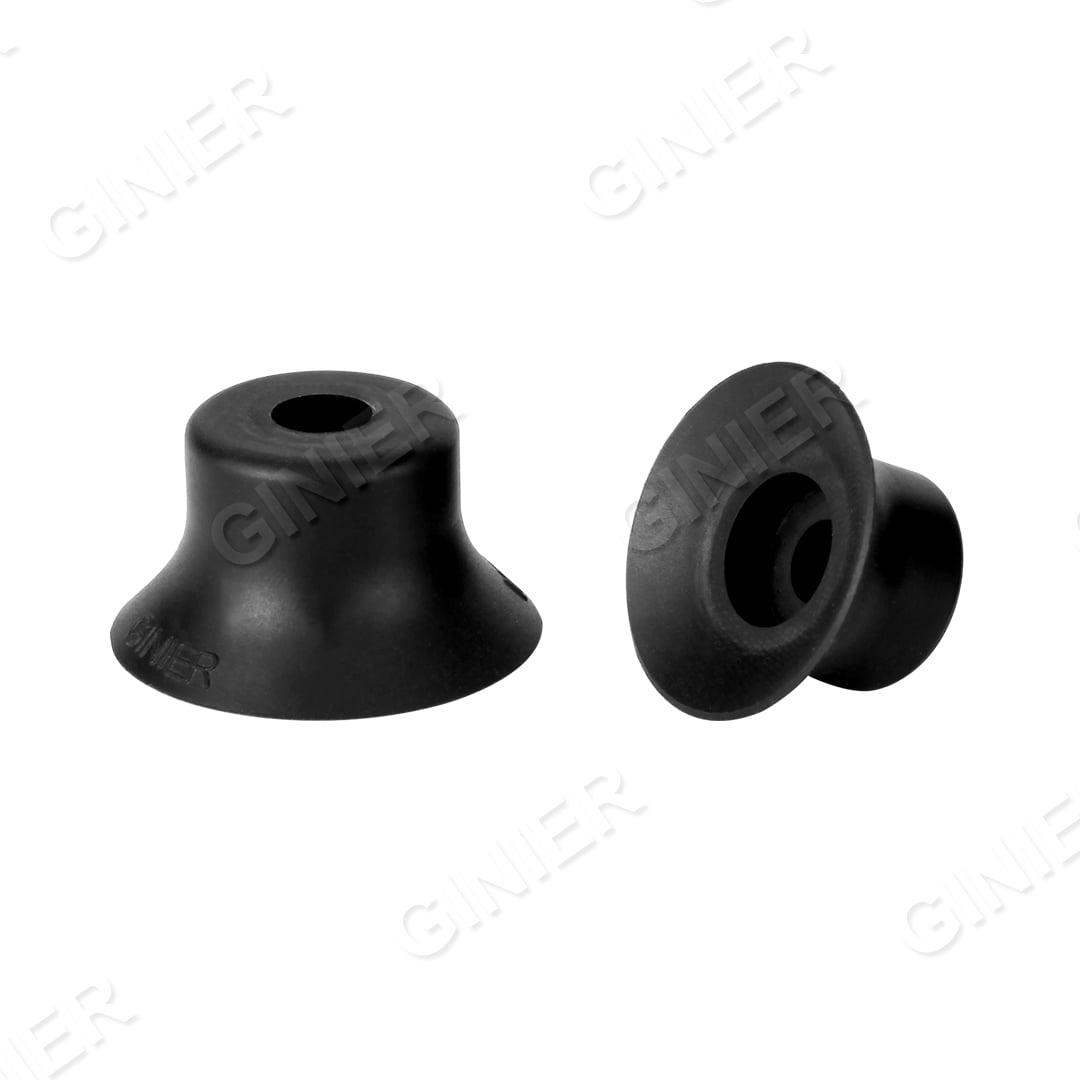
Understanding the mechanics of suction cup adsorption helps technicians develop effective cleaning protocols. Every suction cup relies on an airtight seal between the cup rim and the surface being held. When that seal degrades due to buildup or particle embedding, adhesive force drops sharply. By implementing a structured cleaning approach tailored to your suction cup material and application environment, you can recover lost grip strength and prevent premature replacement cycles.
Dust, oils, moisture, and manufacturing residues accumulate on both the suction cup elastomer and the mounting surface. These contaminants create a barrier that prevents the suction cup from forming a tight seal. Even microscopic gaps allow air to infiltrate the vacuum chamber, destroying the pressure differential that generates holding force. Industrial environments accelerate contamination through airborne particles, humidity fluctuations, and chemical exposure. A suction cup working in automotive assembly lines, food processing facilities, or material handling systems faces constant bombardment from environmental debris, which frequently leads to not holding issues during critical pick-and-place cycles.
Postponing maintenance transforms a simple suction cup cleaning task into a complex restoration effort. Hardened residue embeds into the elastomer surface, requiring aggressive scrubbing that risks damaging the cup itself. Oxidized oils penetrate the rubber compound, reducing elasticity and making future seals less effective. A suction cup neglected for extended periods may lose up to sixty percent of its original holding capacity, eventually turning into a weak vacuum cup that fails under standard operational loads. This performance decline forces operators to install replacement units prematurely, driving unnecessary capital expenditure and production interruptions.
The cleaning agent you choose must match your suction cup elastomer type and the specific contaminants present. Mild soap solutions work well for general dust and light residue on standard rubber suction cup designs. For oily buildup, warm water combined with gentle detergent cuts through surface contamination without degrading the rubber compound. Isopropyl alcohol effectively removes stubborn films and accelerates drying, making it ideal for suction cup applications requiring quick turnaround. Industrial-strength degreasers should be approached cautiously because certain solvents can soften or swell elastomer material. Always verify compatibility between your chosen cleaner and the specific suction cup material before full-scale application.
Begin by gently wiping the suction cup contact surface with a dry, lint-free cloth to remove loose particles. Next, dampen a soft cloth with your selected cleaning solution and wipe the entire suction cup cup rim and sealing edge thoroughly. Use gentle circular motions rather than aggressive scrubbing to avoid microabrasion of the elastomer. For stubborn residue, allow the cleaning solution to penetrate for two to three minutes before gentle wiping. Rinse the suction cup completely with distilled water to eliminate soap residue that could interfere with seal formation. Dry the suction cup immediately with a clean cloth, ensuring no moisture remains on the sealing surface. This systematic approach to suction cup maintenance restores adhesive capability while preserving long-term material integrity.
Maintenance frequency for your suction cup depends on environmental conditions, application intensity, and contamination exposure. High-speed manufacturing lines with heavy particle suspension may require daily suction cup inspection and cleaning to maintain performance benchmarks. Moderate-use environments benefit from weekly suction cup cleaning routines that catch buildup before adhesion degradation occurs. Light-duty applications can extend suction cup maintenance to biweekly or monthly cycles without performance compromise. Documenting your suction cup cleaning history creates a maintenance baseline that reveals patterns specific to your operational context. This data-driven approach to suction cup care prevents unexpected grip failures and optimizes replacement timing.
Temperature fluctuations cause elastomer expansion and contraction, creating microscopic surface irregularities that trap contaminants inside your suction cup. High humidity environments accelerate moisture absorption into the rubber compound, compromising seal effectiveness even when the suction cup appears clean. Chemical vapor exposure oxidizes the elastomer surface of industrial suction cup systems, requiring more frequent cleaning cycles. Dust-heavy environments like woodworking, metalworking, and textile facilities demand aggressive suction cup maintenance protocols to counteract continuous particle bombardment. In addition, fluctuations in system pressure can compound these vulnerabilities, causing a weak vacuum cup to lose its grip prematurely if the pneumatic lines are not properly monitored alongside surface hygiene. Understanding your specific environmental stressors enables you to calibrate suction cup cleaning frequency and select compatible maintenance materials that address root contamination sources rather than symptoms alone.
Different suction cup elastomers require tailored cleaning approaches to prevent premature degradation. Natural rubber suction cup designs are sensitive to petroleum-based solvents that can cause swelling or permanent loss of elasticity. Nitrile rubber suction cup variants tolerate a broader range of cleaning agents but still benefit from mild, pH-neutral solutions. Silicone suction cup cups offer superior chemical resistance and can withstand more aggressive cleaning protocols without material compromise. Before implementing any new cleaning procedure, test the solution on a spare suction cup sample or an inconspicuous area to verify material compatibility. This precautionary testing prevents costly damage to your operational suction cup inventory and ensures cleaning methods enhance rather than diminish performance.
Newly stored suction cup units often accumulate talc dust or protective coatings applied during manufacturing. A quick wipe with a damp cloth removes these protective layers before initial installation, ensuring your new suction cup achieves full sealing potential immediately. Unused suction cup equipment should be stored in sealed containers away from direct sunlight, extreme temperatures, and chemical vapor exposure. When retrieving stored suction cup units for deployment, inspect them for oxidation or surface changes indicating environmental stress during storage. Pre-installation cleaning of even new suction cup products guarantees consistent performance benchmarks and prevents first-use adhesion failures that might otherwise appear as equipment defects or early seal failure.
Cleaning frequency depends on operational intensity. Monitor performance degradation—such as components not holding efficiently or a weak vacuum cup losing grip—as your primary signal. Persistent seal failure or uncalibrated system pressure also demands immediate attention to restore proper suction cup adsorption and stability.
Harsh petroleum solvents, acetone, and high-concentration degreasers can cause permanent elastomer swelling or softening in rubber suction cup designs. Avoid bleach, strong acids, and alkaline solutions that alter the chemical composition of your suction cup material. Always test any new cleaning agent on a sample suction cup or spare unit before applying it to your operational equipment. Stick with mild soap solutions, isopropyl alcohol, and manufacturer-approved suction cup cleaners to protect long-term material integrity and prevent seal failure caused by chemical corrosion.
Compressed air can remove loose surface dust from your suction cup without introducing moisture or chemicals. However, high-pressure air streams—especially when not regulated by stable system pressure—may force embedded particles deeper into the elastomer texture, potentially causing more seal damage than benefit. For significant contamination, combine gentle compressed air with damp cloth wiping to achieve thorough suction cup cleaning without risk of particle embedding or elastomer damage.
Explore our core 3 major vacuum product series for automated handling solutions.
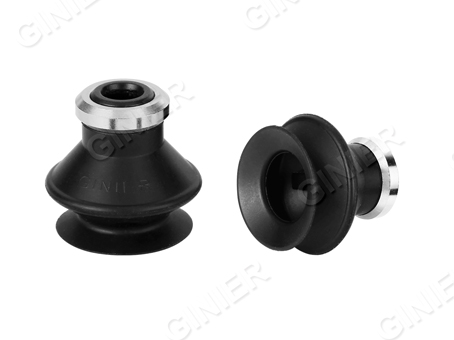
Full-range suction cup series with diversified materials & sizes.
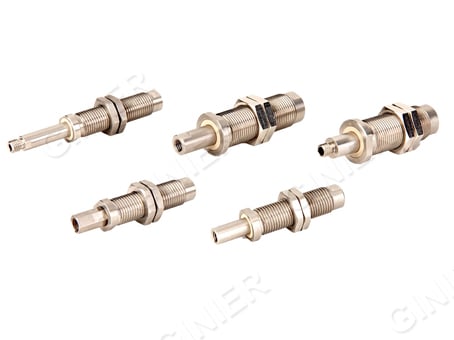
Complete pre-assembled suction fitting product lineup.
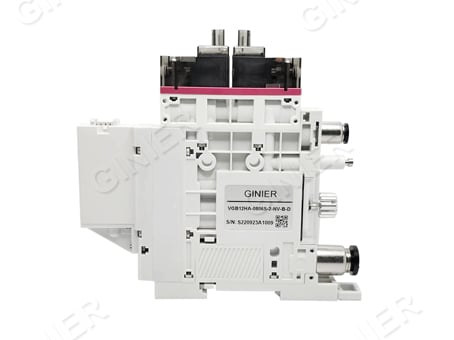
Modular vacuum generator full product portfolio.
 EN
EN