
how-to-choose-vacuum-accessories-for-high-temp-applications, how-to-choose-vacuum-accessories-for-high-temp-applications, /news
EN
2026/08/21
Selecting the right vacuum accessories for high temperature applications requires careful consideration of material composition, temperature ratings, and operational context. Industrial environments with extreme heat demand specialized vacuum accessories that can withstand thermal stress without degradation or failure. The process of choosing appropriate high temp vacuum accessories involves evaluating material tolerance, compatibility with existing systems, and long-term cost-benefit implications. When upgrading your setup, selecting reliable vacuum accessories for high temperature operations is critical for ensuring that specialized heat resistant vacuum components handle demanding thermal environments effectively.
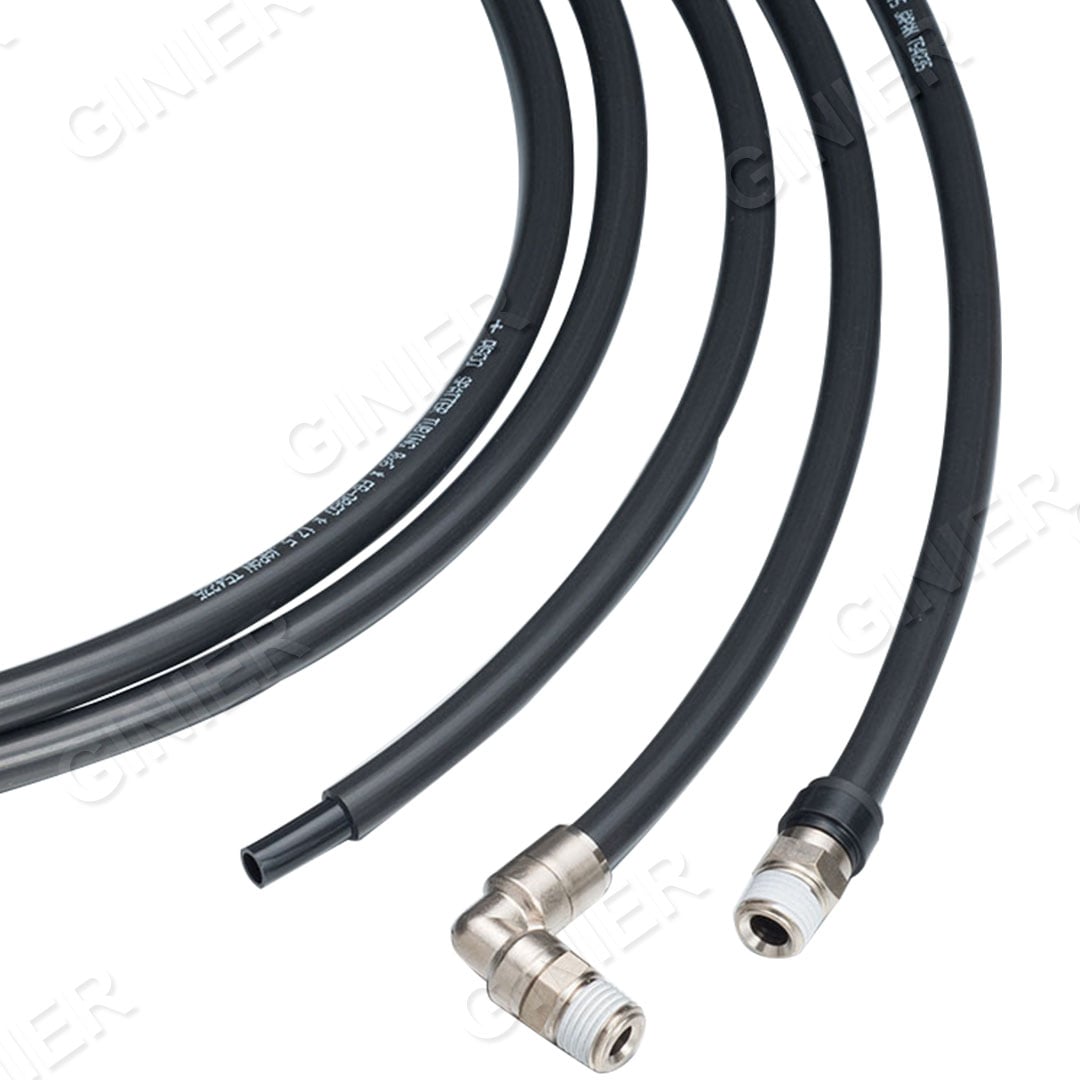
High temperature applications span across metalworking, pharmaceutical processing, food production, and chemical manufacturing industries. Each sector presents unique challenges for vacuum accessories, requiring solutions that go beyond standard industrial-grade components. The process of choosing appropriate vacuum accessories involves evaluating material tolerance, compatibility with existing systems, and long-term cost-benefit implications in demanding thermal environments.
Vacuum accessories designed for high temperature environments must possess specific material characteristics that prevent thermal degradation. Standard polymer-based vacuum accessories lose structural integrity when exposed to sustained heat above their design thresholds, making material selection the foundation of any high temperature vacuum accessories strategy. Fire-resistant materials, silicone compounds, and specialized elastomers form the core of effective vacuum accessories solutions for extreme heat applications.
The thermal rating of vacuum accessories directly impacts their service life and safety margin in operation. Vacuum accessories rated for continuous exposure to temperatures above 200 degrees Celsius require reinforced construction and premium material composition. When evaluating vacuum accessories specifications, manufacturers must clearly indicate maximum continuous operating temperature and peak temperature tolerance to ensure proper selection.
Vacuum accessories compatibility extends beyond simple temperature tolerance to include chemical resistance and material interaction effects. In high temperature environments, vacuum accessories may contact hot gases, vapors, or chemical compounds that accelerate material breakdown when combined with thermal stress. Choosing vacuum accessories with documented chemical compatibility charts ensures reliable performance across diverse high temperature industrial processes.
Thermal cycling—the repeated heating and cooling of thermal cycling vacuum accessories—creates additional stress that standard components cannot withstand. Premium high temp vacuum accessories engineered for extreme duty account for expansion and contraction cycles, protecting heat resistant vacuum components from seal failures and air leakage that compromise system performance.
When selecting vacuum accessories for high temperature applications, the rated temperature capacity must exceed the actual operating temperature by a meaningful safety margin. Industry best practice recommends choosing vacuum accessories with temperature ratings at least 25 to 50 degrees Celsius above maximum expected operating conditions. This safety margin for vacuum accessories prevents thermal stress-induced failures and extends component lifespan significantly.
Documentation standards for vacuum accessories temperature ratings vary across manufacturers and regions. Reputable vacuum accessories suppliers provide detailed thermal performance curves showing material behavior across temperature ranges rather than single maximum ratings. Understanding these performance profiles helps industrial buyers select vacuum accessories that maintain functionality throughout expected operational scenarios.
Optimizing vacuum seal performance under heat is essential because sealing capability deteriorates under thermal stress, affecting overall system integrity. When evaluating thermal cycling vacuum accessories, specialized designs must maintain compression and prevent micro-leakage even when material properties shift due to continuous exposure. High temperature vacuum accessories require specialized seal designs that maintain compression and prevent micro-leakage even when material properties shift due to heat exposure. Double-tube and reinforced seal designs represent advanced vacuum accessories solutions specifically engineered for extreme heat conditions.
Pressure drop across vacuum accessories increases in high temperature environments when material degradation creates microscopic gaps or surface changes. Regular performance monitoring of vacuum accessories ensures that seal integrity remains within acceptable parameters, triggering replacement before catastrophic failures occur. Superior vacuum accessories maintain pressure ratings consistently throughout their service life in high temperature duty.
Application-specific vacuum accessories selection requires detailed analysis of temperature profiles, operating duration, maintenance access, and cost constraints. Different industries impose unique requirements on vacuum accessories—pharmaceutical applications demand chemical compatibility while metalworking operations prioritize thermal shock resistance. Comprehensive vacuum accessories evaluation frameworks help industrial managers identify optimal solutions rather than defaulting to generic industrial-grade components.
Process mapping reveals critical points where vacuum accessories experience peak temperatures and greatest thermal stress. Vacuum accessories positioned directly in the heat path demand superior specifications compared to downstream components in lower temperature zones. Strategic vacuum accessories placement and tiered specification approach optimizes cost-effectiveness while maintaining safety margins throughout the system.
Proper installation of high temperature vacuum accessories prevents premature failure caused by assembly errors rather than material limitations. Quality vacuum accessories installation includes torque specifications for thermal connections, proper seal orientation, and alignment verification that prevents binding under thermal expansion. Documentation of vacuum accessories installation procedures ensures consistent execution and facilitates future maintenance operations.
Maintenance schedules for high temperature vacuum accessories require more frequent inspections than standard industrial equipment. Visual inspection for vacuum accessories degradation, performance testing for seal integrity, and component replacement based on thermal cycling history extend system reliability. vacuum accessories engineered specifically for extreme conditions include design features that simplify inspection and replacement procedures, reducing downtime and labor costs associated with maintenance operations.
Vacuum accessories should be rated for continuous operation at least 25 to 50 degrees Celsius above the maximum expected process temperature. For most industrial high temperature applications, vacuum accessories rated between 200 and 300 degrees Celsius provide adequate safety margins. Specific application requirements may demand vacuum accessories with even higher temperature tolerances depending on process characteristics and thermal cycling patterns.
Request comprehensive technical documentation from vacuum accessories suppliers including thermal performance curves, chemical compatibility data, and third-party testing certificates. Trial installation of premium vacuum accessories in test environments allows performance verification before full-scale deployment. Regular monitoring and performance data collection during the initial operational period confirm that selected vacuum accessories meet actual system requirements.
Standard vacuum accessories typically fail through seal degradation, material embrittlement, and thermal expansion mismatches rather than catastrophic rupture. Poor vacuum accessories selection often results in gradual performance loss and micro-leakage that compromise system efficiency before complete failure occurs. Advanced vacuum accessories engineered for high temperature duty prevent these failure modes through superior material composition and reinforced design.
Explore our core 3 major vacuum product series for automated handling solutions.
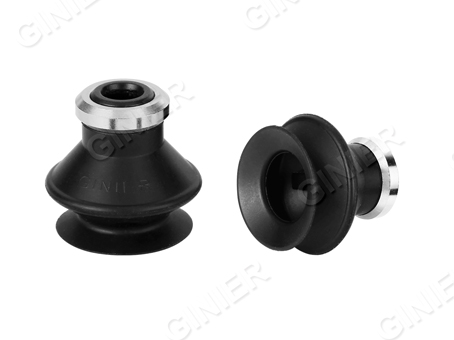
Full-range suction cup series with diversified materials & sizes.
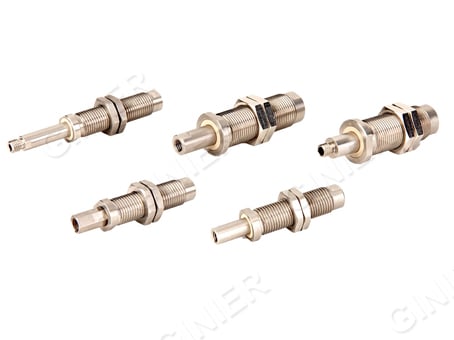
Complete pre-assembled suction fitting product lineup.
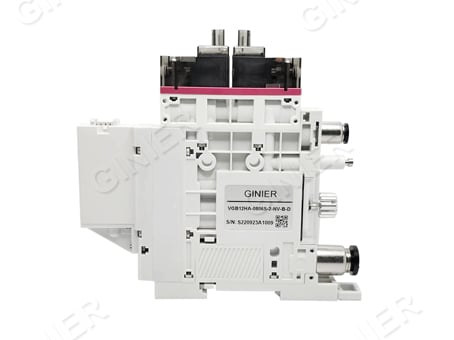
Modular vacuum generator full product portfolio.
 EN
EN