
how-to-choose-industrial-suction-cup-for-metal-sheets, how-to-choose-industrial-suction-cup-for-metal-sheets, /news
EN
2026/10/08
Selecting the right industrial suction cup for metal sheets is a critical decision that directly impacts production efficiency, worker safety, and operational cost. Metal sheets present unique handling challenges due to their weight, surface characteristics, and susceptibility to damage from improper lifting. The wrong choice can lead to product damage, increased downtime, and potential workplace injuries. Understanding the key factors that distinguish one industrial suction cup from another enables you to make informed decisions that align with your specific application requirements and operational constraints.
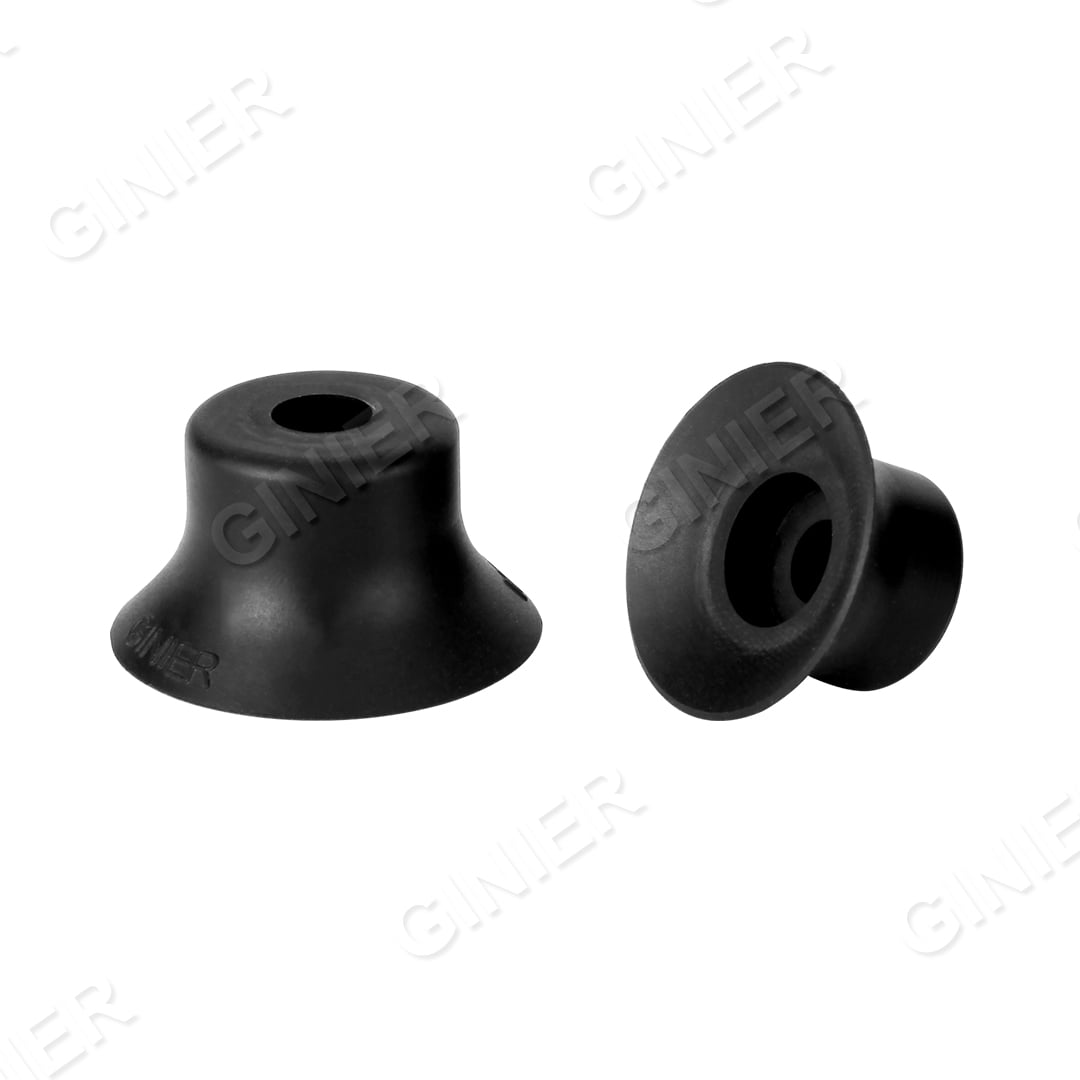
The process of choosing an industrial suction cup requires systematic evaluation across multiple dimensions. You must account for the physical properties of your metal sheets, the environmental conditions of your facility, the lifting frequency and duration, and the integration requirements with your existing equipment. An industrial suction cup that performs excellently in one context may be inadequate or even problematic in another. This guide walks you through the essential selection criteria and provides practical frameworks for evaluating different options to ensure you invest in equipment that delivers reliable performance and long-term value.
Metal sheets vary significantly in surface finish, flatness, and material composition, each affecting industrial suction cup performance. Stainless steel, aluminum, and carbon steel sheets have different surface properties that impact the seal quality between the cup and the workpiece. Smooth, flat surfaces are ideal for suction cup operation, while textured, oxidized, or pitted surfaces create micro-gaps that reduce effective sealing area. Before selecting an industrial suction cup, evaluate your specific metal sheet type, surface finish quality, and any coatings or treatments applied. These factors determine whether a standard cup design will function adequately or whether you need specialized materials and geometries.
Industrial suction cup materials directly influence longevity, resistance to oils and chemicals, and compatibility with different metal sheet surfaces. Nitrile rubber offers good general-purpose performance and resistance to oils commonly found in metalworking environments. Silicone provides superior flexibility and temperature resistance but may have different grip characteristics on certain metal surfaces. Polyurethane delivers excellent durability and maintains flexibility across wider temperature ranges. Your choice of industrial suction cup material should balance the chemical exposure profile of your facility with the mechanical demands of your application and the expected service life you require.
Determining the proper industrial suction cup capacity begins with calculating the actual load weight plus a substantial safety margin. Metal sheets range from lightweight aluminum foils to heavy carbon steel plates, and the weight distribution across multiple cups affects individual cup load requirements. A well-designed suction system typically operates at 60 to 70 percent of maximum rated capacity to accommodate fluctuations in sheet weight, surface conditions, and environmental factors. Never select an industrial suction cup based on nominal sheet weight alone. Instead, account for water droplets, dust, oil films, and micro-irregularities that reduce effective vacuum transmission and require additional lifting capacity reserves.
Industrial suction cup systems should incorporate redundancy to ensure worker safety and operational reliability. Multi-cup configurations provide backup capacity if one or more cups lose pressure due to minor surface contamination or microscopic leaks. Each industrial suction cup in a multi-cup array should be sized so the remaining cups can safely support the load if one cup fails. Vacuum system design should include pressure monitoring and alarm functions that alert operators when vacuum levels drop below safe thresholds. This redundant approach to safety reflects best practices in industrial material handling and prevents dropped loads that could cause injuries or equipment damage.
Environmental conditions significantly influence industrial suction cup functionality and material durability. Extreme temperatures can alter the material properties of the cup, affecting flexibility and sealing integrity. High humidity and temperature fluctuations accelerate material degradation and may promote mold growth on cup surfaces. Metal sheets in industrial environments often carry oils, coolants, and moisture that compromise vacuum seals if not properly managed. When evaluating an industrial suction cup for your facility, assess the typical temperature range, humidity levels, and exposure to liquids and chemicals. These environmental parameters determine whether standard materials will suffice or whether you need premium options with enhanced chemical and temperature resistance.
The vacuum generation system must be properly matched to your industrial suction cup configuration. Different cup designs require different vacuum flow rates and pressure levels to achieve optimal performance. Undersized vacuum pumps cannot generate sufficient pressure quickly enough, while oversized systems waste energy and increase operational costs. An industrial suction cup system also requires proper filtration to remove moisture and particles that would otherwise accumulate in the cup and degrade the seal. Invest time in understanding your vacuum system specifications and ensuring that your selected industrial suction cup integrates seamlessly with existing equipment and future scalability needs.
The size of your industrial suction cup depends on total load weight, surface area of your metal sheets, and available mounting space. Larger cups provide greater sealing area and typically higher individual load capacity, but they require proportionally more vacuum flow to operate. Smaller cups work well for lightweight sheets and applications with space constraints, though you may need more cups to achieve required total load capacity. The most accurate approach involves calculating load per cup as total sheet weight divided by number of cups, then adding a 40 to 50 percent safety margin to determine minimum cup capacity. Consult with manufacturers and test prototypes on your actual metal sheet material before committing to a production configuration.
Industrial suction cup lifespan depends on material quality, operating conditions, and maintenance practices. High-quality cups used under controlled conditions typically last 12 to 24 months of regular operation, while cups exposed to harsh chemicals, extreme temperatures, or abrasive surfaces may require replacement every 6 to 12 months. Inspect cups regularly for visible wear, cracks, hardening, or loss of flexibility. Cups that no longer maintain consistent vacuum or show degradation in sealing performance should be replaced immediately to prevent safety risks and maintain productivity. Establishing a preventive maintenance schedule with scheduled inspections and replacements is more cost-effective than experiencing unexpected failures during production runs.
While one industrial suction cup might work for smaller, lighter applications, most production environments require multiple cup configurations tailored to different metal sheet sizes, weights, and surface characteristics. Aluminum foil requires a different cup design than heavy carbon steel plate. Small sheet handling differs significantly from large format lifting. A comprehensive industrial material handling strategy typically includes several cup models sized for different applications, materials, and load ranges. This diversified approach ensures optimal performance, worker safety, and cost efficiency across your full range of metal sheet products, while also providing backup capacity when specific cup configurations require maintenance or replacement.
Explore our core 3 major vacuum product series for automated handling solutions.
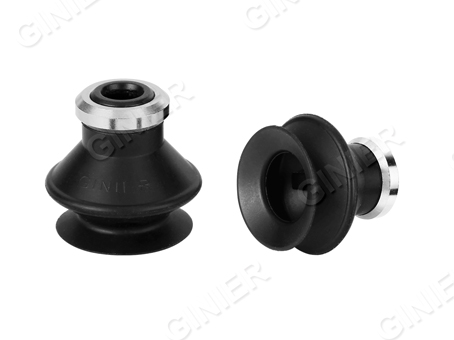
Full-range suction cup series with diversified materials & sizes.
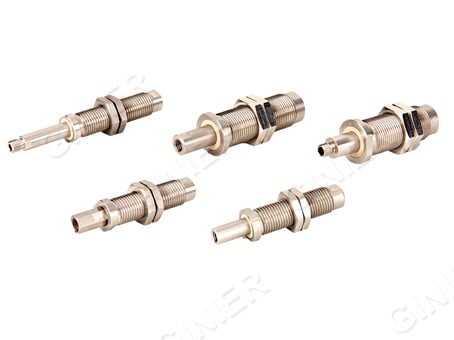
Complete pre-assembled suction fitting product lineup.
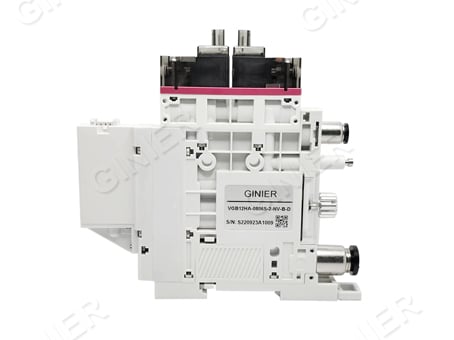
Modular vacuum generator full product portfolio.
 EN