
how-to-choose-heavy-duty-suction-cup-for-stone-slabs, how-to-choose-heavy-duty-suction-cup-for-stone-slabs, /news
EN
2026/10/01
Selecting the right heavy duty suction cup for stone slabs requires careful consideration of multiple factors that directly impact safety, durability, and operational efficiency. Stone handling presents unique challenges due to the material's weight, surface texture, and brittleness, making the choice of lifting equipment critical to project success. A properly selected heavy duty suction cup ensures secure grip, minimizes damage risk, and reduces labor costs across construction, fabrication, and architectural applications.
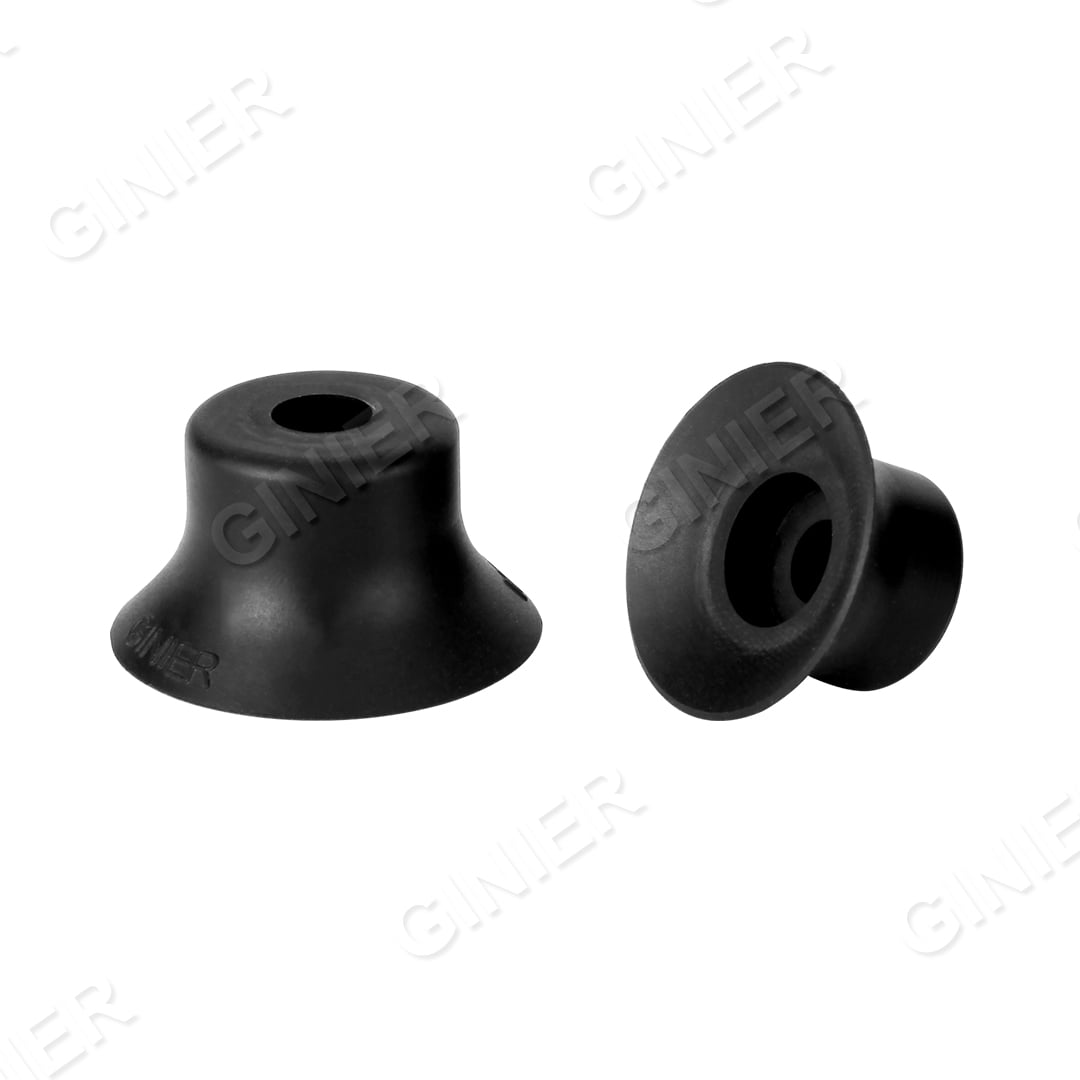
The process of choosing a heavy duty suction cup involves evaluating load capacity, surface compatibility, material composition, and environmental conditions specific to your stone handling needs. Understanding these criteria prevents costly mistakes, equipment failure, and workplace safety incidents. This guide explores the essential selection parameters that help you identify the ideal solution for your stone slab projects.
Load capacity forms the foundation of any heavy duty suction cup selection process. Stone slabs vary significantly in weight depending on type, thickness, and dimensions. Granite, marble, and engineered stone each present different weight profiles that influence suction requirements. Begin by calculating the total weight of the stone slab you need to lift, then add a safety margin of at least 20 to 30 percent to account for uneven weight distribution and sudden movements during handling.
A heavy duty suction cup must exceed your calculated load requirement by a meaningful margin rather than matching it exactly. Multiple suction cups distributed across a single slab provide redundancy and stability compared to relying on a single attachment point. The number of cups needed depends on slab dimensions, weight distribution, and the specific heavy duty suction cup model's rated capacity. Professional stone handlers typically calculate cup quantity by dividing total stone weight by individual cup capacity and multiplying by 1.5 to ensure adequate safety factor.
Safety in stone lifting demands that your heavy duty suction cup system maintains multiple attachment points for every load. If one cup loses grip during transit, remaining cups must safely support the entire slab weight. This redundancy principle means selecting cups with individual capacities well above the average per-cup load calculation. Industrial standards recommend that any single cup failure should not compromise load integrity or create drop hazards.
Testing and certification documentation should accompany your heavy duty suction cup purchase, providing independent verification of rated capacity under controlled conditions. Real-world applications differ from laboratory environments due to surface variability, temperature fluctuations, and dynamic movement, making certified ratings particularly valuable for decision-making.
The pad material in a heavy duty suction cup directly determines grip quality and surface compatibility with different stone types. Natural rubber, synthetic rubber, and specialized elastomers each offer distinct advantages for stone handling. Natural rubber provides excellent grip on many stone surfaces but may degrade under prolonged UV exposure or extreme temperatures. Synthetic compounds offer greater durability and chemical resistance, making them suitable for outdoor environments and extended storage periods without maintenance.
Polished stone surfaces present unique challenges that differ from textured or quarried finishes. Your heavy duty suction cup pad must generate sufficient vacuum without causing surface damage or slippage. Some specialized pads feature microstructured surfaces that enhance grip without requiring perfect contact conditions. Testing the cup on a sample of your target stone surface before committing to full-scale operations provides valuable validation of compatibility and performance expectations.
Surface cleanliness directly affects how your heavy duty suction cup performs on stone slabs. Dust, debris, moisture, and contaminants prevent proper vacuum seal formation, reducing lift capacity and reliability. The pad edge geometry influences how well the cup seals regardless of minor surface imperfections. A high-quality heavy duty suction cup features reinforced edges and engineered contact surfaces that adapt to natural stone irregularities while maintaining consistent vacuum pressure.
Material compatibility extends beyond grip quality to include resistance to stone dust, cutting oils, and environmental exposure during construction projects. Pads that absorb oils or react with stone dust degrade faster and may leave residue marks on finished surfaces, creating additional liability during high-value architectural applications.
The mechanism driving vacuum pressure in your heavy duty suction cup system significantly impacts reliability and ease of use. Manual pump systems offer portability and independence from external power but require operator effort and consistent technique. Electric pumps provide consistent vacuum generation and faster setup, reducing labor time on large projects. Pneumatic systems integrate readily into construction environments already equipped with air compression infrastructure, though they add complexity and maintenance requirements.
Vacuum monitoring features on modern heavy duty suction cup systems alert operators when grip strength drops below safe thresholds. Pressure gauges provide real-time feedback about seal integrity and system performance. Some advanced models include automatic shut-off valves that prevent accidental pressure loss during transport. These safety features prove particularly valuable in high-risk environments or when handling valuable stone pieces where drop damage would be catastrophic.
Your heavy duty suction cup investment must withstand repeated use cycles, temperature variations, and exposure to construction site conditions. Storage practices directly affect longevity—cups stored in cool, dry environments with protected pad surfaces maintain performance characteristics longer than those exposed to direct sunlight or temperature extremes. Regular maintenance routines including cleaning, lubrication, and inspection extend operational life significantly.
The attachment mechanism connecting your heavy duty suction cup to lifting rigging must accommodate the specific stone handling method and equipment in your facility. Threaded connections, welded mounts, and quick-release systems each offer different advantages depending on whether cups remain dedicated to single applications or require frequent repositioning across multiple jobs.
Select a heavy duty suction cup with individual capacity exceeding your per-cup load calculation by at least 30 to 50 percent. Account for weight distribution uneven across the stone, dynamic movement during lifting, and the requirement that any single cup failure should not compromise safety. Most professionals use multiple cups where total system capacity reaches 150 to 200 percent of actual stone weight to ensure robust safety margins throughout the handling process.
Material compatibility varies between stone types, surface finishes, and environmental conditions. A heavy duty suction cup designed for polished marble may perform differently on textured granite or engineered stone with embedded materials. Testing on sample surfaces representative of your actual work proves essential before deploying any cup system at scale. Many experienced stone handlers maintain dedicated cup sets for different stone types rather than attempting universal solutions that compromise performance.
Inspect your heavy duty suction cup system before each use, checking pad surfaces for damage, cleanliness, and proper seal formation. Weekly cleaning removes accumulated stone dust and debris that impairs grip quality. Monthly maintenance includes detailed pad examination, pump system testing, and connection verification. Professional servicing annually ensures internal seals, valve systems, and structural components remain within specification, preventing unexpected failures during critical lifting operations.
Explore our core 3 major vacuum product series for automated handling solutions.
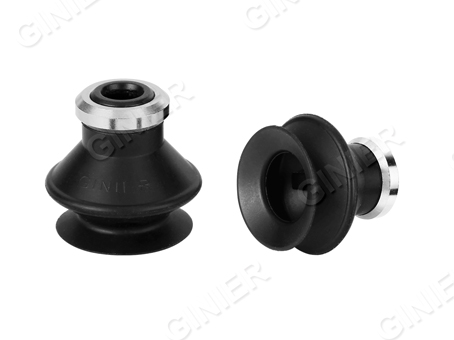
Full-range suction cup series with diversified materials & sizes.
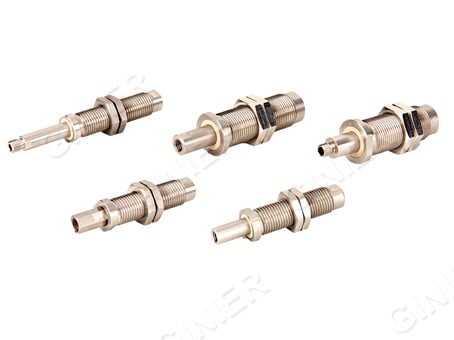
Complete pre-assembled suction fitting product lineup.
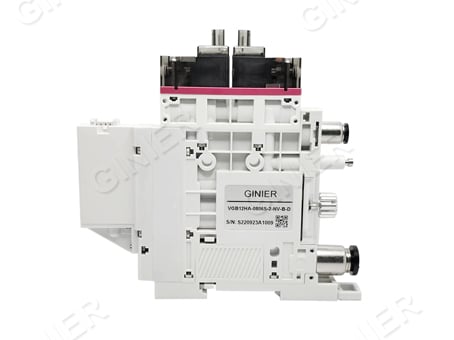
Modular vacuum generator full product portfolio.
 EN