
how-does-pneumatic-suction-cup-handle-dusty-environments, how-does-pneumatic-suction-cup-handle-dusty-environments, /news
EN
2026/08/24
Dusty industrial environments present unique challenges for automation equipment, and a pneumatic suction cup must perform reliably despite particulate contamination. When air-powered gripping systems operate in sawmills, concrete facilities, or metal fabrication shops, dust infiltration can compromise sealing integrity and reduce holding force. Understanding how a pneumatic suction cup is engineered to manage dust exposure helps manufacturers select the right gripper technology and maintain consistent production uptime.
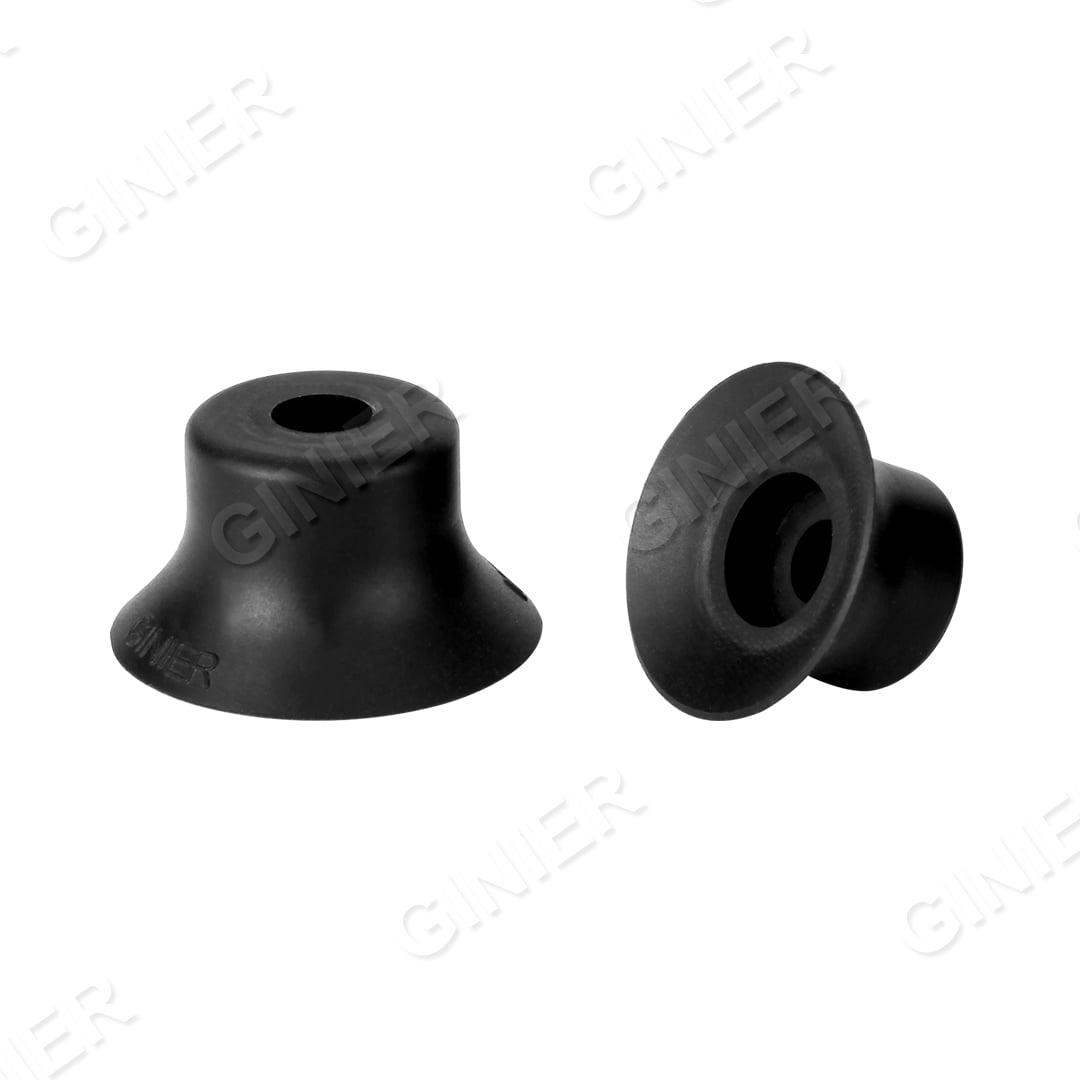
Modern manufacturing facilities cannot afford downtime caused by equipment failure, yet a pneumatic suction cup in a dusty setting faces constant exposure to particles that lodge in air lines, reduce vacuum efficiency, and accelerate component wear. The performance of a pneumatic suction cup under these conditions depends on multiple design features, system configuration choices, and preventive maintenance strategies that work together to sustain reliable operation and grip force.
Air quality directly impacts how well a pneumatic suction cup functions in dusty environments. Industrial air compressors draw ambient air through intake systems, and in dusty workshops, particulate matter enters the supply line immediately. Installing pre-filters and desiccant dryers upstream of the suction system removes most contaminants before they reach the pneumatic suction cup. A multi-stage filter setup—starting with a 3–10 micron pre-filter, followed by a 1–3 micron secondary filter—traps dust particles and prevents them from blocking the small orifices inside the cup's valve mechanism.
The vacuum line feeding a pneumatic suction cup also requires dedicated filtration. Unlike supply-side filters, exhaust-side or line filters protect the vacuum chamber by capturing dust particles that escape from the griped workpiece. A pneumatic suction cup operating on a dusty part will draw particles into the vacuum line, and without a dedicated filter, those contaminants accumulate inside the cup's internal chamber, reducing suction efficiency over time. Installing a 5–10 micron line filter between the workpiece and the vacuum pump extends the service life of both the pneumatic suction cup and the pump itself.
The vacuum pump paired with a pneumatic suction cup must also handle dust ingestion gracefully. Oil-lubricated rotary vane pumps are more tolerant of particulate contamination than dry screw or liquid ring designs because the oil film captures and circulates dust particles, preventing them from directly scarring internal components. When selecting equipment for a dusty facility, pairing a pneumatic suction cup with an oil-lubricated pump rated for higher particulate loads ensures longer intervals between maintenance and lower total cost of ownership. Regular oil changes and filter replacement on the pump maintain the pneumatic suction cup's ability to generate consistent vacuum.
A pneumatic suction cup must seal against both the workpiece and the internal vacuum chamber to maintain grip force. Elastomer materials used in cup skirts and valve seats gradually degrade when exposed to dust, heat, and chemical contaminants common in industrial settings. Silicone and polyurethane elastomers resist dust better than natural rubber and maintain their sealing properties under UV exposure and temperature cycling. A pneumatic suction cup manufactured with premium elastomer compounds and tight material tolerances preserves seal quality longer, even in abrasive dust environments. The cup's internal valve seat and poppet mechanism must also resist dust embedding, so materials like hard anodized aluminum or coated brass are preferred over softer metals that allow particulates to lodge in surface micro-irregularities.
Cup design geometry influences dust handling performance directly. A pneumatic suction cup with a wide, shallow skirt profile contacts more workpiece surface area and maintains better sealing even when dust particles create micro-gaps. Deeper, narrower cup profiles concentrate contact pressure on a smaller edge, and any dust particle bridging that edge will break the seal immediately. Ribbed or textured skirt designs on a pneumatic suction cup help guide dust particles outward rather than trapping them at the contact surface. Rounded internal chamber edges on a pneumatic suction cup prevent dust from accumulating in sharp corners where vacuum cannot clear it.
The valve inlet design of a pneumatic suction cup also affects dust resistance. Valves with large orifice diameters and minimal restrictions tolerate dust passage better than complex multi-stage designs that create dead zones where particles settle. A pneumatic suction cup designed with quick-response solenoid valves, rather than slow pilot-operated designs, can cycle more rapidly and clear accumulated particles through continuous pulsing during operation.
Preventive maintenance is essential for a pneumatic suction cup operating in dusty environments. Operators should inspect the cup's external skirt weekly for dust accumulation and carefully wipe the contact surface with a clean, lint-free cloth before each shift. Internal vacuum lines should be flushed with compressed air at least monthly to clear dust buildup, and the cup's valve cartridge should be removed and cleaned quarterly or whenever vacuum performance degrades noticeably. A pneumatic suction cup left unattended in a dusty facility will lose grip force within days as dust layer accumulates on the sealing surface.
Monitoring vacuum pressure during operation provides early warning that a pneumatic suction cup's performance is declining. If a pneumatic suction cup that normally generates 0.8 bar vacuum under load drops to 0.6 bar, dust accumulation or seal degradation is likely. Installing pressure transducers on the vacuum line allows real-time detection of performance drift, triggering maintenance before grip failure occurs. A pneumatic suction cup system with automated pressure monitoring can log data trends, identify which cups degrade fastest, and guide targeted maintenance decisions. Dust load variability—heavy dust days versus light—correlates directly with vacuum loss rates, helping operators predict maintenance windows.
Leakage testing on a pneumatic suction cup system involves measuring the rate at which vacuum drops when suction is applied to a sealed chamber. A new pneumatic suction cup should hold vacuum for 30+ seconds under standard test conditions, but in dusty environments, this time typically drops to 15–20 seconds within weeks of operation. When leakage rate exceeds facility limits, the cup's seal or valve requires replacement, and the old unit should be disassembled and inspected to understand what dust damage occurred.
Yes, a pneumatic suction cup can operate continuously in sawmill dust if the system includes proper air filtration, dedicated line filters, and regular maintenance. Sawmill environments produce fine wood particles that embed quickly in cup seals, so weekly external cleaning and monthly vacuum line flushing are essential. Without filtration and maintenance, a pneumatic suction cup in a sawmill will lose grip within 2–3 weeks due to seal contamination and internal dust accumulation.
Filter replacement frequency depends on dust load and filtration stage. Pre-filters upstream of a pneumatic suction cup system should be changed monthly or when pressure drop exceeds 0.5 bar. Line filters protecting the vacuum chamber should be changed every 6–8 weeks in heavy dust environments, or whenever differential pressure indicates blockage. Desiccant dryers in the compressor system need replacement or regeneration every 3–6 months depending on ambient humidity and dust exposure.
Silicone and polyurethane elastomers resist dust embedding and degradation better than natural rubber in dusty industrial environments. Polyurethane offers superior abrasion resistance and maintains seal compliance across a wider temperature range, making it the preferred choice for pneumatic suction cup applications in metalworking, grinding, and concrete cutting operations where temperature swings and fine particle exposure are severe.
Explore our core 3 major vacuum product series for automated handling solutions.
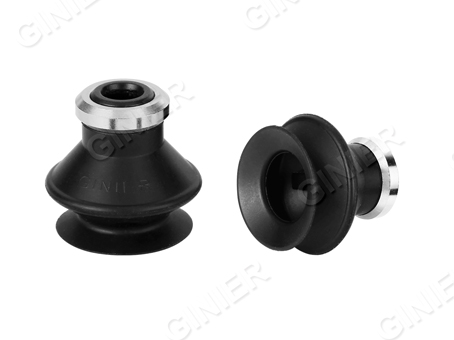
Full-range suction cup series with diversified materials & sizes.
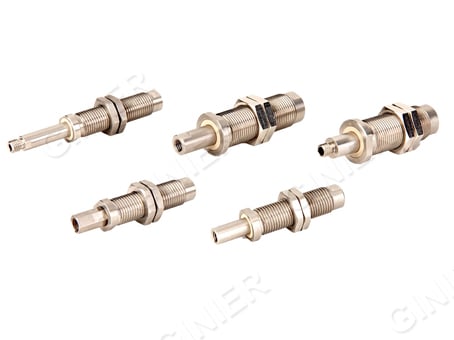
Complete pre-assembled suction fitting product lineup.
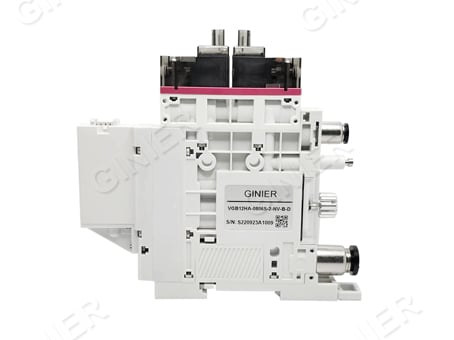
Modular vacuum generator full product portfolio.
 EN
EN