
how-do-vacuum-accessories-like-filters-extend-system-life, how-do-vacuum-accessories-like-filters-extend-system-life, /news
EN
2026/08/21
Vacuum accessories like filters are critical investments for extending the operational lifespan of industrial vacuum systems. Many facility managers underestimate how proper vacuum accessories selection and maintenance directly impact system durability, efficiency, and total cost of ownership. Understanding the relationship between vacuum accessories and system longevity is essential for any organization relying on vacuum technology for production, contamination control, or material handling processes.
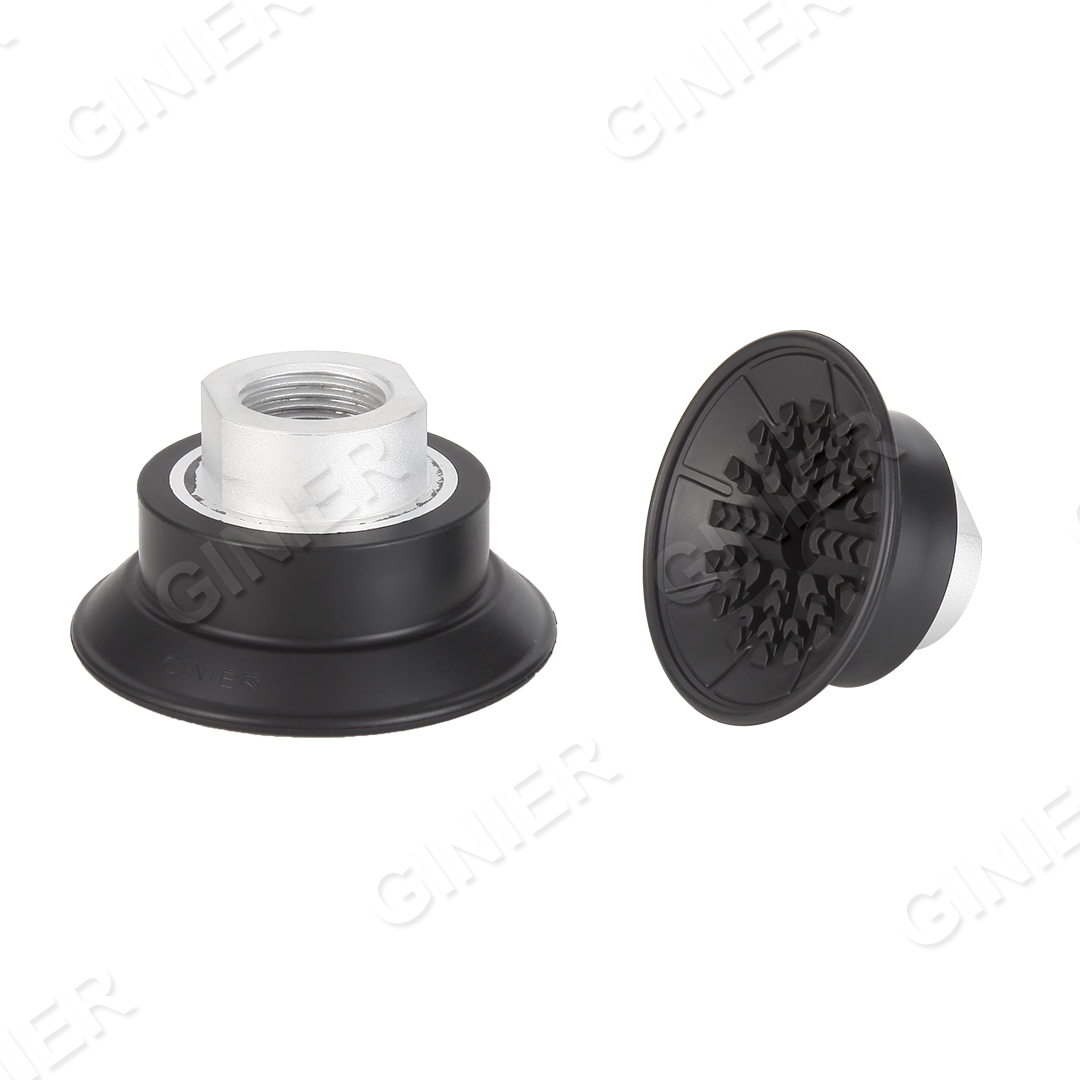
The performance and longevity of any vacuum system depend heavily on the quality and condition of its vacuum accessories components. When vacuum accessories are properly selected, installed, and maintained, they create a protective barrier that prevents contaminants from reaching critical internal mechanisms. This protective function directly extends system life, reduces unplanned downtime, and minimizes costly repairs or premature equipment replacement.
Vacuum accessories, particularly filter elements, serve as the primary protection layer for all downstream vacuum system components. When a vacuum system operates without clean or properly functioning vacuum accessories, airborne particles, moisture, and contaminants bypass the filtration barrier and accumulate inside the motor, impeller, and bearing assemblies. This contamination accelerates wear, increases friction, and eventually causes mechanical failure. High-quality vacuum accessories trap particles before they enter sensitive areas, preserving motor efficiency and extending the operational window before major service becomes necessary.
Clogged or inadequate vacuum accessories force the motor to work harder to maintain suction pressure and airflow. This increased load elevates operating temperature, increases electrical consumption, and accelerates degradation of motor windings and bearings. By maintaining clean, efficient vacuum accessories, operators reduce motor strain significantly. The motor can operate at lower temperatures, draw less current, and deliver consistent performance with minimal wear. This single factor alone can add years of reliable operation to industrial vacuum systems.
Investing in quality vacuum accessories and following a disciplined maintenance schedule represents a fraction of the cost of emergency equipment replacement or major repairs. A clogged filter in your vacuum accessories system forces the vacuum pump to work inefficiently, leading to premature bearing wear, seal degradation, and eventually complete system failure. Replacing vacuum accessories filters during scheduled maintenance costs between 5–15 percent of total system replacement expense. By contrast, replacing a failed motor, impeller, or bearing assembly can exceed 40–60 percent of the original equipment cost. Organizations that prioritize vacuum accessories maintenance experience significantly lower lifetime ownership costs.
Unexpected vacuum system failures create production bottlenecks, halt material handling operations, and disrupt contamination control processes. When vacuum accessories are neglected, failures tend to occur suddenly during peak production schedules. Planned vacuum accessories maintenance, by contrast, occurs on a predictable schedule that aligns with operational windows, minimizing production impact. Many facilities schedule vacuum accessories replacement during shift changes or maintenance windows, ensuring continuous operation without emergency service calls or overtime labor costs.
Different industrial environments generate different types of contaminants, requiring tailored vacuum accessories solutions. Food processing operations need vacuum accessories that handle fine particles and moisture without degradation. Pharmaceutical manufacturing demands vacuum accessories with antimicrobial properties and chemical resistance. Metalworking and machining environments require vacuum accessories rated for oil, coolant mist, and metal shavings. When vacuum accessories are correctly specified for the actual operating environment, they perform more effectively, last longer, and provide superior protection to downstream system components. Mismatched vacuum accessories fail prematurely and allow contaminants to reach internal mechanisms, shortening overall system life significantly.
Proper installation of vacuum accessories is as important as filter selection itself. Vacuum accessories must be sealed correctly in their mounting position to prevent bypass, where contaminated air passes around the filter element instead of through it. Many vacuum system failures trace back to improper vacuum accessories installation, gasket degradation, or cracks in the housing. Following manufacturer specifications for vacuum accessories replacement intervals, using genuine replacement elements, and verifying proper seal integrity during installation ensures maximum protection. Documented vacuum accessories maintenance logs help track replacement history and identify patterns that may indicate system issues or environmental challenges.
Vacuum accessories filter replacement frequency depends on operating conditions, air quality, and system duty cycle. Most industrial applications require vacuum accessories replacement every 3–6 months, though high-contamination environments may need monthly changes. Some advanced vacuum accessories systems include clogging indicators that signal replacement timing automatically. Monitoring pressure differential across vacuum accessories helps establish an optimal replacement schedule that balances protection with cost efficiency.
Yes, inadequate or poorly maintained vacuum accessories are among the leading causes of premature system failure. When vacuum accessories fail to trap contaminants effectively, particles and moisture damage motor bearings, corrode internal surfaces, and compromise seal integrity. Using substandard vacuum accessories or extending replacement intervals beyond recommended timeframes can reduce system life by 50 percent or more compared to properly maintained systems with quality vacuum accessories components.
Clean vacuum accessories directly improve energy efficiency by reducing the pressure differential the motor must overcome. A clogged filter in your vacuum accessories system forces the motor to consume 20–30 percent more electrical power while delivering reduced suction. By maintaining vacuum accessories in peak condition, facilities reduce energy consumption, lower utility costs, and extend component life simultaneously. This dual benefit makes vacuum accessories maintenance one of the highest-ROI maintenance investments in facility operations.
Explore our core 3 major vacuum product series for automated handling solutions.
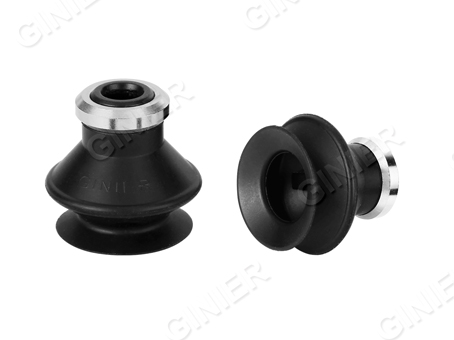
Full-range suction cup series with diversified materials & sizes.
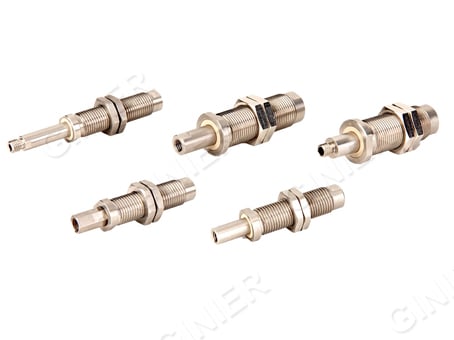
Complete pre-assembled suction fitting product lineup.
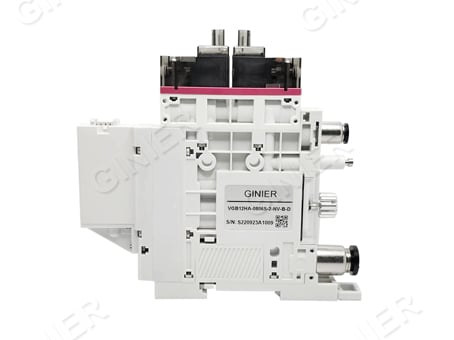
Modular vacuum generator full product portfolio.
 EN
EN