
characteristics-and-applications-of-silicone-rubber-vacuum-suction-cups, characteristics-and-applications-of-silicone-rubber-vacuum-suction-cups, /news
EN
The silicone suction cup has become an essential component in modern automation, manufacturing, and material handling systems across industries. Understanding its unique characteristics and diverse applications is critical for engineers, procurement specialists, and operations teams seeking reliable vacuum gripping solutions. A silicone suction cup combines flexibility, durability, and consistent performance in environments where traditional mechanical fasteners or rigid grippers fall short.
This guide explores the defining characteristics that make silicone suction cups valuable across industries, examines their technical properties, and details practical applications where they deliver measurable advantages. Whether you manage automated assembly lines, handle delicate materials, or operate in harsh industrial environments, knowing how silicone suction cups perform under specific conditions enables smarter equipment selection and operational efficiency.
Silicone suction cups are engineered from high-grade silicone elastomer, a material prized for its exceptional temperature resistance and chemical stability. Unlike rubber alternatives, silicone maintains flexibility and sealing integrity across wider temperature ranges, from cryogenic environments down to approximately minus 60 degrees Celsius through elevated temperatures around 200 degrees Celsius. This thermal range makes silicone suction cup designs suitable for applications involving temperature fluctuations that would degrade standard rubber components.
The material's inherent resistance to oils, solvents, and ozone exposure extends service life significantly in industrial settings where exposure to harsh chemicals is routine. Silicone suction cups resist degradation from ultraviolet radiation better than conventional rubber, reducing replacement frequency in outdoor or high-bay manufacturing environments. This durability translates directly to lower maintenance costs and improved production uptime.
Silicone suction cups achieve superior seal quality through their elastomeric structure, which conforms precisely to irregular and textured surfaces. The material's inherent softness allows the cup rim to create an airtight contact even on rough, porous, or slightly curved substrates that would compromise rigid vacuum grippers. This conformability is particularly valuable when handling materials with surface variations, uneven coatings, or natural texture inconsistencies.
The grip strength of a silicone suction cup depends on vacuum pressure differential, cup diameter, and material thickness, but modern designs consistently achieve holding forces exceeding 50 kilograms per square centimeter under ideal conditions. Multiple-cup systems scale this performance linearly, enabling single robotic arms to handle loads exceeding 500 kilograms with confidence and precision.
Silicone suction cup designs vary significantly based on application requirements, with common configurations including flat-bottomed cups for smooth surfaces, ribbed cups for improved flexibility, and bellows-style cups for complex geometries. Flat-cup designs maximize contact area and work best on solid, flat substrates like glass, metal panels, or plastic sheets. Ribbed silicone suction cups offer greater flexibility and side-load tolerance, making them ideal for robotic pick-and-place operations where arm movement creates lateral stress on the grip point.
Bellows-style silicone suction cups incorporate accordion-like sidewall patterns that collapse predictably under vacuum, enabling the cup to maintain seal integrity even during significant vertical or angular movement. These advanced designs are standard in automated assembly environments where precision positioning and consistent grip quality under dynamic conditions are non-negotiable requirements.
Effective silicone suction cup performance requires proper vacuum pump sizing and control logic integrated into the larger automation system. Regenerative blowers or rotary vane pumps typically supply consistent vacuum levels between 0.5 and 0.9 bar below atmospheric pressure, though specialty applications may demand higher vacuum creation. Control systems must monitor vacuum levels continuously, triggering warnings or shutdown sequences if pressure deviates beyond specified tolerances, indicating potential seal failure or surface contamination.
Silicone suction cup systems often incorporate quick-disconnect interfaces, allowing rapid changeover between different cup sizes or styles without extensive recalibration. This modularity reduces production changeover time and enables single robotic systems to handle diverse product geometries and weights within specified parameters.
Automotive assembly lines depend heavily on silicone suction cup technology for material handling and part positioning throughout the manufacturing process. Robotic arms equipped with vacuum grippers handle body panels, engine blocks, doors, and integrated assemblies with consistent precision that mechanical clamping struggles to achieve. The silicone suction cup's ability to grip delicate painted surfaces without leaving marks or creating permanent deformation makes it invaluable in luxury vehicle manufacturing where surface quality directly impacts perceived quality and resale value.
Heavy equipment manufacturing leverages silicone suction cups for positioning large metal castings, forged components, and sheet metal assemblies. The grip reliability enables automated positioning with tolerances as tight as plus-or-minus 2 millimeters, supporting downstream welding, assembly, and quality inspection operations with minimal manual intervention.
Silicone suction cups meet stringent hygiene requirements in food processing environments where material-safety regulations prohibit certain rubber or plastic materials. FDA-compliant silicone formulations are standard in beverage bottling, dairy processing, and bakery automation, where the vacuum gripper must contact food-contact surfaces or operate in wet, caustic-cleaning environments. The material's resistance to sanitizing chemicals and ability to withstand high-temperature washing cycles makes silicone suction cup systems cost-effective for high-volume applications.
Packaging automation relies on silicone suction cups for reliable, non-damaging product handling across fragile items including glass containers, delicate pastries, and pre-packaged goods. The gentle grip profile prevents product damage that would be unacceptable in consumer-facing applications.
Electronics manufacturing and assembly facilities use specialized silicone suction cup configurations for component placement with submillimeter precision. Flat, high-durometer silicone suction cups are optimized for handling semiconductor wafers, display panels, and populated circuit boards where any surface contamination or mechanical stress risks equipment damage or yield loss. The material's anti-static properties in conductive variants eliminate electrostatic discharge concerns that plague sensitive electronic components.
Silicone suction cups offer superior temperature resistance, chemical stability, and durability compared to standard rubber or thermoplastic options. While rubber cups cost less initially, silicone variants maintain performance across broader temperature ranges, resist degradation from oils and UV exposure more effectively, and deliver longer service life in challenging industrial environments. For applications involving temperature extremes, chemical exposure, or extended operational cycles, silicone suction cup investments typically yield lower total cost of ownership despite higher upfront purchase prices.
Surface contamination including dust, oil residue, moisture, or particulate matter degrades seal quality and reduces vacuum grip reliability. A single silicone suction cup requires clean contact surfaces to achieve design-rated holding force. Regular cleaning protocols, integration of surface-preparation steps before part pickup, and quick-change cup design allowing rapid replacement of contaminated cups are essential practices in high-reliability vacuum gripping systems. Monitoring vacuum pressure in real-time enables immediate detection of seal-degrading contamination.
Yes, the silicone suction cup's elastomeric nature allows excellent conformability to irregular surfaces, textured finishes, and minor surface imperfections that would challenge rigid gripper designs. Bellows-style or ribbed silicone suction cup configurations provide even greater tolerance for surface variation. However, extreme surface irregularities, deeply textured patterns, or porosity may require specialized cup designs or increased vacuum pressure to maintain adequate seal quality. Testing with production parts under actual operating conditions ensures optimal cup selection before full-scale deployment.
Explore our core 3 major vacuum product series for automated handling solutions.
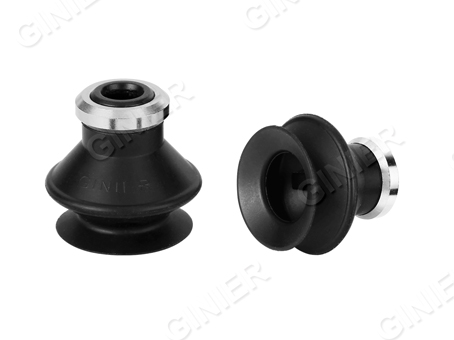
Full-range suction cup series with diversified materials & sizes.
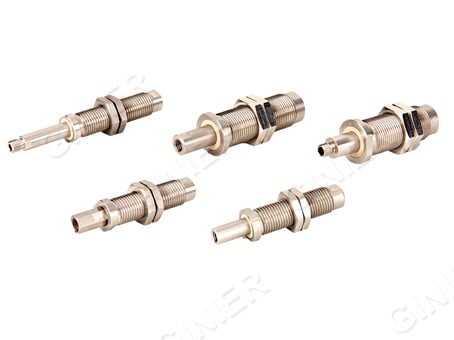
Complete pre-assembled suction fitting product lineup.
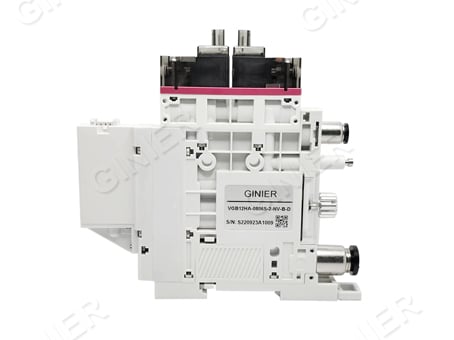
Modular vacuum generator full product portfolio.
 EN