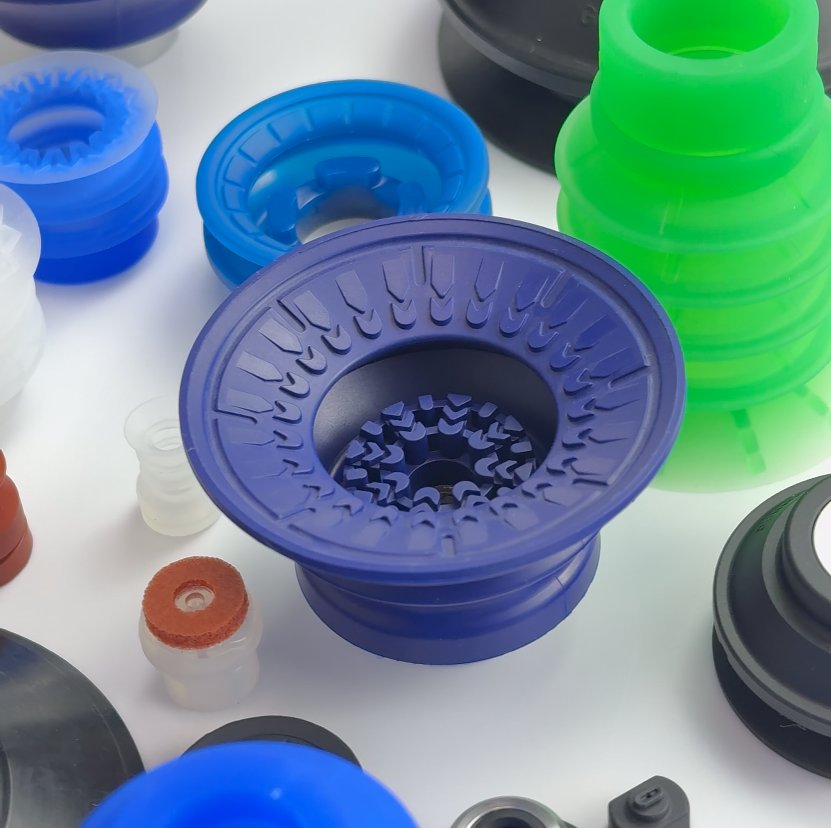
suction bellows
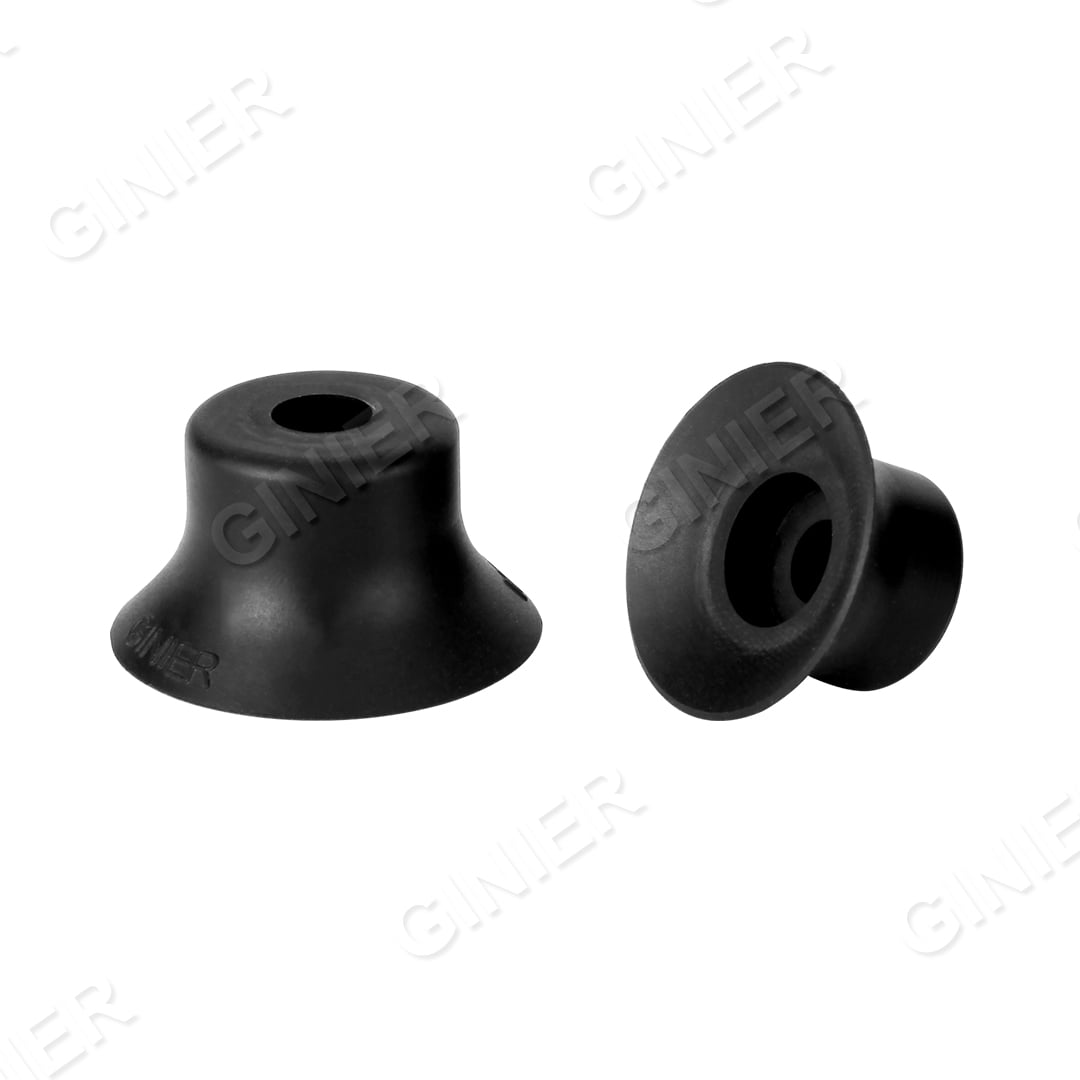
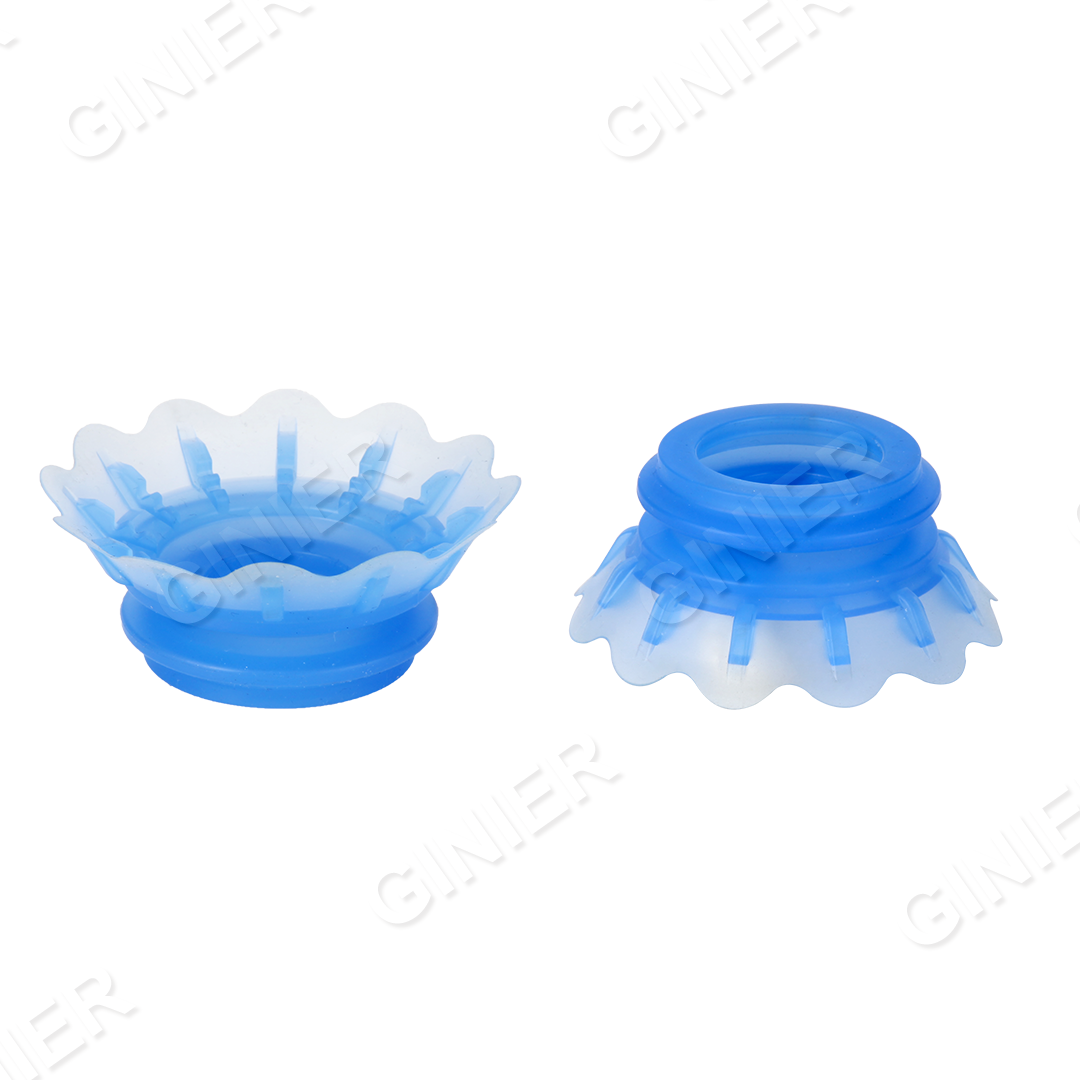
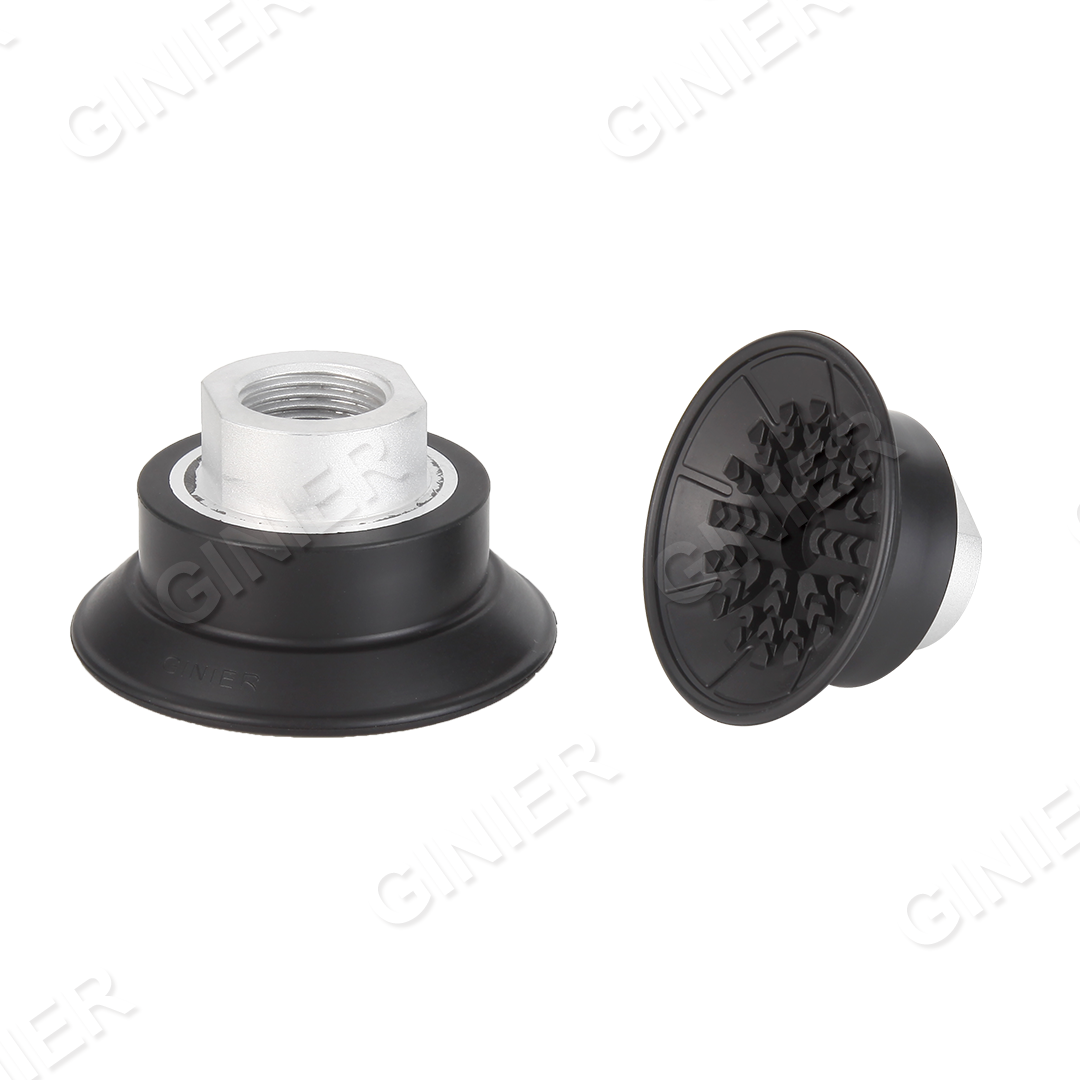
Suction bellows represent a vital component in fluid handling and pneumatic systems, designed to create controlled vacuum pressure for various industrial applications. These mechanical devices operate by expanding and contracting to draw in air or liquids, making suction bellows an essential tool across manufacturing, medical, and laboratory environments.
The primary function of suction bellows is to generate negative pressure that enables the movement of materials without direct contact. Suction bellows accomplish this through a flexible chamber that alternates between expansion and compression cycles, effectively pulling substances through connected piping systems. This mechanism proves particularly valuable when handling delicate, contaminated, or hazardous materials that require careful transport.
Technologically, modern suction bellows feature advanced materials that withstand repeated compression cycles while maintaining structural integrity. The design incorporates precision-engineered chambers with one-way valves that ensure unidirectional flow, preventing backflow and maintaining consistent suction performance. Suction bellows are engineered with smooth internal surfaces that minimize turbulence and optimize vacuum efficiency.
Applications for suction bellows span multiple industries, including pharmaceutical manufacturing, food processing, chemical handling, and medical diagnostics. Laboratories utilize suction bellows for sample collection and fluid transfer, while industrial facilities employ them for material recovery and waste management. The versatility of suction bellows makes them indispensable in environments requiring reliable, repetitive vacuum generation without electrical power consumption or complex machinery integration.

 EN