Vacuum Valve - Precision Pressure Control

application/Vacuum-valve, application/Vacuum-valve, 
Inquiry
Inquiry

Vacuum valve

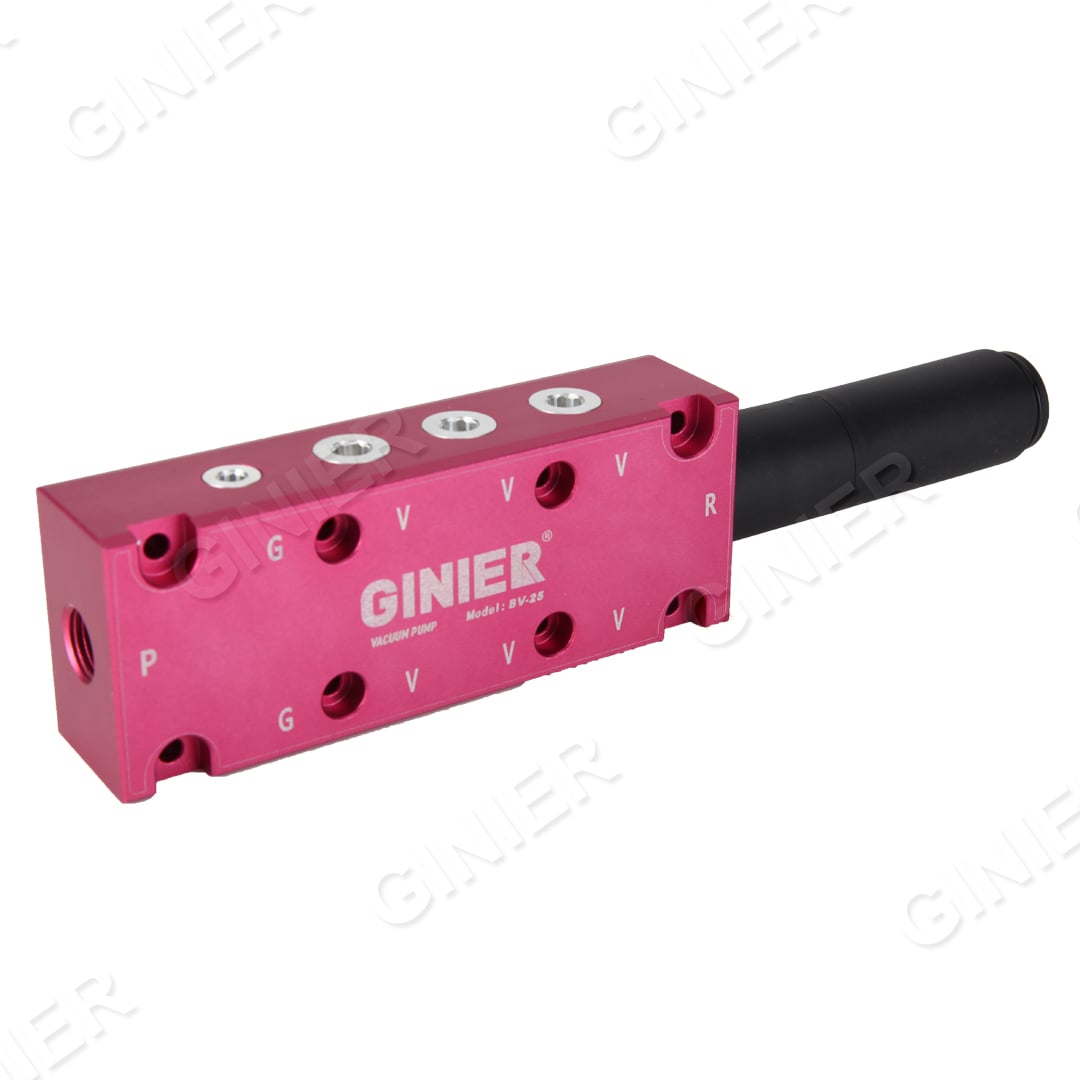
A vacuum valve is a critical component designed to control the flow of gases and maintain pressure differentials in vacuum systems. This precision device operates by opening and closing pathways within vacuum equipment, allowing operators to manage air intake, exhaust flow, and system pressure with exceptional accuracy. The vacuum valve functions as a gatekeeper for vacuum chambers, ensuring that air movement occurs exactly when and where needed throughout industrial and laboratory applications. Modern vacuum valve technology incorporates advanced sealing mechanisms that prevent unwanted air leakage while maintaining structural integrity under extreme pressure conditions. The design of a vacuum valve typically features durable materials such as stainless steel or specialized alloys that withstand corrosive environments and temperature fluctuations. These components utilize electromagnetic actuation, manual operation, or pneumatic control systems depending on specific application requirements. Vacuum valve systems are engineered for reliability, featuring multiple sealing stages that ensure minimal gas permeation. The valve body is precision-machined to exact specifications, guaranteeing consistent performance across repeated cycles. Whether manual or automated, a vacuum valve delivers dependable control over vacuum conditions, making it indispensable in semiconductor manufacturing, laboratory research, medical applications, and industrial processing. Understanding vacuum valve functionality helps organizations optimize their vacuum system efficiency and achieve desired operational outcomes.

The vacuum valve provides numerous practical benefits that directly enhance operational efficiency and system performance. First, this equipment enables precise pressure control, allowing users to maintain exact atmospheric conditions required for sensitive applications. By regulating gas flow accurately, a vacuum valve eliminates pressure fluctuations that could compromise product quality or experimental results. Operators benefit significantly from the reliability of vacuum valve systems, which feature robust construction designed to minimize maintenance demands. The durable sealing mechanisms incorporated into modern vacuum valve designs reduce downtime and repair costs substantially. This translates to improved productivity and lower operational expenses for facilities relying on continuous vacuum systems. The vacuum valve excels in safety applications, protecting equipment from sudden pressure surges and maintaining controlled environments in hazardous scenarios. Its responsive action prevents dangerous pressure buildups while safeguarding sensitive instruments and personnel. Users appreciate the straightforward integration of vacuum valve technology into existing systems, as these components connect seamlessly with standard industrial equipment. For businesses requiring flexibility, a vacuum valve accommodates both manual and automated operation, adapting to diverse facility needs. The precise engineering ensures that every vacuum valve functions consistently, delivering predictable results across different environmental conditions. Organizations in semiconductor manufacturing, pharmaceutical production, and research laboratories report significant improvements in process consistency after implementing quality vacuum valve systems. This equipment also reduces material waste by maintaining ideal vacuum conditions throughout production cycles, directly improving profitability and environmental responsibility.

Latest News

Meet GINIER | 2026 South China International Industry Fair

04

Aug

Meet GINIER | 2026 South China International Industry Fair

View More
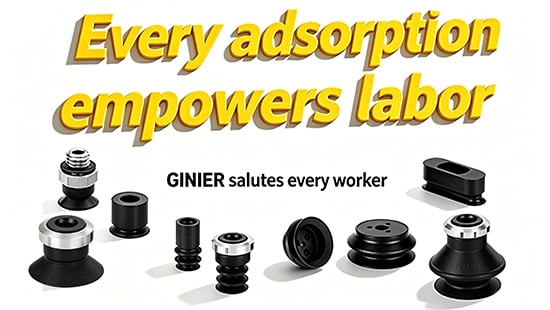
GINIER Wishes All Workers a Happy Labour Day

04

Aug

GINIER Wishes All Workers a Happy Labour Day

View More
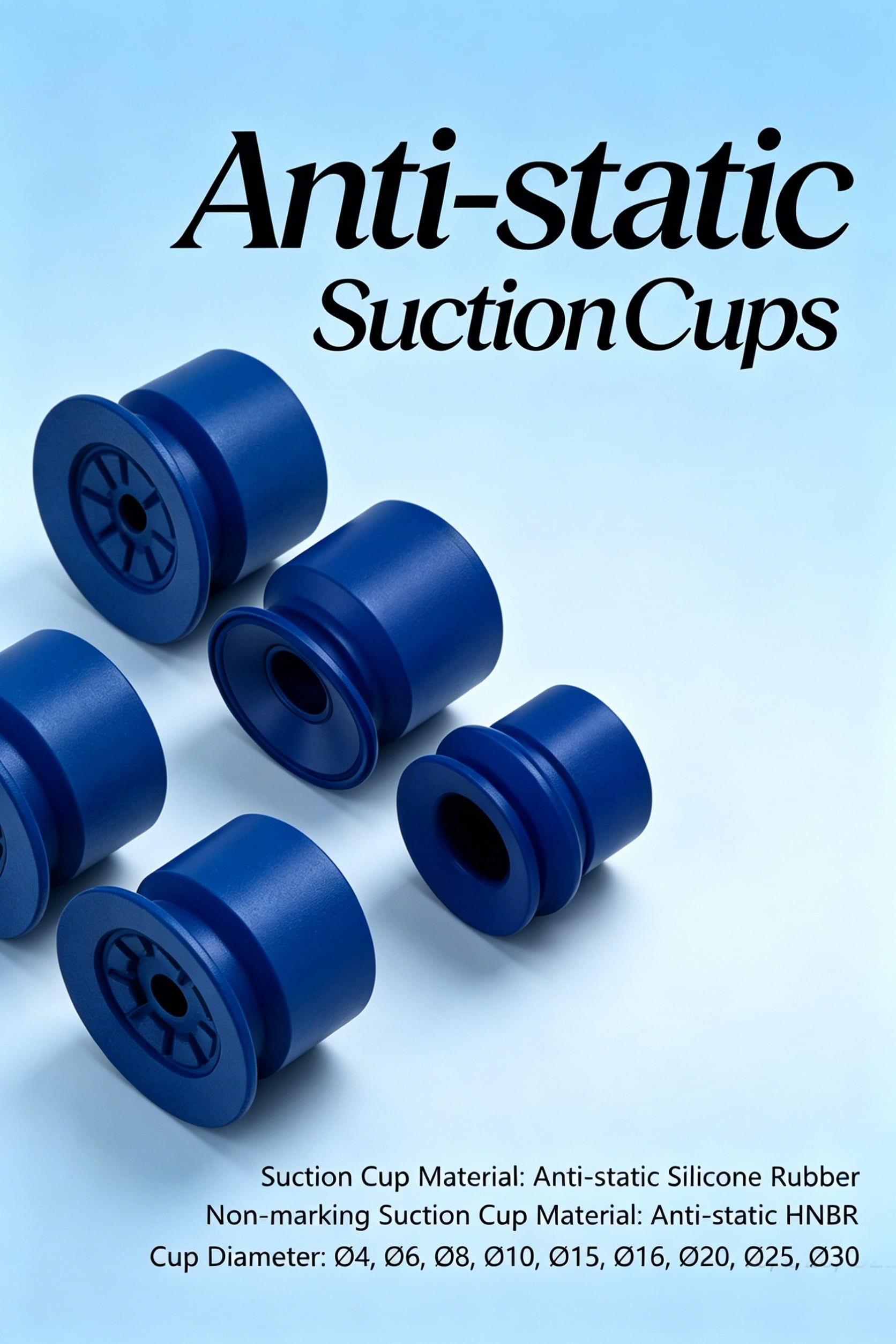
GINIER New HBUE Anti-static Suction Cups Launched

04

Aug

GINIER New HBUE Anti-static Suction Cups Launched

View More

Precision Pressure Control

Precision Pressure Control

A vacuum valve delivers exceptional pressure regulation capabilities that maintain exact atmospheric conditions within vacuum chambers. The precision engineering of each vacuum valve ensures that pressure changes occur gradually and predictably, eliminating sudden fluctuations that damage sensitive products or compromise experimental accuracy. Advanced sealing technology incorporated into the vacuum valve design prevents unwanted gas leakage, maintaining stable conditions throughout extended operations. Operators can adjust vacuum valve settings to match specific application requirements, from high-vacuum laboratory environments to moderate-pressure industrial settings. The responsive nature of vacuum valve systems allows real-time pressure adjustments without requiring extensive manual intervention. This level of control makes the vacuum valve invaluable for semiconductor fabrication, where minute pressure variations affect product quality and manufacturing yields significantly.
Durability and Low Maintenance

Durability and Low Maintenance

The robust construction of a vacuum valve ensures long-term reliability with minimal maintenance requirements. Built from high-grade stainless steel and specialized alloys, every vacuum valve resists corrosion and material degradation even in demanding industrial environments. The superior engineering design of the vacuum valve incorporates self-sealing mechanisms that maintain performance across thousands of operational cycles without deterioration. Facilities benefit from reduced downtime associated with vacuum valve servicing, as these components require infrequent maintenance compared to alternative pressure control solutions. The resilient construction of a vacuum valve translates to consistent cost savings through extended service life and decreased replacement frequency. Organizations operating continuous vacuum systems experience significant operational advantages by implementing high-quality vacuum valve technology, as these devices maintain functionality reliably under sustained operational stress and varying environmental conditions throughout their extended working lifespan.
Versatile Application Suitability

Versatile Application Suitability

The vacuum valve adapts seamlessly to diverse industrial and laboratory applications, providing flexible pressure management solutions across multiple sectors. Whether integrated into semiconductor manufacturing equipment, pharmaceutical production facilities, or research laboratory setups, a vacuum valve delivers reliable performance tailored to specific operational requirements. The modular design of vacuum valve systems permits straightforward installation into existing infrastructure without requiring major equipment modifications. Users can configure each vacuum valve for manual operation when hands-on control proves necessary or select automated versions for continuous, unattended system management. The vacuum valve's compatibility with various vacuum pump systems and chamber designs makes this component essential for organizations operating complex vacuum environments. From cryogenic applications requiring extreme cold tolerance to high-temperature industrial processes, a vacuum valve provides the necessary pressure regulation capabilities that maintain optimal conditions for diverse manufacturing and research operations spanning multiple industries and scientific disciplines.