Vacuum Handling Tool - Safe Material Lifting

application/Vacuum-handling-tool, application/Vacuum-handling-tool, 
Inquiry
Inquiry

Vacuum handling tool

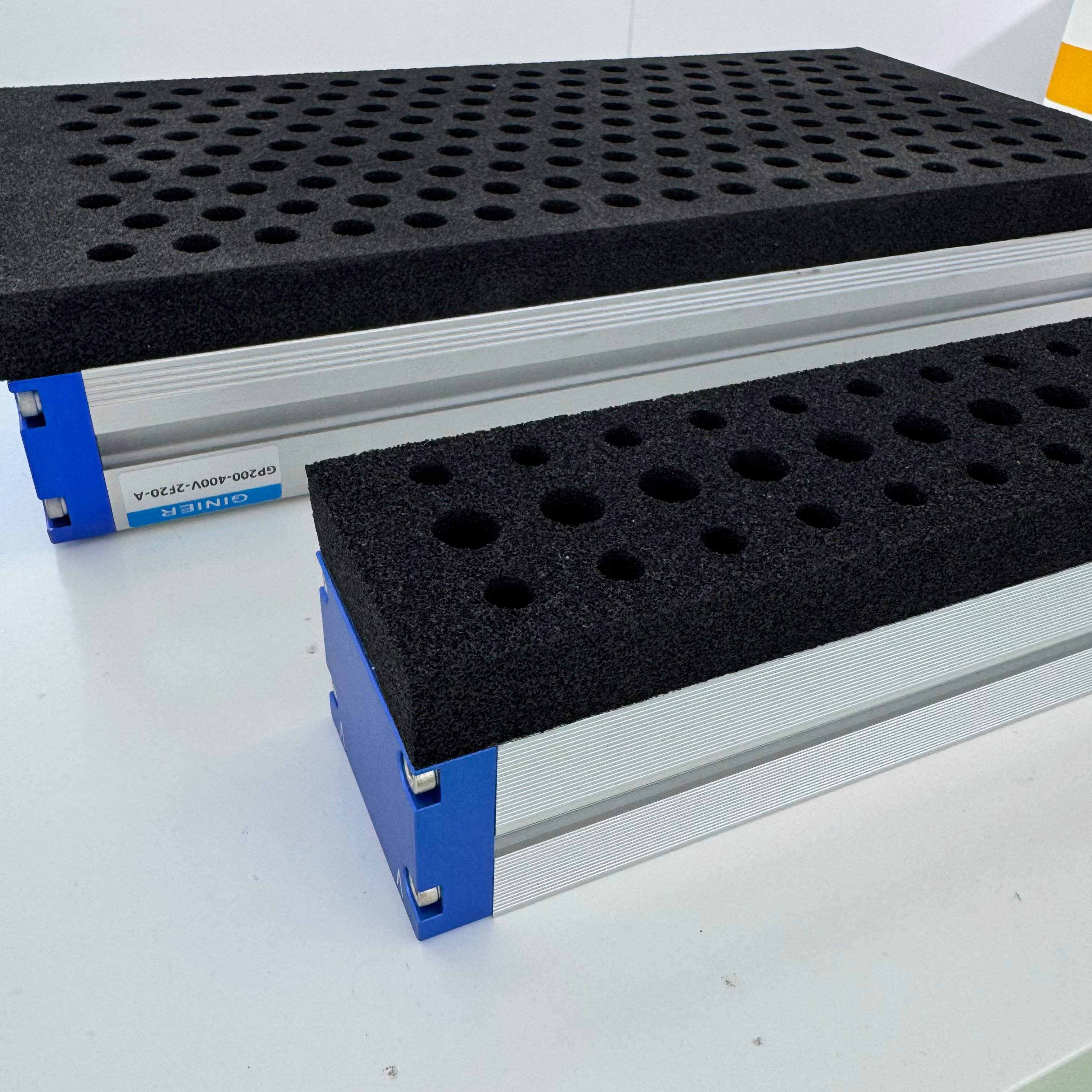
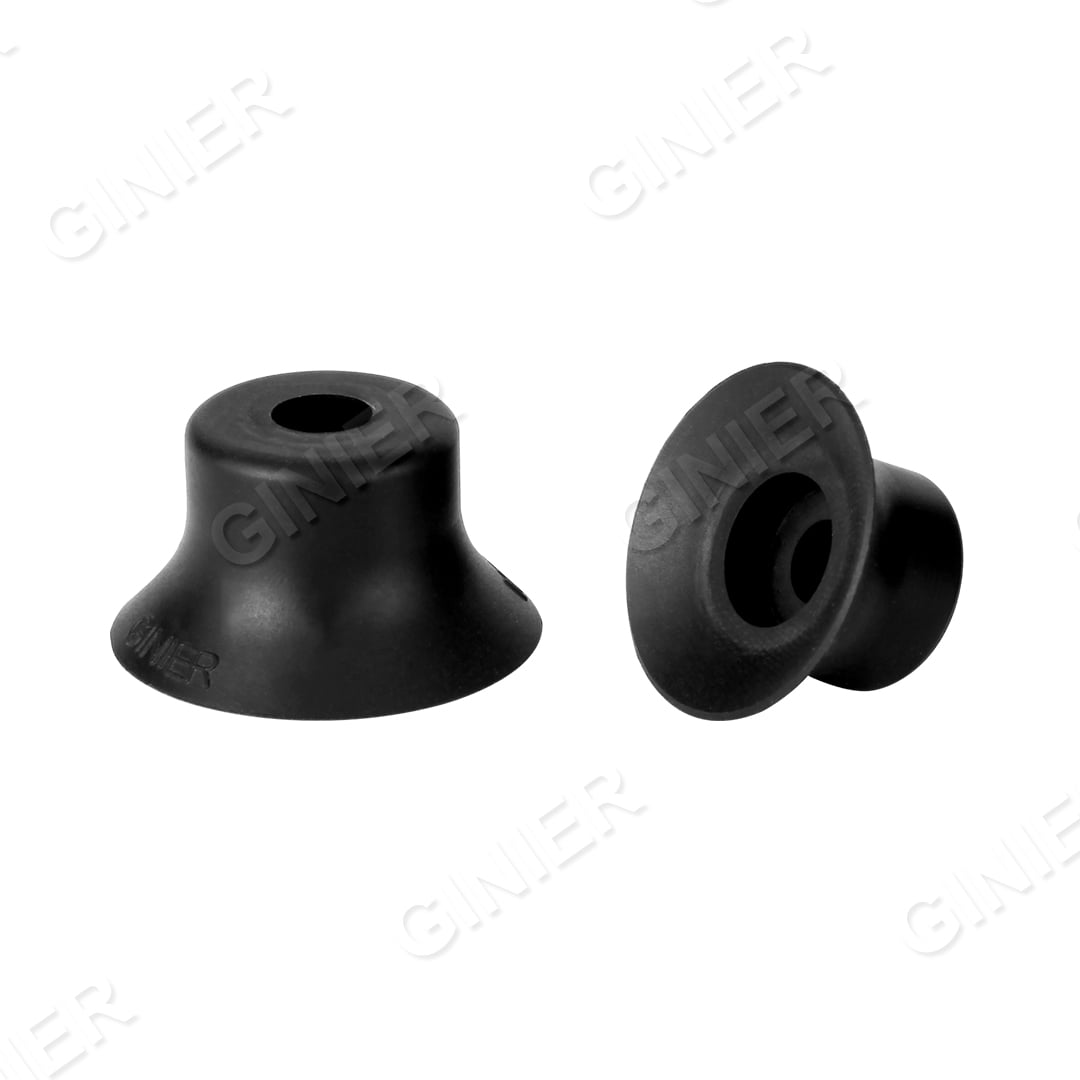
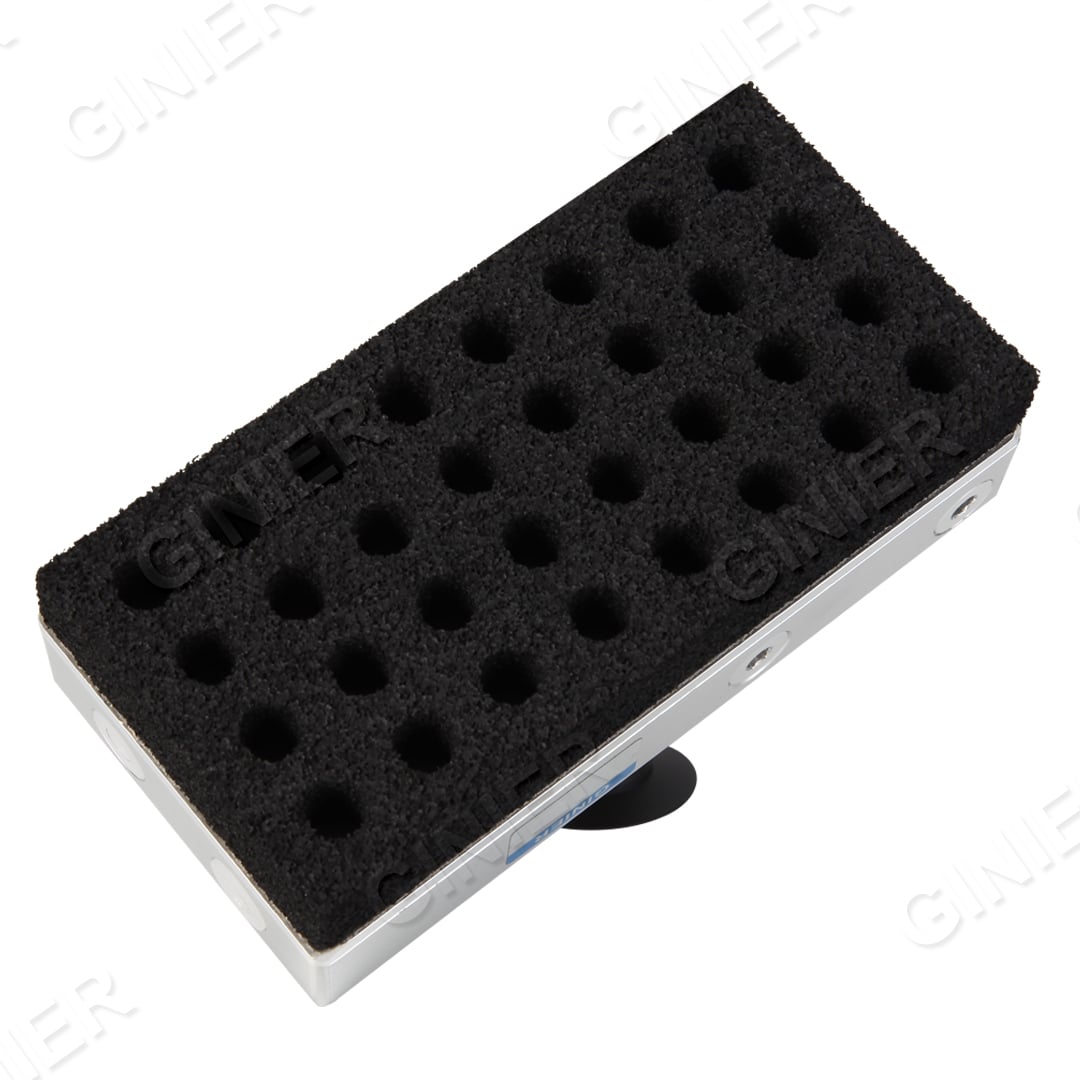
A vacuum handling tool is a specialized device for safely lifting, transporting, and positioning delicate or heavy materials without damage. It uses suction to create a secure grip on surfaces, generating controlled air pressure that holds items firmly while operators move them with precision. Its primary function is eliminating manual handling risks tied to fragile components, glass sheets, stone slabs, and metal panels. Modern tools incorporate sensors and pressure monitoring for consistent performance, automatically adjusting suction to match load and prevent damage. Technologically, a vacuum handling tool features robust pump systems, durable suction cups, and ergonomic handles for comfort, with advanced models including digital displays showing real-time pressure and battery status. Applications span construction, manufacturing, logistics, and fabrication, handling architectural glass, stone countertops, and metal sheets in warehouses and production facilities.

The vacuum handling tool delivers significant operational and financial benefits that transform how businesses manage heavy and delicate materials. First and foremost, a vacuum handling tool dramatically reduces workplace injuries by eliminating the need for manual lifting and carrying of awkward or heavy items. Workers experience reduced strain and fatigue, leading to improved productivity and lower compensation costs for employers. Operational efficiency improves substantially when using a vacuum handling tool, as materials are transported faster and more safely than traditional handling methods. A vacuum handling tool enables single operators to manage loads that previously required multiple team members, reducing labor costs while maintaining quality standards. The precision offered by a vacuum handling tool ensures materials arrive at their destination without scratches, cracks, or damage that could result in costly waste. The vacuum handling tool provides exceptional application suitability across diverse material types, from delicate glass and ceramics to heavy stone and metal products. This versatility means businesses can invest in one vacuum handling tool solution rather than maintaining multiple specialized equipment. Decision-making becomes easier when organizations recognize that a vacuum handling tool pays for itself through reduced material loss and decreased labor expenses. Safety represents another crucial advantage of the vacuum handling tool, as it prevents accidents associated with dropped materials or worker strain injuries. Quality assurance improves when materials are handled consistently using a vacuum handling tool, as damage rates decline significantly. Investment in a vacuum handling tool demonstrates organizational commitment to worker protection while simultaneously improving bottom-line profitability through operational efficiency gains and waste reduction initiatives.
Tips And Tricks

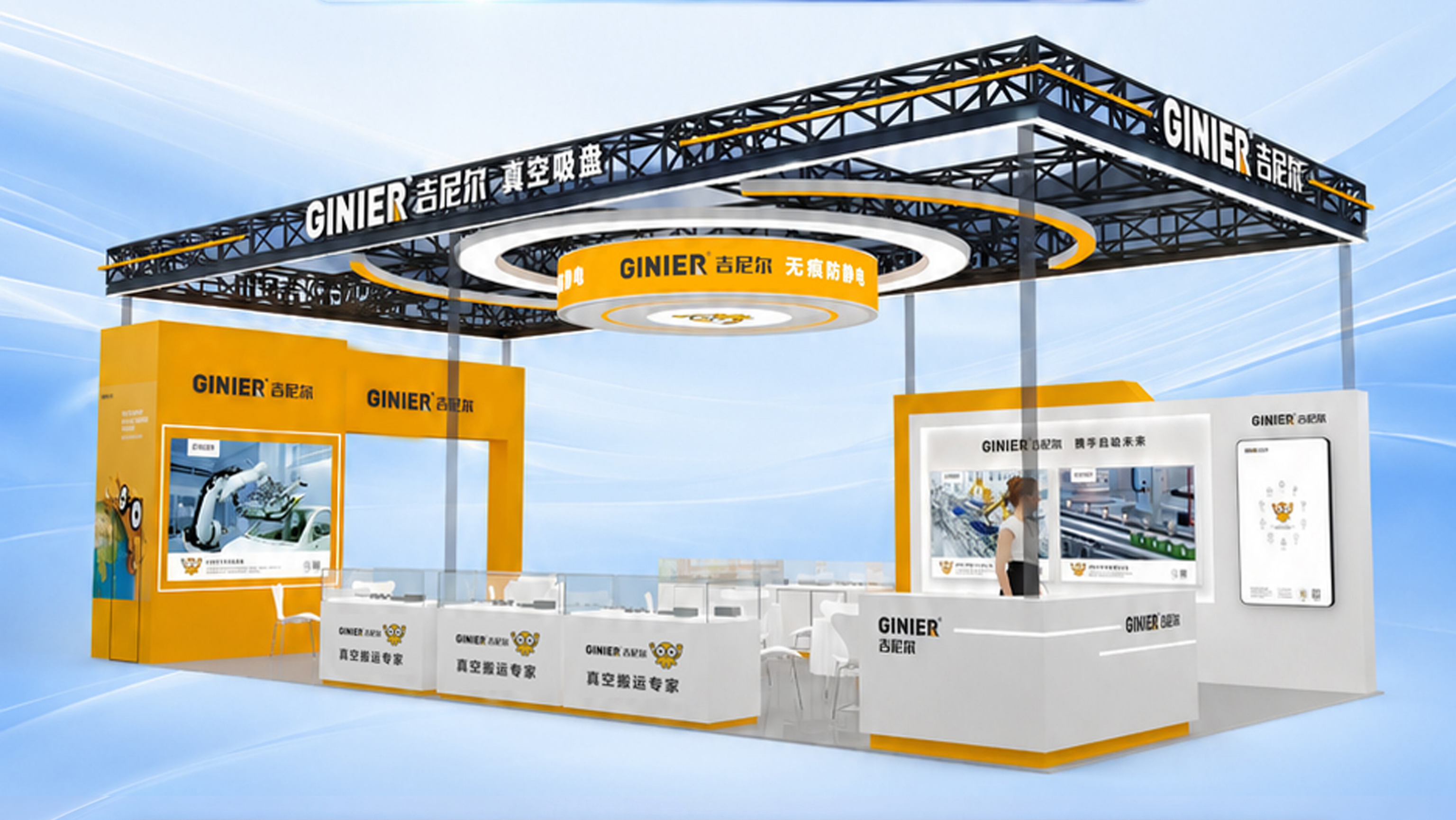
Meet GINIER | 2026 South China International Industry Fair

04

Aug

Meet GINIER | 2026 South China International Industry Fair

View More
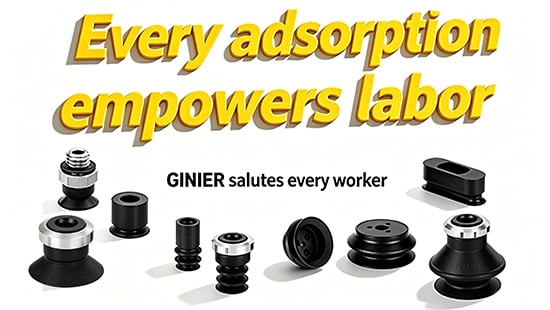
GINIER Wishes All Workers a Happy Labour Day

04

Aug

GINIER Wishes All Workers a Happy Labour Day

View More
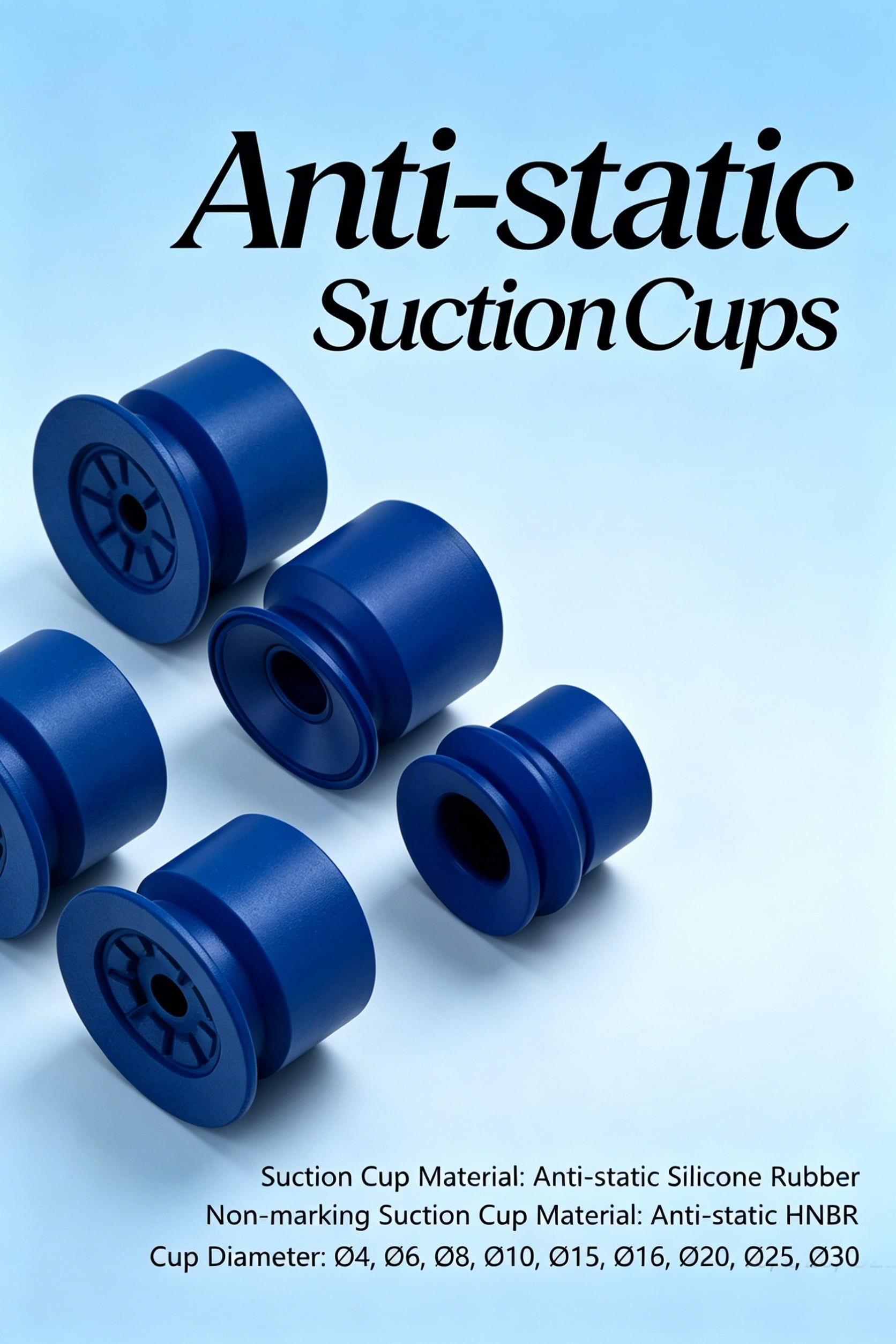
GINIER New HBUE Anti-static Suction Cups Launched

04

Aug

GINIER New HBUE Anti-static Suction Cups Launched

View More

Advanced Suction Technology for Secure Material Handling

Advanced Suction Technology for Secure Material Handling

The vacuum handling tool incorporates cutting-edge suction technology that provides unwavering grip strength across diverse material surfaces and conditions. This intelligent vacuum handling tool system automatically detects surface irregularities and adjusts pressure accordingly, ensuring optimal holding power without damaging delicate finishes. The advanced sensors integrated into the vacuum handling tool continuously monitor pressure levels, alerting operators immediately if suction capacity diminishes for any reason. This proactive feature prevents accidents before they occur, making the vacuum handling tool exceptionally reliable in critical applications. The pressure consistency delivered by the vacuum handling tool allows operators to confidently handle expensive materials like architectural glass or premium stone slabs without worry. Users appreciate how the vacuum handling tool maintains performance across varying environmental conditions, temperatures, and humidity levels that might otherwise compromise traditional lifting equipment functionality.
Ergonomic Design and Operator Comfort Enhancement

Ergonomic Design and Operator Comfort Enhancement

The vacuum handling tool features an ergonomic design that prioritizes operator comfort and safety during extended work sessions. Lightweight construction of the vacuum handling tool reduces fatigue compared to mechanical lifters, allowing workers to maintain focus and precision throughout demanding shifts. The intuitive control interface of the vacuum handling tool enables operators to master the equipment quickly, requiring minimal training investment. Strategically positioned handles on the vacuum handling tool distribute weight evenly, preventing strain injuries that commonly affect workers using conventional equipment. The vacuum handling tool design incorporates shock-absorbing technology that smooths load transitions and reduces jarring movements. Professionals consistently report increased job satisfaction when using the vacuum handling tool because physical demands diminish substantially, enabling them to work longer without exhaustion affecting performance quality or safety margins.
Cost Savings Through Reduced Material Damage and Labor Efficiency

Cost Savings Through Reduced Material Damage and Labor Efficiency

Implementing the vacuum handling tool generates impressive cost savings by dramatically reducing material waste from breakage or damage during transport. Organizations utilizing the vacuum handling tool report waste reduction rates exceeding seventy percent compared to conventional handling methods, directly improving profit margins. The vacuum handling tool enables single operators to accomplish tasks previously requiring two or three workers, substantially decreasing labor expenses. Investment in the vacuum handling tool typically pays for itself within months through combined savings from reduced material loss and decreased labor requirements. The vacuum handling tool's reliability minimizes production delays caused by damaged materials or equipment failures common with older handling technologies. Companies adopting the vacuum handling tool gain competitive advantages by delivering projects faster with higher quality standards, allowing them to command premium pricing in their markets while maintaining lower operational costs than competitors.